

Turquie Santé
Last update : 29/05/2026

Craniosynostosis Surgery in Turkey: Pediatric Skull Reshaping

Access internationally recognized healthcare with substantial savings compared with European prices.

Get a free quote
Craniosynostosis treatment Turkey
793+
patient reviews
across all procedures

Around 1 in 2,500 births involves craniosynostosis, a congenital condition where one or more cranial sutures fuse too early, before the brain has finished growing. The skull cannot expand normally. The result, depending on which suture closes prematurely, ranges from a narrow elongated head (scaphocephaly) to a flattened forehead (trigonocephaly) or a wide, short skull (brachycephaly).

Timing matters enormously here. Most pediatric neurosurgeons recommend surgical correction between 3 and 9 months of age, when the skull bones remain malleable and the brain is growing fastest. Waiting beyond 12 months, according to guidelines from the International Society of Pediatric Neurosurgery, significantly reduces the window for optimal correction.

Two main surgical approaches exist: traditional open cranial vault reconstruction and minimally invasive endoscopic strip craniectomy, the latter reserved for infants under 4 months. Both aim to release the fused suture and allow normal brain development. Skull reshaping turkey has become a recognized option for families seeking high-quality care at more accessible costs, with Istanbul clinics offering both techniques through experienced pediatric neurosurgical teams.

Several patients treated via Turquie Santé partner clinics have reported positive outcomes, though recovery (not always straightforward) typically involves a hospital stay of 3 to 5 days and a helmet-molding phase of several months post-endoscopic surgery. Results are generally favorable, yet individual outcomes depend on the type of fusion, the child's age at surgery, and whether a genetic syndrome is involved.

Craniosynostosis surgery cost in Turkey: what to expect

Cost is rarely the first question parents ask, but it becomes relevant quickly once families realize the waiting times and pricing structures in their home countries. In Western Europe, open cranial vault reconstruction in a private setting can reach 25,000 to 40,000 euros. In Turkey, the same procedure at accredited partner clinics may range from approximately 8,000 to 15,000 euros, depending on the complexity of the case, the surgical team involved, and the length of hospitalization required.

Endoscopic procedures, being shorter and less resource-intensive, tend to fall in the 5,000 to 9,000 euro range. These figures are indicative and should be confirmed through a personalized quote, as syndromic cases requiring multidisciplinary teams (neurosurgery, craniofacial surgery, ophthalmology, genetics) will carry higher costs.

What the quoted price typically includes at Turquie Santé partner clinics:

  • Preoperative imaging and anesthesia assessment
  • Surgical team fees (neurosurgeon and craniofacial surgeon)
  • Hospital stay (standard 4 to 5 days for open surgery)
  • Postoperative monitoring during the Istanbul stay

What is generally not included: international flights, accommodation for accompanying family members, the cranial helmet for post-endoscopic cases (which may add 800 to 1,500 euros),and follow-up consultations back home. Families are strongly advised to arrange comprehensive travel insurance covering pediatric surgical complications before departure. For context on the broader range of procedures available in Turkey, reconstructive and cosmetic surgery options are also accessible through the same network of partner clinics.

Risks and Side Effects

  • Significant intraoperative blood loss, often requiring transfusion (reported in approximately 67% of open procedures, according to published pediatric neurosurgery literature)
  • Postoperative swelling and periorbital bruising, typically resolving within 2 to 3 weeks
  • Infection or wound dehiscence (rare, estimated below 3% in accredited centers)
  • Neurological complications including cerebrospinal fluid leak or transient neurological deficit
  • Need for revision surgery in 8 to 12% of cases, particularly in syndromic forms

Why choose Craniosynostosis treatment with Turquie Santé ?

Chirurgien icon

Accredited surgeons and hospitals (JCI, ISO)

Économie icon

Indicative prices, often lower than in Western Europe depending on the case

Organisation icon

Medical stay organized from A to Z

Prix icon

Detailed quote (included / not included) before your stay

Résultat icon

Free review of your file

All about your Craniosynostosis treatment in Turkey
Overview
Benefits
Payment

Intervention or treatment's duration :

Open cranial vault reconstruction typically lasts 3 to 5 hours under general anesthesia. Endoscopic strip craniectomy is shorter, generally 60 to 90 minutes, and is reserved for infants under 4 months. Total hospital stay ranges from 3 to 5 days depending on the technique and the child's response.

Recovery time :

After open surgery, most children are discharged within 4 to 5 days and return to normal daily activities within 3 to 4 weeks. Endoscopic procedures allow earlier discharge (2 to 3 days) but require a custom cranial helmet worn for 12 to 18 months post-surgery to guide skull reshaping. Full neurodevelopmental assessment is recommended at 6 and 12 months post-operation.

Highly qualified professionals in accredited institutions.


We assist you before, during, and after your trip


A detailed quote is presented to you before your stay. Our support is free for the patient and any fees are specified in advance.

You will pay your clinic directly using these available methods:
Transfer

Verified testimonials from our patients

Benchaieb N.
Verified review

the ambulance service did not follow the instructions

he wanted to do what suited him best in terms of timing and transport, without taking into account the state of health of the patient being transported to adapt the driving and speed


06/05/2026
This patient was treated for Neurosurgery
RETENO D.
Verified review

continued his care and continued care at the hospital


16/04/2026
This patient was treated for Neurosurgery
DIAW A.
Verified review

I received neurosurgical care at Hisar Intercontinental. The team seemed competent, and the treatment went well. Some aspects of the organization could be improved, but I’m satisfied with the medical care I received.


06/01/2026
This patient was treated for Neurosurgery
James T.
Verified review

I had been suffering from herniated discs for some time and, after thinking it over carefully, I decided to have surgery in Turkey. At first I had some doubts, but in the end I don't regret it at all. It all started on WhatsApp. Kevin replied quickly..Read more


01/01/2026
This patient was treated for Neurosurgery
Eric L.
Verified review

I’m simply sharing my positive experience with Turquie Santé and the whole team. I had a microvascular decompression in Turkey after years of pain from trigeminal neuralgia. Everything was organized from the start—transfers, hotel and appointments. O..Read more


03/11/2025
This patient was treated for Trigeminal neuralgia
Malek K.
Verified review

I was quite nervous before my neurosurgery, but the team helped put me at ease. The operation went well, and I appreciated the follow-up afterwards. The hospital was very clean. Overall, it was a good experience.


08/02/2025
This patient was treated for Neurosurgery
Emily White : Medical Content Team Manager at Turquie Santécheck

Written by

Emily White

This content complies with the editorial policy of Turquie Santé. It was written by Emily White, Head of the Editorial Team, who has over 11 years of experience in scientific research and clinic management in Turkey. She ensures the reliability of medical information while making complex data accessible to everyone.

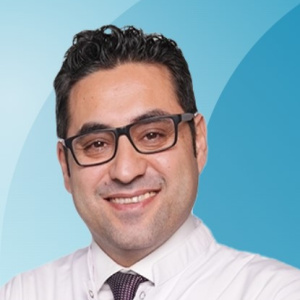
Uzm. Dr. Hakan İLASLANcheck

Medically reviewed by : Uzm. Dr. Hakan İLASLAN

Neurosurgery Specialist

An expert in neurosurgery at Lokman Hekim University Hospital in Ankara, Dr. Hakan İlaslan specializes in complex brain and nerve surgery. His expertise covers spinal pathologies and high-precision microsurgical interventions. As a validator, he ensures the accuracy of surgical protocols and technological advancements.

Medical review does not replace an individual consultation.

Our doctors for your Craniosynostosis treatment

Doç. Dr. Rafet ÖZAY
Turkey, Ankara
5.0
(1 reviews)
Lead doctor for your Craniosynostosis treatment
29 years of experience
LOKMAN HEKIM Üniversitesi
The clinic is certified:International Organization for Standardization (ISO) LOKMAN HEKIM Üniversitesi

Main Specialty : NeurosurgeryYears of Experience : 29 years.Notable Education : Gülhane Military Medical Academy, Faculty of Medicine (1987-1991),Uludağ University, Faculty of Medicine (1993-1997).Mastered Techniques : Peripheral nerve surgery, spinal surgery, microsurgery… Read more

PROF. DR. Idris Altun
Turkey, Istanbul
4.4
(221 reviews)
Lead doctor for your Craniosynostosis treatment
14 years of experience
HISAR INTERCONTINENTAL
The clinic is certified:JCI - Joint Commission International HISAR INTERCONTINENTALInternational Organization for Standardization (ISO) HISAR INTERCONTINENTAL

Main Specialty : Neurosurgery Years of Experience : 14 years. Notable Training : Residency at Kahramanmaraş Sütçü İmam University, training in endoscopic pituitary surgery at Kocaeli University, training at Barrow, Arizona, USA. Mastered Techniques : Brain tumor surgery, spinal… Read more

Op. Dr. Çağrı Canbolat
Turkey, Istanbul
4.4
(11 reviews)
Lead doctor for your Craniosynostosis treatment
8 years of experience
LIV Vadistanbul
The clinic is certified:JCI - Joint Commission International LIV VadistanbulInternational Organization for Standardization (ISO) LIV Vadistanbul

Main Specialty : Neurosurgery Years of Experience : 8 years. Notable Training : Cumhuriyet University Faculty of Medicine Brain and Nerve Surgery / 2012-2018 Mastered Techniques : Neuro-Oncological Surgery, Skull Base Surgery, Neurovascular Surgery, Spinal Minimally Invasive… Read more

Prof. Dr. Zafer Orkun TOKTAŞ
4.5
(34 reviews)
Lead doctor for your Craniosynostosis treatment
23 years of experience
MEMORIAL Şişli
The clinic is certified:JCI - Joint Commission International MEMORIAL ŞişliInternational Organization for Standardization (ISO) MEMORIAL Şişli

Main Specialty : Neurosurgery Years of Experience : 23 years. Notable Training : Doctorate in Medicine, specializing in Neurosurgery. Mastered Techniques : Brain surgery, spinal surgery, endoscopic techniques. Notable Achievements : Publication of several articles in… Read more

Prof. Dr.Mete Karatay
Turkey, Istanbul
4.4
(11 reviews)
Lead doctor for your Craniosynostosis treatment
25 years of experience
LIV Vadistanbul
The clinic is certified:JCI - Joint Commission International LIV VadistanbulInternational Organization for Standardization (ISO) LIV Vadistanbul

Main Specialty : NeurosurgeryYears of Experience : 25 years.Notable Education : Eskişehir Osmangazi University, Faculty of Medicine (1995-2001),Ankara Training and Research Hospital, Department of Neurosurgery (2002-2007),Johns Hopkins University, School of Medicine,… Read more

Assoc. Prof. Dr. Muhittin Emre Altunrende
5.0
(1 reviews)
Lead doctor for your Craniosynostosis treatment
19 years of experience
LIV Ulus
The clinic is certified:JCI - Joint Commission International LIV UlusInternational Organization for Standardization (ISO) LIV Ulus

Main Specialty : Neurosurgery Notable Trainings : Istanbul University Cerrahpaşa Faculty of Medicine, Trakya University Faculty of Medicine Brain and Nerve Surgery Mastered Techniques : Functional Neurosurgery (Parkinson’s, Deep Brain Stimulation),Brain and Spinal tumors,… Read more

Get a free medical opinion on Craniosynostosis treatment with our recognized clinics

Certifications :

International Organization for Standardization (ISO) LIV Vadistanbul
JCI - Joint Commission International LIV Vadistanbul
LIV Vadistanbul
Istanbul, Turkey
Assoc. Prof. Dr. İdris Sertbaş

Assoc. Prof. Dr. İdris Sertbaş

12 years of experience
Main specialty : Neurosurgery Years of experience : 12 years. Notable training : Medical degree from the Faculty of Medicine at Cumhuriyet University (1999-2005),Residency at Ankara Training and Research Hospital, Department of Neurosurgery (2009-2014) ... Read more
4.4 / 5
4.4(11 Reviews)

Certifications :

JCI - Joint Commission International HISAR INTERCONTINENTAL
International Organization for Standardization (ISO) HISAR INTERCONTINENTAL
HISAR INTERCONTINENTAL
Istanbul, Turkey
Op. Dr. Ertuğrul PINAR

Op. Dr. Ertuğrul PINAR

14 years of experience
Verified CV: Neurosurgery. Graduated from Marmara University Faculty of Medicine (English program) in 2012; completed Neurosurgery specialization at the same university. Career: general practitioner in Çanakkale and Ağrı, then neurosurgery specialist in ... Read more
4.4 / 5
4.4(221 Reviews)

Certifications :

JCI - Joint Commission International LIV Ulus
International Organization for Standardization (ISO) LIV Ulus
LIV Ulus
Istanbul, Turkey
Prof. Dr. Serdar Kahraman

Prof. Dr. Serdar Kahraman

37 years of experience
Main Specialty : Neurosurgery Years of Experience : 37 years. Notable Training : Gülhane Military Medical Academy (GMMA),Ankara-Türkiye (1983-1989); Neurosurgical Training, GMMA, Ankara-Türkiye (1992-1997); Neuro & Spinal Endoscopy Clinical Fellow, Berlin ... Read more
Op. Dr. Mehmet Alpay Çal

Op. Dr. Mehmet Alpay Çal

15 years of experience
Main Specialty : Neurosurgery Notable Training : Istanbul University, Faculty of Medicine; Istanbul Okmeydani Training and Research Hospital Mastered Techniques : Neuro-oncological surgery; Spinal Surgery; Pediatric Neurosurgery; Peripheral Nerve Surgery; ... Read more
4.7 / 5
4.7(1 Reviews)

Certifications :

International Organization for Standardization (ISO) LOKMAN HEKIM Üniversitesi
LOKMAN HEKIM Üniversitesi
Ankara, Turkey
Prof. Dr. Reha Şükrü KİŞNİŞÇİ

Prof. Dr. Reha Şükrü KİŞNİŞÇİ

39 years of experience
Prof. Dr. Nurullah ZENGİN

Prof. Dr. Nurullah ZENGİN

36 years of experience
4.7 / 5
4.7(1 Reviews)

Certifications :

JCI - Joint Commission International MEMORIAL Şişli
International Organization for Standardization (ISO) MEMORIAL Şişli
MEMORIAL Şişli
Istanbul, Turkey
MD Ahmet ARPACI

MD Ahmet ARPACI

46 years of experience
Prof. Dr. Ahmet Nevzat Nayır

Prof. Dr. Ahmet Nevzat Nayır

41 years of experience
4.5 / 5
4.5(34 Reviews)

Certifications :

International Organization for Standardization (ISO) LOKMAN HEKIM ISTANBUL
JCI - Joint Commission International LOKMAN HEKIM ISTANBUL
LOKMAN HEKIM ISTANBUL
Istanbul, Turkey
Prof. Dr. Cahit Kural

Prof. Dr. Cahit Kural

21 years of experience
Main Specialty : NeurosurgeryYears of Experience : 21 years.Notable Education : Bachelor of Medicine (1998 - 2004),(Master's) PhD (2007 - 2012),Assoc. / Professor (2018)Techniques Mastered : Microdiscectomy, Herniated Disc, Neck Hernia, Spine Narrowing, ... Read more
4.7 / 5
4.7(69 Reviews)
DERINDERE
Istanbul, Turkey
OP. DR. MEHMET YAVUZ ÇIRPICI

OP. DR. MEHMET YAVUZ ÇIRPICI

4.0 / 5
4.0(2 Reviews)

You have consulted 7 / 31 Hospitals

🩺 Medical note — This information does not replace professional medical advice. Prices are indicative and confirmed in a personalized quote, and any treatment decision is made with a qualified doctor after reviewing your file.

What is craniosynostosis?

Between the bones of a newborn's skull lie flexible fibrous joints called cranial sutures. These sutures stay open during infancy to allow the brain, which triples in size during the first year of life, to expand freely. Craniosynostosis, also referred to as craniostenosis, occurs when one or more of these sutures fuse prematurely, before brain growth is complete.

The consequences are twofold. First, the skull cannot grow in the direction blocked by the fused suture. Second, compensatory growth occurs in other directions, producing characteristic skull deformities. Scaphocephaly (long, narrow head) results from sagittal suture fusion, the most common form, accounting for roughly 40 to 50% of cases. Trigonocephaly (triangular forehead) follows metopic suture fusion. Anterior plagiocephaly and brachycephaly involve coronal sutures, unilaterally or bilaterally.

Not all cases are isolated. Around 15 to 20% of craniosynostosis diagnoses are syndromic, meaning they occur as part of a broader genetic condition such as Crouzon, Apert, Pfeiffer, or Muenke syndrome. These syndromic forms often involve multiple sutures and may require staged surgical interventions over several years.

Diagnosis is confirmed through clinical examination and CT imaging with 3D reconstruction. Genetic testing is recommended when syndromic involvement is suspected. Early identification, ideally before 6 months of age, is the single most important factor in achieving optimal surgical and neurodevelopmental outcomes. For families navigating a broader medical journey, oncology and complex pediatric conditions are also managed at partner centers in Istanbul.

Recognizing the signs of craniosynostosis

A visible ridge along a suture line. That is often the first sign parents notice, sometimes within weeks of birth. The skull may feel unusually firm along one line, and the head shape deviates from the typical rounded newborn profile.

Physical signs vary by suture involved:

  • Sagittal synostosis: elongated front-to-back skull (scaphocephaly or dolichocephaly),narrow biparietal diameter, prominent forehead and occiput
  • Metopic synostosis: triangular forehead with a visible midline ridge, hypotelorism (eyes set closer together than normal)
  • Unilateral coronal synostosis: flattening on one side of the forehead, elevation of the ipsilateral orbit, nasal deviation
  • Bilateral coronal synostosis: wide, short skull (brachycephaly),prominent forehead, shallow orbits
  • Lambdoid synostosis: flattening at the back of the skull, ear displacement, rare (under 3% of cases)

Beyond skull shape, signs of elevated intracranial pressure may develop if the condition is left untreated: irritability, vomiting, papilledema on fundoscopic exam, and developmental delays. These are not universal, and many children with single-suture synostosis show no neurological symptoms at diagnosis. Still, the risk is real enough that watchful waiting without surgical planning is rarely recommended past 9 months.

Parents often describe the diagnostic process as disorienting (understandably so),moving from a routine pediatric visit to a neurosurgical referral within days. Several families treated through Turquie Santé partner clinics have noted that receiving a clear, structured diagnosis with imaging in Istanbul helped them feel more confident about the treatment plan ahead.

Craniosynostosis treatment in Turkey: surgical techniques and protocols

Two surgical pathways exist, and the choice depends almost entirely on the child's age at diagnosis. This is not a minor detail.

Endoscopic strip craniectomy is offered to infants under 3 to 4 months. A narrow strip of fused bone is removed through small incisions using an endoscope. Blood loss is minimal compared to open surgery, hospital stay averages 2 to 3 days, and the child wears a custom cranial orthosis (helmet) for 12 to 18 months post-surgery to guide skull reshaping. Results are highly dependent on helmet compliance.

Open cranial vault reconstruction is the standard approach for infants over 4 months and for complex or syndromic cases. The neurosurgeon and craniofacial surgeon work together to remove, reshape, and reposition the affected skull bones. Operating time ranges from 3 to 6 hours. Blood transfusion is frequently required. Recovery involves a 4 to 5-day hospital stay and 3 to 4 weeks before return to normal activity.

Partner clinics in Istanbul accessible via Turquie Santé are equipped for both approaches, with dedicated pediatric neurosurgical and craniofacial teams. Preoperative workup includes 3D CT imaging, anesthesia assessment, and, for syndromic cases, genetic and ophthalmological evaluation. Postoperative follow-up is coordinated with the family's home country pediatrician to ensure continuity of care, including neurodevelopmental monitoring at 6 and 12 months. Families traveling from abroad typically plan a stay of 7 to 10 days in Istanbul to cover preoperative consultations, surgery, and initial recovery before return travel.

Related medical articles

Craniosynostosis treatment FAQ

What are the different types of craniosynostosis and do they require different treatments?
Yes, significantly. Sagittal synostosis (the most common form, affecting roughly 40 to 50% of patients) produces a long narrow skull and is typically corrected via open vertex craniectomy or endoscopic strip craniectomy in young infants. Metopic synostosis, which causes a triangular forehead, often requires frontal orbital advancement, a more complex open procedure. Coronal synostosis, whether unilateral or bilateral, involves orbital reshaping and carries a higher risk of visual complications if left untreated. Lambdoid synostosis is rare and technically demanding. Syndromic forms involving multiple sutures (as in Apert or Crouzon syndrome) require staged surgeries over several years, coordinated by a multidisciplinary craniofacial team. The type of craniosynostosis directly determines the surgical technique, the timing, the duration of the procedure, and the post-surgical follow-up protocol.
What does long-term follow-up look like after craniosynostosis surgery?
Follow-up after craniosynostosis surgery is not a single appointment but a structured plan lasting several years. In the first months there are regular surgical checks of the head shape and wound, and developmental assessments (motor, cognitive and language milestones) are recommended, for example at about 6 and 12 months and then as advised. An eye examination is standard, especially in coronal and syndromic forms where raised intracranial pressure can affect vision, and hearing and speech may also be assessed in syndromic cases. Children who had endoscopic surgery usually wear a moulding helmet for several months (commonly until about 12 months of age, often 6 to 12 months in total),with adjustments or checks every 4 to 8 weeks. Further surgery is needed in a minority of children, roughly 5 to 10% in non-syndromic cases and more often in syndromic forms. Longer term, neurological and craniofacial reviews are usually scheduled yearly until school age or as your team advises. Families treated abroad coordinate follow-up with a paediatric neurosurgeon or neurologist in their home country, using the medical reports and imaging provided by the treating team.
What practical arrangements should a family make before traveling to Turkey for craniosynostosis surgery?
Planning a pediatric surgical trip abroad requires more preparation than an adult procedure. Most families need a minimum of 7 to 10 days in Istanbul: 1 to 2 days for preoperative consultations and imaging, about 4 to 5 days of hospitalization (for open surgery, including intensive care monitoring when needed),and a few days of post-discharge monitoring before the child is cleared for return travel. Entry requirements depend on nationality: citizens of many European countries can enter Turkey without a visa for stays under 90 days, while others need an e-Visa or a visa, so check the Turkish Ministry of Foreign Affairs website or the consulate before booking. Travel insurance covering pediatric surgical complications and extended stays is strongly recommended. An accompanying adult is required for a child, and two caregivers are advisable for an infant. Accommodation near the clinic can be arranged through Turquie Santé coordinators. Bring all prior imaging (MRI, CT scans),genetic test results if available, and a referral letter from your home country pediatrician to facilitate preoperative planning.
What is the total cost of a craniosynostosis surgery trip to Turkey, including logistics?
The surgical fee itself may range from approximately 8,000 to 15,000 euros for open cranial vault reconstruction, or 5,000 to 9,000 euros for endoscopic procedures, depending on case complexity. Adding realistic logistics for a family of two adults and one infant: return flights from Western Europe typically cost 400 to 900 euros per adult, accommodation for 8 to 10 nights in Istanbul averages 600 to 1,200 euros, and daily living expenses add roughly 50 to 80 euros per day. The cranial helmet required after endoscopic surgery may add 800 to 1,500 euros. Total estimated cost for the full medical trip, excluding home-country follow-up, could range from approximately 10,000 to 19,000 euros. This remains substantially lower than private surgical costs in France, Germany, or the UK for equivalent procedures. A personalized quote from Turquie Santé partner clinics is the most reliable way to get an accurate figure for a specific case.
How is craniosynostosis referred to in different languages, and does the terminology affect diagnosis or treatment?
The condition is known by several names across languages and medical traditions: craniosynostose in French, craniostenoza in Polish and Czech, craniostenosis in older English and Spanish literature, craniosynosthose in some Dutch-language sources, and craniocynostose as a variant spelling occasionally found in French medical records. These are all terms for the same underlying pathology: premature fusion of one or more cranial sutures. The terminology does not affect treatment, but it can affect how families search for information and how medical records are labeled when traveling internationally. When bringing prior medical documentation to a consultation in Istanbul, families should ensure records are translated or that the surgical team has access to a medical interpreter. Turquie Santé coordinators routinely assist with document translation and multilingual communication between families and surgical teams.
How do outcomes for craniosynostosis surgery in Turkey compare to those in Western Europe or North America?
Published outcome data for craniosynostosis surgery focuses on technique and timing rather than geography. The critical variables are the surgeon's experience with the specific suture type, the availability of pediatric neuroanesthesia, and the quality of postoperative monitoring, not the country where surgery is performed. Partner clinics in Istanbul accessible via Turquie Santé hold international accreditations and operate with pediatric neurosurgical teams trained in European and North American centers. Families from France, Germany, Belgium, and the UK have reported comparable surgical outcomes to those achieved domestically, with the added benefit of significantly reduced waiting times (often under 4 to 6 weeks versus 3 to 9 months in public systems). One family from the Netherlands described their experience: their son, diagnosed with sagittal synostosis at 5 months, underwent open surgery in Istanbul at 7 months after a 5-week wait. At his 12-month follow-up back home, his pediatric neurologist confirmed normal skull growth and age-appropriate developmental milestones. Not every case resolves this smoothly, and outcomes in syndromic forms remain more variable regardless of where surgery is performed. For families also exploring cardiology or other pediatric specialties in Turkey, the same network of accredited clinics offers multidisciplinary coordination.
Other procedures in this specialty

Share this page

Our assistants help you to get the best options in Craniosynostosis treatment