

Turquie Santé
Last update : 12/11/2025

Ecstasy addiction treatment in Turkey | Effective & affordable recovery

Looking for more options? You can browse all our 63 partner clinics.
We only work with certified clinics, selected according to strict quality and safety criteria.

Ecstasy addiction treatment Turkey
850+
patient reviews
Patient icon
600K+
Requests received since 2018
Clinique icon
27
Clinics
Trustpilot icon
4.6
Ville icon
5
Cities
Docteurs icon
2K+
Recognized doctors

Once a party drug, ecstasy is now being used by a wider audience. Known as the "love drug," it acts on the brain to induce euphoria and increase empathy. However, its toxicity is extremely high even at low doses, making it a dangerous substance that can be highly addictive.

In Turkey, specialized centers offer comprehensive care to help patients get rid of their addiction in complete safety.

Why undergo Ecstasy addiction treatment with Turquie Santé ?

Chirurgien icon

Expert surgeons and JCI certified hospitals

Économie icon

Prices 35% to 50% cheaper than in Europe

Organisation icon

Medical stay organized from A to Z

Prix icon

Direct prices without commission

Résultat icon

Free assistance 24/7

All about your Ecstasy addiction treatment in Turkey
Overview
Benefits
Payment

Verified reviews : 780

Processed requests : 37

Highly qualified professionals in accredited institutions.


We assist you before, during, and after your trip


Book with full transparency, no hidden fees or commissions.

You will pay your clinic directly using these available methods:

Transfer

How it works ?

1
Smartphone
Send your request online
2
Services
We look for the best option for your case & budget
3
Hospital
Evaluating a care plan with the best quote
4
airplane
Making appointments & Organization of your trip
5
Health care
Ongoing support until you return home

Get a free medical opinion on Ecstasy addiction treatment with our 27 Recognized Clinics

Certifications :

Turkish Medical Association MOODIST
MOODIST
Istanbul, Turkey
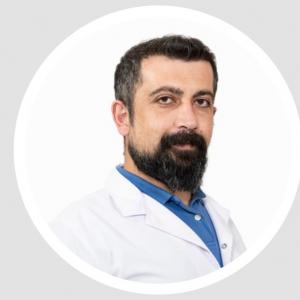
Asst. Prof. Merve Setenay M.D.

Asst. Prof. Merve Setenay M.D.

Main Specialty: Substance Abuse and Addiction Treatment Years of Experience: 12 years. Notable Training: Ondokuz Mayıs University Faculty of Medicine (2005–2011),Psychiatry Residency Training at Erenköy Mental Health and Neurological Diseases ... Read more
Dr İçsel Duru Yıldırım, M.D.

Dr İçsel Duru Yıldırım, M.D.

Main Specialty : Psychiatry Years of Experience : 15 years. Notable Training : Doctorate in Medicine, specializing in Psychiatry. Mastered Techniques : Cognitive-behavioral therapy, individual and group psychotherapy. Notable Achievements : ... Read more

Certifications :

Joint Commission International - JCI NP BRAIN
International Organization for Standardization (ISO) NP BRAIN
NP BRAIN
Istanbul, Turkey
4.7

Everything you will need for your medical trip

Medical opinion and estimates

Expert opinions and cost estimates

Pre-trip consultations

Understand your procedure before traveling.

Visa assistance

We assist our patients in obtaining their visas from the consulates.

Translation of your medical reports

We guarantee free and certified translation of your medical documents from all languages.

VIP Transport

Your transfers will be provided from the airport and your hotel.

Continuous Follow-up

You will be assisted by your attending doctor even after returning to your country, via videos or messages.

Experiences of our patients – Turquie Santé

Verified patient reviews

Madeleine M.

happy with the result, my son is starting to become less dependent on heroin after a 40 day cure, he was treated well, I..Read more


4.5
28/01/2022
This patient was treated for Heroin addiction treatment
Emily White : Editorial Team Lead at Turquie Santécheck

Written by

Emily White

This content complies with the editorial policy of Turquie Santé. It was written by Emily White, Head of the Editorial Team, who has over 11 years of experience in scientific research and clinic management in Turkey. She ensures the reliability of medical information while making complex data accessible to everyone.

What is Ecstasy?

Ecstasy, known by its scientific name MDMA (3,4-methylenedioxymethamphetamine),is a synthetic stimulant and hallucinogenic drug that combines the properties of amphetamine and mescaline.

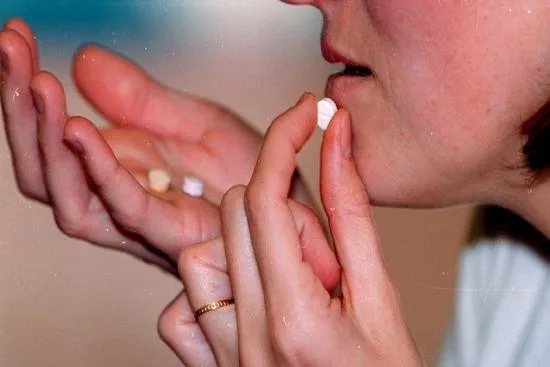
It comes in the form of colorful tablets, often with logos such as hearts, stars, or lightning bolts. It can also be found in powder or capsule form.

On the illegal market, ecstasy is also known as "EX," "Tata," "Ecsta," "Mitsubishi," or "Bonbons".

Ecstasy composition

Ecstasy is never a pure substance. Illegally manufactured, it can contain up to 50% MDMA, mixed with other substances with varying, sometimes very dangerous effects:

Because it is manufactured in clandestine laboratories, the exact composition of each tablet or capsule is impossible to determine, making each dose potentially lethal.

Ecstasy may seem harmless to some, but its use exposes them to serious health risks and even fatal complications.

Why do people become addicted to ecstasy (MDMA)?

Ecstasy, or MDMA, acts directly on the brain by stimulating three essential neurotransmitters: serotonin, dopamine, and norepinephrine. Its euphoric, empathogenic effects are mainly due to a massive release of serotonin, which increases feelings of pleasure, confidence, and connection with others.

As the effects of MDMA wear off, however, dopamine levels drop sharply, giving way to feelings of emptiness, fatigue, and irritability. This "downhill" phase can be accompanied by anxiety, stress, and a profound state of craving.

To compensate for these discomforts, the user may be tempted to increase the dose and frequency of use. This is how dependence gradually sets in, trapping the user in a vicious cycle where each use leads to a growing need to take more to avoid the negative effects of withdrawal.

If you or someone you know is showing signs of addiction, it's important to talk about it and seek professional help. Don't let ecstasy take control of you!

Ecstasy addiction: what are the consequences?

Ecstasy, or MDMA, is a drug that acts directly on the central nervous system. While its effects may seem euphoric at first, regular or excessive use can have serious physical and psychological consequences.

Medium-term effects

Regular users often experience a drop in energy, slower reflexes, and emotional coldness. Gradually, apathy sets in, accompanied by persistent anxiety and depressive periods that can lead to mental collapse.

Overdose risks

Excessive use of MDMA, especially in combination with alcohol, can lead to severe intoxication. Some of the most alarming symptoms include

In extreme cases, this can lead to pulmonary edema or liver and kidney failure. MDMA also promotes excessive serotonin release, which can lead to serotonin syndrome. The latter manifests as excessive sweating, nausea, rapid heart rate, tremors, hallucinations, and in the most severe cases, coma.

Long-term effects

Prolonged use of ecstasy can aggravate pre-existing medical conditions such as high blood pressure, diabetes, and epilepsy. Neurologically, it can cause irreversible damage, leading to cognitive and motor dysfunction.

In addition, several studies have linked prolonged use of MDMA to the development of psychiatric disorders such as chronic anxiety and major depression.

Far from being harmless, MDMA can cause irreversible damage to your health. If you or someone you know is affected by problematic use, consult a medical professional or a specialized center in Turkey immediately.

How do you help someone addicted to ecstasy?

Helping a loved one overcome an ecstasy addiction requires patience and kindness. It's important to avoid judgments, reproaches, or overly brutal approaches that risk creating a block and breaking trust.

Instead of rushing him, respect his pace and listen to his needs. Encouraging him without pressure and showing him that he's not alone in this struggle can make all the difference. The support of a healthcare professional, such as an addiction specialist, psychiatrist, or psychotherapist, is often essential for effective treatment. An addictology consultation can also be a beneficial option.

Thanks to Turquie Santé, you can benefit from a customized follow-up with specialists in addiction, psychiatry, or psychotherapy. Give your loved one the support he or she needs to return to a more serene life.

Why choose treatment in Turkey?

With Turquie Santé, you benefit from excellent medical care in clinics specialized in addiction medicine, combining :

Our experts will guide you to the best facilities in Istanbul for gentle withdrawal and lasting recovery.

Contact us today for a discreet, no-obligation consultation.

Ecstasy addiction treatment process in Turkey

Ecstasy addiction treatment is based on a structured program that combines different therapeutic approaches to maximize the chances of recovery. Here are the main stages of the treatment process:

Cognitive behavioral therapy (CBT)

CBT is an effective relapse prevention method. It helps patients identify and modify negative thought patterns associated with MDMA use. This therapy allows them to develop strategies for detoxification and long-term abstinence.

Group therapy

Group sessions provide a space for sharing and support among people going through similar experiences. They promote motivation, strengthen commitment to the recovery process, and allow patients to share their challenges and successes.

By integrating these therapies within a specialized medical framework, our clinics in Turkey offer comprehensive support to help each patient return to a balanced, addiction-free life.

How do you prevent relapse?

Getting off ecstasy (MDMA) is a real challenge, and the risk of relapse can be present. However, with the right preparation and a solid frame of mind, it's possible to stay the course.

Ecstasy addiction treatment FAQ in Turkey

How long can Ecstasy (MDMA) stay in the human body?

Ecstasy remains in the blood for up to three hours, while it can be detected in urine even four days after consumption. However, traces of ecstasy may persist longer in the metabolism.

How long does treatment for Ecstasy addiction take in Turkey?

The duration of treatment for Ecstasy addiction generally ranges from 4 to 12 weeks, depending on the severity of use, and includes detoxification, medical monitoring, and psychological support.

What results can be expected after treatment for ecstasy addiction?

The treatment aims to stop consumption, manage withdrawal symptoms, restore mental and physical health, and reduce the risk of relapse.

What pharmacological treatment is available for Ecstasy addiction?

There is no specific medication for ecstasy addiction, but certain drugs may be prescribed to relieve symptoms such as anxiety, depression, or sleep disturbances.

Is it possible to receive treatment for ecstasy addiction remotely or in Turkey?

Yes, thanks to Turquie Santé, it is possible to receive treatment for Ecstasy addiction in Turkey in specialized centers. Remote follow-up can also be arranged to ensure psychological support after the stay.

Share this page

Our assistants help you to get the best options in Ecstasy addiction treatment