

Turquie Santé
Last update : 16/11/2026

Cervical Conization: Procedure, fertility, results & costs

Access care from specialist doctors in Turkey, at prices generally lower than those in Europe.

Free Medical Opinion
Conization Turkey
795+
patient reviews
across all procedures

Cervical conization is proposed when a biopsy confirms a precancerous lesion of the cervix (CIN 2 or CIN 3) or when the findings are unclear. It removes a cone-shaped piece of tissue in 20 to 30 minutes, and the tissue is analysed to confirm the grade of the lesion and rule out invasive cancer. In Turkey the cost ranges from about $700 to $2,000, and final pathology results usually arrive within 8 to 15 days.

Conization does not usually prevent pregnancy (see fertility assessment),but removing cervical tissue increases the risk of preterm birth in a later pregnancy, especially with deeper excisions. Send your colposcopy report and biopsy results to a gynecologist to get a quote.

Cervical conization cost in Turkey

The cost of cervical conization in Turkey ranges from about $700 to $2,000, depending on the technique (LEEP, laser or cold knife),the anesthesia and the hospital. The final price is confirmed in a written quote after your file is reviewed by a gynecologist.

A quote typically covers the pre-operative consultation and tests, the procedure itself, the pathology analysis and post-operative follow-up before departure. Ask for the exact list of what is included when you receive it.

To get a quote, send your medical file, colposcopy report, biopsy results or Pap smear. A specialist gynecologist reviews them and proposes a care plan.

Risks and Side Effects

  • Higher risk of preterm birth in later pregnancies, increasing with the depth of tissue removed (Kyrgiou et al., BMJ, 2016).
  • Residual or recurrent lesion, which is why follow-up is needed.
  • Cervical stenosis (narrowing of the canal),uncommon.
  • Bleeding and infection, as with any surgical procedure.
  • Relative contraindications: pregnancy, untreated acute genital infection and severe uncontrolled coagulation disorders.


Why choose Conization with Turquie Santé ?

Chirurgien icon

Accredited surgeons and hospitals (JCI, ISO)

Économie icon

Indicative prices, often lower than in Western Europe depending on the case

Organisation icon

Medical stay organized from A to Z

Prix icon

Detailed quote (included / not included) before your stay

Résultat icon

Free review of your file

All about your Conization in Turkey
Overview
Alternative care
Benefits
Payment

Intervention or treatment's duration :

The procedure takes 20 to 30 minutes and, in most cases, the patient goes home the same day after a short observation period. Pathology results are usually available within 8 to 15 days.

Recovery time :

Many patients return to normal daily life within a few days, but full cervical healing takes several weeks. After week 6 the cervix is usually healed; resume all activities with your gynecologist's clearance.

Alternative treatments
  • Active surveillance for low-grade abnormalities (CIN 1),at the gynecologist's discretion.
  • Other excision techniques (LEEP, CO₂ laser or cold knife),depending on the size, depth and type of lesion.

Highly qualified professionals in accredited institutions.


We assist you before, during, and after your trip


A detailed quote is presented to you before your stay. Our support is free for the patient and any fees are specified in advance.

You will pay your clinic directly using these available methods:
Transfer
Emily White : Medical Content Team Manager at Turquie Santécheck

Written by

Emily White

This content complies with Turquie Santé's editorial policy. It was written by Emily White, Head of the Editorial Team, who coordinates content creation and updates. She has 11 years of experience in medical communications and supporting international patients in Turkey.

Op. Dr. Elif Esra UYARcheck

Medically reviewed by : Op. Dr. Elif Esra UYAR

Specialty : Gynecology
Diploma no. (TTB) : 104905

Medical review does not replace an individual consultation.

How it works ?

2
Services
We look for the best option for your case & budget
3
Hospital
Evaluating a care plan with the best quote
4
airplane
Making appointments & Organization of your trip
5
Health care
Ongoing support until you return home

Get a free medical opinion on Conization with our recognized clinics

Certifications :

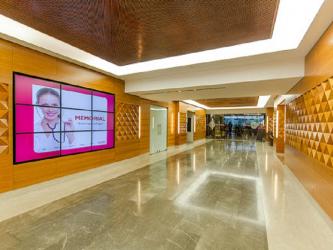
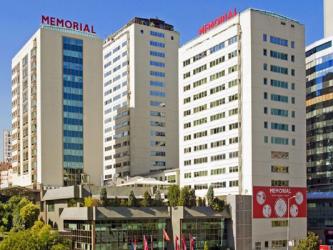
JCI - Joint Commission International MEMORIAL Şişli
International Organization for Standardization (ISO) MEMORIAL Şişli
MEMORIAL Şişli
Istanbul, Turkey
Grand Hospital founded in 1999 200 Beds 53,000 square meters  
4.5 / 5
4.5(34 Reviews)

Certifications :

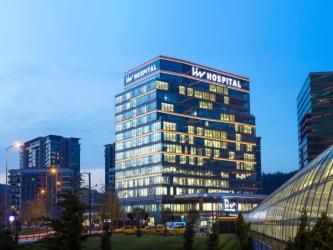
International Organization for Standardization (ISO) LIV Vadistanbul
JCI - Joint Commission International LIV Vadistanbul
LIV Vadistanbul
Istanbul, Turkey
Dr Gönül Özer

Dr Gönül Özer

27 years of experience
Main Specialty : Gynecology Years of Experience : 27 years. Notable Trainings : Dicle University Faculty of Medicine - Bachelor's Degree (1991),Dicle University Faculty of Medicine, Obstetrics and Gynecology - Specialist (1999),Memorial Şişli Hospital, ... Read more
Op. Dr. Gamze Baykan Özgüç

Op. Dr. Gamze Baykan Özgüç

23 years of experience
Main Specialty : Gynecology and Obstetrics Notable Training : Istanbul University Istanbul Faculty of Medicine Professional Experience : Taksim Training and Research Hospital; Avrasya Hospital; Liv Hospital Ulus; private practice; Liv Hospital Vadistanbul ... Read more
4.4 / 5
4.4(11 Reviews)

Certifications :

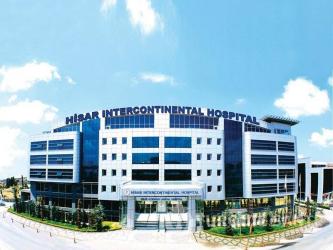
JCI - Joint Commission International HISAR INTERCONTINENTAL
International Organization for Standardization (ISO) HISAR INTERCONTINENTAL
HISAR INTERCONTINENTAL
Istanbul, Turkey
Esra TUŞTAŞ HABERAL, MD

Esra TUŞTAŞ HABERAL, MD

29 years of experience
Main specialty: Gynecology and obstetrics Years of experience: Over 25 years Notable training: Medical degree, University of Istanbul (1997); specialization in gynecology-obstetrics, University of Istanbul, Cerrahpaşa Notable achievements: Winner of ... Read more
Dr. Cemile Elif Erol

Dr. Cemile Elif Erol

8 years of experience
CV verified: Gynecology and Obstetrics. Documented training and professional experience at Marmara University and several hospitals. She graduated from Atatürk University Faculty of Medicine in 2018 and completed her specialization in Obstetrics and ... Read more
4.4 / 5
4.4(222 Reviews)

Certifications :

JCI - Joint Commission International LOKMAN HEKIM ISTANBUL
International Organization for Standardization (ISO) LOKMAN HEKIM ISTANBUL
LOKMAN HEKIM ISTANBUL
Istanbul, Turkey
Assoc. Prof. Dr. Ünal İSAOĞLU

Assoc. Prof. Dr. Ünal İSAOĞLU

18 years of experience
Main Specialty : Gynecology Years of Experience : 18 years. Notable Education : MD, Ataturk University, School of Medicine (2002),Obstetrics and Gynecology Residency, Ataturk University (2008) Mastered Techniques : Gynecologic Oncology, Ovarian Cyst, Myoma, ... Read more
4.7 / 5
4.7(70 Reviews)

Certifications :

International Organization for Standardization (ISO) LIV Ulus
JCI - Joint Commission International LIV Ulus
LIV Ulus
Istanbul, Turkey
Assoc. Prof. Dr. Miraç Özalp

Assoc. Prof. Dr. Miraç Özalp

8 years of experience
Main Specialty : Gynecology Years of Experience : 8 years. Notable Trainings : Subspecialty in Perinatology, Karadeniz Technical University (2018 - 2021); Residency in Obstetrics and Gynecology, Health Sciences University, Istanbul Prof. Dr. Cemil ... Read more
Dr. Kübra Karakolcu

Dr. Kübra Karakolcu

10 years of experience
Main Specialty : Gynecology and Obstetrics Notable Trainings : Tepecik Training and Research Hospital, Istanbul Faculty of Medicine, Heidelberg University - Infertility and Reproductive Medicine Clinic, Agaplesion General Hospital Hagen - Gynecology Clinic, ... Read more
4.7 / 5
4.7(1 Reviews)
DERINDERE
Istanbul, Turkey
Multispeciality Hospital 150 Beds Opened in 2015
4.0 / 5
4.0(2 Reviews)

Certifications :

JCI - Joint Commission International HIZMET By Memorial
International Organization for Standardization (ISO) HIZMET By Memorial
HIZMET By Memorial
Istanbul, Turkey
Multi-specialty hospital of good reputation 7 operating rooms Capacity of 77 beds
4.0 / 5
4.0(2 Reviews)

You have consulted 7 / 31 Hospitals

🩺 Medical note — The content of this page is provided for information purposes and in accordance with our medical charter. It does not constitute medical advice and does not replace a consultation with a healthcare professional. Prices are indicative and will be specified in a personalized quote after reviewing your file. Any treatment must be assessed and approved by a qualified doctor.

What is cervical conization?

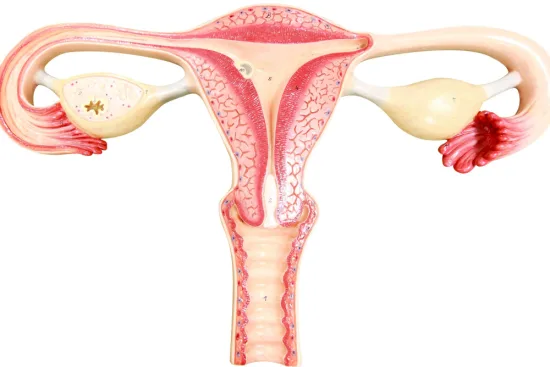
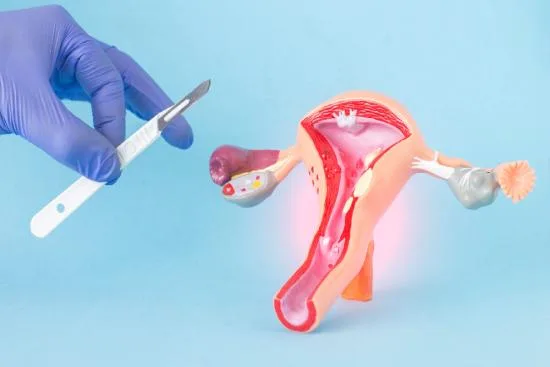
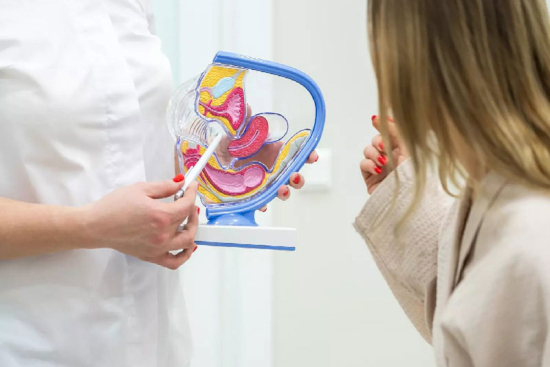
Cervical conization, also called a cone biopsy, is a gynecological surgical procedure in which a cone-shaped section of tissue is removed from the cervix. It is indicated when a Pap smear, colposcopy, or directed biopsy reveals precancerous changes in cervical cells, typically caused by persistent Human Papillomavirus (HPV) infection.

The procedure serves a dual purpose:

  • Diagnostic purpose: the excised tissue is sent for histopathological analysis. This confirms the exact grade of the lesion and rules out invasive cancer, information a biopsy alone does not always provide.
  • Therapeutic purpose: by removing the transformation zone where abnormal cells develop, conization removes the lesion. Some residual or recurrent disease remains possible: in the meta-analysis by Arbyn et al. (Lancet Oncology, 2017),the overall risk of residual or recurrent CIN2 or worse was 6.6%, which is why follow-up is needed.

The operation typically takes 20 to 30 minutes and is performed under local or general anesthesia depending on the technique and the clinical context.

When is cervical conization recommended?

Conization is not the first-line response to every abnormal smear. It is recommended in specific clinical scenarios where the risk of cancer progression is meaningful:

  • CIN 2 or CIN 3 confirmed by colposcopy-directed biopsy, moderate-to-severe dysplasia with transformation zone involvement.
  • Persistent low-grade abnormalities (CIN 1) that remain unchanged after 18-24 months of surveillance.
  • Adenocarcinoma in situ (AIS) of the cervical canal.
  • Unsatisfactory colposcopy: the transformation zone is not fully visible, making a complete assessment impossible.
  • Suspected micro-invasive cervical cancer, requiring full histological evaluation of excision margins.

Situations where conization is postponed or avoided:

  • Active pregnancy (unless absolutely urgent, management is deferred to postpartum).
  • Untreated acute genital infection.
  • Severe, uncontrolled coagulation disorders.

The three main techniques: LEEP, laser & cold knife

Choosing the right technique is a clinical decision made by the gynecologist, based on the size, depth, and histological type of the lesion. Each method has distinct advantages:

Most common: LEEP / LLETZ

The Loop Electrosurgical Excision Procedure (LEEP/LLETZ) uses a thin heated wire loop to remove abnormal cervical tissue with precision.

  • Usually performed under local anesthesia.
  • Outpatient procedure (same-day discharge).
  • Short recovery time.
  • Commonly used for CIN 2-3 lesions.
  • Generally associated with a lower obstetric risk compared to deeper conizations.

High precision: CO₂ laser

Laser conization uses a focused CO₂ laser beam to excise abnormal tissue while minimizing thermal damage to surrounding healthy cervical structures.

  • High surgical precision.
  • Reduced bleeding during the procedure.
  • Particularly useful for anatomically complex lesions.
  • Often preferred in selected fertility-preservation cases.

Complex or suspicious lesions: Cold knife cone

Cold knife conization is the traditional surgical technique performed with a scalpel under regional or general anesthesia.

It is generally reserved for:

  • Large or deep cervical lesions.
  • Glandular abnormalities (AIS).
  • Suspected micro-invasive cervical cancer.

Because the tissue is removed without thermal damage, this method provides the most reliable histological margins for pathology analysis.

How the procedure works: Step by step

Cervical conization is a gynecological procedure usually performed in a hospital setting that allows both treatment and precise diagnosis of cervical lesions. Turquie Santé coordinates the dates with the partner hospital once the specialist has reviewed your file.

Before the procedure

A standard preoperative assessment is completed, and it can be done at the hospital before the procedure.

  1. Blood panel: complete blood count and coagulation testing
  2. Anesthesia review: anesthesiologist consultation and allergy screening
  3. Pelvic evaluation: gynecological exam and colposcopic mapping

Pre-procedure instructions: avoid sexual intercourse for 48 hours before the procedure. Do not use tampons, suppositories, or vaginal creams for the week prior.

During the procedure

The patient is positioned in the standard gynecological position. After anesthesia is administered, the surgeon inserts a speculum and uses a colposcope to visualize the cervix. The cone of tissue, encompassing the entire transformation zone to the required depth, is excised and sent to pathology. No external incisions are made, and no visible scar results.

After the procedure

In most cases, patients are discharged the same day after a short observation period. Mild cramping or light bleeding may occur for a few days and is considered normal.

Final pathology results are usually available within 8 to 15 days, confirming whether all abnormal tissue has been removed. Your gynecologist reviews the results with you and decides whether follow-up or additional treatment is needed.

Recovery timeline after cervical conization

Recovery after cervical conization is usually well tolerated. Many patients return to normal daily life within a few days, but full cervical healing takes several weeks.

  1. Day 0: discharge day. Return home the same day in most cases. Light spotting is normal. Take prescribed anti-inflammatories if mild cramping occurs.
  2. Days 1-28: early healing. Light pinkish discharge or spotting is common, and mild cramping may persist for a few days. Avoid sexual intercourse, tampons and menstrual cups until your gynecologist allows them.

  3. Weeks 4-6: eschar shedding. The natural cervical scab detaches, which can cause a brief increase in discharge. Avoid prolonged baths, swimming pools and the sea to reduce infection risk.
  4. After week 6: the cervix is usually healed. Normal activities may resume with your doctor's clearance.

Long-term surveillance

Conization removes the visible lesion, but HPV may persist. Follow-up is essential and is carried out by your own gynecologist when you return home:

  • 6 months: HPV co-test (Pap smear and HPV test)
  • 12 months: confirmatory check
  • Afterwards: periodic surveillance according to your gynecologist's protocol

Clinical efficacy: what the evidence shows

Excisional treatment of high-grade lesions is not free of failure. In the meta-analysis by Arbyn et al. (Lancet Oncology, 2017),the risk of residual or recurrent CIN2 or worse was 6.6% overall and 17.1% when the excision margins were involved. A positive high-risk HPV test after treatment predicted failure more accurately than margin status. If the lesion recurs, a second procedure or an adapted treatment is usually possible.

Conization and fertility: What every patient should know

This is one of the most common concerns after a diagnosis of cervical lesions, and in most cases the answer is reassuring, with some caveats.

Does conization affect the ability to conceive?

In most cases it does not. The procedure acts on the cervix, not on the ovaries, the uterine cavity or the fallopian tubes, so the ability to conceive is generally maintained (see fertility assessment).

The uncommon exception is stenosis, a narrowing of the cervical canal, which can make pregnancy harder and is usually treated with a minor dilation.

Pregnancy after conization: key considerations

Conception is generally not affected, but the risk of preterm birth is higher, and it increases with the depth of tissue removed and the number of treatments:

  • According to Kyrgiou et al. (BMJ, 2016),the relative risk of delivery before 37 weeks was 1.56 after LEEP, 2.11 after laser conization and 2.70 after cold knife, compared with untreated women.
  • After a wide excision, your obstetrician may advise extra monitoring or, in selected cases, a cervical cerclage during pregnancy.
  • Your gynecologist will tell you how long to wait before trying to conceive, to allow the cervix to heal.
  • Always inform your obstetrician of the previous conization: cervical length may be monitored by ultrasound during pregnancy.

Conization FAQ

How much does conization cost in Turkey?

The price ranges from about $700 to $2,000 depending on the clinic, the technique, the anesthesia and the length of stay. Ask for a personalised quote by sending your Pap smear, colposcopy report and biopsy result.

Does conization affect fertility and pregnancy?

In most cases it does not prevent pregnancy, but it increases the risk of preterm birth, especially after deep conizations. According to Kyrgiou et al. (BMJ, 2016),the relative risk of delivery before 37 weeks was 1.56 after LEEP, 2.11 after laser and 2.70 after cold knife. Always inform your obstetrician of the history.

What follow-up do I need after conization?

Conization removes the visible lesion, but HPV may persist. A Pap smear and HPV test are recommended at 6 months, with a confirmatory check at 12 months, carried out by your own gynecologist when you return home. Ask for a report with the pathology result and the margins.

Other procedures in this specialty

Share this page

Our assistants help you to get the best options in Conization