

Turquie Santé
Last update : 04/09/2026

Surgical Oncology: Advanced Cancer Treatment in Turkey

Access internationally recognized healthcare with substantial savings compared with European prices.

Get a free quote
Surgical oncology Turkey
793+
patient reviews
across all procedures

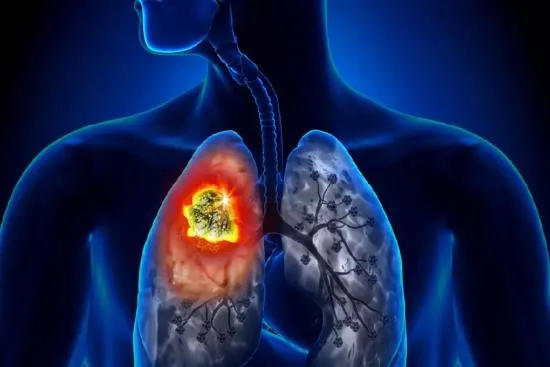
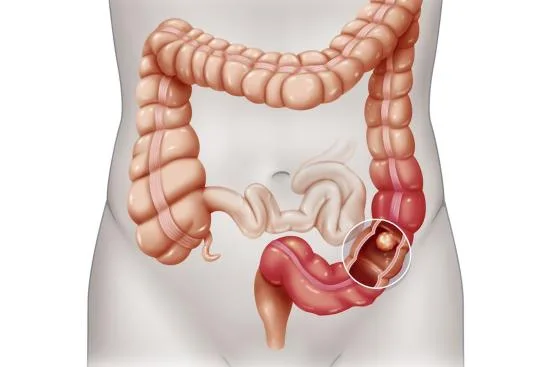
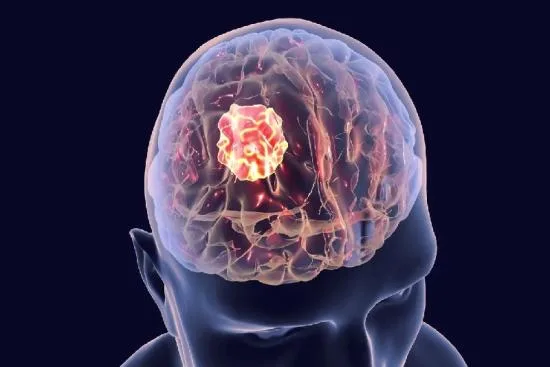
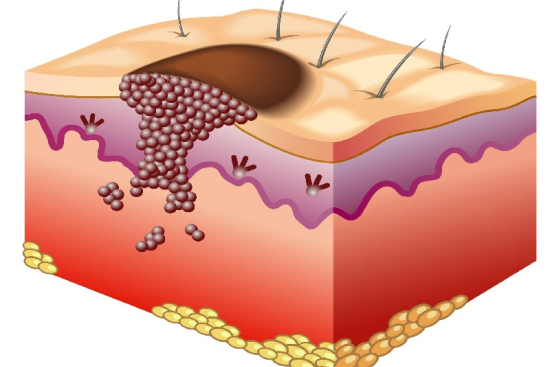
Surgical oncology removes tumors through targeted procedures designed to eliminate cancer before it spreads or advances to other organs. In Turkey, cancer treatment leverages both traditional open surgery and minimally invasive techniques, with outcomes that vary considerably by tumor type, stage, and patient profile rather than a single success rate that applies across all cancers. Turkish cancer centers pair surgical oncologists with medical oncology, radiation specialists, and pathologists to tailor treatment to each patient's specific tumor stage, location, and overall health.

Whether through robotic-assisted procedures, endoscopic techniques, or conventional surgery, the goal remains consistent: maximize tumor removal while preserving quality of life and function. Early intervention removes tumors before metastasis occurs, while advanced cases may require debulking procedures to reduce tumor burden and improve response to subsequent treatment. Recovery timelines vary based on procedure extent, and any surgical intervention carries risks such as bleeding or infection, so an honest discussion with your surgical team about realistic outcomes and alternatives remains essential.


Why choose Surgical oncology with Turquie Santé ?

Chirurgien icon

Accredited surgeons and hospitals (JCI, ISO)

Économie icon

Indicative prices, often lower than in Western Europe depending on the case

Organisation icon

Medical stay organized from A to Z

Prix icon

Detailed quote (included / not included) before your stay

Résultat icon

Free review of your file

All about your Surgical oncology in Turkey
Benefits
Payment

Highly qualified professionals in accredited institutions.


We assist you before, during, and after your trip


A detailed quote is presented to you before your stay. Our support is free for the patient and any fees are specified in advance.

You will pay your clinic directly using these available methods:
Transfer

💶 Surgical oncology price in Turkey

In 2026, expect to pay 7 300 $ - 55 900 $ for a Surgical oncology package in Turkey, depending on the clinic and your situation. Turquie Santé helps you choose verified clinics and qualified doctors for your Surgical oncology, and this guide covers everything you need to know about the procedure.

Send us your request to receive a free, personalized quote.

Between 7 300 $ - 55 900 $

Request a quote

Verified testimonials from our patients

Julien M.
Verified review

Hello, I would like to share my feedback following my surgery in Turkey with the help of Turquie Santé. Overall, it went well. Before the trip, they helped me arrange the appointments and put me in touch with the clinic, which made the process easier..Read more


24/12/2025
This patient was treated for Surgical oncology
Alexeï A.
Verified review

The assessment of my illness was very efficient, and the organization of my surgery was quick and stress-free, with prices that were exactly as quoted. A big thank you to my doctor, Dr. Kadir Guzin, for his professionalism.


12/10/2025
This patient was treated for Surgical oncology
Pauline M.
Verified review

A mastectomy is not just an operation. Before going through it, I had a lot of doubts. After the operation, it took time to recover and to get used to my changed body. Some days were harder than others. Throughout that period, the Turquie Santé team ..Read more


15/06/2026
This patient was treated for Mastectomy
MESROUCHE EL H.
Verified review

I had a PET scan at Hisar Intercontinental. The examination went smoothly, and the staff were professional. I just found the wait for the results a little long.


06/05/2026
This patient was treated for Pet-Scan (Pet-CT)
arbadji Z.
Verified review

very satisfied with the care and quality and competence of the doctors. I have to come back in a few months to continue my care.


17/03/2026
This patient was treated for Oncology-Cancerology
Imane B.
Verified review

I would like to thank the entire Turquie Santé team as well as the Acıbadem Clinic for their warm welcome and great professionalism. The care for my Hodgkin's disease was excellent, from the first consultation to the medical follow-up. I received car..Read more


03/03/2026
This patient was treated for Hodgkin's disease treatment
Jenny Y.
Verified review

I would like to share my experience with Turquie Santé and Memorial Clinic and to thank the coordinator Emily, who took the time to explain every step to me — she speaks French, which was great. She arranged a teleconsultation with Dr. Akin Yildiz, a..Read more


01/03/2026
This patient was treated for Mastectomy
Karima B.
Verified review

very well in general, my father is better after the success of the removal of his brain tumor, I congratulate the doctor Sultan Tarlaci and Kevin who organized everything for me, except the day of my arrival at the airport I struggled to find the dri..Read more


11/02/2026
This patient was treated for Brain cancer treatment
Emily White : Medical Content Team Manager at Turquie Santécheck

Written by

Emily White

This content complies with the editorial policy of Turquie Santé. It was written by Emily White, Head of the Editorial Team, who has over 11 years of experience in scientific research and clinic management in Turkey. She ensures the reliability of medical information while making complex data accessible to everyone.

Doç. Dr. Mustafa Emre ERCİNcheck

Medically reviewed by : Doç. Dr. Mustafa Emre ERCİN

Pathology Specialist

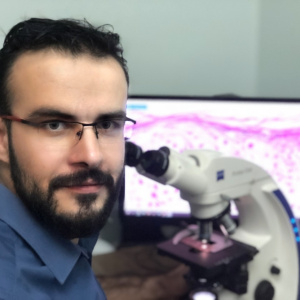
Dr. Mustafa Emre Ercin is an Associate Professor of pathology, an expert in cellular analysis and tissue diagnosis at LHU Ankara. A key link between research and clinical practice, he validates the terminological and diagnostic accuracy of our content, ensuring laboratory analysis explanations are scientifically exact.

Medical review does not replace an individual consultation.

Get a free medical opinion on Surgical oncology with our recognized clinics

Certifications :

International Organization for Standardization (ISO) LOKMAN HEKIM Üniversitesi
LOKMAN HEKIM Üniversitesi
Ankara, Turkey
Assoc.Prof.Yusuf AÇIKGÖZ

Assoc.Prof.Yusuf AÇIKGÖZ

9 years of experience
Main Specialty : Medical Oncology Years of Experience : 9 years. Notable Training : Faculty of Medicine, Internal Medicine, Medical Oncology Mastered Techniques : Clinical Trials, Biostatistics, Immuno-Oncology, Good Clinical Practices Notable Achievements : ... Read more
Assoc. Prof. Dr. Yilmaz Ozdemir

Assoc. Prof. Dr. Yilmaz Ozdemir

24 years of experience
Main Specialty : General SurgeryMastered Techniques : General Surgery, Robotic Surgery, Oncologic Surgery, HIPEC (Hyperthermic Intraperitoneal Chemotherapy),Advanced Laparoscopic SurgeryNotable Achievements : Patient-centered approach, innovative surgical ... Read more
4.7 / 5
4.7(1 Reviews)

Certifications :

International Organization for Standardization (ISO) HISAR INTERCONTINENTAL
JCI - Joint Commission International HISAR INTERCONTINENTAL
HISAR INTERCONTINENTAL
Istanbul, Turkey
Prof Doctor UMMUGUL UYETURK

Prof Doctor UMMUGUL UYETURK

32 years of experience
Verified CV: Medical Oncology. Training: Uludağ University; Internal Medicine at Istanbul Training and Research Hospital; Medical Oncology subspecialty at Ankara Oncology Training and Research Hospital (2008-2011). Headed the Medical Oncology branch at Abant ... Read more
Prof. Dr. Şebnem İZMİR GÜNER

Prof. Dr. Şebnem İZMİR GÜNER

30 years of experience
Main specialty: Clinical and oncological hematology Years of experience: Over 20 years in hematology and oncology Notable training: Medicine at Istanbul University; specialization in internal medicine and hematology at Istanbul University Cerrahpaşa; ... Read more
4.4 / 5
4.4(221 Reviews)

Certifications :

JCI - Joint Commission International LOKMAN HEKIM ISTANBUL
International Organization for Standardization (ISO) LOKMAN HEKIM ISTANBUL
LOKMAN HEKIM ISTANBUL
Istanbul, Turkey
Dr. Orhan ŞENCAN

Dr. Orhan ŞENCAN

38 years of experience
Main Specialty : Medical Oncology and Internal Medicine SpecialistYears of Experience : 27 years.Notable Education : Hacettepe University (Faculty of Medicine),Ankara Training Hospital (Internal Medicine Specialization),Ankara University (Associate ... Read more
4.7 / 5
4.7(69 Reviews)

Certifications :

International Organization for Standardization (ISO) MEMORIAL ANKARA
JCI - Joint Commission International MEMORIAL ANKARA
MEMORIAL ANKARA
Ankara, Turkey
Prof. Dr. Ferit AVCU

Prof. Dr. Ferit AVCU

39 years of experience
Uzm. Dr. Ömer Aşkın DÖĞERLİOĞLU

Uzm. Dr. Ömer Aşkın DÖĞERLİOĞLU

34 years of experience
4.3 / 5
4.3(2 Reviews)

Certifications :

International Organization for Standardization (ISO) MEMORIAL Şişli
JCI - Joint Commission International MEMORIAL Şişli
MEMORIAL Şişli
Istanbul, Turkey
Prof. Betül Tavil

Prof. Betül Tavil

20 years of experience
Main specialty : Pediatric Hematology and OncologyYears of experience : More than 20 years.Key training : Hacettepe University Faculty of Medicine, Dr. Sami Ulus Children’s Hospital, Hacettepe University – Pediatric Hematology.Languages spoken : English, ... Read more
Mehmet Akif Öztürk

Mehmet Akif Öztürk

14 years of experience
Graduated in medicine from Marmara University (2003),specializing in internal medicine (2009) and medical oncology at Cerrahpaşa University (2012). Mandatory service at Hatay Antakya State Hospital (2012-2014),became assistant professor in 2015 and ... Read more
4.5 / 5
4.5(34 Reviews)

Certifications :

International Organization for Standardization (ISO) HIZMET By Memorial
JCI - Joint Commission International HIZMET By Memorial
HIZMET By Memorial
Istanbul, Turkey
Dr. Gülsüm ÇEBİ

Dr. Gülsüm ÇEBİ

4.0 / 5
4.0(2 Reviews)

Certifications :

International Organization for Standardization (ISO) ACIBADEM
JCI - Joint Commission International ACIBADEM
ACIBADEM
Istanbul, Turkey
Dr. Ayşe Sagduyu Kocaman

Dr. Ayşe Sagduyu Kocaman

30 years of experience
Dr.Ender Semiz

Dr.Ender Semiz

30 years of experience
4.6 / 5
4.6(183 Reviews)

You have consulted 7 / 31 Hospitals

🩺 Medical note — This information does not replace professional medical advice. Prices are indicative and confirmed in a personalized quote, and any treatment decision is made with a qualified doctor after reviewing your file.

Surgical Oncology: An Overview

Surgical oncology focuses on tumor removal and tissue management through surgery. It's one piece of a larger puzzle. Oncological surgeons collaborate with medical oncologists, radiation specialists, and pathologists, each bringing distinct expertise to shape treatment strategy.

The goal is simple: eliminate cancer while maintaining function and quality of life. But achieving this requires technical precision, sound clinical judgment, and understanding of how tumors behave. Every patient differs markedly. Tumor location, size, stage, anatomical context, these variables reshape every decision.

In Turkey, specialist oncological surgeons bring extensive training to intricate cases. Many have completed formal fellowships in surgical oncology and hold international certifications. When tumors involve vital organs or have spread to lymph nodes, situations demanding careful dissection and sometimes reconstruction, this background proves invaluable. Cancer treatment in Turkey increasingly involves surgeons with this level of specialization.

Honest conversation starts everything. Patients need clarity: what surgery can realistically achieve, what it cannot, recovery duration, and realistic complication rates. Turkish cancer centers prioritize this dialogue, ensuring genuine informed consent rather than assumption.

Types of Oncologic Surgery

Cancer surgery doesn't follow one template. Each procedure type serves distinct purposes:

  • Curative surgery: Removes the entire tumor plus surrounding tissue at risk. When successful, it offers the best chance for long-term survival, though success hinges on early detection and tumor biology. This isn't guaranteed.
  • Debulking surgery: Removes as much tumor as safely possible when complete removal isn't feasible. The remaining disease shrinks, chemotherapy works better, but cure doesn't result from this alone.
  • Palliative surgery: Addresses cancer-related complications, bowel obstruction, intractable pain, bleeding, improving quality of life without pursuing cure. Still profoundly meaningful for many patients.
  • Reconstructive surgery: Restores function and appearance after tumor removal. Particularly crucial in breast, head and neck, and gynecologic cancers. Without it, surgery becomes functionally or psychologically incomplete.

Selecting the right approach requires multidisciplinary judgment. In Turkey, teams assess imaging, pathology findings, and patient-specific factors, general health, comorbidities, preferences, to recommend the most fitting strategy. Cancer treatment in Turkey involves this careful case-by-case evaluation rather than blanket protocols.

Surgical Techniques in Oncology

Modern cancer surgeons employ varied techniques. Each has strengths and limitations.

  • Open surgery: A larger incision allows direct tumor visualization and removal. Standard for complex cases, large masses, or extensive lymph node dissection. Recovery spans 4 to 8 weeks typically, sometimes longer depending on surgical extent and patient age.
  • Minimally invasive laparoscopic surgery: Small incisions, camera guidance. Advantages? Less postoperative pain, shorter hospital stays (1–2 days usually),quicker return to daily activities. Not suitable for all tumors, though.
  • Robotic-assisted surgery: Laparoscopic precision enhanced by improved visualization and instrument control. Particularly valuable in gynecologic oncologic surgery in Turkey, where delicate dissection near critical structures matters. Recovery parallels laparoscopic timelines.
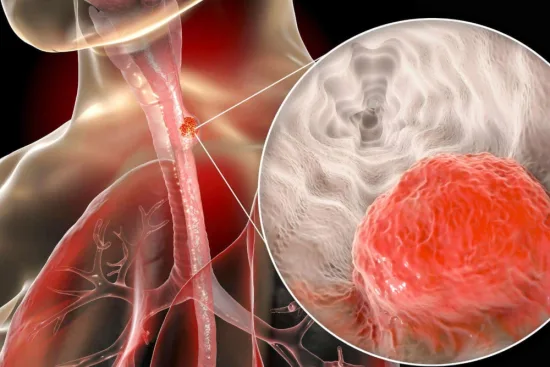
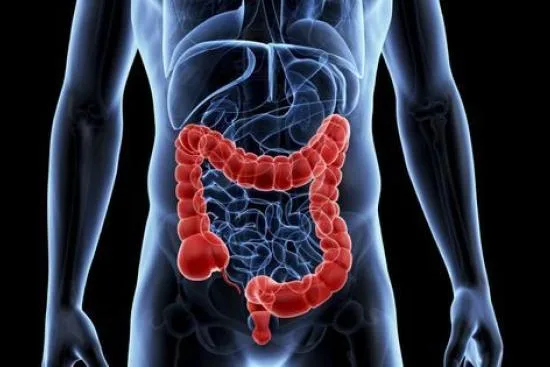
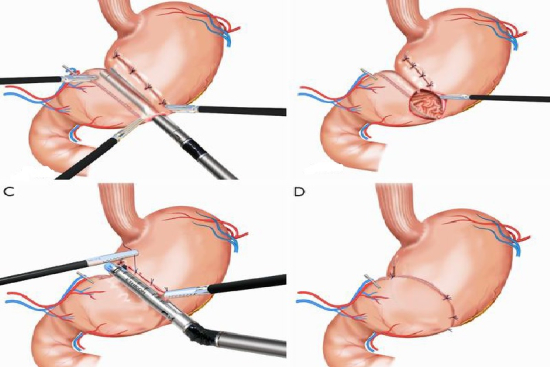
  • Endoscopic resection: For esophageal, gastric, or colonic tumors, endoscopic approaches avoid large incisions, but require surgeon expertise that remains specialized and uncommon.

Turkish cancer centers increasingly offer these advanced options. Availability varies by tumor type, institutional infrastructure, and surgeon training. Open surgery remains the backbone when minimally invasive approaches don't fit the clinical picture.

Choosing Surgical Oncology in Turkey

Surgery is never automatic. The decision emerges from thoughtful conversation between patient and physician, shaped by multiple intersecting factors.

  • Cancer type and stage: Early-stage disease often benefits most from surgery. Cure rates exceed 70% in many scenarios. Advanced cancers may still warrant surgery as part of combined treatment, though expectations shift considerably.
  • Patient age and overall health: Younger, healthier individuals typically tolerate surgery better and recover faster. Older patients or those with multiple comorbidities carry higher surgical risk, requiring thorough preoperative assessment and honest risk discussion.
  • Tumor location and size: Anatomically complex tumors demand specialized expertise. Turkish centers with experienced oncology specialists navigate these challenges, though not all facilities offer equal capability.
  • Patient priorities: Some want aggressive treatment for any curative chance. Others prioritize symptom control and quality of life over aggressive intervention. Neither preference is wrong, both deserve respect and accommodation.

Surgery rarely stands alone. Chemotherapy, radiation, immunotherapy, and targeted drugs offer alternatives or work alongside surgery. The strongest plans typically combine modalities. Cancer treatment hospitals in Turkey emphasize this reality with their patients, ensuring realistic expectations before commitment.

Surgical Oncology vs. Medical Oncology: Key Differences

Patients frequently encounter both surgical and medical oncologists. Their roles often blur. Understanding them clarifies the treatment journey.

Surgical oncology removes tumors operatively. Surgeons diagnose, stage, and treat cancer primarily through intervention, collaborating with other specialists. Technical skill, anatomic mastery, and surgical judgment define their domain, knowing what tissue can be safely removed and what must stay.

Medical oncology specializes in systemic drugs: chemotherapy, immunotherapy, targeted therapies, hormone treatments. Medical oncologists manage medications circulating throughout the body, hunting cancer cells wherever they hide. Long-term follow-up and treatment side effects also fall within their purview.

In actual practice? They complement each other seamlessly. One patient undergoes surgery first to remove the primary tumor, then receives chemotherapy to eliminate microscopic disease. Another receives chemotherapy initially to shrink a large mass, making surgery possible afterward. This integrated approach, surgeons and medical teams working in tandem, optimizes outcomes. Surgeons with deep oncologic experience understand when surgery helps and when it doesn't, coordinating closely with medical colleagues. Turkish cancer centers emphasize this multidisciplinary model strongly. Tumor boards, where surgeons, medical oncologists, radiation specialists, and pathologists convene to discuss individual cases, have become standard in accredited hospitals.

Related medical articles

Surgical oncology FAQ

What types of anesthesia are used in cancer surgery?
The choice of anesthesia depends on surgery type, duration, and patient factors. General anesthesia (complete unconsciousness with breathing support) is standard for most major cancer operations. Regional anesthesia (numbing a specific body region while patient remains awake or sedated) works well for some procedures, such as certain breast or limb surgeries. Local anesthesia with sedation suits minor procedures. Turkish anesthesiologists conduct thorough preoperative evaluations to select the safest approach for each patient, considering age, medical history, and allergies.
What are the risks associated with oncological surgery?
Like any surgery, oncological procedures carry risks. Infection, bleeding, and blood clots can occur with varying frequencies depending on cancer type and surgical complexity. Anesthesia complications, while uncommon, are possible. Organ injury during tumor removal is a concern, particularly with large or complex tumors. Chronic pain or numbness may develop after nerve involvement. Psychological effects, including anxiety about recurrence, deserve attention. Turkish surgeons discuss these risks openly during consultation, and institutional protocols minimize complications through careful technique and rigorous follow-up.
Can cancer surgery promote the spread of cancer?
Surgical resection is the primary curative treatment for cancer, and its benefits for local tumor control and long-term survival are well established. While surgical trauma can theoretically increase the shedding of cancer cells into circulation and modulate metastatic processes, these effects do not negate the overwhelming prognostic benefit of tumor removal. Surgeons use techniques designed to minimize tumor manipulation and cell spillage, such as careful handling, early vessel ligation (cutting blood supply before manipulating the tumor),and en bloc resection (removing the tumor with surrounding tissue as one intact specimen). The goal of surgery is to achieve complete tumor removal, and the evidence demonstrates that the benefits of resection substantially outweigh theoretical risks related to cell dissemination.
When can I resume normal activities after cancer surgery?
Recovery timelines vary widely depending on the type and extent of surgery, your overall health and whether you need further treatment such as chemotherapy or radiotherapy. After minimally invasive (keyhole or robotic) surgery, many people return to light activities within 1 to 2 weeks, but complete recovery usually takes several weeks to a few months (often 6 to 12 weeks, sometimes longer). After major open surgery, normal activities are typically resumed after 6 to 12 weeks, and complete recovery can take 3 to 6 months or longer. Strenuous exercise, heavy lifting and demanding work should be avoided during the initial healing phase, and activity should increase gradually under the guidance of your surgeon. Your surgical team will give you detailed post-operative instructions tailored to your procedure.

Other procedures in this specialty

Share this page

Our assistants help you to get the best options in Surgical oncology