

Turquie Santé
Last update : 06/11/2026

Preimplantation genetic diagnosis (PGD) in Turkey: procedure and prices

Access internationally recognized healthcare from specialist doctors in Turkey.

Free Medical Opinion
Pre-implantative genetic diagnosis (PDI) Turkey
793+
patient reviews
across all procedures

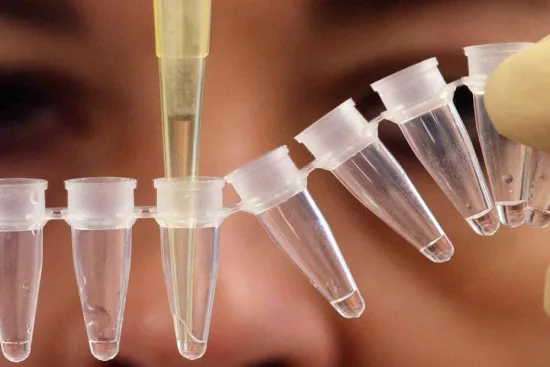
Preimplantation genetic diagnosis (PGD), also called preimplantation genetic testing (PGT),is a laboratory test performed during in vitro fertilization (IVF): a few cells are taken from each embryo and analyzed for genetic or chromosomal abnormalities before an embryo is transferred to the uterus. It is offered to couples with a known genetic risk, repeated miscarriages or failed IVF cycles, and it does not replace the usual pregnancy checks.

In Turkey, PGD is performed at IVF centers in Istanbul and other cities. As a guide, the price usually ranges from €3,500 to €5,500 (indicative; only a written quote is binding). PGD improves the selection of embryos but does not guarantee a pregnancy or a healthy baby. Turquie Santé connects you with partner IVF centers and helps you prepare your file.

Price of preimplantation genetic diagnosis (PGD) in Turkey

As a guide, PGD in Turkey usually costs between €3,500 and €5,500 (indicative; this range is based on partner-clinic quotes, not on an independent price survey). The price depends on the number of embryos analyzed, the type of test (PGT-A, PGT-M or PGT-SR),the clinic, and whether the IVF cycle, medication, embryo freezing and later transfer are included.

Ask the quote to state clearly what is included, and whether it covers the whole IVF cycle or only the genetic test. Send your file to Turquie Santé to receive a written quote, free of charge and with no obligation. The written quote is the only binding price.

Risks and Side Effects

  • Risks of ovarian stimulation: ovarian hyperstimulation syndrome (OHSS),bloating, headaches, mood changes.
  • Risks of egg retrieval: bleeding, infection, rarely injury to a nearby organ, and risks of sedation.
  • Embryo biopsy: it is carried out by experienced embryologists and is generally considered safe, but it cannot be said to be entirely without risk to the embryo.
  • Test limits: false positives or false negatives can occur (PGD does not replace prenatal diagnosis),and mosaic or unclear results are possible.
  • Multiple pregnancy, ectopic pregnancy and miscarriage remain possible, as with any IVF.
  • No embryo may be suitable for transfer, and the cycle may fail.

When PGD may not be advised: few eggs or embryos available, an unclear genetic diagnosis in the family, or health conditions that make ovarian stimulation unsafe. Your doctor will assess this.


How much does Pre-implantative genetic diagnosis (PDI) cost in Turkey

Embryo testWhat it checks
PGT-ANumber of chromosomes
PGT-MOne specific inherited gene disease
PGT-SRStructural chromosome rearrangements
Indicative price of PGD in Turkey€3,500 – €5,500 (depends on the number of embryos, the test and what the quote includes)

Data verified by Turquie Santé in November 2026, based on quotes we prepared for our patients and official rates from our partner clinics in Turkey. Median costs are calculated from real quotes (2025–2026) and updated quarterly. Actual prices may vary depending on the technique and the patient's profile.

Why choose Pre-implantative genetic diagnosis (PDI) with Turquie Santé ?

Médecin icon

Specialist doctors and internationally certified hospitals

Avis icon

Free medical opinion before you travel

Organisation icon

Medical stay organized from A to Z

Prix icon

Detailed quote (included / not included) before your stay

Résultat icon

Free review of your file

All about your Pre-implantative genetic diagnosis (PDI) in Turkey
Overview
Alternative care
Benefits
Payment

Intervention or treatment's duration :

  • Ovarian stimulation: about 10 to 14 days, with ultrasound and blood tests.
  • Egg retrieval: a short procedure under light sedation.
  • Embryo culture and biopsy: embryos are grown for 3 to 5 days before cells are taken.
  • Genetic analysis: the result usually takes several days; embryos are often frozen while waiting for it, and the transfer takes place in a later cycle. The exact timetable is set by the clinic.

Recovery time :

  • Recovery from egg retrieval is usually 1 to 2 days; mild cramps and bloating may last a few days.
  • The embryo transfer itself needs no recovery time.

Alternative treatments
  • IVF without genetic testing.
  • Natural conception followed by prenatal diagnosis (chorionic villus sampling or amniocentesis),which tests the pregnancy rather than the embryo.
  • Gamete or embryo donation or adoption, where permitted by the law of your country (donation is prohibited in Turkey).

Highly qualified professionals in accredited institutions.


We assist you before, during, and after your trip


A detailed quote is presented to you before your stay. Our support is free for the patient and any fees are specified in advance.

You will pay your clinic directly using these available methods:
Transfer

Verified testimonials from our patients

Moustapha N.
Verified review

good care in general.


24/06/2025
This patient was treated for Pre-implantative genetic diagnosis (PDI)
Emily White : Medical Content Team Manager at Turquie Santécheck

Written by

Emily White

This content complies with the editorial policy of Turquie Santé. It was written by Emily White, Head of the Editorial Team, who has over 11 years of experience in scientific research and clinic management in Turkey. She ensures the reliability of medical information while making complex data accessible to everyone.

How it works ?

2
Services
We look for the best option for your case & budget
3
Hospital
Evaluating a care plan with the best quote
4
airplane
Making appointments & Organization of your trip
5
Health care
Ongoing support until you return home

Get a free medical opinion on Pre-implantative genetic diagnosis (PDI) with our recognized clinics

Certifications :

International Organization for Standardization (ISO) LIV Vadistanbul
JCI - Joint Commission International LIV Vadistanbul
LIV Vadistanbul
Istanbul, Turkey
Assoc. Prof. Dr. Çağlar Çetin

Assoc. Prof. Dr. Çağlar Çetin

15 years of experience
Main Specialty : Gynecology and ObstetricsYears of Experience : 15 years.Notable Trainings : Atatürk University Faculty of Medicine-Bachelor’s Degree, Abant İzzet Baysal University Faculty of Medicine Obstetrics and Gynecology- Specialty, Bezmialem Vakıf ... Read more
4.4 / 5
4.4(11 Reviews)

Certifications :

JCI - Joint Commission International HISAR INTERCONTINENTAL
International Organization for Standardization (ISO) HISAR INTERCONTINENTAL
HISAR INTERCONTINENTAL
Istanbul, Turkey
Dr. Fulya Gökdağlı SAĞIR

Dr. Fulya Gökdağlı SAĞIR

13 years of experience
Main Specialty: Gynecology and Obstetrics — Reproductive MedicineYears of Experience: 13 years.Notable Trainings: MD, Istanbul University Cerrahpaşa (2006); OB/GYN Residency, Istanbul Medeniyet University (2007-2013); Observership in Perinatology, ... Read more
4.4 / 5
4.4(221 Reviews)

Certifications :

International Organization for Standardization (ISO) LOKMAN HEKIM ISTANBUL
JCI - Joint Commission International LOKMAN HEKIM ISTANBUL
LOKMAN HEKIM ISTANBUL
Istanbul, Turkey
Op. Dr. Elif Esra UYAR

Op. Dr. Elif Esra UYAR

20 years of experience
Main Specialty: Gynecology and ObstetricsYears of Experience: 20 years.Notable Trainings: Hacettepe University (1995 - 2001),Marmara University (2001 - 2006),Master's Degree in Assisted Reproductive Techniques and Embryology Biotechnology (IVI RMA Global ... Read more
4.7 / 5
4.7(69 Reviews)

Certifications :

JCI - Joint Commission International LIV Ulus
International Organization for Standardization (ISO) LIV Ulus
LIV Ulus
Istanbul, Turkey
Prof. Dr. Doğa Seçkin

Prof. Dr. Doğa Seçkin

20 years of experience
Main Specialty: Gynecology and Obstetrics — Reproductive Endocrinology and InfertilityYears of Experience: 20 years.Notable Trainings: MD, Ankara University (2006); Specialization in Obstetrics and Gynecology, Ankara Dr. Zekai Tahir Burak Women's Health ... Read more
4.7 / 5
4.7(1 Reviews)

Certifications :

International Organization for Standardization (ISO) MEMORIAL Şişli
JCI - Joint Commission International MEMORIAL Şişli
MEMORIAL Şişli
Istanbul, Turkey
MD Ahmet ARPACI

MD Ahmet ARPACI

46 years of experience
Prof. Dr. Ahmet Nevzat Nayır

Prof. Dr. Ahmet Nevzat Nayır

41 years of experience
4.5 / 5
4.5(34 Reviews)

Certifications :

JCI - Joint Commission International HIZMET By Memorial
International Organization for Standardization (ISO) HIZMET By Memorial
HIZMET By Memorial
Istanbul, Turkey
Dr. Gülsüm ÇEBİ

Dr. Gülsüm ÇEBİ

4.0 / 5
4.0(2 Reviews)

Certifications :

International Organization for Standardization (ISO) ACIBADEM
JCI - Joint Commission International ACIBADEM
ACIBADEM
Istanbul, Turkey
Dr. Ayşe Sagduyu Kocaman

Dr. Ayşe Sagduyu Kocaman

30 years of experience
Dr.Ender Semiz

Dr.Ender Semiz

30 years of experience
4.6 / 5
4.6(183 Reviews)

You have consulted 7 / 31 Hospitals

🩺 Medical note — The content of this page is provided for information purposes and in accordance with our medical charter. It does not constitute medical advice and does not replace a consultation with a healthcare professional. Prices are indicative and will be specified in a personalized quote after reviewing your file. Any treatment must be assessed and approved by a qualified doctor.

PGT-A, PGT-M or PGT-SR: which embryo test do you need?

The right test depends on why you are considering PGD. A fertility specialist and a genetic counselor choose it after reviewing your history and, when relevant, your family's genetic results.

TestWhat it looks forTypical situation
PGT-AAbnormal number of chromosomes (aneuploidy)Advanced maternal age, recurrent miscarriage, repeated unsuccessful IVF
PGT-MA specific inherited disease caused by one geneKnown family mutation, for example cystic fibrosis or hemophilia
PGT-SRUnbalanced chromosome rearrangementsOne partner carries a translocation or another structural rearrangement

PGT-M usually requires preparatory work in a genetics laboratory to identify the exact mutation in the family, which can take time before the IVF cycle starts. None of these tests can detect every genetic condition, and a normal result does not exclude all abnormalities.

Is PGD legal in Turkey, and what are the rules?

IVF and embryo testing are regulated in Turkey by the national regulation on assisted reproduction and the centers that perform it. In general, as we understand it:

  • IVF is restricted to married couples using their own eggs and sperm; egg, sperm and embryo donation is prohibited.
  • Embryo testing is accepted for medical reasons, such as a known genetic disease or chromosomal problem.
  • Choosing the sex of an embryo for non-medical reasons is prohibited. Sex selection is only accepted to avoid a sex-linked genetic disease.

Rules and their interpretation can change, and countries differ on what is allowed, including what you may do with embryos afterward. Ask the partner clinic to confirm in writing what applies to your case, and check the law in your own country before starting.

What is preimplantation genetic diagnosis (PGD) and how is it used in Istanbul?

Preimplantation genetic diagnosis (PGD),also called preimplantation genetic testing (PGT),is a test performed during in vitro fertilization (IVF). A few cells are taken from embryos created in the laboratory and analyzed for genetic or chromosomal abnormalities before an embryo is transferred to the uterus. It aims to reduce the risk of passing on a known hereditary disease and to help select embryos with a better chance of implantation, but it does not guarantee a pregnancy or a healthy baby.

What are PGT-A, PGT-M and PGT-SR?

  • PGT-A (aneuploidy screening): looks for an abnormal number of chromosomes.
  • PGT-M (monogenic): looks for a specific inherited disease, such as cystic fibrosis, when the mutation in the family is known.
  • PGT-SR (structural rearrangements): looks for unbalanced chromosome rearrangements when a parent carries one.

How does it work?

PGD involves taking a small biopsy from each embryo at an early stage of development. These cells are analyzed, and only embryos without the abnormality being tested for are considered for transfer.

PGD vs. prenatal diagnosis: what's the difference?

PGD tests embryos before pregnancy. Prenatal diagnosis tests the fetus during pregnancy. PGD cannot replace prenatal diagnosis, because it does not detect every abnormality.

AspectPGDPrenatal Diagnosis
When testing is performedEmbryos are tested before implantation.The fetus is analyzed during pregnancy.
Main purposeHelps avoid transferring embryos affected by the tested condition.Detects anomalies after pregnancy has begun.
Potential outcomeMay reduce the likelihood of a later medical termination.May lead to a decision about pregnancy termination if abnormalities are found.

Interested in PGD in Turkey? Turquie Santé can connect you with partner IVF centers in Istanbul. Request a free initial teleconsultation to discuss your situation.

When PGD is recommended?

Pre-implantation genetic diagnosis (PGD) isn't necessary for every couple undergoing IVF. However, in certain fertility journeys, it can be a crucial step toward achieving a healthy pregnancy, especially when there's an increased risk of genetic or chromosomal complications.

PGD is particularly recommended in the following cases:

  • Family history of genetic disorders, such as cystic fibrosis, muscular dystrophy, or hemophilia.
  • Fertility issues linked to chromosomal abnormalities in either partner.
  • Recurrent miscarriages, often caused by undetected chromosomal issues in the embryos.
  • Advanced maternal age (typically over 38),which increases the likelihood of chromosomal anomalies.
  • Couples who have already had a child with a genetic condition and want to reduce the risk in a future pregnancy.

If any of these situations apply to you, PGD may be a valuable option.

Talk to a specialist. Our network of fertility and genetics experts is here to guide you. Reach out to Turquie Santé today to find out whether PGD in Turkey could be the right step for your parenthood journey.

How does preimplantation genetic diagnosis (PGD) work in Istanbul, Turkey?

PGD takes place as part of an IVF cycle. In Istanbul, a typical course follows these steps:

  1. Ovarian stimulation: hormone injections stimulate the ovaries to produce several eggs.
  2. Egg retrieval: the eggs are collected under light sedation in a short procedure.
  3. Fertilization (IVF or ICSI): the eggs are fertilized in the laboratory with the partner's sperm.
  4. Embryo culture: embryos develop in the laboratory for 3 to 5 days.
  5. Embryo biopsy: a few cells are removed from each embryo. When performed by an experienced team the biopsy is considered safe, but a small risk to the embryo cannot be excluded.
  6. Genetic analysis: the cells are analyzed to detect the abnormality being tested for. Embryos are often frozen while waiting for the result.
  7. Transfer: an embryo without a detectable abnormality is selected and transferred to the uterus, often in a later cycle.

Turquie Santé coordinates your file, appointments and travel. The medical decisions remain with your fertility specialist and genetic counselor.

Benefits of preimplantation genetic testing (PGT)

Preimplantation genetic testing (PGT) can help couples facing a known genetic risk or repeated unsuccessful IVF cycles. The main potential benefits are:

  • Lower risk of passing on a known inherited disease (PGT-M),when the mutation in the family is identified.
  • Selection of chromosomally normal embryos (PGT-A),which can improve the chance of implantation per transfer in some groups of patients; it does not increase the chance of a baby for every patient.
  • Fewer transfers of embryos that are unlikely to implant, which may shorten the time to a pregnancy in some cases.
  • Embryo freezing: healthy embryos not transferred during the first cycle can be frozen for future attempts.

The benefit of PGT depends on your age, your indication and the number of embryos available. Discuss it with your fertility specialist before deciding.

Limitations and considerations of PGD

PGD has benefits, but also limits and risks. Being informed helps you set realistic expectations.

Limitation or risk

Explanation

Longer and costlier than standard IVF

PGD is an additional step in IVF, which means a longer treatment and higher overall costs.

Few embryos available

In some cases there are not enough embryos to test, or none is suitable for transfer, and the cycle ends without a transfer.

Test accuracy

False positives and false negatives can occur, and results can be unclear (for example mosaic embryos). PGD does not replace prenatal diagnosis.

Embryo biopsy

The biopsy is considered safe in experienced hands, but a small risk of damage to the embryo cannot be excluded.

IVF risks

Ovarian hyperstimulation syndrome, bleeding or infection at egg retrieval, multiple pregnancy, ectopic pregnancy and miscarriage are possible, as in any IVF.

No guarantee

PGD can improve the selection of embryos but does not guarantee a pregnancy or a healthy baby.

The rules on embryo selection differ between countries. Check the legal framework in Turkey and in your own country before starting. Send your medical file to Turquie Santé to obtain a personalized plan from partner clinics.


What is the success rate of PGD in Turkey?

There is no single success rate for PGD. Success depends mainly on the woman's age when the eggs are retrieved, the number and quality of embryos, the reason for PGD and the clinic.

  • Age is the main factor: the chance of a live birth per embryo transfer is higher with eggs from younger women.
  • Results should be given per embryo transfer and per started cycle, because these figures differ. A rate quoted per transfer will look higher than a rate per started cycle.
  • Some cycles end without any embryo suitable for transfer.

Before choosing a clinic, ask it for its own results by age group, how they are calculated, and the number of cycles behind them. Published rates from clinics are not independently verified, and no result is guaranteed. Contact Turquie Santé for an evaluation of your file and a comparison of partner clinics.

How to choose a PGD clinic in Turkey: questions to ask

Before booking, ask the clinic for written answers to these questions:

  • Which genetic laboratory analyzes the biopsies, and is it accredited? Who performs the embryo biopsy and how many have they done?
  • Which test do you recommend for my situation (PGT-A, PGT-M or PGT-SR),and why?
  • What are your results for patients of my age, per embryo transfer and per started cycle?
  • What does the quote include: stimulation medication, egg retrieval, ICSI, biopsy, genetic analysis, embryo freezing and transfer?
  • What happens if there are no embryos to test or no embryo is suitable for transfer?
  • How long will I need to stay in Turkey, and will I need to come back for a frozen embryo transfer?
  • Who follows me after I return home, and how are results shared with my own doctor?

Turquie Santé is a coordination service, not a medical provider: it can help you collect this information from partner clinics, but treatment decisions are made by the clinic's doctors.

Related medical articles

Pre-implantative genetic diagnosis (PDI) FAQ

What is the difference between PGD and PGT?

PGD (preimplantation genetic diagnosis) is the older term. PGT (preimplantation genetic testing) is the term now preferred and covers three types: PGT-A for chromosome number, PGT-M for a specific inherited disease and PGT-SR for chromosome rearrangements. In practice, clinics often use both names for the same embryo test performed during IVF.

How much does PGD cost in Turkey?

As a guide, PGD in Turkey usually costs between €3,500 and €5,500. The price depends on the number of embryos analyzed, the type of test and the clinic, and the quote should say whether the IVF cycle, medication and embryo freezing are included. Only the written quote is binding.

What are the risks of PGD?

PGD requires IVF, so it carries the risks of ovarian stimulation (including ovarian hyperstimulation syndrome),egg retrieval and embryo transfer, such as multiple pregnancy, ectopic pregnancy and miscarriage. The embryo biopsy is considered safe in experienced hands, but a small risk to the embryo cannot be excluded. The test can give false or unclear results, so prenatal diagnosis may still be recommended during pregnancy.

Can PGD be used to choose the baby's sex in Turkey?

No, not for non-medical reasons. In Turkey, selecting an embryo's sex is prohibited unless it is done to avoid a sex-linked genetic disease. Ask the clinic to confirm the rules that apply to your case in writing.

How long does a PGD cycle take?

Ovarian stimulation takes about 10 to 14 days, followed by egg retrieval, fertilization and 3 to 5 days of embryo culture before the biopsy. Genetic analysis takes several days, so embryos are often frozen and transferred in a later cycle. For PGT-M, preparatory genetic work before the cycle can add time. The clinic sets the exact schedule and tells you how long to stay in Turkey.

Who is PGD not suitable for?

PGD may not be advised when few eggs or embryos are expected, when the genetic cause in the family is unclear, or when health conditions make ovarian stimulation unsafe. It is also not necessary for every couple having IVF. A fertility specialist and a genetic counselor assess this from your file.

Does PGT-A increase the chance of having a baby?

It depends on the patient. Transferring chromosomally normal embryos can improve the chance of implantation per transfer and lower the miscarriage risk in some groups, for example older women, but it does not increase the chance of a baby for every patient, and some cycles end with no suitable embryo. Ask your doctor what to expect for your age and history.

Other procedures in this specialty

Share this page

Our assistants help you to get the best options in Pre-implantative genetic diagnosis (PDI)