

Turquie Santé
Last update : 12/11/2026

Catheter Ablation for Atrial Fibrillation: Techniques, Risks and Treatment in Turkey

Access internationally recognized healthcare with substantial savings compared with European prices.

Free Medical Opinion
Catheter Ablation for Atrial Fibrillation Turkey
794+
patient reviews
across all procedures

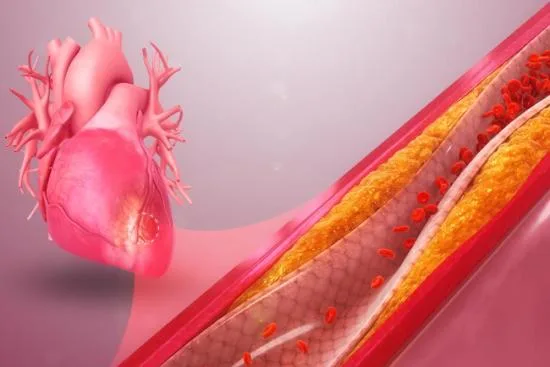
Palpitations, fatigue and breathlessness can be signs of atrial fibrillation, a heart rhythm disorder marked by rapid, irregular electrical activity in the upper chambers of the heart (the atria). This arrhythmia can reduce quality of life and raise the risk of stroke and heart failure. For eligible patients, catheter ablation can reduce recurrences and symptoms, particularly when medication is ineffective or poorly tolerated.

The procedure is not suitable for everyone and does not guarantee that the arrhythmia will disappear permanently. In some cases it may also be considered as a first-line treatment, notably for symptomatic paroxysmal forms. This article explains its indications, how it is performed and how treatment in Turkey can be organised.

How Much Does Atrial Fibrillation Ablation Cost in Turkey?

At Turquie Santé, the price of atrial fibrillation ablation is set after reviewing your medical file and cardiology tests. It depends in particular on the technique chosen (radiofrequency or cryoablation),whether a 3D mapping system is used and the complexity of the procedure.

To prepare your quote, our teams send your file to a partner cardiologist specialising in heart rhythm disorders, who assesses your situation and specifies the proposed treatment.

The quote itemises the costs of the procedure and the services included in your stay, so you know the budget to plan for before organising your treatment in Turkey.

Send your cardiology file to Turquie Santé to receive a personalised estimate.

Why choose Catheter Ablation for Atrial Fibrillation with Turquie Santé ?

Chirurgien icon

Accredited surgeons and hospitals (JCI, ISO)

Économie icon

Indicative prices, often lower than in Western Europe depending on the case

Organisation icon

Medical stay organized from A to Z

Prix icon

Detailed quote (included / not included) before your stay

Résultat icon

Free review of your file

All about your Catheter Ablation for Atrial Fibrillation in Turkey
Benefits
Payment

Highly qualified professionals in accredited institutions.


We assist you before, during, and after your trip


A detailed quote is presented to you before your stay. Our support is free for the patient and any fees are specified in advance.
You will pay your clinic directly using these available methods:
Transfer
Emily White : Medical Content Team Manager at Turquie Santécheck

Written by

Emily White

This content complies with the editorial policy of Turquie Santé. It was written by Emily White, Head of the Editorial Team, who has over 11 years of experience in scientific research and clinic management in Turkey. She ensures the reliability of medical information while making complex data accessible to everyone.

How it works ?

2
Services
We look for the best option for your case & budget
3
Hospital
Evaluating a care plan with the best quote
4
airplane
Making appointments & Organization of your trip
5
Health care
Ongoing support until you return home

Get a free medical opinion on Catheter Ablation for Atrial Fibrillation with our recognized clinics

Certifications :

International Organization for Standardization (ISO) MEMORIAL Şişli
JCI - Joint Commission International MEMORIAL Şişli
MEMORIAL Şişli
Istanbul, Turkey
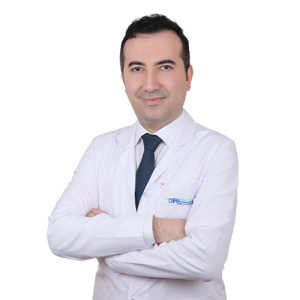
MD Ahmet ARPACI

MD Ahmet ARPACI

46 years of experience
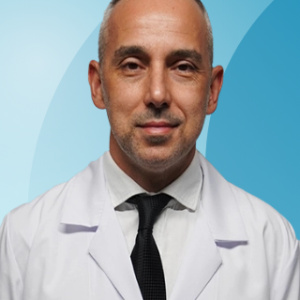
Prof. Dr. Ahmet Nevzat Nayır

Prof. Dr. Ahmet Nevzat Nayır

41 years of experience
4.5 / 5
4.5(34 Reviews)

Certifications :

JCI - Joint Commission International LIV Vadistanbul
International Organization for Standardization (ISO) LIV Vadistanbul
LIV Vadistanbul
Istanbul, Turkey
Prof. Dr. Murat Uğurlucan

Prof. Dr. Murat Uğurlucan

19 years of experience
Main Specialty : Cardiovascular Surgery Notable Training : Marmara University, Faculty of Medicine; Istanbul University, Istanbul Faculty of Medicine, Cardiovascular Surgery Residency Training; Istanbul University, Faculty of Open and Distance Education, ... Read more
Prof. Dr. Mehmet Vefik Yazıcıoğlu

Prof. Dr. Mehmet Vefik Yazıcıoğlu

26 years of experience
Main Specialty : Cardiology Years of Experience : 26 years. Notable Training : Dicle University Faculty of Medicine (undergraduate, 1988-1994); cardiology specialization, Istanbul Dr. Siyami Ersek Thoracic and Cardiovascular Surgery Training and Research ... Read more
4.4 / 5
4.4(11 Reviews)

Certifications :

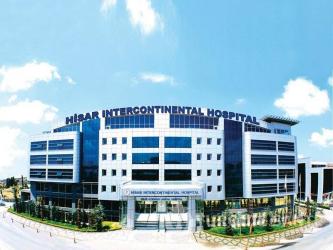
International Organization for Standardization (ISO) HISAR INTERCONTINENTAL
JCI - Joint Commission International HISAR INTERCONTINENTAL
HISAR INTERCONTINENTAL
Istanbul, Turkey
Professor Mustafa SAĞLAM, MD

Professor Mustafa SAĞLAM, MD

32 years of experience
Main specialty: Interventional cardiology Years of experience: Over 30 years Notable training: Medical degree, Marmara University (1994); specialization in cardiology, Koşuyolu Heart Training and Research Hospital (2000); associate professor, Kartal ... Read more
PROF. İBRAHİM HALİL TANBOĞA, M.D.

PROF. İBRAHİM HALİL TANBOĞA, M.D.

21 years of experience
Main specialty: Interventional cardiology (coronary diseases, valvular diseases, arrhythmias, pacemakers, peripheral arterial diseases) Years of experience: Over 21 years Notable training: Medical degree from Dicle University, specialization in ... Read more
4.4 / 5
4.4(222 Reviews)

Certifications :

International Organization for Standardization (ISO) LOKMAN HEKIM ISTANBUL
JCI - Joint Commission International LOKMAN HEKIM ISTANBUL
LOKMAN HEKIM ISTANBUL
Istanbul, Turkey
Assoc.Prof. Dr. Halil AKIN

Assoc.Prof. Dr. Halil AKIN

15 years of experience
Main Specialty : Cardiology Years of Experience : 15 years. Notable Education : Bachelor of Medicine, I.U. Cerrahpasa Faculty of Medicine (1999 - 2005),Specialization at Tigris University (2007 – 2011) Mastered Techniques : Congenital heart diseases, ... Read more
Assoc. Prof. Dr. Burak Teymen

Assoc. Prof. Dr. Burak Teymen

26 years of experience
Main Specialty : Cardiology Years of Experience : 26 years. Notable Training : Hacettepe University Faculty of Medicine, Ankara (2000); Cardiology, Maltepe University, Istanbul (2005) Mastered Techniques : Interventional coronary procedures, treatment of ... Read more
4.7 / 5
4.7(69 Reviews)

Certifications :

JCI - Joint Commission International LIV Ulus
International Organization for Standardization (ISO) LIV Ulus
LIV Ulus
Istanbul, Turkey
Prof. Dr. Enis Oğuz

Prof. Dr. Enis Oğuz

34 years of experience
Main Specialty : Cardiology Notable Training : Faculty of Medicine, İstanbul University; Department of Electrophysiology, University of Leipzig – Heart Center, Germany Mastered Techniques : Cardiac Rhythm Disorders; Pacemaker Implantations; ... Read more
Prof. Dr. Gökhan Ertaş

Prof. Dr. Gökhan Ertaş

16 years of experience
Main Specialty : Cardiology Years of Experience : 16 years. Notable Training : MD, Istanbul University Faculty of Medicine; cardiology specialization, Kocaeli University Faculty of Medicine (2005-2010); Professor of Cardiology (since 2020); research ... Read more
4.7 / 5
4.7(1 Reviews)
DERINDERE
Istanbul, Turkey
OP. DR. MEHMET YAVUZ ÇIRPICI

OP. DR. MEHMET YAVUZ ÇIRPICI

37 years of experience
4.0 / 5
4.0(2 Reviews)

Certifications :

International Organization for Standardization (ISO) HIZMET By Memorial
JCI - Joint Commission International HIZMET By Memorial
HIZMET By Memorial
Istanbul, Turkey
Dr. Gülsüm ÇEBİ

Dr. Gülsüm ÇEBİ

Doç. Dr. Arzu Yurci

Doç. Dr. Arzu Yurci

4.0 / 5
4.0(2 Reviews)

You have consulted 7 / 31 Hospitals

🩺 Medical note — The content of this page is provided for information purposes and in accordance with our medical charter. It does not constitute medical advice and does not replace a consultation with a healthcare professional. Prices are indicative and will be specified in a personalized quote after reviewing your file. Any treatment must be assessed and approved by a qualified doctor.

What Is Catheter Ablation for Atrial Fibrillation?

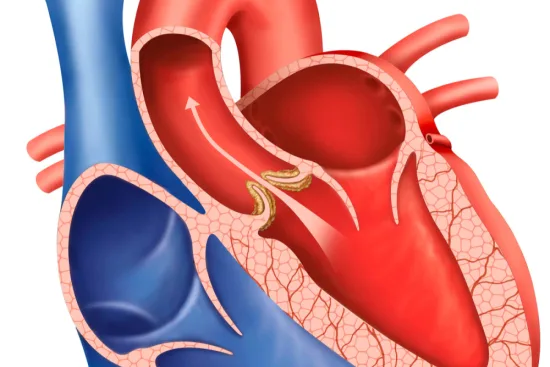
Catheter ablation is a procedure that treats the areas of the heart involved in triggering or sustaining atrial fibrillation. It usually relies on electrically isolating the pulmonary veins, where they join the left atrium, a frequent source of abnormal electrical signals.

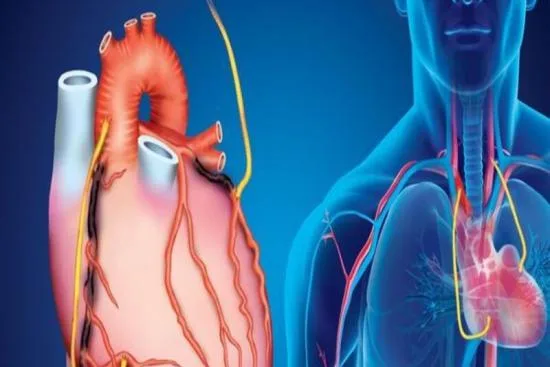
To perform it, the cardiologist inserts thin, flexible tubes called catheters into a vein, most often in the groin. They are guided up to the heart, then into the left atrium by crossing the wall that separates the two atria. The doctor then creates targeted lesions around the pulmonary veins to block abnormal electrical signals from reaching the atrium. This isolation forms an electrical barrier that helps prevent episodes of atrial fibrillation.

Atrial Fibrillation: Forms, Symptoms and Risks

Atrial fibrillation is an arrhythmia in which the electrical activity of the atria is disorganised, often producing an irregular rhythm. There are four forms:

  • Paroxysmal: episodes stop on their own, or with treatment, within 7 days of starting.
  • Persistent: the fibrillation does not stop on its own and generally lasts longer than 7 days. A procedure such as cardioversion may be needed to restore sinus rhythm.
  • Long-standing persistent: atrial fibrillation has been continuous for at least 12 months, but a strategy to restore sinus rhythm is still being considered.
  • Permanent: the patient and doctor have jointly decided to stop trying to restore sinus rhythm.

Possible symptoms include palpitations, breathlessness, fatigue, dizziness and reduced tolerance to exercise. Some people, however, have no symptoms at all.

Atrial fibrillation encourages blood clots to form in the heart, which can travel to the brain and cause a stroke. It can also impair heart function or worsen existing heart failure. The level of risk varies according to age, associated conditions and cardiovascular risk factors, among other things.

When Should Catheter Ablation Be Considered?

Ablation may be discussed in several situations:

  • Persistent or recurrent symptoms: when atrial fibrillation remains symptomatic despite antiarrhythmic treatment, or when that treatment is poorly tolerated or contraindicated.
  • First-line treatment: in some patients with symptomatic paroxysmal atrial fibrillation, ablation can be offered without first trying antiarrhythmic drugs.
  • Heart failure: in some patients with a reduced left ventricular ejection fraction, particularly when atrial fibrillation is contributing to the decline in heart function.

According to the 2024 guidelines of the European Society of Cardiology (ESC),catheter ablation can be considered as first-line treatment in the paroxysmal form, and as second-line treatment in the persistent form when antiarrhythmic drugs are not enough. Ablation is therefore not automatic at the time of diagnosis. The decision rests on a cardiology assessment and a discussion between the patient and the medical team, after contributing factors (high blood pressure, sleep apnoea, obesity, alcohol, diabetes) have been addressed.

A cardiologist specialising in heart rhythm disorders, or an electrophysiologist, can assess whether this procedure is right for your medical situation.

What Tests Are Needed Before the Procedure?

Before the procedure, a work-up confirms the diagnosis, assesses the condition of the heart and prepares for the intervention. Tests are tailored to each patient's history, symptoms and treatments. They may include:

  • An electrocardiogram (ECG) to document the atrial fibrillation and analyse the heart rhythm.
  • A Holter ECG or another rhythm-monitoring device: to detect intermittent episodes and assess how often they occur and how long they last.
  • Echocardiography: to examine the size of the heart chambers, ventricular function and any valve abnormalities.
  • Cardiac imaging (CT scan or MRI): when needed, to clarify the anatomy of the left atrium and pulmonary veins or to look for certain abnormalities.
  • Blood tests: depending on the context, to check kidney function, electrolytes and thyroid function, among other things.

Other tests may be requested depending on the patient's profile and the ablation technique being considered.

Radiofrequency, Cryoablation or Pulsed Field: Which Technique?

The three main techniques for atrial fibrillation ablation all aim to electrically isolate the pulmonary veins to stop the signals that cause the arrhythmia from spreading. They differ in the energy source used and in certain specific risks.

ParameterRadiofrequencyCryoablationPulsed field ablation (PFA)
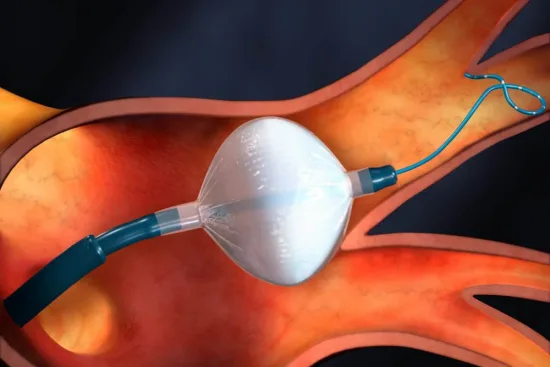
PrincipleUses heat to create targeted lesions around the pulmonary veins.Uses cold to isolate the pulmonary veins, generally with a cryoablation balloon.Uses brief, high-intensity electrical pulses to cause irreversible electroporation of heart cells.
Key featuresUsually applied point by point, often guided by 3D electroanatomical mapping.The balloon is positioned in turn at the entrance of each pulmonary vein.Non-thermal technique that preferentially targets heart muscle tissue.
Points to watchRisk of thermal injury to neighbouring structures, notably the oesophagus; other vascular or cardiac complications are possible.Possible damage to the phrenic nerveLess long-term experience; other specific effects are still being studied

The randomised ADVENT trial showed that pulsed field ablation was non-inferior to radiofrequency or cryoablation for efficacy and safety at one year in patients with paroxysmal atrial fibrillation. The results do not, however, demonstrate any general superiority of this technology.

Longer-term follow-up data are encouraging, but the results still need to be confirmed in larger populations and with different devices.

No technique is systematically better than the others. The choice depends on the anatomy of the heart, the form of atrial fibrillation, the patient's history, the electrophysiologist's experience and the equipment available at the facility.

How Is the Procedure Performed?

Catheter ablation takes place in several stages, in a room specialised in electrophysiology:

  1. Preparation: the work-up is checked, and your anticoagulants and other medications are managed according to medical instructions.
  2. Anaesthesia or sedation, depending on the technique and protocol.
  3. Insertion of the catheters through the groin and guidance to the heart.
  4. Isolation of the pulmonary veins using the chosen technique.
  5. Checking the result: the team tests the electrical isolation of the pulmonary veins to confirm that abnormal signals can no longer spread.
  6. Removal of the catheters and monitoring: the catheters are withdrawn, then the patient is monitored to detect any early complications.

Duration, type of anaesthesia and monitoring vary with the technique and the patient: the electrophysiology team will confirm them for you.

What Are the Risks of Catheter Ablation?

Catheter ablation is generally well tolerated, but like any invasive procedure it carries risks. The most common side effects are bruising, pain or bleeding at the puncture site, usually in the groin.

Rarer, sometimes serious complications can also occur:

  • Vascular complications: major bleeding, an extensive haematoma or injury to a vessel where the catheters are inserted.
  • Pericardial effusion or cardiac tamponade: fluid or blood building up around the heart, which can interfere with its function and require drainage.
  • Stroke or transient ischaemic attack (TIA): linked to a blood clot forming or travelling during the procedure.
  • Pulmonary vein stenosis: narrowing of one or more pulmonary veins after ablation, now rare with current techniques.
  • Phrenic nerve injury: a complication particularly associated with cryoablation, which can cause breathing difficulty.
  • Atrio-oesophageal fistula: an abnormal connection between the left atrium and the oesophagus. This exceptional but potentially serious complication is mainly associated with thermal techniques.

How often complications occur depends on the patient's health, the technique used and the team's experience. Before the procedure, discuss with the electrophysiologist the risks specific to your situation and the measures in place to prevent them.

Recovery, Blanking Period and Follow-Up After Ablation

After the procedure, you remain under medical supervision so that your general condition and the puncture site can be checked. Activities resume gradually, following the medical team's instructions. Palpitations, chest discomfort or fatigue may occur in the first days after ablation.

Cardiology follow-up is then arranged to monitor the heart rhythm and assess the results of treatment.

The blanking period covers the first eight weeks after ablation, according to the 2024 international EHRA/HRS/APHRS/LAHRS expert consensus. During this time, episodes of atrial fibrillation or other rhythm disturbances can still occur without necessarily meaning that the procedure has failed. They may be related, among other things, to inflammation and to the healing of heart tissue.

These episodes should nonetheless be reported to the cardiologist, who will decide whether further monitoring or treatment is needed. The end of the blanking period does not mean the end of follow-up: regular cardiology monitoring remains essential.

Is Atrial Fibrillation Ablation Effective and Permanent?

Ablation can significantly reduce episodes, improve symptoms and quality of life, and lower the overall burden of fibrillation. However, it does not guarantee that the rhythm disorder will disappear permanently. Some patients have new episodes and may need additional medication or a second procedure.

Success depends on the form of the condition (paroxysmal or persistent),how long it has been present, the size and condition of the atria, associated conditions, risk factors (weight, sleep apnoea, high blood pressure, alcohol),the technique used and the quality of follow-up.

It is therefore important to distinguish between documented absence of recurrence, improvement in symptoms and a definitive cure. The success of ablation is judged against the goals set with your cardiologist, and no permanent disappearance of the arrhythmia can be guaranteed.

Should You Continue Anticoagulants After Ablation?

Whether to continue anticoagulants depends on your individual stroke risk and on medical advice. A successful ablation does not, on its own, justify stopping them.

The 2024 ESC guidelines recommend keeping an anticoagulant for at least 2 months after ablation, whatever the estimated risk. After that, the decision rests on an assessment of thromboembolic risk (CHA₂DS₂-VA score),regardless of the rhythm observed. Never stop an anticoagulant on your own, even if you have no palpitations.

What Are the Alternatives to Ablation?

Several treatments may be considered depending on symptoms, the form of atrial fibrillation and the patient's cardiovascular profile:

  • Antiarrhythmic drugs: help maintain a normal heart rhythm and limit recurrences.
  • Rate-control medication: controls the heart rate without necessarily restoring normal rhythm.
  • Anticoagulants: reduce the risk of stroke linked to clot formation. Whether they are prescribed depends on thromboembolic risk, independently of rhythm control.
  • Electrical cardioversion: uses a controlled electric shock to restore normal rhythm temporarily.
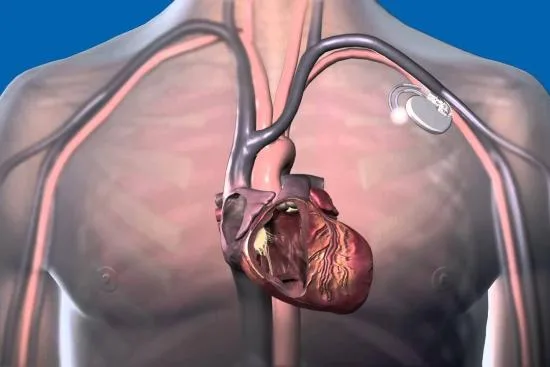
  • Atrioventricular node ablation with a pacemaker: reserved for certain forms of fibrillation that are hard to control when other treatments are not enough. It controls the heart rate but does not eliminate atrial fibrillation.

The choice of treatment depends on the form of fibrillation, symptoms, stroke risk, associated conditions and the patient's preferences.

Other procedures in this specialty

Share this page

Our assistants help you to get the best options in Catheter Ablation for Atrial Fibrillation