


The duodenal switch is a bariatric procedure that combines restrictive and malabsorptive mechanisms to produce substantial, sustained weight loss, particularly for patients with severe obesity or those whose previous weight loss surgery has proven insufficient. Unlike gastric bypass or sleeve gastrectomy alone, it reorganizes the small intestine to reduce both food intake and calorie absorption, achieving greater excess weight loss and higher diabetes remission rates than either procedure alone. This effectiveness comes with a trade-off: the malabsorptive component increases the long-term risk of vitamin and mineral deficiencies, requiring lifelong supplementation and monitoring.
This procedure has gained momentum in Turkey, where specialized bariatric centers have developed the surgical expertise and nutritional protocols to support its complexity. Cost varies by clinic and case but remains competitive compared to other developed countries, and clinics partnered with Turquie Santé can provide a free medical evaluation to help guide your decision with complete transparency.
Cost of the duodenal switch in Turkey
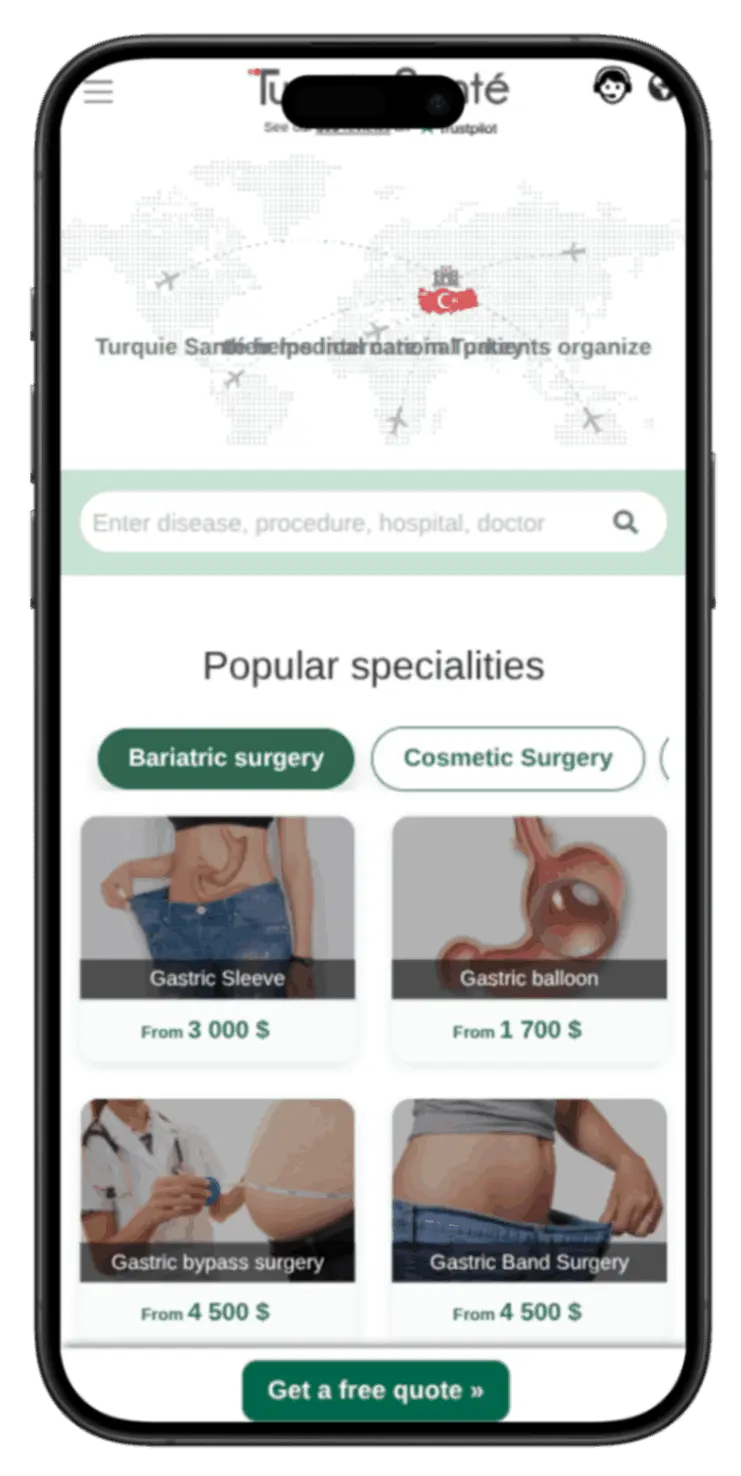
In our partner clinics in Turkey, the duodenal switch procedure costs between $4,500 and $7,500. The final price depends on your clinical needs, the clinic you select and what the package includes, and is given in a detailed quote after a specialist reviews your medical file.
Turquie Santé organises the review of your file by a specialist, the detailed quote, airport pick-up, transfers, an interpreter and assistance 7 days a week.
Risks and Side Effects
- Nutritional deficiencies (fat-soluble vitamins A, D, E and K, B12, iron, calcium, protein),which require lifelong supplements and blood tests.
- Leak at a connection, bleeding, infection and blood clots, as with any major abdominal surgery.
- Internal hernia or bowel obstruction, which can need another operation.
- Gallstones, loose or fatty stools, and bloating.
- Partial weight regain over time, and risks linked to general anesthesia.
Your personal risk is assessed by the surgeon, who also checks contraindications such as unstable psychiatric illness, substance dependence, pregnancy or severe digestive disease.