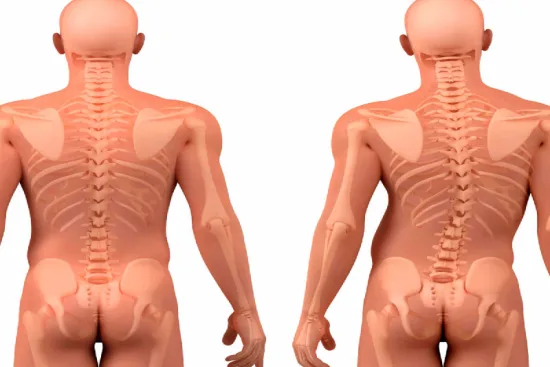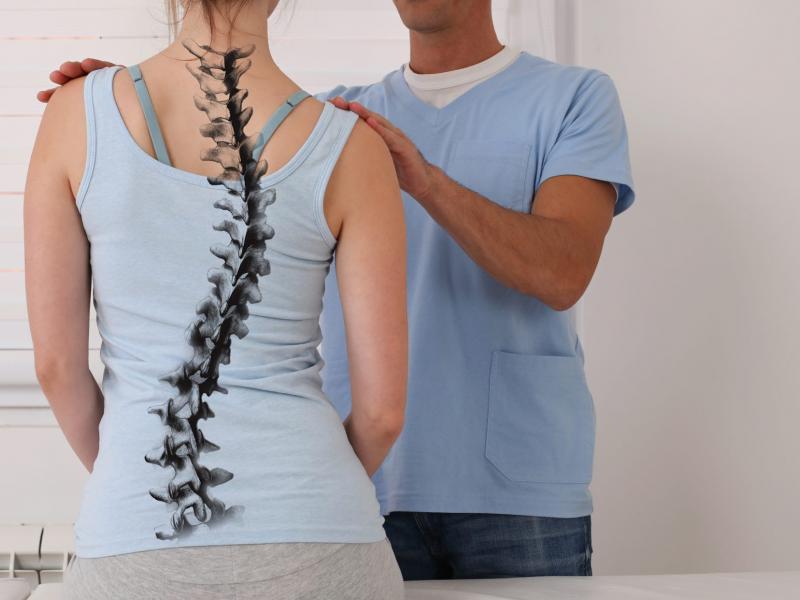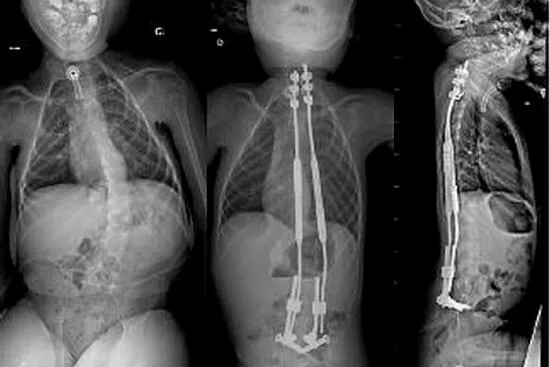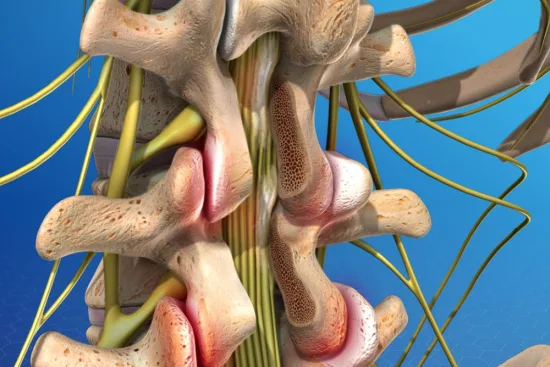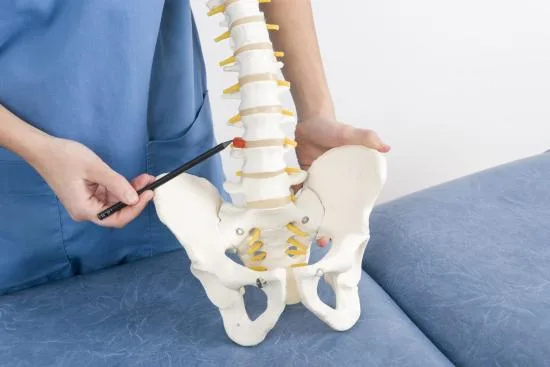



Around 3 in every 100 people develop scoliosis, yet only a fraction will ever need surgery. Scoliosis surgery becomes relevant when spinal curvature exceeds 40 to 50 degrees, causes persistent pain, or begins to compromise breathing and cardiac function, situations where observation alone is no longer enough. The spine does not correct itself, and that is the hard reality most patients take time to accept, not always easily, especially after years of bracing and physiotherapy. When conservative management reaches its limits, spinal fusion with instrumentation offers a structured path toward stabilization and realignment.
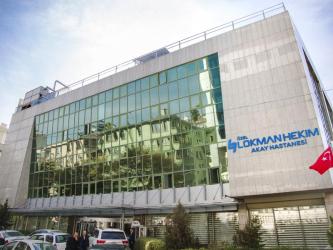
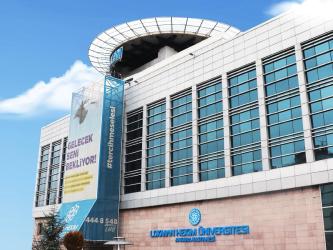
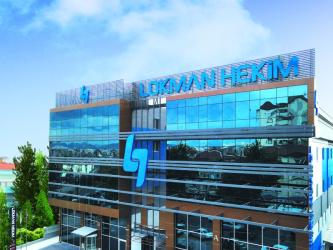
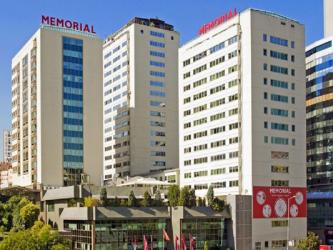
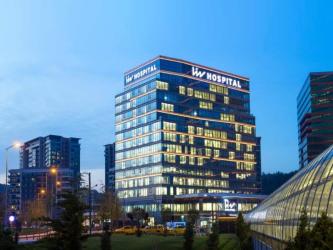
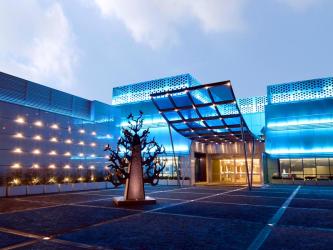
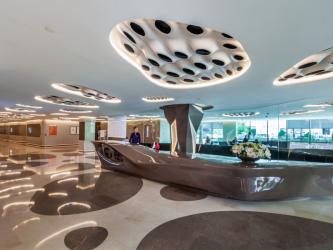
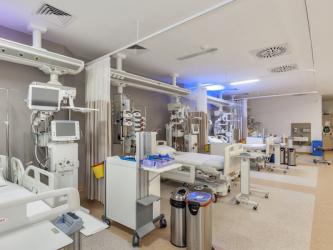
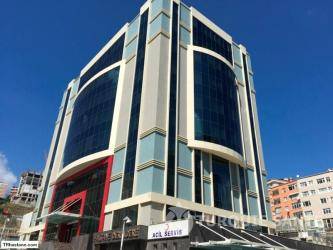
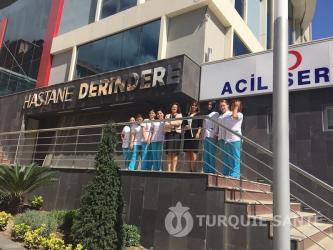
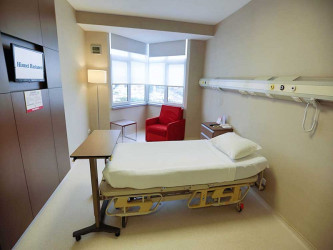
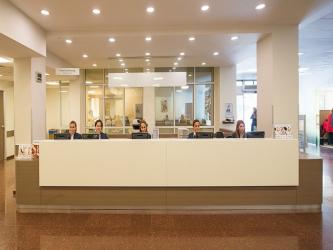
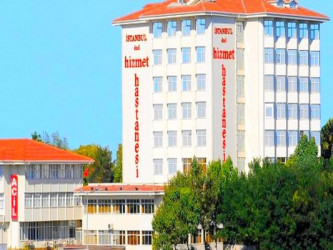
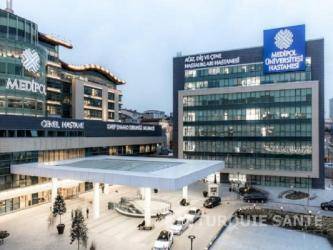
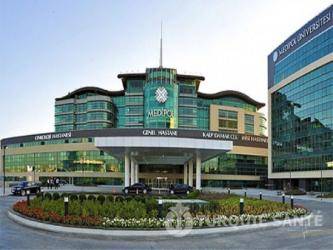
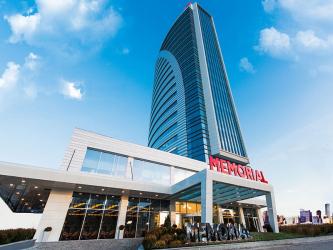
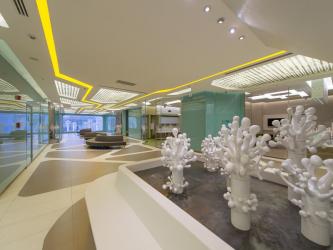
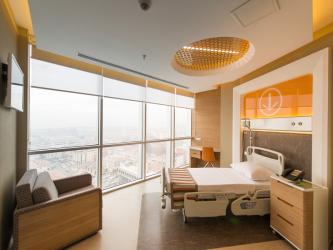
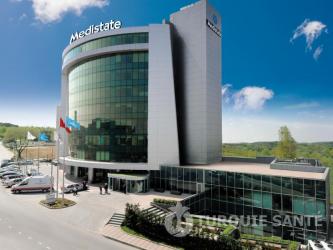
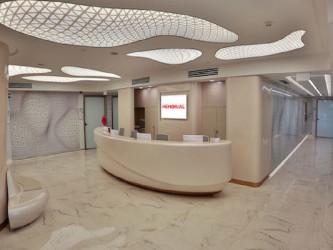
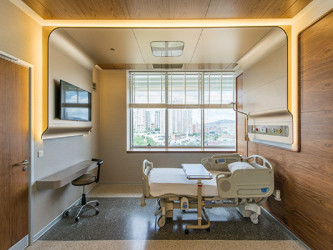
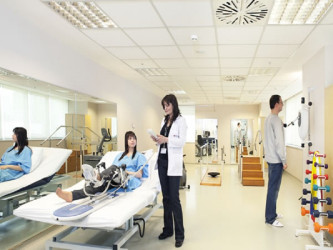
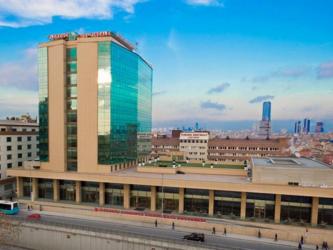
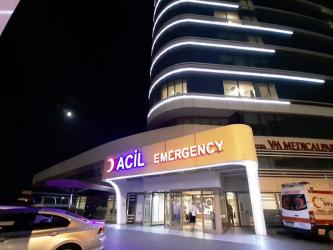
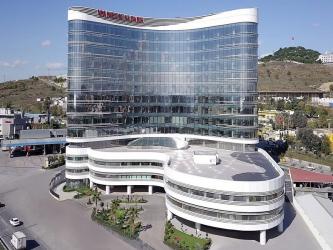
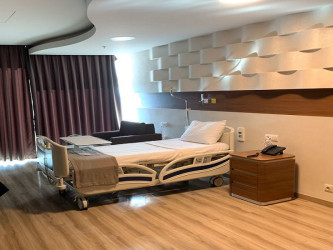
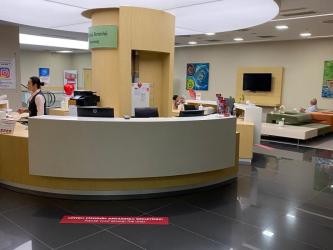
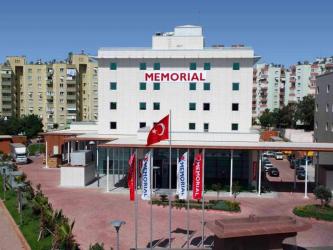
Turkey, and Istanbul in particular, has built a genuine reputation in complex spinal care. Partner clinics working with Turquie Santé hold JCI accreditation and operate dedicated spinal surgery units with intraoperative neurophysiological monitoring. Preoperative imaging, surgical planning, and post-discharge rehabilitation protocols are coordinated before the patient travels. For those also exploring oncology care or cardiology consultations during their stay, combined medical itineraries can be arranged.
Why choose Turkey for scoliosis surgery: accreditation, costs and practical logistics
The cost difference is real and documented. But cost alone is not why experienced spine patients choose Istanbul.
Cost comparison
Posterior spinal fusion in the United Kingdom or France typically costs between €18,000 and €35,000 in the private sector. In JCI-accredited Turkish hospitals, the same procedure can range from €4,500 to €9,000 depending on curve complexity and implant system. That gap reflects structural economic differences, not a compromise on implant quality or surgical expertise, titanium instrumentation systems used in Istanbul are the same Medtronic, DePuy Synthes, or Stryker systems used in European centers.
Accreditation and expertise
Partner hospitals hold Joint Commission International (JCI) accreditation, the internationally recognized benchmark for hospital quality and patient safety. Spine surgery teams include orthopedic and neurosurgeons with fellowship training in complex deformity correction, many with 15 to 20 years of dedicated spinal practice.
Practical logistics for international patients
- Visa: most nationalities can obtain a Turkish e-Visa online within 24 hours for medical stays.
- Accommodation: partner clinics coordinate hospital-adjacent accommodation for accompanying family members. A companion is strongly recommended for the first 10 days post-surgery.
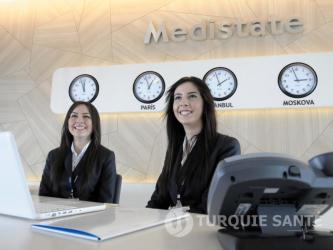
- Medical coordination: discharge summaries, imaging files, and rehabilitation protocols are provided in English for handover to the patient's home physician or physiotherapist.
- Travel insurance: patients are advised to arrange medical travel insurance covering repatriation and post-surgical complications before departure.
Patients recovering from spinal surgery sometimes combine their stay with consultations in reproductive medicine or other specialties available at the same facilities. Coordination is handled through a single Turquie Santé case manager.