

Turquie Santé
Last update : 19/11/2026

Abdominal Hernia Surgery in Turkey: Techniques, Recovery & Costs

Access care from specialist doctors in Turkey, at prices generally lower than those in Europe.

Package price : 3800 $
Free Medical Opinion
Abdominal Hernia Surgery Turkey
793+
patient reviews
across all procedures

An abdominal hernia (inguinal, umbilical or incisional) is a bulge where tissue pushes through a weak spot in the abdominal wall, and surgery is the only way to repair it. In Turkey, the operation lasts about 30 to 90 minutes, uses open, mesh or laparoscopic techniques, and typically costs $2,500 to $6,000 including anesthesia and hospitalization; this range is indicative and only a personalized quote is binding.

A small bulge, a feeling of pressure or persistent discomfort may seem harmless at first, but it needs a proper evaluation. Left untreated, a hernia may affect daily activities, cause increasing discomfort and, in some cases, become strangulated, which is an emergency.

Through Turquie Santé, international patients can have their file reviewed by a surgeon, receive a detailed quote, and access experienced surgeons and clinics in Turkey for hernia repair, with an interpreter, transfers and follow-up after the operation.

How much does abdominal hernia surgery cost in Turkey?

The cost of abdominal hernia surgery in Istanbul depends on the technique used, the complexity of the procedure, and the clinic you choose. Prices typically range from 2,500 to 6,000 USD, including anesthesia and hospitalization. This range is indicative, not a fixed tariff.

The main factors that move the price within this range:

  • Type of repair: suture repair, open mesh repair or laparoscopic surgery.
  • Type and size of mesh, and the size and complexity of the hernia (for example a recurrent or large incisional hernia).
  • Length of hospital stay (same day or about 24 hours of observation) and the type of anesthesia.
  • The clinic and surgeon you choose.

The package price shown at the top of this page is a starting estimate. The final amount is set only by a personalized quote after review of your medical file, and it may be higher; flights, accommodation outside the package and any additional care or tests are not included unless the quote says so.

In Turkey, patients also benefit from a full support package, which typically includes:

  • Medical travel arrangements.
  • Airport–hospital transfers.
  • English-speaking medical interpreter.

With Turquie Santé, you can receive a free personalized quote and comprehensive guidance, helping you plan your surgery with confidence and peace of mind.

Risks and Side Effects

  • Wound infection, bleeding, bruising or fluid collection (seroma) at the surgical site.
  • Persistent or chronic pain around the scar.
  • Hernia recurrence.
  • Mesh-related complications such as infection or adhesions, which rarely require another operation.
  • Blood clots in the legs, which can travel to the lungs (rare).
  • Injury to the bowel or a nerve (rare).
  • Anesthesia-related risks, which depend on your age and health.

Tell your surgeon about all your medications. Seek urgent care for fever, severe or increasing pain, vomiting or a red, swollen, draining wound.


Why choose Abdominal Hernia Surgery with Turquie Santé ?

Chirurgien icon

Accredited surgeons and hospitals (JCI, ISO)

Économie icon

Indicative prices, often lower than in Western Europe depending on the case

Organisation icon

Medical stay organized from A to Z

Prix icon

Detailed quote (included / not included) before your stay

Résultat icon

Free review of your file

All about your Abdominal Hernia Surgery in Turkey
Overview
Alternative care
Benefits
Payment

Intervention or treatment's duration :

  • The operation lasts about 30 to 90 minutes, depending on the type and size of the hernia and the technique.
  • Some patients go home the same day; others stay about 24 hours for observation.

Recovery time :

  • Return to non-physical work: often 1 to 2 weeks.
  • Light sports or long walks: usually 2 to 3 weeks.
  • Heavy lifting and intense activity: typically 4 to 6 weeks, depending on your surgeon's advice.

Each patient recovers at their own pace.

Alternative treatments
  • Watchful waiting: a small hernia that causes no pain may be monitored regularly by a doctor.
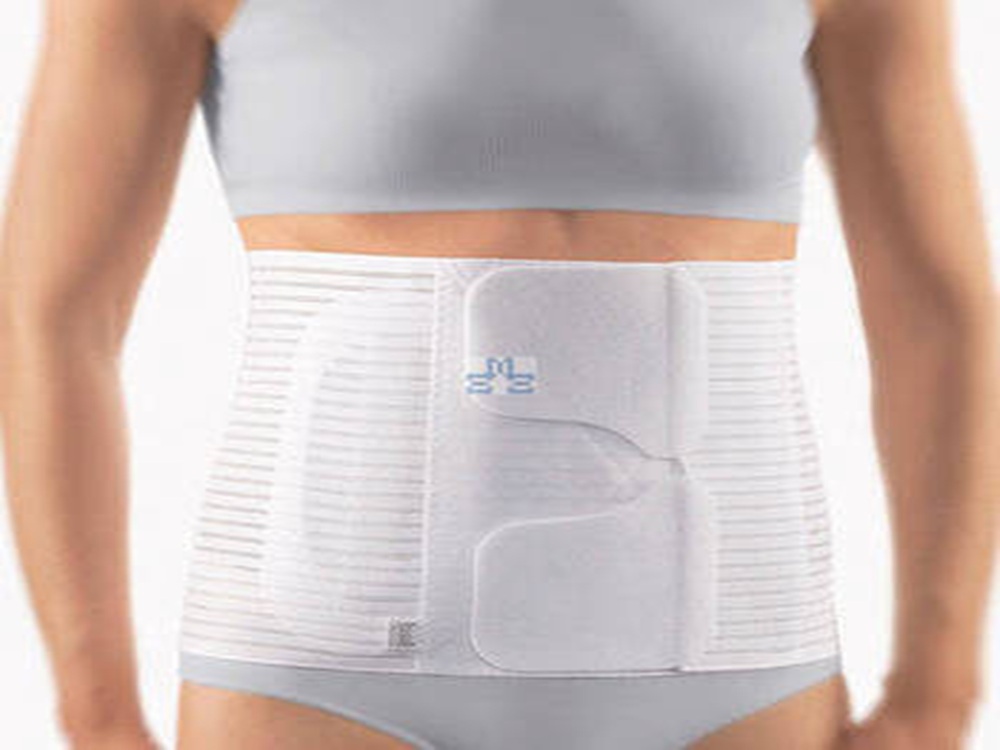
  • An abdominal support belt may relieve discomfort, but it does not repair the hernia.
  • Lifestyle measures such as weight control, avoiding constipation and heavy lifting reduce strain on the abdominal wall.
  • Surgery is the only way to repair a hernia; the surgeon chooses between suture repair, open mesh repair and laparoscopic surgery depending on your case.

Highly qualified professionals in accredited institutions.


We assist you before, during, and after your trip


A detailed quote is presented to you before your stay. Our support is free for the patient and any fees are specified in advance.

You will pay your clinic directly using these available methods:
Transfer

🌟 Package Abdominal Hernia Surgery

  • VIP Airport shuttle
  • Anesthetist visit
  • 2 Nights of hospitalization
  • Turquie Santé Assistance 7 days/7
  • Laboratory analyzes
  • Your surgery
  • Doctor visit
  • Interpreter service in clinic
  • Transportation Hotel / Clinic
  • Medications in hospital
  • Medical control
  • 3 Nights 4* hotel with breakfast
  • 3 Meals per day in clinic

Package price :

3 800 $

Medical advice & quote Indicative, non-binding estimate: the final price is set only by a personalised quote after review of your medical file, and may be higher. Travel costs, flight tickets and any additional care or tests are not included.
Emily White : Medical Content Team Manager at Turquie Santécheck

Written by

Emily White

This content complies with Turquie Santé's editorial policy. It was written by Emily White, Head of the Editorial Team, who coordinates content creation and updates. She has 11 years of experience in medical communications and supporting international patients in Turkey.

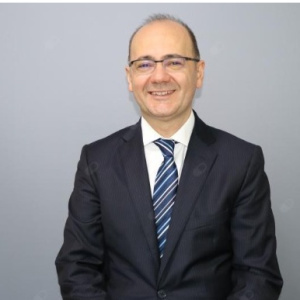
Doç. Dr. Birkan BİRBENcheck

Medically reviewed by : Doç. Dr. Birkan BİRBEN

General Surgery Specialist

Dr. Birkan Birben is an Associate Professor specializing in general surgery and organ transplantation. With extensive experience at Lokman Hekim University Hospital, he provides expert insight into digestive and visceral surgery content. His validation ensures reliable medical information in compliance with international standards.

Medical review does not replace an individual consultation.

Get a free medical opinion on Abdominal Hernia Surgery with our recognized clinics

Certifications :

International Organization for Standardization (ISO) LOKMAN HEKIM ISTANBUL
JCI - Joint Commission International LOKMAN HEKIM ISTANBUL
LOKMAN HEKIM ISTANBUL
Istanbul, Turkey
Prof. Dr. Hüseyin SİNAN

Prof. Dr. Hüseyin SİNAN

23 years of experience
Main Specialty : General Surgery, with experience in bariatric surgery. Years of Experience : 23 years. Notable Training : Doctor of General Surgery, GATA Haydarpaşa Hastanesi İstanbul, 1999-2003; International Internship, Washington University, Video ... Read more
Assoc. Prof. Dr. Alaattin Ozturk m.d

Assoc. Prof. Dr. Alaattin Ozturk m.d

28 years of experience
Main specialty : General Surgery Years of experience : 28 years since qualifying as a general surgery specialist (1998); medical degree obtained in 1993. Notable training : Uludag University, Bursa - School of Medicine; Haydarpaşa Numune Hospital - General ... Read more
4.7 / 5
4.7(70 Reviews)

Certifications :

International Organization for Standardization (ISO) MEMORIAL Şişli
JCI - Joint Commission International MEMORIAL Şişli
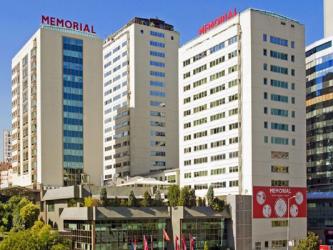
MEMORIAL Şişli
Istanbul, Turkey
Grand Hospital founded in 1999 200 Beds 53,000 square meters  
4.5 / 5
4.5(34 Reviews)

Certifications :

International Organization for Standardization (ISO) LIV Vadistanbul
JCI - Joint Commission International LIV Vadistanbul
LIV Vadistanbul
Istanbul, Turkey
Prof. Dr. Mustafa TÜKENMEZ

Prof. Dr. Mustafa TÜKENMEZ

18 years of experience
Main Specialty : General Surgery Years of Experience : 18 years. Notable Training : Istanbul University Cerrahpaşa Faculty of Medicine (Medical doctor) 1996-2002; Istanbul University Istanbul Faculty of Medicine (General Surgery Specialization Training) ... Read more
Prof.Dr.Ayhan Dinçkan

Prof.Dr.Ayhan Dinçkan

22 years of experience
Main Specialty : General Surgery Years of Experience : 22 years. Notable Training : Residency at the Faculty of Medicine of Akdeniz University, Department of General Surgery, advanced training in multi-organ transplantation and hepatopancreatobiliary surgery. ... Read more
4.4 / 5
4.4(11 Reviews)

Certifications :

JCI - Joint Commission International HISAR INTERCONTINENTAL
International Organization for Standardization (ISO) HISAR INTERCONTINENTAL
HISAR INTERCONTINENTAL
Istanbul, Turkey
Op. Dr. Merve Karli, M.D

Op. Dr. Merve Karli, M.D

12 years of experience
Main specialty: General surgery, laparoscopic surgery Years of experience: Over 12 years Notable training: Medicine at Osmangazi University in Eskişehir; specialization in general surgery at Dr. Sadi Konuk Hospital, Bakırköy Notable ... Read more
Prof. Dr. Kıvanc Derya Peker

Prof. Dr. Kıvanc Derya Peker

22 years of experience
Main Specialty : General surgery, gastroenterological surgery and hepatopancreatobiliary surgery Years of Experience : 22 years. Notable Training : Istanbul University Faculty of Medicine (2004); general surgery specialization (2010); gastroenterological ... Read more
4.4 / 5
4.4(222 Reviews)

Certifications :

International Organization for Standardization (ISO) LIV Ulus
JCI - Joint Commission International LIV Ulus
LIV Ulus
Istanbul, Turkey
Prof. Dr. Koray Acarlı

Prof. Dr. Koray Acarlı

40 years of experience
Main Specialty : General Surgery Years of Experience : 40 years. Notable Education : Istanbul University Faculty of Medicine Mastered Techniques : Liver, biliary tract, and pancreatic surgery, liver transplantation Notable Achievements : Head of the Liver ... Read more
Prof. Dr. Hakan Teoman Yanar

Prof. Dr. Hakan Teoman Yanar

25 years of experience
Prof. Dr. Hakan Teoman Yanar is a general surgeon with 25 years of experience as a specialist (general surgery specialization completed in 2001). He graduated from İstanbul University Medical Faculty in 1994 and trained at the University of Colorado Health ... Read more
4.7 / 5
4.7(1 Reviews)
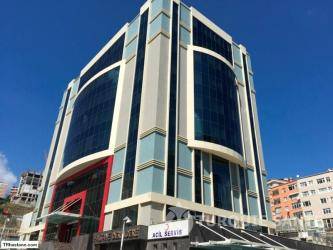
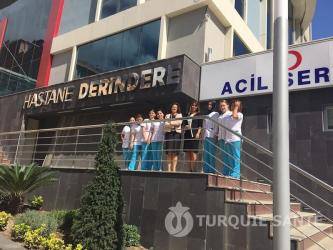
DERINDERE
Istanbul, Turkey
Multispeciality Hospital 150 Beds Opened in 2015
4.0 / 5
4.0(2 Reviews)

Certifications :

JCI - Joint Commission International ACIBADEM
International Organization for Standardization (ISO) ACIBADEM
ACIBADEM
Istanbul, Turkey
Recognized worldwide for the excellence of its care and JCI-accredited, the Acibadem Group is the world's 2nd largest private hospital group, offering more than 30 medical specialties in Istanbul. Its teams treat over 25,000 international patients every year, notably in oncology, cardiology and orthopedic surgery.
4.6 / 5
4.6(183 Reviews)

You have consulted 7 / 30 Hospitals

🩺 Medical note — The content of this page is provided for information purposes and in accordance with our medical charter. It does not constitute medical advice and does not replace a consultation with a healthcare professional. Prices are indicative and will be specified in a personalized quote after reviewing your file. Any treatment must be assessed and approved by a qualified doctor.

How to choose a hernia surgeon and clinic in Turkey

The result of hernia repair depends on the right technique and on the surgeon's experience with your type of hernia. Before you decide, ask:

  • How often does the surgeon repair your type of hernia (inguinal, umbilical, incisional, recurrent) and with which techniques, open or laparoscopic?
  • Which mesh and technique are proposed for you, and why? A good surgeon explains the alternatives and their limits, including suture-only repair for small hernias.
  • What are the surgeon's recurrence and complication rates for your type of hernia?
  • Which anesthesia is planned and who will assess your eligibility before surgery?
  • What does the quote include (surgeon, anesthesia, hospital stay, tests, interpreter, transfers),and what is excluded?
  • How is follow-up organized before you leave Turkey and after you return home, and who can you contact if a problem appears?

The surgeons of our partner clinics are presented below with their specialty, training and experience. Turquie Santé reviews your file, compares written quotes with you and organizes your stay; the surgeon makes the final medical decision after examining you.

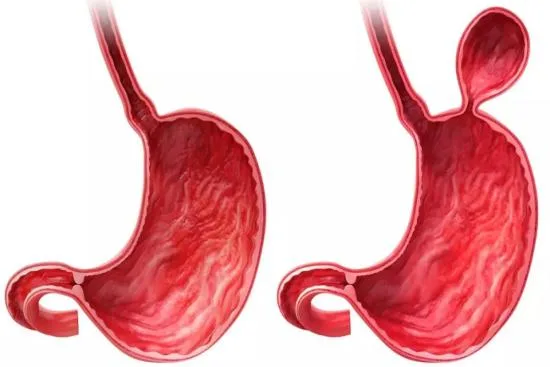
What is an abdominal hernia?

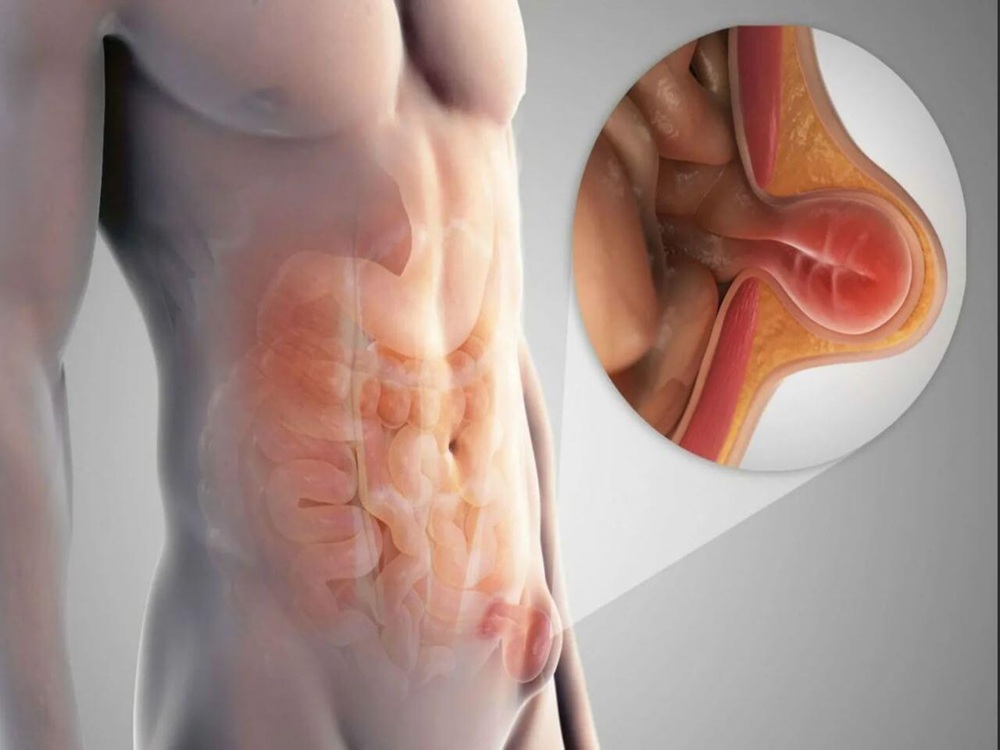
An abdominal hernia occurs when an organ or tissue pushes through a weak spot in the abdominal wall essentially, a small “hole” in the muscles.

There are three common types of abdominal hernias:

  • Inguinal hernia:  located in the groin area.
  • Umbilical hernia: appears around the belly button.
  • Incisional hernia: develops along a previous surgical scar.

While an abdominal hernia is usually harmless at first, it can become painful and may lead to serious complications such as strangulation or intestinal obstruction if left untreated.

If you've been feeling persistent discomfort in your abdomen, or you're unsure whether your pain could be related to a hernia, it's best to consult a specialist. A quick and simple examination is often all it takes to confirm the diagnosis and discuss the most suitable treatment before the problem becomes more serious.

Who should consider abdominal hernia surgery?

Not every abdominal hernia requires immediate surgery. In some cases, a doctor may simply recommend regular monitoring, especially if the hernia doesn't cause pain or discomfort.

However, surgery becomes necessary when the hernia starts to interfere with daily comfort or poses a risk of complications, such as intestinal strangulation.

Your doctor may recommend surgical repair in the following situations:

  • The hernia gradually increases in size over time.
  • Pain or discomfort appears during movement, coughing, or physical effort, and the hernia no longer goes back in on its own.
  • There's a risk of strangulation or reduced blood flow to the intestines, which requires prompt medical attention.

This procedure can be performed on both men and women, particularly older adults, athletes, and individuals who have previously undergone abdominal surgery.

Even if the discomfort feels manageable, it's wise to speak with a qualified surgeon as soon as the hernia begins to change. Early diagnosis makes it possible to treat the condition before it leads to severe pain or complications.

Surgical approaches for abdominal hernia repair in Turkey

The choice of surgical technique depends on several factors the type and size of the hernia, as well as the patient's overall health.
In Turkey, surgeons carefully assess each case to recommend the safest and least invasive option available:

Type of surgery

Principle

Main indications

Advantages

Limitations / notes

Simple suture repair.

The hernia opening is closed with stitches only, without using a mesh.

Small hernias, younger patients, and low risk of recurrence.

Quick procedure, no foreign material used.

Higher risk of recurrence in larger hernias.

Open mesh repair.

The surgeon makes an incision over the hernia, repositions the tissue, and reinforces the abdominal wall with a synthetic mesh.

Large, recurrent, or high-risk hernias.

Proven and durable technique, lowers recurrence risk.

Visible scar and slightly longer recovery time compared to laparoscopy.

Laparoscopic surgery.

A minimally invasive approach using a camera and small incisions; the mesh is placed without a large opening.

Bilateral or recurrent hernias, active patients.

Less pain, faster recovery, smaller scars, lower infection risk.

Not suitable for all hernias; requires an experienced surgeon.

To explore the most suitable treatment options, our expert team in Istanbul is here to guide you every step of the way from diagnosis to full recovery.

How the procedure and anesthesia are performed in Turkey

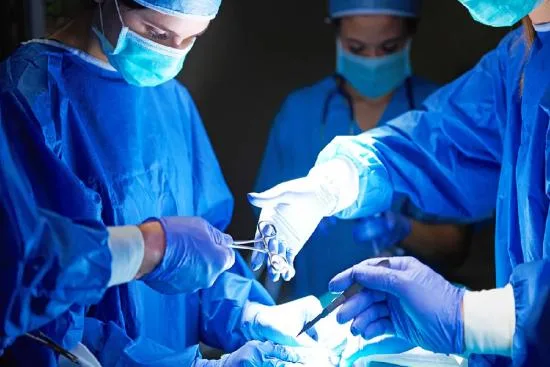
In Turkey, abdominal hernia surgery is usually performed under general anesthesia, although local anesthesia may be used for small hernias. The procedure typically lasts between 30 and 90 minutes, depending on its complexity.

The operation generally involves three key steps:

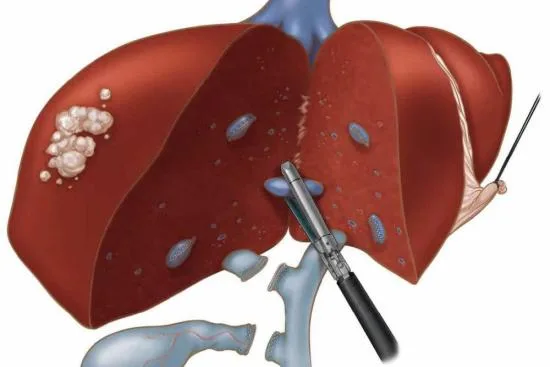
  1. Hernia reduction: The surgeon begins with a small incision over the affected area. Using precise surgical instruments, the contents of the hernia, such as a portion of the intestine, fat, or other tissue, are gently repositioned into the abdominal cavity. This step restores normal anatomy while protecting surrounding tissues.
  2. Reinforcement of the abdominal wall: Once the hernia has been reduced, the weakened area of the abdominal wall is reinforced. A flexible, biocompatible surgical mesh is carefully placed and secured over the defect. This mesh serves as an internal support, preventing recurrence while allowing the muscles to heal naturally around it.
  3. Suturing and incision closure: The final step involves closing the abdominal wall with meticulous sutures to minimize tension and reduce postoperative discomfort. The skin is then sealed with fine or absorbable stitches, ensuring both a solid repair and an aesthetically pleasing result.

Every stage of the procedure is designed with your comfort and safety in mind. After the operation, patients benefit from personalized follow-up care, helping ensure a smooth and confident recovery.

Postoperative phase

After abdominal hernia surgery, most patients experience mild pain, tightness, or discomfort when coughing or moving. These sensations are perfectly normal and can be relieved with pain medication prescribed by the surgeon, or in some cases, by wearing an abdominal support belt to help stabilize the area.

To ensure a smooth and safe recovery, doctors in Turkey recommend a few simple steps:

  • Hospitalization and discharge: Depending on the size and location of the hernia, some patients can go home the same day, while others may stay in the hospital for about 24 hours for observation. This varies according to the complexity of the procedure and the need to monitor the initial recovery.
  • Gradual mobility: Gentle walking is encouraged as early as the next day to stimulate circulation, reduce the risk of blood clots, and promote faster recovery.
  • Diet and healing: Eating a balanced, fiber-rich diet helps prevent constipation, which can strain the surgical area. Staying well hydrated also supports proper healing.

Each patient recovers at their own pace, but here are some general guidelines for getting back to daily and physical activities:

  • Light sports or long walks: usually after 2 to 3 weeks.
  • Return to work (non-physical activity): often possible after 1 to 2 weeks.
  • More intense activity or heavy lifting: typically after 4 to 6 weeks, depending on the surgeon's advice.

With Turquie Santé, each patient receives personalized follow-up care, including regular check-ups in Istanbul, direct contact with the surgeon for any concerns, and remote postoperative assistance to ensure a confident and comfortable recovery.

Risks and how to prevent them

Like any surgical procedure, abdominal hernia repair carries some risks. When performed by experienced surgeons in accredited clinics, serious complications are uncommon, but they cannot be excluded:

Possible riskDescriptionPrevention & management
Wound infection.Redness, warmth, swelling or discharge around the incision, sometimes with a mild fever.Regular postoperative monitoring allows early detection. In most cases, antibiotics or local care are enough.
Bleeding, bruising or seroma.Blood or fluid can collect under the skin near the repair.Usually settles on its own; your surgeon may drain it if it is large or painful.
Persistent pain.Some patients feel occasional or lasting discomfort around the scar.Managed with prescribed medication and gentle activity; tell your surgeon if pain increases or does not fade.
Hernia recurrence.The hernia may return, more often after large hernias or suture-only repair.Mesh and modern techniques lower the risk; weight control, not smoking and avoiding heavy lifting also help.
Mesh-related complications.Rarely, infection, adhesions or chronic pain linked to the mesh.Quality materials and sterile technique reduce the risk; a further operation is sometimes needed.
Anesthesia and blood clots.Reactions to anesthesia, and rarely clots in the leg veins that can reach the lungs.Pre-operative assessment by the anesthesiologist, early walking and, when needed, blood-thinning medication.
Laparoscopy and anesthesia: who is it suitable for?

Laparoscopic repair is not suitable for every hernia. It may be avoided, for example, after extensive previous abdominal surgery or when a patient cannot safely undergo general anesthesia because of heart or lung disease. Your surgeon and anesthesiologist assess your eligibility during the pre-operative evaluation and choose the safest technique for you.

Seek urgent medical care for fever, severe or increasing pain, vomiting, or a wound that becomes red, swollen or starts to drain. With Turquie Santé, you are cared for by selected surgical teams in Istanbul working in modern, accredited clinics.

Abdominal Hernia Surgery FAQ

How much does abdominal hernia surgery cost in Turkey?
Prices typically range from $2,500 to $6,000, including anesthesia and hospitalization, depending on the technique (suture, open mesh or laparoscopic),the size and complexity of the hernia, the mesh, the length of stay and the clinic. This range is indicative; only a personalized quote after review of your medical file is binding, and flights and extra care are not included unless the quote says so.
How long is the recovery after hernia surgery?
Most patients walk gently the day after surgery. Return to non-physical work is often possible after 1 to 2 weeks, light sports or long walks after 2 to 3 weeks, and heavy lifting or intense activity after 4 to 6 weeks, depending on your surgeon's advice. Some patients go home the same day, others stay about 24 hours for observation.
Is laparoscopic hernia repair better than open surgery?
Neither is better for everyone. Laparoscopy uses small incisions and is associated with less pain, a faster recovery and smaller scars, but it is not suitable for all hernias and requires an experienced surgeon. Open mesh repair is a proven, durable technique, often chosen for large, recurrent or high-risk hernias, with a visible scar and a slightly longer recovery. Suture-only repair may be used for small hernias. Your surgeon recommends the option after examining you.
Does every abdominal hernia need surgery?
Not always. A small hernia that causes no pain may be monitored regularly. Surgery is recommended when the hernia grows, causes pain during movement, coughing or effort, no longer goes back in on its own, or carries a risk of strangulation. Sudden severe pain, a hard painful bulge or vomiting is an emergency and needs immediate care.
Which anesthesia is used for hernia surgery in Turkey?
Abdominal hernia surgery in Turkey is usually performed under general anesthesia, although local anesthesia may be used for small hernias. The choice depends on the size and type of the hernia and on your health, and is made by your surgeon and anesthesiologist during the pre-operative evaluation. The operation typically lasts 30 to 90 minutes.

Other procedures in this specialty

Share this page

Abdominal Hernia Surgery in Turkey package: 3 800$