




Summary
- How thyroid hormones regulate weight and metabolism
- Hypothyroidism and weight gain: What the evidence shows
- Subclinical hypothyroidism: An often-overlooked link
- Hyperthyroidism and weight: Correcting a common misconception
- How obesity can affect thyroid function
- Practical recommendations for patients
- When to see a doctor
- The bottom line
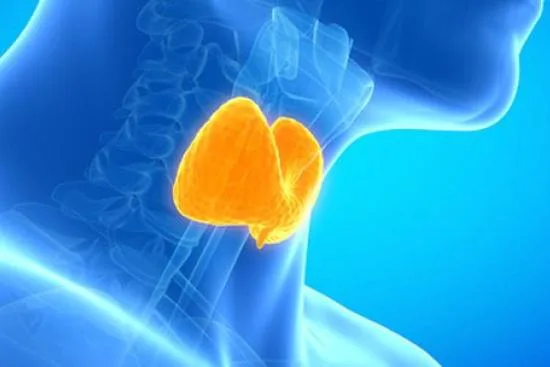
The thyroid, a small butterfly shaped gland at the base of the neck, produces hormones that regulate metabolism, body temperature, and energy use. It is no surprise, then, that thyroid disorders and body weight are closely linked, but the relationship is more nuanced than simply saying that thyroid problems cause weight gain.
In reality, the connection between obesity and thyroid function runs in both directions. An underactive or overactive thyroid can influence body weight, while excess body fat can also affect thyroid hormone levels. Understanding this relationship and correcting common misconceptions can help patients ask the right questions and seek appropriate care.
How thyroid hormones regulate weight and metabolism
The thyroid gland produces two main hormones, thyroxine (T4) and triiodothyronine (T3), which control the body's basal metabolic rate (BMR), the energy the body burns at rest, as well as thermogenesis, lipid metabolism, and glucose use.
- When thyroid hormone levels are low, the metabolic rate slows down, and the body burns fewer calories.
- When thyroid hormone levels are high, the metabolic rate speeds up, and the body burns more calories.
This is why thyroid dysfunction in either direction can affect body weight, though not always in the way people assume.
Hypothyroidism and weight gain: What the evidence shows
Hypothyroidism occurs when the thyroid gland doesn't produce enough hormone. Because metabolism slows down, patients often experience modest weight gain, along with fatigue, cold intolerance, constipation, dry skin, and hair thinning.
It's important to set realistic expectations. In most cases, hypothyroidism accounts for only a modest weight increase, typically a few kilograms, largely from fluid retention and a lower metabolic rate, not from a large increase in fat mass. Severe, unexplained weight gain is rarely due to thyroid disease alone, and other factors such as diet, physical activity, and other hormonal conditions usually play a larger role.
Subclinical hypothyroidism: An often-overlooked link
Subclinical hypothyroidism is a milder, frequently underdiagnosed form of thyroid dysfunction in which TSH (thyroid stimulating hormone) is mildly elevated while T4 remains within the normal range, meaning there are few or no obvious symptoms.
This condition is notably common in people with obesity. Research suggests that it may affect up to 20% of people with severe obesity. The condition is defined by a high TSH level with normal free T4 levels. Because symptoms can be mild or absent, it is often detected through blood tests measuring TSH and free T4. Thyroid testing may be considered when symptoms or other clinical factors suggest a possible thyroid disorder.
Whether subclinical hypothyroidism causes obesity, or is simply a consequence of it, is still debated. Some patients with obesity also show elevated free T3, which is inconsistent with typical subclinical hypothyroidism and suggests the relationship is more complex than a simple cause-and-effect.
Hyperthyroidism and weight: Correcting a common misconception
This point deserves particular attention, as it's a frequent source of confusion online: hyperthyroidism typically causes weight loss, not weight gain.
When the thyroid produces too much hormone, the metabolic rate rises sharply, and the body burns calories faster than it can consume them, even though appetite often increases at the same time. Around 90% of people with hyperthyroidism lose weight, while roughly 10% paradoxically gain weight because their increased food intake outpaces their accelerated metabolism. Other classic symptoms include a rapid heartbeat, nervousness, heat intolerance, excessive sweating, and hand tremor.
Weight change often reappears at a later stage, though: once hyperthyroidism is treated and hormone levels normalize, metabolism slows back down. Around 60% of patients gain weight after treatment for Graves' disease (the most common cause of hyperthyroidism), and about a quarter experience more weight gain than they had originally lost. This is a normal, and manageable, part of recovery, and it's worth discussing proactively with an endocrinologist rather than being caught off guard by it.
How obesity can affect thyroid function
The relationship between obesity and thyroid function goes both ways. Excess body fat can also affect the hormonal system that controls thyroid activity.
Research has found that:
- TSH levels can be higher in people with obesity. Up to 25% of people with obesity may have moderately elevated TSH levels, often still within or only slightly above the normal range. This does not necessarily mean they have a thyroid disorder.
- Thyroid antibodies may also be more common. One study found higher TSH and free T4 levels in adults with obesity, along with more frequent thyroid antibodies.
- Similar findings have been reported in children and teenagers. Those with obesity may have higher TSH levels and a higher rate of thyroid autoimmunity than those with a normal weight.
Several factors may help explain this link. Leptin, a hormone produced by fat tissue, may increase TSH production. Chronic low grade inflammation associated with excess body fat may also affect how thyroid hormones work. Insulin resistance may further influence how the body uses these hormones.
Researchers are still studying exactly how these changes develop. Obesity may affect thyroid function, while changes in thyroid function may also influence body weight. In many cases, the relationship is likely to work in both directions.
Practical recommendations for patients
If you are managing your weight and wondering whether your thyroid may be involved, a few simple steps can help.
- Discuss thyroid testing with your doctor. A TSH test is usually the first step. Free T4 may be checked if the TSH result is abnormal or if there are other reasons to suspect a thyroid disorder.
- Look beyond weight alone. Weight gain by itself does not necessarily indicate a thyroid problem. Symptoms such as unexplained fatigue, feeling unusually cold, hair loss, or menstrual changes may provide additional clues.
- Confirm abnormal results before starting treatment. TSH levels can vary over time, and a mildly abnormal result does not always mean that treatment is needed. Your doctor may repeat the test and consider other factors before recommending medication.
- Address weight and thyroid health together. A balanced diet, regular physical activity, and good sleep can support overall health and make weight management easier, whether or not a thyroid disorder is present.
- If you are considering bariatric surgery, discuss thyroid testing with your medical team. They can determine whether testing is appropriate and whether any thyroid condition needs to be treated before surgery.
- If you are treated for hyperthyroidism, be prepared for possible weight changes. Some weight regain can occur after thyroid hormone levels return to normal. Working with your doctor or a dietitian can help you manage these changes in a healthy way.
When to see a doctor
Consult an endocrinologist if you notice:
- Unexplained weight change (gain or loss) along with fatigue, mood changes, or changes in heart rate
- Persistent cold or heat intolerance
- A visibly enlarged thyroid (goiter) or a lump in the neck
- Weight-loss efforts that aren't working despite consistent diet and exercise, especially with other symptoms above
Diagnosis is usually straightforward: a TSH blood test is the first step, followed by free T4 (and sometimes free T3 or thyroid antibodies) if results are abnormal.
The bottom line
Thyroid disorders can affect body weight, but they are rarely the only explanation for obesity or significant weight gain. Hypothyroidism usually causes modest weight gain, while hyperthyroidism generally causes weight loss, although individual responses vary. At the same time, obesity itself can influence thyroid hormone levels without necessarily causing thyroid disease. When symptoms or abnormal blood tests raise concern, proper thyroid testing can help distinguish a true thyroid disorder from normal variations associated with body weight.

"Medical journalist specializing in science communication, I put my expertise at the service of clear and accessible information. For Turquie Santé, I create content based on up-to-date medical data, in collaboration with specialists from partner clinics. My commitment is to provide reliable, transparent information that complies with international medical standards."
Need a personalized medical opinion?
Our partner doctors reply online within 24h, free of charge.