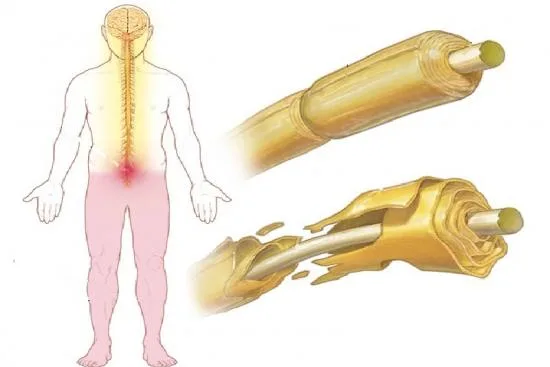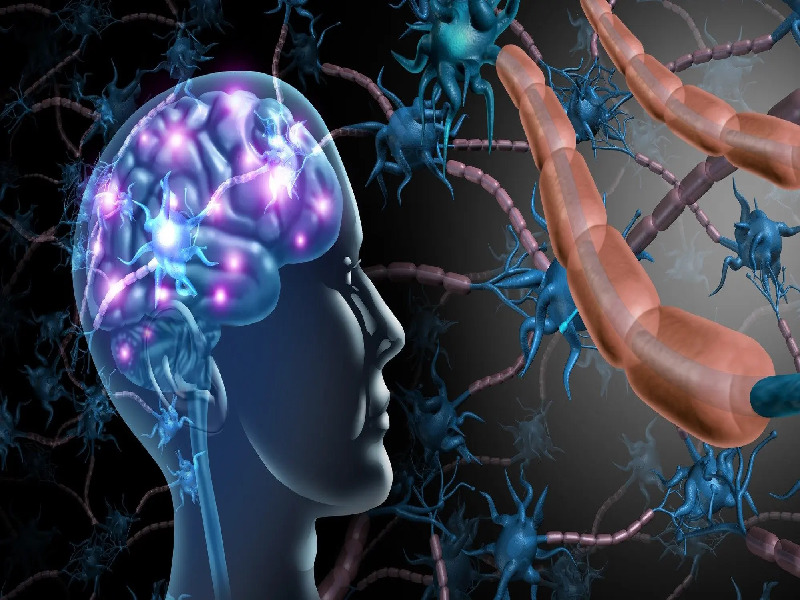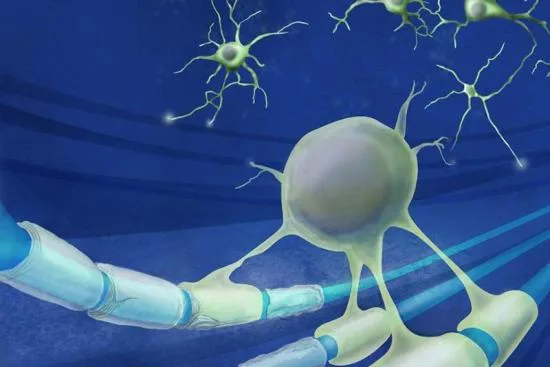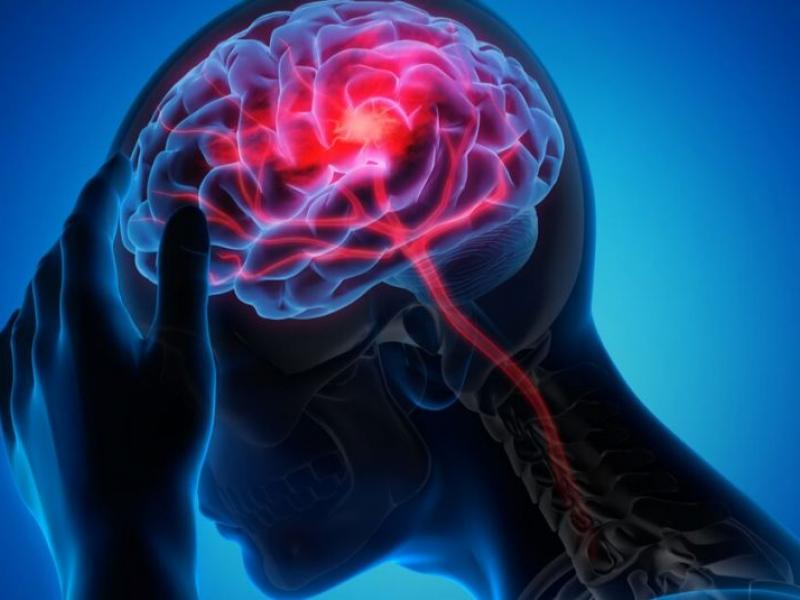



MS affects the central nervous system, and no two people experience it quite the same way. In MS, the immune system mistakenly attacks myelin, the protective coating around our nerve fibers, which disrupts the messages traveling between the brain and the body. What that looks like day to day depends on where the lesions are: some people deal mostly with fatigue or changes in thinking, others with trouble walking or problems with their vision. That's exactly why catching it early, with a careful MRI-based workup, makes such a difference.
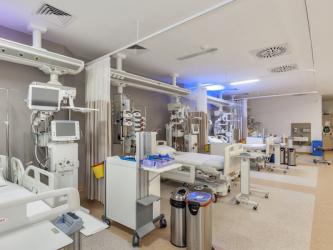
In Turkey, neurology centers combine advanced diagnostic technology with specialized expertise for comprehensive assessment, disease-modifying therapies, and rehabilitation programs addressing both physical and cognitive symptoms. There's no cure for MS yet, and treatment isn't really about chasing one. It's about slowing the disease down, easing symptoms, and helping people hold on to their independence. Thanks to recent advances, many people with MS keep working, traveling, and doing the things that matter to them. Progress looks different for everyone, though, so it's important to stay realistic about what to expect.