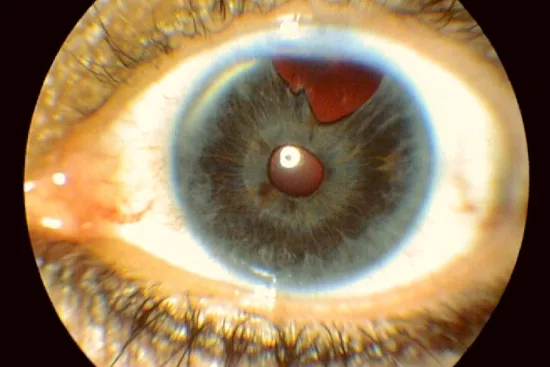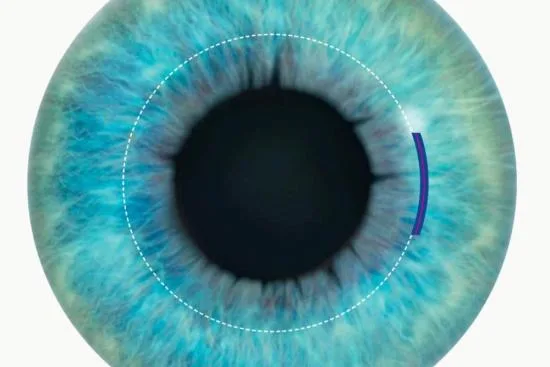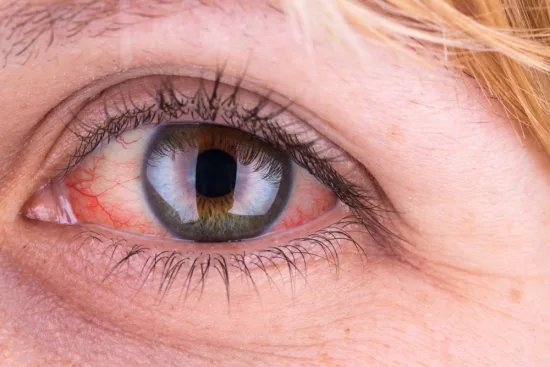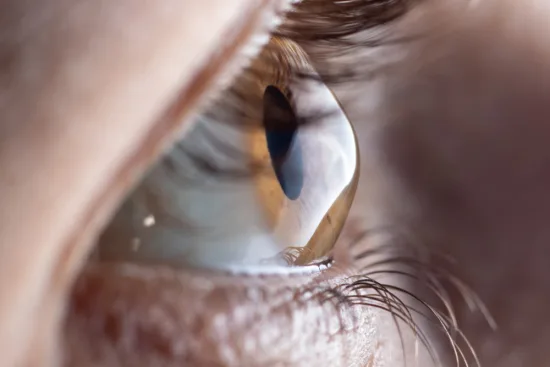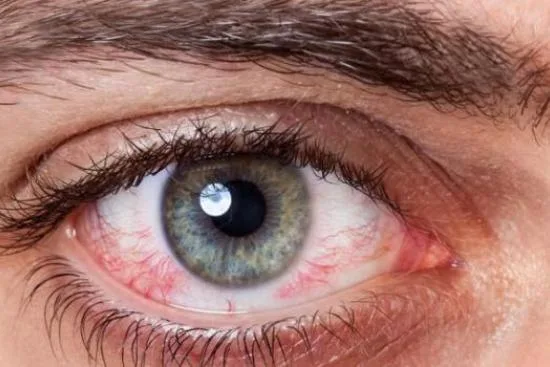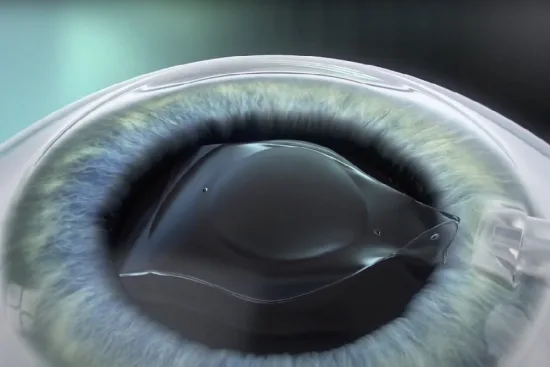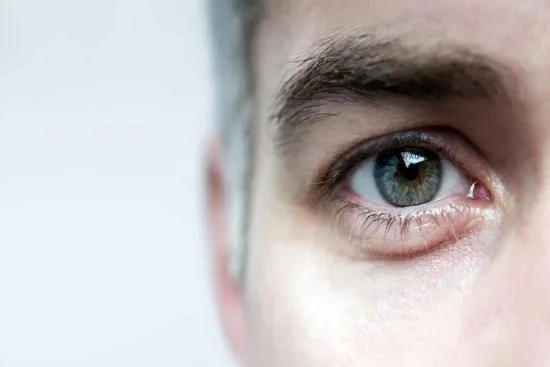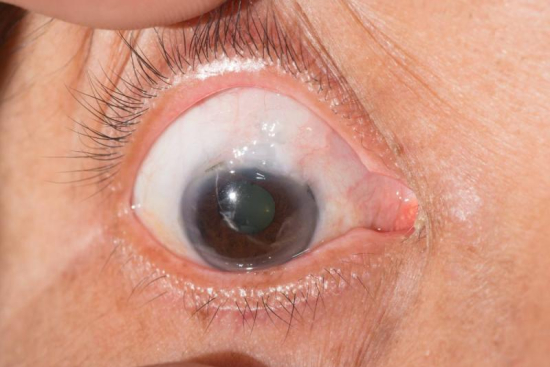


Often caused by eye trauma, iridodialysis is a detachment of the iris, the colored part of the eye. This complication can jeopardize the health of the eye and lead to serious vision problems that require prompt surgical treatment.


Why choose Iridodialysis treatment with Turquie Santé ?
Expert surgeons and JCI certified hospitals
Prices 35% to 50% cheaper than in Europe

Medical stay organized from A to Z
Direct prices without commission
Free assistance
Verified reviews : 640
including 53 for Iridodialysis treatment
Requests processed : 5
Intervention or treatment's duration :
- 30 to 60 minutes.
Highly qualified professionals in accredited institutions.
We assist you before, during, and after your trip
Book with full transparency, no hidden fees or commissions.

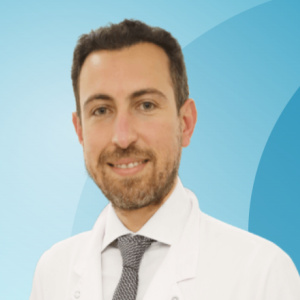
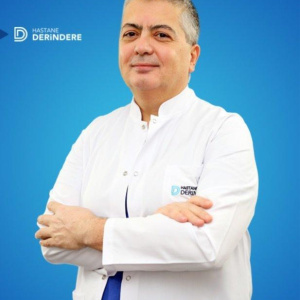
Among our doctors
Verified testimonials from our patients
What is iridodialysis?
Iridodialysis isn't a condition most people hear about regularly. Yet this detachment of the iris, the colored part of the eye, can significantly impact your vision and requires attention.
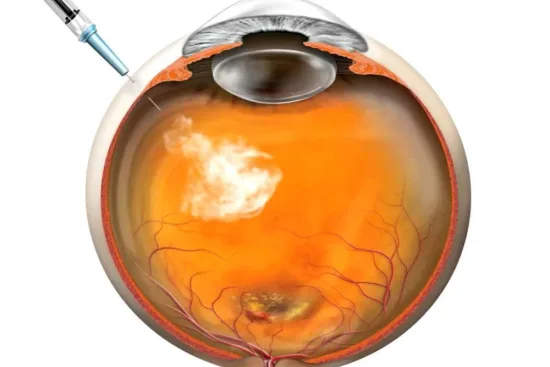
When the iris separates from its attachment point at the ciliary body, it disrupts how the eye functions normally. This often calls for specialized medical care to prevent further damage.
If you've had eye trauma or notice unusual vision changes, seeing an ophthalmologist promptly makes a real difference in outcomes.
Symptoms of iridodialysis (iris detachment)
How iridodialysis shows up varies from person to person, depending on how much of the iris has detached. You might notice:
- Eye pain or discomfort.
- Vision that feels blurred or foggy.
- Halos appearing around lights.
- A dilated pupil (mydriasis).
- Floating spots or floaters in your visual field.

Causes of iris detachment
Iridodialysis happens when the iris tears away from where it normally connects. Several different situations can lead to this:
- Direct or indirect eye trauma (impacts, blows, accidents)
- Eye surgery, particularly procedures on the front of the eye such as cataract surgery
- Certain eye conditions like acute glaucoma, where pressure inside the eye rises sharply
- Age-related changes that weaken eye tissues gradually over time
Treatment of iridodialysis in Turkey
How doctors treat iridodialysis depends on how bothersome your symptoms are and what caused the problem in the first place.
Medical management first
When iridodialysis is mild to moderate, medications often work well enough. Doctors typically try this approach initially, especially if the tear is small and symptoms aren't severe.
Common options include:
- Mydriatics: These dilate your pupil, which reduces stress on the torn iris and eases pain.
- Cycloplegics: They relax the ciliary muscle, stopping spasms and making your eye feel more comfortable.
- NSAIDs (non-steroidal anti-inflammatory eye drops): These cut down swelling and relieve discomfort.
- Corticosteroids: Powerful at reducing inflammation, they work alongside other treatments when needed.
The goal is twofold: ease your pain and inflammation, then give your iris a chance to heal naturally.
Surgery when medication isn't enough
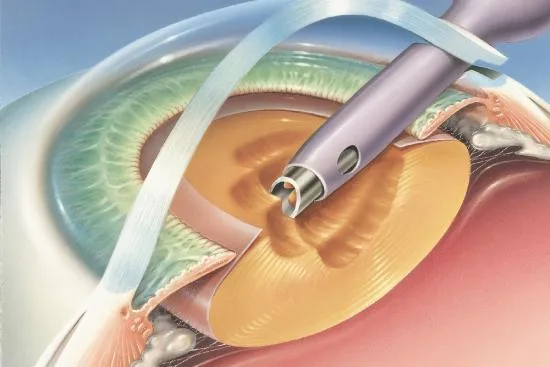
If drops and drugs don't help, or if the damage is extensive, doctors may recommend iridotomy. This surgical procedure creates a small opening in the iris to let fluid drain and allows the torn part to reposition itself.

Iridotomy procedure in Turkey
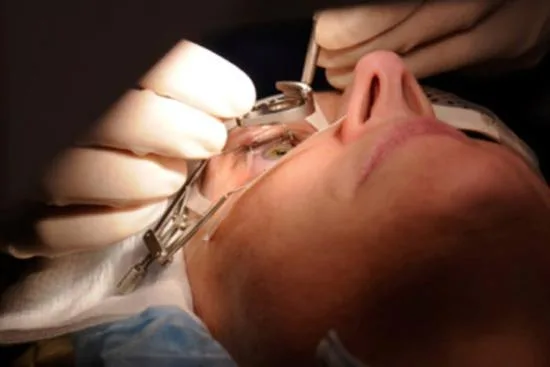
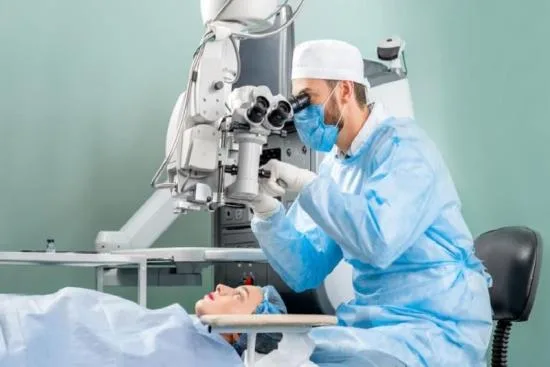
In Turkey, iridotomy typically uses local anesthetic, though general anesthesia is used when necessary.
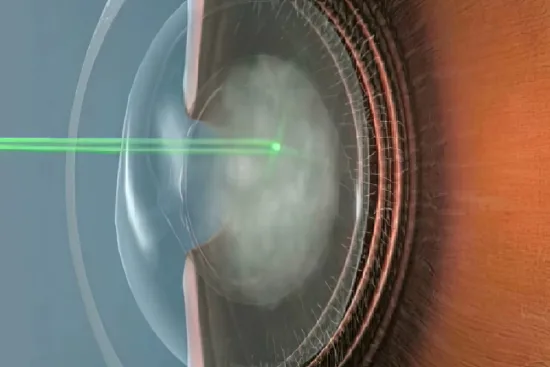
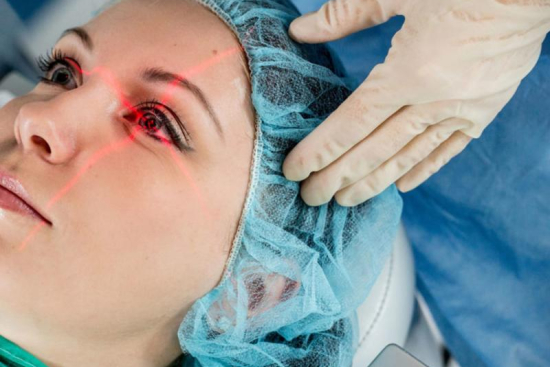
Before surgery, you'll have a complete eye exam—vision tests and intraocular pressure measurement. The procedure itself takes 30 to 60 minutes. Your surgeon creates a small opening using either a laser or a fine surgical tool, allowing excess fluid to drain and the iris to settle back into place.
This approach offers several benefits:
- Repairs the tear: It fixes the iris damage and prevents future problems.
- Vision improves: Reducing eye pressure and sharpening image clarity often means better sight.
- Proven effective: It's quick, reliable, and has strong success rates.
Choosing iridodialysis treatment in Turkey
Deciding between medication and surgery depends on several factors specific to your situation:
- How extensive the tear is: Larger tears carry higher complication risk and usually need surgery.
- Any complications present: Raised eye pressure or other issues might require urgent surgical intervention.
- How you respond to medication: When drops and drugs don't relieve symptoms or support healing, surgery becomes the next step.
Getting evaluated by an ophthalmologist early—as soon as symptoms appear—ensures you get the right diagnosis and the right treatment plan for your specific case.
Recovery from iridotomy
After iridotomy, you'll use prescribed eye drops to prevent infection and ease inflammation. Taking them exactly as directed, on schedule, matters for good healing.
Wearing protective eyewear for several weeks afterward shields the eye from bumps and dust.
Since iridotomy is outpatient surgery, you go home the same day. No hospital stay needed.
Your doctor will schedule follow-up visits to check on healing and make sure everything's progressing normally.
Overall, iridotomy is minimally invasive and usually well tolerated, with quick healing. Success really depends on following post-surgery care instructions carefully—that's what prevents problems and gets you the best results.
Complications and side effects of iridotomy
Iridotomy is generally very safe, but uncommon complications can happen:
- Mild eye inflammation.
- Minor bleeding from the iris.
- Temporary rise in eye pressure.
These usually respond well to medication and resolve quickly. Serious complications like infection or vision loss are exceptionally rare.
Turkish surgical teams work hard to keep risks low. They use advanced techniques and careful post-surgery monitoring to ensure the best outcomes for their patients.
Post-operative recovery
Vision bounces back fairly quickly after iridotomy. Right after surgery, some mild discomfort is normal—maybe a scratchy feeling or light sensitivity. These fade within hours usually.
Over the following days and weeks, vision clears up steadily. Most people see stable, clear vision within a few weeks of having the procedure.
Iridodialysis: Best care in Turkey
Turkey delivers a healthcare experience worth considering. Modern, well-equipped clinics across the country provide excellent clinical care.
Through Turquie Santé, you get comprehensive support during your stay—comfortable accommodations, clear information, and a smooth recovery process. Have your iridotomy with genuine peace of mind.
Get your free quote today.
How it works ?


Get a free medical opinion on Iridodialysis treatment with our 22 Recognized Clinics


You have consulted 7 / 22 Hospitals
Everything you will need for your medical trip
Expert opinions and cost estimates
Understand your procedure before traveling.
We assist our patients in obtaining their visas from the consulates.
We guarantee free and certified translation of your medical documents from all languages.
Your transfers will be provided from the airport and your hotel.
You will be assisted by your attending doctor even after returning to your country, via videos or messages.
Experiences of our patients – Turquie Santé
This content complies with the editorial policy of Turquie Santé. It was written by Emily White, Head of the Editorial Team, who has over 11 years of experience in scientific research and clinic management in Turkey. She ensures the reliability of medical information while making complex data accessible to everyone.