

Turquie Santé
Last update : 07/09/2026

Cholecystectomy: Price of cholecystitis treatment in Turkey

Access internationally certified healthcare with substantial savings compared with European prices.

Get a free quote
Surgery of cholecystitis Turkey
95%
Recommendations
819+
patient reviews
Patient icon
600K+
Requests received since 2018
Clinique icon
32
Clinics
Trustpilot icon
4.6
Ville icon
5
Cities
Docteurs icon
1K+
Recognized doctors

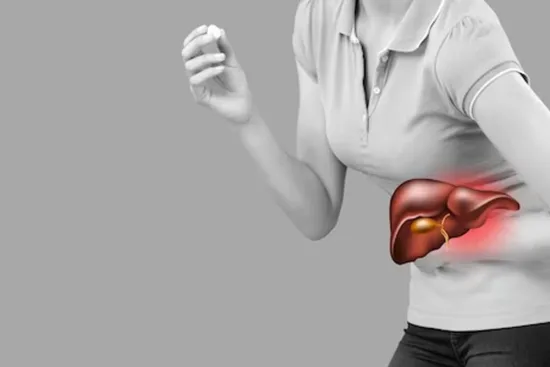
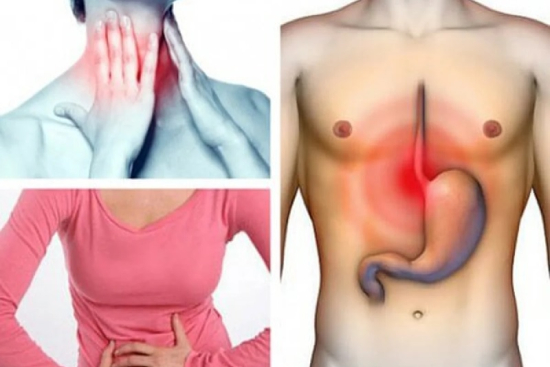
Severe abdominal pain, especially after a heavy meal, is a common sign of gallbladder inflammation (cholecystitis),most often caused by gallstones. A cholecystectomy in Turkey is the standard and most effective treatment for this condition when it becomes recurrent or symptomatic.

In Istanbul, highly skilled gastroenterology and surgical teams use modern laparoscopic techniques to remove the gallbladder safely. Most patients recover well, though it's worth knowing that a minority experience temporary digestive changes afterward, such as looser stools or fat intolerance, as the body adjusts to bile flowing directly into the intestine; these symptoms are usually manageable with simple dietary adjustments and typically resolve within weeks.

Cost of cholecystitis surgery in Turkey

The price of cholecystitis surgery in Turkey varies depending on several factors:

  • Type of surgery: Laparoscopic cholecystectomy is often more expensive than open cholecystectomy.
  • Hospital and surgeon: The choice of clinic and the surgeon's experience can affect the cost.
  • Anesthesia: The type of anesthesia used may influence the final price.
  • Length of hospital stay: Longer stays generally increase the overall cost.

On average, the cost of cholecystitis surgery in Turkey ranges from approximately $1,650 to $5,500, usually covering hospitalization, surgery, anesthesia, and postoperative care.

Request a personalized and free quote today for your procedure, including detailed information about pricing, care, and the top specialized clinics in Istanbul.


Why choose Surgery of cholecystitis with Turquie Santé ?

Chirurgien icon

Expert surgeons and internationally certified hospitals

Économie icon

Substantial savings compared with European prices

Organisation icon

Medical stay organized from A to Z

Prix icon

Direct prices without commission

Résultat icon

Free assistance

All about your Surgery of cholecystitis in Turkey
Overview
Benefits
Payment

Verified reviews : 819

Intervention or treatment's duration :

  • Between 30 and 60 minutes.

Recovery time :

  • Hospitalization of 1 to 2 days.
  • 10 days to 3 weeks off work.

Highly qualified professionals in accredited institutions.


We assist you before, during, and after your trip


Book with full transparency, no hidden fees or commissions.

You will pay your clinic directly using these available methods:
Transfer

Verified testimonials from our patients

How it works ?

2
Services
We look for the best option for your case & budget
3
Hospital
Evaluating a care plan with the best quote
4
airplane
Making appointments & Organization of your trip
5
Health care
Ongoing support until you return home

Get a free medical opinion on Surgery of cholecystitis with our 32 Recognized Clinics

Certifications :

International Organization for Standardization (ISO) LOKMAN HEKIM ISTANBUL
JCI - Joint Commission International LOKMAN HEKIM ISTANBUL
TÜV SÜD ISO 9001:2008 - Quality Management Certification LOKMAN HEKIM ISTANBUL
LOKMAN HEKIM ISTANBUL
Istanbul, Turkey
Assoc. Prof. Dr. Alaattin Ozturk m.d

Assoc. Prof. Dr. Alaattin Ozturk m.d

Assoc. Pro. Uğur KORKMAZ

Assoc. Pro. Uğur KORKMAZ

Main Specialty : Gastroenterology Years of Experience : 21 years. Notable Trainings : Abant İzzet Baysal University, Medical Faculty (2002),Internal Medicine Specialization Training (2007),Gastroenterology Department Specialization Training ... Read more
4.7 / 5
4.7(67 Reviews)
Price on request

Certifications :

International Organization for Standardization (ISO) MEMORIAL Şişli
JCI - Joint Commission International MEMORIAL Şişli
TÜV SÜD ISO 9001:2008 - Quality Management Certification MEMORIAL Şişli
MEMORIAL Şişli
Istanbul, Turkey
4.5 / 5
4.5(34 Reviews)
Price on request

Certifications :

TÜV SÜD ISO 9001:2008 - Quality Management Certification HISAR INTERCONTINENTAL
International Organization for Standardization (ISO) HISAR INTERCONTINENTAL
JCI - Joint Commission International HISAR INTERCONTINENTAL
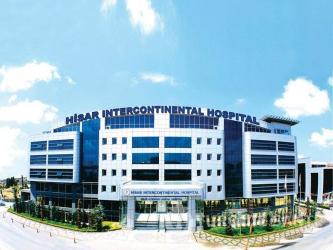
HISAR INTERCONTINENTAL
Istanbul, Turkey
Ömer Necip AYTUĞ

Ömer Necip AYTUĞ

Main specialty: Gastroenterology and hepatology Years of experience: Over 45 years Notable training: Medical degree, Hacettepe University (1980); specialization in internal medicine, Çukurova University (1985); specialization in gastroenterology, Marmara ... Read more
TARIK AKAR, M.D.

TARIK AKAR, M.D.

Main specialty: Gastroenterology and hepatology Years of experience: 22 years Notable training: Medicine at Istanbul Cerrahpaşa University; specialization in internal medicine and gastroenterology in Ankara; advanced training in endoscopy in Korea Notable ... Read more
4.4 / 5
4.4(221 Reviews)
Price on request

Certifications :

TÜV SÜD ISO 9001:2008 - Quality Management Certification DERINDERE
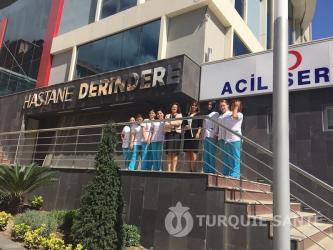
DERINDERE
Istanbul, Turkey
4.0 / 5
4.0(2 Reviews)
Price on request

Certifications :

International Organization for Standardization (ISO) HIZMET By Memorial
TÜV SÜD ISO 9001:2008 - Quality Management Certification HIZMET By Memorial
JCI - Joint Commission International HIZMET By Memorial
HIZMET By Memorial
Istanbul, Turkey
4.0 / 5
4.0(2 Reviews)
Price on request

Certifications :

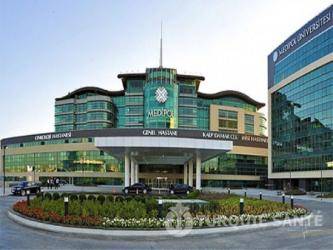
TÜV SÜD ISO 9001:2008 - Quality Management Certification MEDIPOL UNIVERSITY HOSPITAL
JCI - Joint Commission International MEDIPOL UNIVERSITY HOSPITAL
4.0 / 5
4.0(1 Reviews)
Price on request

Certifications :

TÜV SÜD ISO 9001:2008 - Quality Management Certification MEMORIAL ANKARA
JCI - Joint Commission International MEMORIAL ANKARA
International Organization for Standardization (ISO) MEMORIAL ANKARA
MEMORIAL ANKARA
Ankara, Turkey
4.3 / 5
4.3(2 Reviews)
Price on request

Certifications :

International Organization for Standardization (ISO) MEMORIAL Bahçelievler
TÜV SÜD ISO 9001:2008 - Quality Management Certification MEMORIAL Bahçelievler
JCI - Joint Commission International MEMORIAL Bahçelievler
Leed Platinium Certificate MEMORIAL Bahçelievler
MEMORIAL Bahçelievler
Istanbul, Turkey
4.3 / 5
4.3(23 Reviews)
Price on request

Certifications :

TÜV SÜD ISO 9001:2008 - Quality Management Certification ACIBADEM
International Organization for Standardization (ISO) ACIBADEM
JCI - Joint Commission International ACIBADEM
ACIBADEM
Istanbul, Turkey
4.6 / 5
4.6(171 Reviews)
Price on request

Certifications :

JCI - Joint Commission International Medistate Hospital
TÜV SÜD ISO 9001:2008 - Quality Management Certification Medistate Hospital
International Organization for Standardization (ISO) Medistate Hospital
ESMO Designated Centres
of Integrated Oncology and Palliative Care Medistate Hospital
Medistate Hospital
Istanbul, Turkey
Price on request

Certifications :

JCI - Joint Commission International MEMORIAL Ataşehir
National Committee for Quality Assurance (NCQA) MEMORIAL Ataşehir
International Organization for Standardization (ISO) MEMORIAL Ataşehir
TÜV SÜD ISO 9001:2008 - Quality Management Certification MEMORIAL Ataşehir
MEMORIAL Ataşehir
Istanbul, Turkey
4.4 / 5
4.4(9 Reviews)
Price on request

Certifications :

International Organization for Standardization (ISO) NP BRAIN
JCI - Joint Commission International NP BRAIN
NP BRAIN
Istanbul, Turkey
4.7 / 5
4.7(4 Reviews)
Price on request

Certifications :

JCI - Joint Commission International Florence Nightingale
TÜV SÜD ISO 9001:2008 - Quality Management Certification Florence Nightingale
Florence Nightingale
Istanbul, Turkey
4.7 / 5
4.7(10 Reviews)
Price on request

Certifications :

TÜV SÜD ISO 9001:2008 - Quality Management Certification AMERICAN HOSPITAL
International Organization for Standardization (ISO) AMERICAN HOSPITAL
JCI - Joint Commission International AMERICAN HOSPITAL
AMERICAN HOSPITAL
Istanbul, Turkey
4.7 / 5
4.7(5 Reviews)
Price on request

Certifications :

TÜV SÜD ISO 9001:2008 - Quality Management Certification MEDICAL PARK PENDIK
JCI - Joint Commission International MEDICAL PARK PENDIK
MEDICAL PARK PENDIK
Istanbul, Turkey
4.7 / 5
4.7(1 Reviews)
Price on request

Certifications :

JCI - Joint Commission International MEMORIAL Antalya
International Organization for Standardization (ISO) MEMORIAL Antalya
TÜV SÜD ISO 9001:2008 - Quality Management Certification MEMORIAL Antalya
MEMORIAL Antalya
Antalya, Turkey
4.7 / 5
4.7(1 Reviews)
Price on request

Certifications :

International Organization for Standardization (ISO) LOKMAN HEKIM Üniversitesi
TÜV SÜD ISO 9001:2008 - Quality Management Certification LOKMAN HEKIM Üniversitesi
LOKMAN HEKIM Üniversitesi
Ankara, Turkey
Spec.Dr.Azar ABIYEV

Spec.Dr.Azar ABIYEV

Main Specialty : Gastroenterology Years of Experience : 5 years. Notable Education : Azerbaijan Medical University, Gaziantep University, Gazi University. Mastered Techniques : ERCP, Removal of Stomach and Intestinal Polyps, Percutaneous Endoscopic ... Read more
Assoc.Prof. Özlem GÜL

Assoc.Prof. Özlem GÜL

Main specialty : Gastroenterology Years of experience : 15 years. Notable training : Karadeniz Technical University Faculty of Medicine, Ondokuz Mayıs University Faculty of Medicine, Gazi University Faculty of Medicine, The Johns Hopkins Medicine School ... Read more
4.7 / 5
4.7(1 Reviews)
Price on request

You have consulted 7 / 32 Hospitals

Everything you will need for your medical trip

Medical opinion and estimates

Expert opinions and cost estimates

Pre-trip consultations

Understand your procedure before traveling.

Visa assistance

We assist our patients in obtaining their visas from the consulates.

Translation of your medical reports

We guarantee free and certified translation of your medical documents from all languages.

VIP Transport

Your transfers will be provided from the airport and your hotel.

Continuous Follow-up

You will be assisted by your attending doctor even after returning to your country, via videos or messages.

Experiences of our patients – Turquie Santé

Emily White : Medical Content Team Manager at Turquie Santécheck

Written by

Emily White

This content complies with the editorial policy of Turquie Santé. It was written by Emily White, Head of the Editorial Team, who has over 11 years of experience in scientific research and clinic management in Turkey. She ensures the reliability of medical information while making complex data accessible to everyone.

What is cholecystitis?

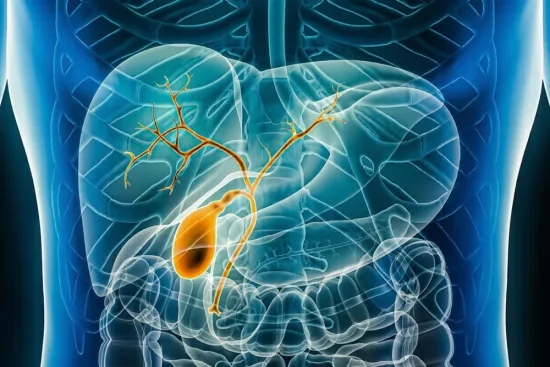
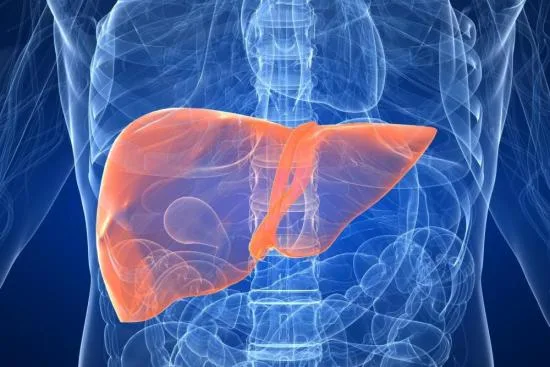
Cholecystitis occurs when the cystic duct is blocked by a gallstone, causing painful inflammation. If left untreated, it can lead to serious complications such as severe infection or perforation.

Risk factors and main causes of cholecystitis

The most common cause of cholecystitis is the presence of gallstones, hard deposits that form in the gallbladder. Other potential causes include:

  • Bacterial or viral infections
  • Certain biliary or digestive tumors
  • Congenital abnormalities of the bile ducts
  • Abdominal trauma

The risk of developing cholecystitis is higher in certain groups, including people over 40, women, individuals with obesity, and those who consume a high-fat diet.

Symptoms of cholecystitis

Typical signs of cholecystitis include:

  • Severe pain in the right upper abdomen (under the ribs)
  • Pain radiating to the shoulder or back
  • Fever, nausea, and vomiting
  • Loss of appetite
  • Jaundice in cases of severe bile duct obstruction

Diagnosis usually involves evaluating the patient's symptoms, conducting a physical examination, and performing imaging tests such as ultrasound or CT scan.

If you experience any of these symptoms, consult one of our gastrointestinal surgeons in Istanbul to determine whether a cholecystectomy is necessary.

Are there alternatives to surgery?

Surgery isn't always the first option on the table. For mild cases or patients without complications, a doctor may consider a more conservative approach before recommending an operation.

Non-surgical approaches

Depending on the situation, a few options may be considered:

  • Active monitoring: If gallstones aren't causing any symptoms ("silent" stones),regular check-ups may be enough, with no immediate need for surgery.
  • Dissolution medication: Ursodeoxycholic acid can help dissolve small cholesterol stones in certain cases. It's a slow process, often taking months or even years, and it doesn't work for every type of stone.
  • Diet and lifestyle changes: Cutting back on fatty foods, eating more fiber, and maintaining a healthy weight can reduce flare-ups and slow down new stone formation.
  • Pain and antibiotic treatment: For mild, uncomplicated flare-ups, medication like painkillers, antispasmodics, or antibiotics can bring relief.
  • Extracorporeal shock wave lithotripsy: This technique breaks up stones using shock waves. It's rarely used today because stones tend to come back, but it's occasionally mentioned as an option.

Why surgery is still usually recommended

These options don't work for everyone, and they don't fix the root of the problem; stones tend to reform as long as the gallbladder is still there. If you've been diagnosed with cholecystitis, keep having painful flare-ups, or are at risk of complications like infection or a perforated gallbladder, surgery remains the go-to treatment recommended by gastroenterologists and surgeons.

Only your doctor can tell you, based on your health and how severe your symptoms are, whether a conservative approach makes sense or if surgery is the better path.

Cholecystectomy: Treatment of cholecystitis in Turkey

Treatment of cholecystitis in Turkey involves removal of the gallbladder, a procedure known as cholecystectomy.

Cholecystectomy can be performed by open or laparoscopic surgery.

Coelioscopic cholecystectomy

A coelioscopic cholecystectomy is a minimally invasive technique performed under general anesthesia.

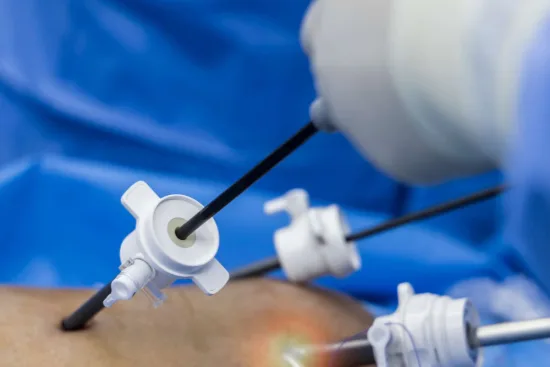
The surgeon makes several small incisions in the abdomen and inserts a camera and miniaturized instruments to remove the gallbladder.

Laparotomy cholecystectomy

Laparotomy cholecystectomy is a more invasive technique performed through a larger incision in the abdomen. It is usually reserved for more complex cases.

Getting ready for gallbladder removal surgery

A little preparation goes a long way toward a smoother operation and faster recovery. Here's what to expect.

Pre-op tests

Before surgery, your doctor will usually order a full workup, which may include:

  • Blood tests (complete blood count, liver function, clotting).
  • An EKG, especially for patients over 40 or with a history of heart issues.
  • An abdominal ultrasound or additional imaging (CT or MRI) to confirm the diagnosis and pinpoint the stones.
  • A consultation with the anesthesiologist is required before any procedure under general anesthesia.

Fasting guidelines

Following the fasting instructions closely is essential before the procedure:

  • You'll typically need to stop eating and drinking from midnight the night before surgery, unless your anesthesiologist says otherwise.
  • Small amounts of water may be allowed up until a few hours before the procedure, depending on your care team's instructions.
  • Sticking closely to these guidelines matters; it lowers the risks tied to general anesthesia.

Medications to flag or avoid

A few precautions are needed ahead of surgery:

  • Blood thinners like aspirin or warfarin need to be flagged to your surgeon, since they often have to be paused before surgery.
  • Certain anti-inflammatory drugs (NSAIDs) usually need to be stopped a few days ahead of time.
  • Let your doctor know about everything you're taking, including supplements and herbal remedies, which can sometimes interact with anesthesia.
  • Try to avoid smoking and alcohol in the days leading up to surgery, as both can slow healing and raise anesthesia-related risks.

A few more things to keep in mind

Before the procedure, it's a good idea to:

  • Mention any known allergies (medications, latex, contrast dye).
  • You may be asked to shower with an antiseptic soap the night before or morning of surgery.
  • Plan for your ride home; driving isn't recommended right after anesthesia, so arrange for someone to accompany you.

At Turquie Santé, our team supports you well before you travel: a remote consultation with your surgeon, a full list of required tests, and coordination with the clinic so your pre-op workup is ready to go the moment you land in Istanbul.
How does gallbladder removal surgery work?

The procedure follows a standard process, usually broken down into 6 steps:

  1. General anesthesia: You're put to sleep by the anesthesiologist, who monitors your vitals throughout the surgery.

  2. Prepping the surgical area: The skin is disinfected, and you're positioned based on the technique being used.
  3. Making the surgical openings: For laparoscopic surgery, 3 to 4 small incisions are made to insert the camera and instruments; for open surgery, a single larger incision is used.
  4. Inflating and exploring: The surgeon inflates the abdomen with carbon dioxide to create working space, then locates the gallbladder and nearby bile ducts.
  5. Removing the gallbladder: The gallbladder is carefully separated from the liver and removed, stones and all, through one of the incisions.
  6. Closing up: The incisions are closed with stitches or staples and covered with sterile dressings.

The whole procedure typically takes between 30 and 60 minutes, as mentioned earlier.

Convalescence and post-operative recovery

The average hospital stay after cholecystectomy is short, often limited to a day or two.

After cholecystectomy, most patients experience abdominal pain, tiredness, and nausea. These symptoms usually go away within a few days. 

To promote a good recovery after a cholecystectomy, it is important to:

  • Rest and follow your doctor's advice and instructions carefully. 
  • Avoid strenuous physical activity for the first few weeks.
  • Start eating light, easily digestible foods and gradually return to your usual diet.
  • Take any medicines prescribed by your doctor, which often include pain relievers and antibiotics.

Seek immediate medical attention if you have:

  • Signs of infection, include fever, redness, swelling, or oozing from the incisions.
  • Severe abdominal pain.
  • Persistent nausea or vomiting.

Return to normal life after cholecystectomy

Cholecystectomy usually does not require any major changes in your daily routine. You can return to a balanced diet and your usual activities without restriction. 

However, if you experience any pain or discomfort, don't hesitate to talk to your doctor. He or she will be able to guide you in the best way possible.

Procedures available for this specialty

Share this page

Our assistants help you to get the best options in Surgery of cholecystitis