

Turquie Santé
Last update : 22/10/2026

LASIK eye surgery in Turkey | Indications, procedure & cost

Access internationally recognized healthcare with substantial savings compared with European prices.

Package price : 1800 $
Get a free quote
Lasik eye surgery Turkey
793+
patient reviews
across all procedures

For many people, the daily inconvenience of glasses, or of dry, irritated eyes from contact lenses, is what leads them to look into LASIK, a procedure that aims to reduce dependence on these visual aids but is not a universal solution and has drawbacks. LASIK is a form of laser vision correction (refractive surgery): a laser reshapes the cornea to correct myopia, hypermetropia, or astigmatism and reduce dependence on glasses or lenses. Some patients still need glasses for some tasks, and LASIK does not prevent presbyopia. Not everyone qualifies, though: you generally need to be at least 18, with sufficient corneal thickness, a stable prescription for at least a year, and no active eye disease, which is why a preoperative exam always comes first. LASIK is an irreversible surgery that carries risks, such as dry eyes and visual symptoms like halos (described below),and results are not guaranteed.

In Turkey, this procedure is performed with laser equipment by ophthalmologists, with alternatives such as ReLEx SMILE available for patients who aren't ideal LASIK candidates. Many patients notice clearer vision within the first days, although vision can fluctuate for several weeks.

Cost of LASIK surgery in Turkey!

Turkey combines laser technology with specialized ophthalmologists, at costs that are generally lower than in many Western countries, although the difference varies by clinic and case.

LASIK surgery in Turkey typically costs around $1,800. This is an indicative estimate, not a fixed price: the package generally includes diagnostic testing, the surgery itself, postoperative care, a stay in the clinic and interpreter support, but what is included varies from one clinic to another and is specified in your personalized quote. The final price is set after review of your medical file and may be higher. It can vary with the technique used (for example a femtosecond laser flap),the clinic, your prescription and the results of your preoperative evaluation. Travel costs, flight tickets and any additional care or tests are not included.

Alternatives such as PRK, LASEK or ReLEx SMILE may also suit your specific needs, with different prices.

Want personalized guidance? Our medical team will review your case and connect you with specialists in Turkey.

Book your free teleconsultation to find out whether LASIK is suitable for you.

Risks and Side Effects

Dry eyes (28%) and visual disturbances such as halos, glare, and starbursts (43–46%) are common after LASIK, usually improving within six months but sometimes persisting. Persistent visual symptoms may affect night driving and daily activities; management may include lubricating drops, glasses, specialized contact lenses, or further evaluation, although additional surgery may not resolve them. Rare but serious complications include corneal infection, corneal ectasia, flap problems, and permanent loss of visual acuity. Careful patient selection, strict postoperative hygiene, and prompt evaluation of severe pain, redness, or reduced vision help minimize risks and prevent further damage.


Why choose Lasik eye surgery with Turquie Santé ?

Chirurgien icon

Accredited surgeons and hospitals (JCI, ISO)

Économie icon

Indicative prices, often lower than in Western Europe depending on the case

Organisation icon

Medical stay organized from A to Z

Prix icon

Detailed quote (included / not included) before your stay

Résultat icon

Free review of your file

All about your Lasik eye surgery in Turkey
Overview
Alternative care
Benefits
Payment

Intervention or treatment's duration :

  • About 15 minutes for both eyes.

Recovery time :

  • Many patients resume daily activities within a few days, following their surgeon's advice.
  • Vision improves significantly from the next day for many patients, but it can fluctuate and take days to weeks to stabilize. Some patients still need glasses or contact lenses, at least temporarily.
  • Full convalescence after about one month.

Alternative treatments

Highly qualified professionals in accredited institutions.


We assist you before, during, and after your trip


A detailed quote is presented to you before your stay. Our support is free for the patient and any fees are specified in advance.

You will pay your clinic directly using these available methods:
Transfer

🌟 Popular offer Lasik eye surgery

  • VIP Airport shuttle
  • Medications in hospital
  • Transportation Hotel / Clinic
  • Medical control
  • Turquie Santé Assistance 7 days/7
  • 3 Meals per day in clinic
  • 2 Nights of hospitalization
  • Medical consultation
  • Intervention
  • Laboratory analyzes
  • Interpreter service in clinic

Package price :

1 800 $

Medical advice & quote Indicative, non-binding estimate: the final price is set only by a personalised quote after review of your medical file, and may be higher. Travel costs, flight tickets and any additional care or tests are not included.

Verified testimonials from our patients

Dajima M.
Verified review

I am very satisfied with the result of my eyes, I was finally able to get rid of my glasses, it's exactly what I wanted. The prices are affordable, the quality of care is excellent and the results are stunning.


03/06/2026
This patient was treated for Lasik eye surgery
Djaha N.
Verified review

Well thank you, everything went very well, I was able to do my Relex Smile intervention


25/05/2026
This patient was treated for Lasik eye surgery
Saleh S.
Verified review

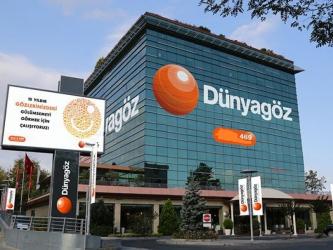
I also had LASIK surgery at Dünyagöz Etiler. The team was professional, and the procedure went smoothly. My vision is better than before, and I’m satisfied with my experience.


25/05/2026
This patient was treated for Lasik eye surgery
حسام الدين ح.
Verified review

I had LASIK laser surgery at Dünyagöz Etiler. Everything went quickly, and the surgeon reassured me before the procedure. My vision has improved since then, and I’m glad I went ahead with it.


09/09/2025
This patient was treated for Lasik eye surgery
D.
Verified review

My operation went very well. Emily was incredible and very attentive. Dr. İhsan Yilmaz is a professional, thanks to him and his team. Even nurses in the operating room were very professional. I highly recommend, don't be afraid to get started!


17/07/2025
This patient was treated for Lasik eye surgery
Elena H.
Verified review

It was my first time coming to Turkey for treatment, so I had some apprehensions. In the end, my stay went well. Emily accompanied me for my YAG laser capsulotomy at the Acıbadem Clinic. She was available before and during my stay and responded quick..Read more


14/07/2026
This patient was treated for YAG laser capsulotomy
الشاوي ع.
Verified review

Nothing.


07/07/2026
This patient was treated for Laser Presbyond (femtosecond)
Cheikh A.
Verified review

I am very satisfied with the service and the quality of the translation


18/06/2026
This patient was treated for Glaucoma Review
Emily White : Medical Content Team Manager at Turquie Santécheck

Written by

Emily White

This content complies with the editorial policy of Turquie Santé. It was written by Emily White, Head of the Editorial Team, who has over 11 years of experience in scientific research and clinic management in Turkey. She ensures the reliability of medical information while making complex data accessible to everyone.

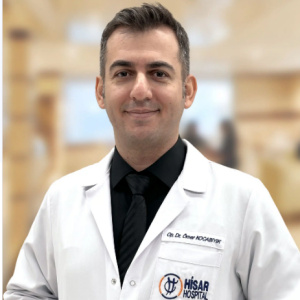
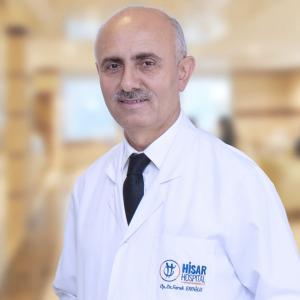
Exp. Ömer Faruk ÖĞE M.Dcheck

Medically reviewed by : Exp. Ömer Faruk ÖĞE M.D

Specialty : Ophthalmology
Diploma no. (TTB) : 101423

Medical review does not replace an individual consultation.

How it works ?

2
Services
We look for the best option for your case & budget
3
Hospital
Evaluating a care plan with the best quote
4
airplane
Making appointments & Organization of your trip
5
Health care
Ongoing support until you return home

Our doctors for your Lasik eye surgery

Prof. Dr.Mehmet Murat Öncel
5.0
(1 reviews)
Lead doctor for your Lasik eye surgery
39 years of experience
LIV Ulus
The clinic is certified:JCI - Joint Commission International LIV UlusInternational Organization for Standardization (ISO) LIV Ulus

Main Specialty : Ophthalmology Notable Trainings : Istanbul University Istanbul Faculty of Medicine, Ophthalmology residency in Istanbul University Cerrahpaşa Faculty of Medicine, Department of Ophthalmology, Mayo Clinic, Cleveland Clinic, LSU Eye Center Mastered Techniques :… Read more

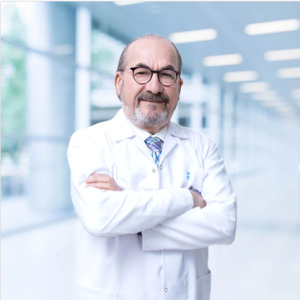
PROF. ÖMER KAMİL DOĞAN, M.D.
4.4
(221 reviews)
Lead doctor for your Lasik eye surgery
35 years of experience
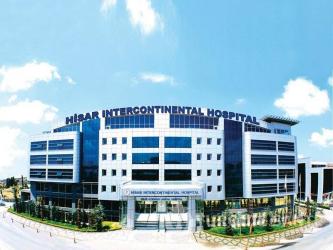
HISAR INTERCONTINENTAL
The clinic is certified:International Organization for Standardization (ISO) HISAR INTERCONTINENTALJCI - Joint Commission International HISAR INTERCONTINENTAL

Main specialty: Ophthalmology (cataract surgery, glaucoma, corneal transplant, conjunctival diseases) Years of experience: Over 35 years Notable training: Degree in medicine and specialization in ophthalmology at Ankara University, Associate Professor at Selçuk University… Read more

Prof.Dr.Yilmaz Ozyazgan
Turkey, Istanbul
4.1
(31 reviews)
Lead doctor for your Lasik eye surgery
46 years of experience
DUNYAGOZ ETILER
The clinic is certified:JCI - Joint Commission International DUNYAGOZ ETILERInternational Organization for Standardization (ISO) DUNYAGOZ ETILER

Main specialty: Ophthalmology, with particular expertise in uveitis and ocular inflammatory diseases. Years of experience: Over 40 years Notable training: Graduated from the Faculty of Medicine of Ege University in 1974, he obtained his specialization in ophthalmology at… Read more

Op.Dr. Omer Kocabayık
Turkey, Istanbul
4.5
(1 reviews)
Lead doctor for your Lasik eye surgery
10 years of experience
HISAR INTERCONTINENTAL
The clinic is certified:International Organization for Standardization (ISO) HISAR INTERCONTINENTALJCI - Joint Commission International HISAR INTERCONTINENTAL

Main Specialty : OphthalmologyYears of Experience : 10 years.Notable Education : Gazi University Faculty of Medicine, Çanakkale 18 Mart University Faculty of MedicineMastered Techniques : Cataract surgery, blepharoplasty, treatment of refractive errors, diagnosis and treatment… Read more

Op. Dr. Zehra Karaagac
Turkey, Istanbul
5.0
(2 reviews)
Lead doctor for your Lasik eye surgery
9 years of experience
DUNYAGOZ ETILER
The clinic is certified:JCI - Joint Commission International DUNYAGOZ ETILERInternational Organization for Standardization (ISO) DUNYAGOZ ETILER

Main specialty: Ophthalmology, oculoplastic surgery Years of experience: Over 9 years Notable training: Graduate of Akdeniz University, specialization in ophthalmology (2016) Professional background / Notable achievements: Former practitioner at Prof. Dr. Reşat Belger Beyoğlu… Read more

Assoc. Dr. Merih Oray
Turkey, Istanbul
4.1
(31 reviews)
Lead doctor for your Lasik eye surgery
19 years of experience
DUNYAGOZ ETILER
The clinic is certified:JCI - Joint Commission International DUNYAGOZ ETILERInternational Organization for Standardization (ISO) DUNYAGOZ ETILER

Main specialty: Ophthalmology, uveitis, and ocular immunology Years of experience: Over 19 years Notable training: Istanbul University (1999–2005),specialization at Marmara University (2005–2010),mandatory service at Muş State Hospital (2010–2012),training at Yale University… Read more

Get a free medical opinion on Lasik eye surgery with our recognized clinics

Certifications :

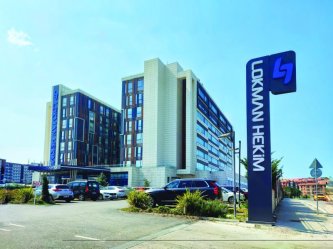
International Organization for Standardization (ISO) LOKMAN HEKIM ISTANBUL
JCI - Joint Commission International LOKMAN HEKIM ISTANBUL
LOKMAN HEKIM ISTANBUL
Istanbul, Turkey
Prof. Dr. Osman İLHAN

Prof. Dr. Osman İLHAN

48 years of experience
Specialist Dr. Cemal AYDOĞAN

Specialist Dr. Cemal AYDOĞAN

40 years of experience
4.7 / 5
4.7(69 Reviews)

Certifications :

JCI - Joint Commission International HISAR INTERCONTINENTAL
International Organization for Standardization (ISO) HISAR INTERCONTINENTAL
HISAR INTERCONTINENTAL
Istanbul, Turkey
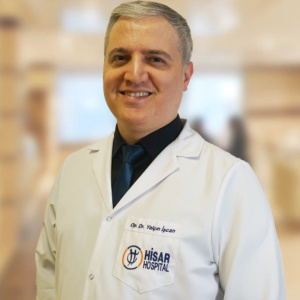
Op. Doctor Yalçın İşcan

Op. Doctor Yalçın İşcan

16 years of experience
Verified CV: Ophthalmology. Training: Istanbul Faculty of Medicine (2005); Ophthalmology specialization at Bakırköy Dr. Sadi Konuk (2010). Expertise: cataract, corneal transplantation, PRK/LASIK/SMILE refractive surgery, strabismus, oculoplastic surgery, ... Read more
Op. Dr. Faruk Eroglu

Op. Dr. Faruk Eroglu

32 years of experience
Main specialty: OphthalmologyYears of experience: Over 31 years since 1993Notable training: Medical degree, University of Istanbul (1993); specialization in ophthalmology, University of IstanbulNotable achievements: Over 10,000 argon laser procedures, 5,000 ... Read more
4.4 / 5
4.4(221 Reviews)

Certifications :

JCI - Joint Commission International MEMORIAL Şişli
International Organization for Standardization (ISO) MEMORIAL Şişli
MEMORIAL Şişli
Istanbul, Turkey
MD Ahmet ARPACI

MD Ahmet ARPACI

46 years of experience
Prof. Dr. Ahmet Nevzat Nayır

Prof. Dr. Ahmet Nevzat Nayır

41 years of experience
4.5 / 5
4.5(34 Reviews)

Certifications :

JCI - Joint Commission International LIV Vadistanbul
International Organization for Standardization (ISO) LIV Vadistanbul
LIV Vadistanbul
Istanbul, Turkey
Prof. Dr. İhsan Yılmaz

Prof. Dr. İhsan Yılmaz

17 years of experience
Main Specialty : Ophthalmology Years of Experience : 17 years. Notable Trainings : Uludag University, Bursa; Kartal Training and Research Hospital, Istanbul; Vance Thompson Vision Center, SD, USA; Beyoglu Eye Training and Research Hospital, Istanbul Mastered ... Read more
Prof. Dr. Rıfat Rasier

Prof. Dr. Rıfat Rasier

16 years of experience
Main Specialty : OphthalmologyYears of Experience : 16 years.Notable Education : PhD in Biomedical Engineering, Master of Science in Biomedical Engineering, Doctorate of Medicine, Residency in OphthalmologyMastered Techniques : Lasers, cataract and refractive ... Read more
4.4 / 5
4.4(11 Reviews)
Get a free expert opinion via our Medical Quiz
Have you ever undergone a Lasik eye surgery ?

Certifications :

International Organization for Standardization (ISO) LIV Ulus
JCI - Joint Commission International LIV Ulus
LIV Ulus
Istanbul, Turkey
Prof. Dr. Vedat Kaya

Prof. Dr. Vedat Kaya

25 years of experience
Main Specialty : OphthalmologyNotable Training : Faculty of Medicine, Ankara UniversityMastered Techniques : Cornea, Anterior Segment Surgery, Refractive Surgery, GlaucomaNotable Achievements : International papers: 30, National papers: 30+, Book in Turkish: ... Read more
Prof. Dr. Betül Tuğcu

Prof. Dr. Betül Tuğcu

30 years of experience
Main specialty : Ophthalmology Years of experience : 30 years. Significant training : MD, Istanbul University Cerrahpasa, Faculty of Medicine (English),1996; Ophthalmology specialist training at Haseki Training and Research Hospital and Bezmialem Valide ... Read more
4.7 / 5
4.7(1 Reviews)
DERINDERE
Istanbul, Turkey
OP. DR. MEHMET YAVUZ ÇIRPICI

OP. DR. MEHMET YAVUZ ÇIRPICI

4.0 / 5
4.0(2 Reviews)

Certifications :

JCI - Joint Commission International DUNYAGOZ ETILER
International Organization for Standardization (ISO) DUNYAGOZ ETILER
DUNYAGOZ ETILER
Istanbul, Turkey
Prof. Dr. Yavuz Kamil Bardak

Prof. Dr. Yavuz Kamil Bardak

25 years of experience
Main specialty: Ophthalmology, refractive surgery, cataract, retina, and glaucoma Years of experience: Over 25 years Notable training: Graduated from Hacettepe (1990),specialization in Ankara (1995),retinal surgery fellowship in the Netherlands ... Read more
Prof. ÜMIT AYKAN, MD

Prof. ÜMIT AYKAN, MD

30 years of experience
Main specialty: Ophthalmology, glaucoma, and diseases of the anterior segment of the eye Years of experience: Over 30 years Notable training: Graduate of the GATA Military Medical School (1989),specialization in ophthalmology (1995),specialized ... Read more
4.1 / 5
4.1(31 Reviews)

You have consulted 7 / 31 Hospitals

🩺 Medical note — This information does not replace professional medical advice. Prices are indicative and confirmed in a personalized quote, and any treatment decision is made with a qualified doctor after reviewing your file.

How does Lasik work?

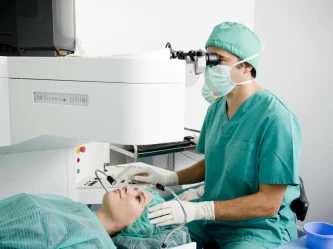
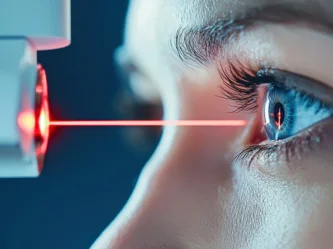
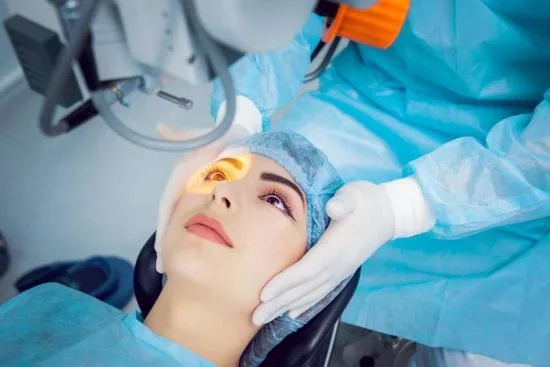
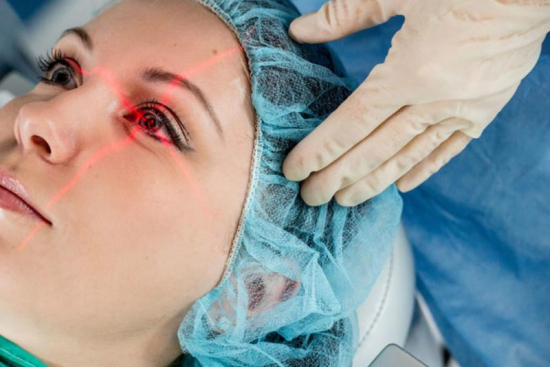
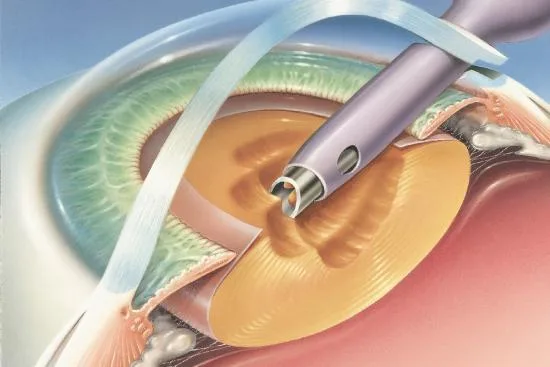
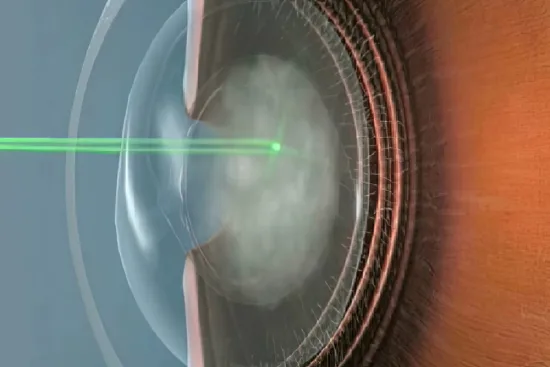
LASIK uses laser technology to reshape your cornea and correct refractive errors, following a precise sequence with two steps.

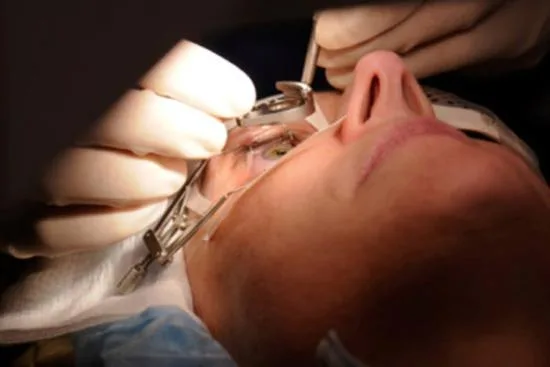
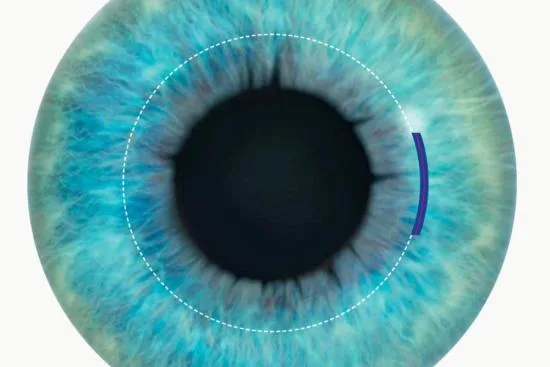
First, a femtosecond laser (or, in some clinics, a mechanical microkeratome) creates a thin flap on the corneal surface. Once the flap is lifted, an excimer laser reshapes the underlying corneal tissue. This reshaping adjusts your cornea's curvature according to your specific vision problem.

After reshaping is complete, the flap is repositioned without stitches. Many patients see clearer vision within the first 24 to 48 hours, though vision can fluctuate and typically stabilizes over several weeks.

LASIK and related techniques

The three main techniques correct the same refractive errors, but they differ in how the cornea is accessed, which changes the recovery and the specific risks:

  • LASIK: a corneal flap is created, then lifted to reshape the cornea. Visual recovery is generally rapid, with little pain in the first days. The risks specific to this technique are related to the flap (displacement, folds, epithelial ingrowth),and, in some studies, the risk of ectasia is higher than after PRK.
  • PRK (surface treatment): there is no flap, and the surface layer of the cornea (the epithelium) is removed and has to regrow. This is why there is more discomfort in the first days and why visual recovery is slower (days to weeks). There is no risk of flap displacement, and the technique may be considered for thinner corneas or eyes exposed to trauma, at the surgeon's discretion. Specific risks include a temporary corneal haze and a longer use of eye drops.
  • ReLEx SMILE: a small piece of corneal tissue (a lenticule) is removed through a small incision, without creating a flap, so there is no flap-related complication. Its indications are generally limited to myopia with or without astigmatism, depending on the system used, and the options for an enhancement are more limited. As with the other techniques, dry eyes and visual symptoms such as halos can occur.

No technique eliminates the risks of dry eyes, visual symptoms or regression. The choice depends on your corneal thickness, your prescription and your eyes, and it is made by your ophthalmologist after the preoperative evaluation.

Interested in vision correction? Turquie Santé can connect you with eye specialists in Turkey who perform LASIK. Our medical coordinators will guide you through each step of the process.

LASIK preoperative evaluation

Before LASIK, a thorough preoperative assessment confirms whether surgery is right for you and helps specialists design an approach matched to your specific vision needs.

Your evaluation will include several advanced eye examinations:

  • Corneal pachymetry measures how thick your cornea is.
  • Corneal topography maps your cornea's shape and surface regularity.
  • Aberrometry identifies subtle optical imperfections that affect vision quality.
  • Anterior segment OCT provides detailed cross-sectional imaging when necessary.
  • Cycloplegia fundus examination uses dilating drops to examine the back of your eye.

Plan for 1.5 to 2 hours for the complete evaluation. The dilating drops can affect your vision for up to 12 hours afterward, so arrange someone to drive you home. You won't be able to drive safely on your own after the tests.

Contact Turquie Santé to schedule your consultation. Our team will help arrange a personalized assessment at one of Turkey's leading eye clinics.

Contraindications of LASIK

Before moving forward with laser eye surgery, comprehensive examinations are necessary. The clinics partnered by Turquie Santé use diagnostic equipment to determine if you're a suitable candidate.

General eligibility

  • Age: at least 18 (21 in some cases, depending on the laser used),because vision may continue to change before that age.
  • A stable prescription, generally for at least 12 months, and a prescription within the range that can be corrected with LASIK.
  • Healthy eyes and sufficient corneal thickness.
  • Good general health.

Screening for the risk of corneal ectasia

The preoperative evaluation includes corneal topography and, in many clinics, corneal tomography, which maps the front and back surfaces of the cornea and can detect an early or undetected keratoconus (forme fruste). Your surgeon also calculates the thickness of the cornea that will remain under the flap after the laser treatment: it is generally recommended to leave a residual corneal bed of at least about 250 to 300 micrometers, and to limit the percentage of corneal tissue altered (above about 40% is considered a risk factor). A thin cornea (below about 500 micrometers),a high myopia, a young age or an abnormal corneal map increase the risk of ectasia and may lead your surgeon to advise PRK, another technique, or no surgery. These thresholds are guides, not guarantees: ectasia has been reported in eyes without detectable risk factors.

Contraindications and situations requiring caution

Certain medical or eye conditions can make LASIK unsuitable:

  • Keratoconus or other corneal disease that continues to progress, and glaucoma that is not controlled.
  • Current eye infection, including active herpes of the eye.
  • Vision that has been unstable or changing in recent months.
  • Cataracts affecting vision quality.
  • Corneas thinner than required for safe surgery.
  • Severe dry eye, which LASIK can worsen.
  • Autoimmune diseases or other conditions that impair healing, such as uncontrolled diabetes.
  • Certain medications, such as isotretinoin, amiodarone, sumatriptan or oral corticosteroids: tell your surgeon about all your treatments.
  • Pregnancy or breastfeeding.

Some pre-existing conditions, such as autoimmune diseases or diabetes, may increase the risk of delayed healing or postoperative complications, even when they are well controlled. Your surgeon will assess these risks individually and may recommend closer postoperative monitoring.

If no contraindications are present, specialists will recommend the technique best suited to your corneal anatomy and vision needs. When LASIK isn't appropriate, alternatives like PRK, LASEK or ReLEx SMILE may be more suitable for your specific situation.

Want to know if you're a good candidate? Book a free teleconsultation with ophthalmologists partnered by Turquie Santé.

Post-operative recovery

Many patients notice an improvement in their vision within 24 to 48 hours after LASIK, although vision can fluctuate for several weeks. Returning to routine activities like office work usually takes a few days, and driving depends on your surgeon's assessment of your vision.

During your first week, avoid touching or rubbing your eyes, even if they feel slightly uncomfortable, because rubbing can displace the corneal flap. Use the lubricating and anti-infective eye drops prescribed by your surgeon, and attend the follow-up visits. Follow your eye specialist's instructions carefully, as this directly affects how smoothly you heal. Contact sports and swimming can resume after 2 to 3 weeks, though your individual healing timeline may vary. Contact your surgeon promptly if you have increasing pain, redness, a sudden drop in vision or discharge.
LASIK in Turkey: Risks to be aware of

LASIK is widely performed and is considered effective, but like any surgical procedure, it carries risks, it is irreversible, and results are not guaranteed. The clinics partnered by Turquie Santé perform a detailed preoperative screening to identify patients at higher risk. Your surgeon will discuss what to expect and how to reduce the risk of problems.

Frequent effects, usually temporary

  • Dry eyes: they are frequent in the first months. In the FDA-sponsored PROWL studies (JAMA Ophthalmology, 2017),about 28% of patients with no dry-eye symptoms before surgery reported new symptoms at 3 months, and symptoms decreased by 6 months. Lubricating drops are the usual treatment, and some patients need longer or additional treatment.
  • Visual symptoms: glare, halos, starbursts, double images and light sensitivity, particularly at night. In the same studies, 43% to 46% of patients reported at least one new visual symptom at 3 months, halos being the most frequent. They often improve over the following months, but they can persist in some patients and affect night driving, and a second surgery may not relieve them.
  • Blurred vision and mild discomfort: usually temporary.
  • Undercorrection or overcorrection: vision may be slightly undercorrected or overcorrected, sometimes requiring a touch-up procedure or glasses or contact lenses.

Rare but serious complications

Though uncommon, these complications can occur:

  • Corneal infection, which requires immediate medical attention. Its warning signs are intense eye pain, increasing redness, blurred or reduced vision, sensitivity to light, tearing and discharge. If you notice any of them, contact your surgeon or an eye emergency department at once, without waiting for your next appointment. Strict hygiene after surgery lowers the risk: wash your hands before touching your eyes or applying drops, use the prescribed drops exactly as instructed, do not rub your eyes, and avoid water in the eyes, swimming pools and eye makeup for the period your surgeon specifies.
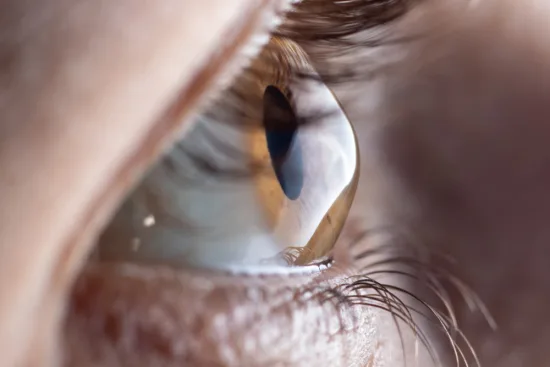
  • Corneal ectasia, a gradual weakening and bulging of the cornea over time, more likely with an abnormal corneal map or an undetected keratoconus, a thin cornea, a low residual corneal bed, a young age or a high myopia. It can distort vision and may require corneal cross-linking, special contact lenses and, in advanced cases, a corneal transplant. It is the reason why the corneal screening described above is essential.
  • Flap displacement or folds, mainly after direct eye trauma or eye rubbing.
  • Temporary eye pressure elevation affecting blood vessel function.
  • Loss of best-corrected vision, which is rare and generally linked to serious complications or pre-existing eye conditions. Careful patient selection aims to reduce this risk, but it cannot eliminate it.

Do not judge the risks only by the high satisfaction and visual acuity figures reported in studies: these figures do not reflect the patients who keep dry eyes or visual symptoms. Contact your surgeon promptly if you have severe pain, increasing redness, discharge or a sudden drop in vision.

Related medical articles

Experiences of our patients – Turquie Santé

Lasik eye surgery FAQ

What are the precautions to take before Lasik eye surgery?
The precautions to take before LASIK include:
  • Stop wearing contact lenses for the period your surgeon specifies, which depends on the lens type: usually about 1 to 2 weeks for soft lenses and longer (often 2 to 4 weeks or more) for toric or rigid gas permeable lenses. Lenses change the shape of the cornea, and stopping them allows accurate pre-operative measurements.
  • Have a complete eye examination (corneal topography, corneal thickness, pupil size) to confirm that you are a suitable candidate.
  • Tell your surgeon about your medications, allergies and medical history, including any eye disease.
  • Do not wear eye makeup, creams, lotions or perfume on the day of surgery, and avoid eye makeup for the period your surgeon advises afterwards (commonly about one to two weeks),to reduce irritation and the risk of infection.
  • Arrange for someone to take you home, as you will not be able to drive after the procedure.
Always follow the specific instructions of your surgical team.
Is the laser in the eye painful?

LASIK is generally not painful during the procedure, because it is performed under local anesthesia with anesthetic eye drops. You may feel pressure during the laser, and some discomfort, burning, tearing or a foreign-body sensation can occur in the hours after surgery. Your surgeon will tell you which drops or medication to use.

When can I wash my face after LASIK?

After LASIK, it is recommended to wait at least 24 hours before gently washing your face, avoiding direct contact with the eyes, and following the surgeon’s instructions.

Why is my vision blurry after LASIK surgery?

Temporary blurred vision after LASIK is normal and may be caused by corneal swelling, dry eyes, or the eye’s adaptation process. Vision usually improves within a few days to several weeks.

Are LASIK results permanent?

LASIK results are generally long-lasting, because the reshaping of the cornea is permanent, but vision can still change over time. Regression can occur, some patients need an enhancement procedure, and presbyopia, cataracts or other eye conditions can affect vision later in life. Results cannot be guaranteed.

Other procedures in this specialty

Share this page

Lasik eye surgery in Turkey package: 1 800$