




Cystic fibrosis is a serious genetic disease that primarily affects the lungs and the digestive system. In France, approximately 200 children are born each year with this condition, or one in 4,500 births. However, medical advancements have profoundly changed its prognosis. Thanks to newborn screening, specialized monitoring, and treatments targeting the CFTR protein, patients can now live longer and in better conditions.
What are the symptoms of cystic fibrosis? How is it diagnosed, and what treatments are available today? Let's review this disease and the progress that has transformed its management.
What is cystic fibrosis?
Cystic fibrosis is an autosomal recessive disease: to be affected, one must inherit a variant of the CFTR gene from each parent. A parent carrying only one variant is generally in good health. When both parents are carriers, each pregnancy has a 1 in 4 risk of having an affected child, 2 in 4 of having a healthy carrier child, and 1 in 4 of having a child who is not a carrier.
The CFTR gene codes for a protein that forms a channel on the cell surface and regulates the passage of chloride (and indirectly, water) in secretions. When this protein is absent or defective, secretions become thick and sticky. They accumulate in the bronchi, pancreas, liver, intestine, and male reproductive tract.
Over 2,000 variants of the CFTR gene have been described, but not all of them cause the disease. The nature of the variants influences the severity and, importantly, eligibility for CFTR modulators.
How does cystic fibrosis progress?
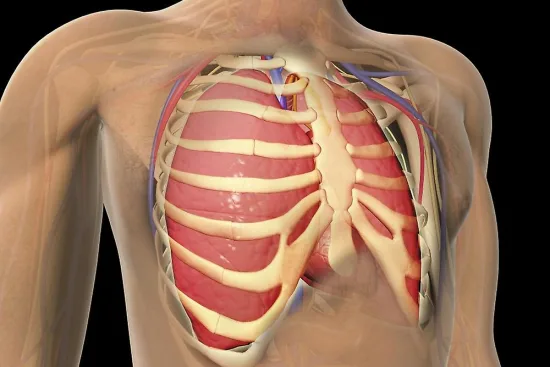
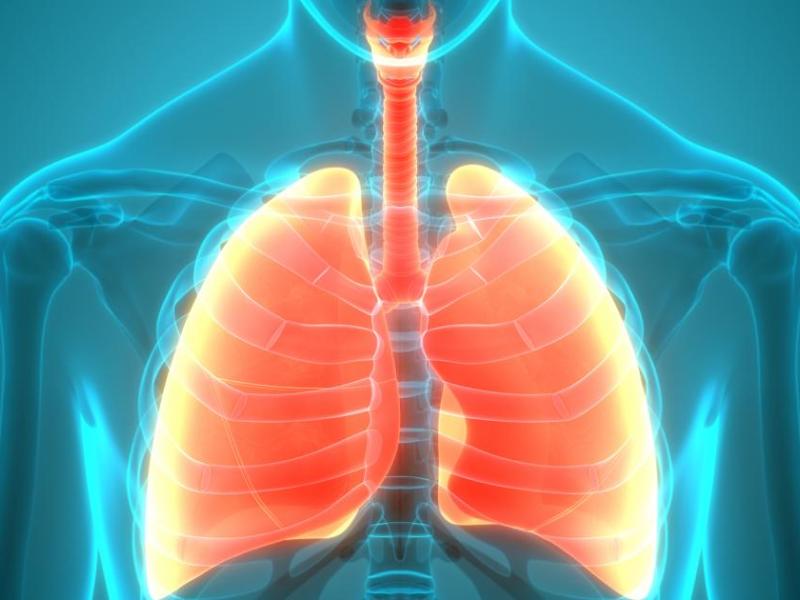
Cystic fibrosis is a progressive disease that primarily affects the lungs and pancreas. Over time, the accumulation of thick mucus disrupts the function of these organs and can lead to significant complications.
Lung involvement: Progressive respiratory degradation
In the lungs, thick mucus accumulates in the bronchi and becomes difficult to clear. It promotes bacterial growth and repeated respiratory infections, particularly by Pseudomonas aeruginosa and Staphylococcus aureus.
As infections and inflammation recur, the bronchial walls can become damaged. They gradually widen, leading to bronchiectasis and a decrease in respiratory function. Lung involvement is the main cause of severe complications and mortality associated with cystic fibrosis.
Pancreatic involvement: Difficulty digesting and absorbing nutrients
In many patients, thick mucus obstructs the pancreatic ducts, preventing digestive enzymes from reaching the intestine. This exocrine pancreatic insufficiency particularly disrupts fat digestion.
The body then absorbs nutrients and fat-soluble vitamins (A, D, E, and K) less effectively. Without appropriate management, this malabsorption can lead to malnutrition, vitamin deficiencies, and growth retardation in children.
What are the symptoms of cystic fibrosis?
The symptoms of cystic fibrosis vary from person to person depending on age and the specific CFTR gene abnormalities. They primarily affect the respiratory tract and the digestive system. However, some children are diagnosed at birth, even before the first signs appear, thanks to newborn screening.
Respiratory symptoms
The accumulation of thick mucus in the bronchi promotes infections and hinders breathing. The most common manifestations are:
- Persistent cough, initially dry, then sometimes productive.
- Recurrent bronchial and lung infections.
- Wheezing and shortness of breath, especially during exertion.
- Bronchiectasis (abnormal widening of the bronchi), visible on CT scans.
- Chronic sinusitis and nasal polyps.
Digestive and nutritional disorders
Cystic fibrosis can disrupt digestion, especially when the pancreas does not produce enough digestive enzymes. This can lead to:
- Greasy, bulky, foul-smelling stools (steatorrhea).
- Bloating and abdominal pain.
- Insufficient weight gain or growth retardation in children.
- Meconium ileus (intestinal obstruction in newborns), sometimes present at birth.
Other possible complications
The disease can also affect other organs and lead to various complications:
- Unusually salty sweat, due to a high concentration of salt in perspiration.
- Cystic fibrosis-related diabetes, caused by pancreatic damage.
- Bone fragility, which can progress to osteopenia or osteoporosis.
- Liver and bile duct involvement, which in some cases can lead to cirrhosis.
- Fertility problems: Male infertility is very common, generally due to congenital absence of the vas deferens. In women, fertility may be reduced, but pregnancy is still possible with appropriate monitoring.
How is cystic fibrosis diagnosed?
The diagnosis of cystic fibrosis relies on newborn screening, the sweat test, and genetic analysis. These tests detect the disease, confirm its presence, and identify CFTR gene abnormalities.
Newborn screening: Detection from birth
Generalized in France since 2002, newborn screening involves a blood sample taken from the heel around the third day of life. It measures immunoreactive trypsinogen (IRT), a substance that can be elevated in newborns with cystic fibrosis.
If this level exceeds the established threshold, a search for CFTR gene variants is performed according to the screening protocol. If the results are suggestive, the child is referred to a Cystic Fibrosis Resource and Competence Center (CRCM) for further examinations. A positive screening result does not necessarily mean the child is definitively affected.
The sweat test: The gold standard examination
The sweat test is the reference examination to confirm or rule out the diagnosis. It measures the chloride concentration in sweat. In individuals with cystic fibrosis, this concentration is generally abnormally high.
Results are interpreted according to three thresholds:
- Below 30 mmol/L: Generally normal result, making cystic fibrosis unlikely.
- Equal to or above 60 mmol/L: Result consistent with the disease, confirming the diagnosis in the appropriate clinical context.
- Between 30 and 59 mmol/L: Intermediate result requiring further tests and specialist consultation.
In case of an intermediate result, genetic analysis of the CFTR gene is necessary to clarify the diagnosis.
Genetic analysis: Identifying CFTR gene abnormalities
Genetic analysis searches for CFTR gene variants responsible for the malfunction of the corresponding protein. It confirms the diagnosis, better characterizes the disease, and guides genetic counseling within the family.
It also plays an important role in treatment selection, as eligibility for CFTR modulators depends on the identified variants.
Complementary assessment: Evaluating affected organs
Once the diagnosis is established, several tests are used to assess the extent of the disease and monitor its progression:
- Respiratory assessment: Pulmonary function tests (PFTs), spirometry, chest imaging, and sputum analysis.
- Nutritional and digestive assessment: Monitoring weight and growth, screening for vitamin deficiencies, and evaluating pancreatic function.
- Liver assessment: Blood tests to monitor liver function.
- Diabetes screening: Blood glucose monitoring, including oral glucose tolerance tests depending on age and recommendations.
What are the current treatments for cystic fibrosis?
There is not yet a cure for cystic fibrosis. However, therapeutic advancements have considerably improved the prognosis and quality of life for patients. Management is comprehensive, personalized, and provided throughout life by a multidisciplinary team, generally coordinated by a Cystic Fibrosis Resource and Competence Center (CRCM).
CFTR modulators: Acting on the root cause of the disease
CFTR modulators directly act on the defective protein to improve its function. Their effectiveness depends on the patient's genetic variants.
There are two main types:
- Potentiators, such as ivacaftor (Kalydeco), which facilitate the opening of the CFTR channel on the cell surface.
- Correctors, such as lumacaftor, tezacaftor, and elexacaftor, which promote the proper transport of the protein to the cell surface.
Several combinations are used:
- Lumacaftor/ivacaftor and tezacaftor/ivacaftor: These target specific genetic profiles, particularly patients with the F508del variant.
- Elexacaftor/tezacaftor/ivacaftor (Kaftrio in Europe, Trikafta in the United States): This combination, taken with ivacaftor, represents a significant advancement. It is indicated from the age of 2 years for patients meeting genetic criteria, especially those with at least one F508del variant. Its indication has been extended to certain other variants.
- Vanzacaftor/tezacaftor/deutivacaftor (Alyftrek): This more recent treatment is taken once daily. It is authorized in the European Union for individuals aged 6 and older with eligible variants.
These medications are not suitable for all patients. Their prescription depends on factors such as age and genetic profile. They also require regular medical monitoring, particularly of the liver, due to potential side effects. Their availability and reimbursement vary by country.
Respiratory physiotherapy and mucolytics
Clearing mucus remains essential to limit infections and preserve lung function. Respiratory physiotherapy, sometimes performed several times a day, uses various drainage techniques and positive expiratory pressure (PEP) or oscillating devices.
It can be supplemented by:
- Dornase alfa (Pulmozyme), which thins bronchial secretions.
- Hypertonic saline solution, administered via nebulization to facilitate mucus clearance.
- Regular physical activity, adapted to the patient's capabilities, to maintain endurance and respiratory capacity.
Antibiotics for lung infections
Antibiotics are chosen based on the bacteria identified in respiratory samples and the severity of the infection.
- During a respiratory exacerbation: They are administered orally or intravenously depending on the clinical situation, for an appropriate duration.
- In case of chronic infection with Pseudomonas aeruginosa: An inhaled antibiotic, such as tobramycin, may be prescribed as maintenance therapy, often in cycles alternating treatment and rest periods.
Intravenous courses are therefore not systematically monthly; they are primarily reserved for episodes requiring more intensive treatment.
Nutrition and digestion
When the pancreas does not produce enough digestive enzymes, several measures help prevent malnutrition and deficiencies:
- Pancreatic enzyme supplements with every meal and snack in cases of pancreatic insufficiency.
- Supplementation with fat-soluble vitamins A, D, E, and K.
- A high-energy diet, tailored with the help of a dietitian.
- Adjusted salt intake, especially during hot weather or physical exertion.
Treatment of complications
Cystic fibrosis can also affect other organs and require specific treatments:
- Cystic fibrosis-related diabetes: Blood glucose monitoring and insulin treatment in most cases.
- Liver involvement: Regular monitoring and appropriate treatment, sometimes with ursodeoxycholic acid in certain situations.
- Osteoporosis: Sufficient calcium and vitamin D intake, with specific treatment if necessary.
Lung transplant for severe forms
When lung disease becomes very advanced despite treatments, a lung transplant may be considered. It is discussed on a case-by-case basis by the CRCM and a specialized team. CFTR modulators have reduced the number of patients likely to reach this stage, but transplantation remains an option for certain severe forms.
Life expectancy: What do the numbers really say?
Life expectancy has increased dramatically. In the 1960s, most children did not reach adulthood.
Advances in treatments have considerably improved the prognosis of cystic fibrosis. In the United States, according to 2025 data from the Cystic Fibrosis Foundation, half of the individuals born between 2021 and 2025 with the disease are expected to live to age 66 or beyond. In the United Kingdom, the 2024 registry estimates this median survival at 66.2 years for individuals born today with the condition. These figures should be viewed with caution:
- This is a predicted median survival: it assumes current treatments remain unchanged and describes a population, not your individual prognosis.
- The CF Foundation specifies that median survival is lower, sometimes by more than ten years, for individuals not eligible for modulators.
- The data pertain to countries with specialized centers and access to recent treatments. They do not apply to all contexts.
- Individual outcomes depend on variants, age at the start of modulator therapy, lung and nutritional status, adherence to care, and access to a CRCM.
Monitoring and quality of life
Care is provided at the CRCM by a team that may include a pulmonologist, pediatrician, gastroenterologist, dietitian, physiotherapist, endocrinologist/diabetologist, psychologist, and social worker. Consultations are regular, generally quarterly.
The daily care burden remains significant. Psychological and social support is beneficial for patients and families. Patient associations, such as Vaincre la Mucoviscidose, can provide assistance with procedures and support.
If planning a pregnancy, desiring children in an affected family, or discovering carrier status, genetic counseling is recommended.
Useful questions to ask your doctor:
- What are my CFTR gene variants, and am I eligible for a modulator?
- What is my schedule for diabetes screening and pulmonary monitoring?
- How should I adjust my diet and pancreatic enzymes?
- What signs should prompt me to seek emergency care?
Thanks to treatment advancements and regular monitoring, individuals with cystic fibrosis can now look forward to longer and more active lives, with care tailored to their situation and the progression of the disease.

"Medical writer specialized in scientific communication, I make medical complexity clear and accessible. Each article is written in collaboration with specialist doctors and is based on reliable recommendations, such as those from the World Health Organization (WHO) and the French National Authority for Health (HAS). My goal is to provide patients with accurate and trustworthy information so they can make health decisions with confidence."
Need a personalized medical opinion?
Our partner doctors reply online within 24h, free of charge.