

Turquie Santé
Last update : 08/06/2026
Advertiser disclosure

Mole Removal in Turkey: Laser & Scalpel Techniques with Transparent Pricing

Find the best clinics
Mole Removal Turkey
62%
Recommendations
881+
patient reviews
Patient icon
600K+
Requests received since 2018
Clinique icon
40
Clinics
Trustpilot icon
4.6
Ville icon
5
Cities
Docteurs icon
2K+
Recognized doctors

Mole removal addresses both aesthetic concerns and potential health risks. Skin lesions can change in color, size, or shape—signals that warrant professional evaluation. According to dermatological standards published in peer-reviewed journals, surgical intervention eliminates diagnostic uncertainty and prevents malignant progression.

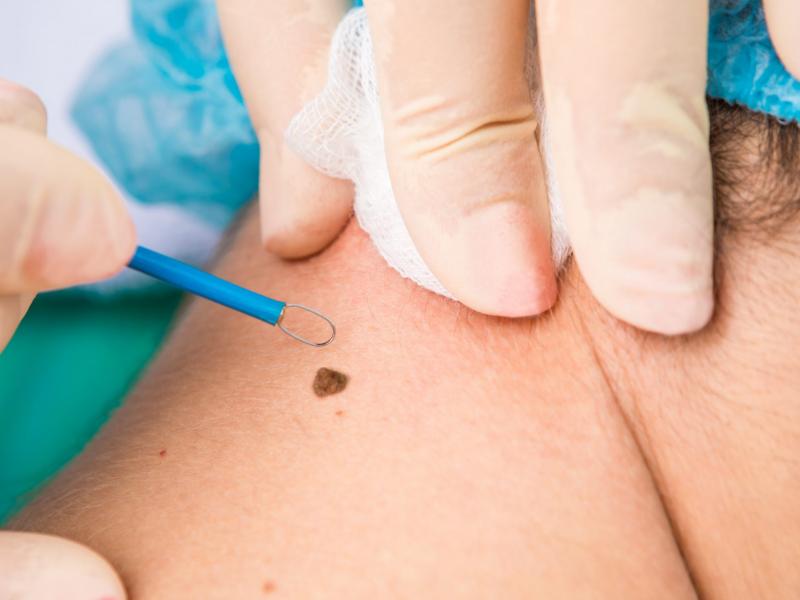
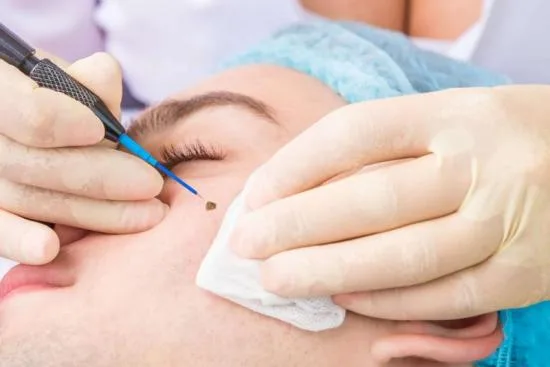
Two primary techniques dominate: laser treatment vaporizes tissue with precision, while scalpel excision allows histopathological analysis. The choice depends on lesion depth, location, and clinical suspicion. In Turkey, both methods are performed by board-certified dermatologists using modern equipment. Procedure duration ranges from 5–15 minutes. Recovery spans 3–7 days, with minimal scarring when proper aftercare is followed. Costs in Turkey remain 65–75% lower than Western Europe or North America, making the country a preferred destination for medical tourism in dermatology.


Getting a mole removed: Competitive costs in Turkey

Turkey offers exceptional value for mole removal procedures. Costs range from $150 to $400 per mole depending on size, depth, and removal method. Surgical excision typically costs $250 to $400 per lesion. Laser removal averages $150 to $300 per session. Multiple moles receive significant discounts through package pricing.

International patients benefit from comprehensive packages including consultation, procedure, post-operative medications, and follow-up care. Turkish facilities provide world-class dermatological expertise at 60 to 70% lower costs than North American and European clinics. All-inclusive medical tourism packages often include accommodation and transportation arrangements.

Turquie Santé specializes in customized mole removal solutions combining recognized medical expertise with competitive pricing. Board-certified dermatologists utilize advanced equipment and proven techniques. Transparent pricing eliminates hidden fees. Financing options accommodate various budgets. According to the International Society of Aesthetic Plastic Surgeons, Turkey ranks among top destinations for dermatological procedures with excellent safety records and patient satisfaction rates exceeding 95%. Your investment in Turkish mole removal delivers professional results comparable to premium Western clinics at fraction of the cost.

How much does your Mole Removal in Turkey ?

Removal MethodTurkeyFranceGermanyUnited States
Laser Mole RemovalFrom $150$600–$800$700–$950$900–$1,400
Scalpel Surgical RemovalFrom $250$700–$950$800–$1,100$1,200–$1,800
Cryotherapy RemovalFrom $180$500–$700$600–$850$800–$1,200
Electrosurgical RemovalFrom $220$650–$900$750–$1,050$1,000–$1,500

The price analysis is based on recent and verified patient invoices from less than six months ago.

Why choose Mole Removal with Turquie Santé ?

Chirurgien icon

Expert surgeons and JCI certified hospitals

Économie icon

Prices 35% to 50% cheaper than in Europe

Organisation icon

Medical stay organized from A to Z

Prix icon

Direct prices without commission

Résultat icon

Free assistance

All about your Mole Removal in Turkey
Overview
Alternative care
Benefits
Payment

Verified reviews : 811

Processed requests : 482

Intervention or treatment's duration :

Procedure duration: 5–15 minutes per lesion. Multiple moles can be treated in a single session. Anesthesia application adds 5 minutes.

Recovery time :

Initial healing: 3–5 days. Full epithelialization: 7–14 days. Scar maturation: 3–6 months. Sun protection mandatory for 4 weeks post-treatment to prevent hyperpigmentation.

Alternative treatments

Laser ablation for superficial lesions. Cryotherapy (liquid nitrogen freezing) for small, benign moles. Dermabrasion for flat pigmented lesions. Surgical excision with sutures for deeper or suspicious lesions requiring pathology review.

Highly qualified professionals in accredited institutions.


We assist you before, during, and after your trip


Book with full transparency, no hidden fees or commissions.

You will pay your clinic directly using these available methods:
Transfer

Verified testimonials from our patients

How it works ?

2
Services
We look for the best option for your case & budget
3
Hospital
Evaluating a care plan with the best quote
4
airplane
Making appointments & Organization of your trip
5
Health care
Ongoing support until you return home

Get a free medical opinion on Mole Removal with our 40 Recognized Clinics

Certifications :

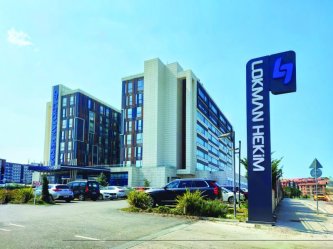
TÜV SÜD ISO 9001:2008 - Quality Management Certification LOKMAN HEKIM ISTANBUL
JCI - Joint Commission International LOKMAN HEKIM ISTANBUL
International Organization for Standardization (ISO) LOKMAN HEKIM ISTANBUL
LOKMAN HEKIM ISTANBUL
Istanbul, Turkey
Op.Dr. Murat YAMAN M.D

Op.Dr. Murat YAMAN M.D

4.7(62 Reviews)
Price on request

Certifications :

International Organization for Standardization (ISO) LIV Vadistanbul
TÜV SÜD ISO 9001:2008 - Quality Management Certification LIV Vadistanbul
AOSpine International — Global Spine Care Organization LIV Vadistanbul
JCI - Joint Commission International LIV Vadistanbul
LIV Vadistanbul
Istanbul, Turkey
Spec. Dr. Marziyeh Javadpour

Spec. Dr. Marziyeh Javadpour

Main Specialty : Dermatology Notable Trainings : Dermatoscopy, Dermatocosmetics, Dermatosurgery, Clinical Dermatology Mastered Techniques : Medical Dermatology, Aesthetic Dermatology, Dermatosurgery Notable Achievements : Vitiligo Disease with ... Read more
Spec. Dr. Onur Gündoğdu

Spec. Dr. Onur Gündoğdu

Main Specialty : Dermatology Years of Experience : 7 years. Significant Training : Master's in Cosmetology from Istanbul University, basic and advanced expertise training at Altınbaş University. Notable Achievements : Study of the presence of ... Read more
4.4(10 Reviews)
Price on request

Certifications :

Eurocrine — Endocrine Surgery Quality Registry LIV Ulus
SRC — Center of Excellence (Colorectal Surgery) LIV Ulus
TÜV SÜD ISO 9001:2008 - Quality Management Certification LIV Ulus
AOSpine International — Global Spine Care Organization LIV Ulus
LIV Ulus
Istanbul, Turkey
Specialist Dr. Tahsin Çağdaş Akaslan

Specialist Dr. Tahsin Çağdaş Akaslan

Main Specialty : Dermatology Years of Experience : 7 years. Notable Trainings : Cerrahpaşa Medical Faculty-English Medicine 2016, Bezmialem Vakıf University Skin and Venereal Diseases Specialization 2022, European Association of Dermatology and ... Read more
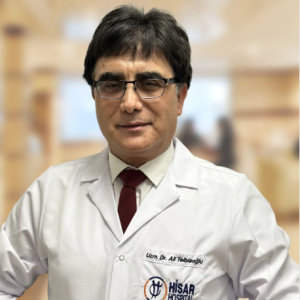
Assoc. Prof. Dr. Ali Baran Budak

Assoc. Prof. Dr. Ali Baran Budak

4.7(1 Reviews)
Price on request

Certifications :

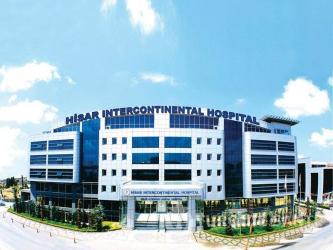
International Organization for Standardization (ISO) HISAR INTERCONTINENTAL
TÜV SÜD ISO 9001:2008 - Quality Management Certification HISAR INTERCONTINENTAL
JCI - Joint Commission International HISAR INTERCONTINENTAL
HISAR INTERCONTINENTAL
Istanbul, Turkey
Dr. Faruk Gençoğlu

Dr. Faruk Gençoğlu

OP. Dr. Hasan Sahin

OP. Dr. Hasan Sahin

4.4(220 Reviews)
Price on request

Certifications :

TÜV SÜD ISO 9001:2008 - Quality Management Certification MEMORIAL Şişli
International Organization for Standardization (ISO) MEMORIAL Şişli
JCI - Joint Commission International MEMORIAL Şişli
MEMORIAL Şişli
Istanbul, Turkey
Dr Füsun Karahanlı

Dr Füsun Karahanlı

Specialist in orthopedics and traumatology. Training at the Karadeniz Technical University and specialization at Dr. Lütfi Kırdar Kartal Hospital. Spinal surgery, trauma, arthroplasty, pelvis. Currently in the intercontinental orthopedics ... Read more
Dr. Gürkan YARDIMCI

Dr. Gürkan YARDIMCI

Main Specialty : Dermatology Years of Experience : 16 years. Notable Training : Specialization in skin and venereal diseases at Istanbul Cerrahpaşa University (2008 - 2012) Notable Achievements : 8 scientific publications in international ... Read more
4.5(34 Reviews)
Price on request

Certifications :

TÜV SÜD ISO 9001:2008 - Quality Management Certification MEMORIAL ANKARA
International Organization for Standardization (ISO) MEMORIAL ANKARA
JCI - Joint Commission International MEMORIAL ANKARA
MEMORIAL ANKARA
Ankara, Turkey
Op. Dr. İlker ÇÖMEZ

Op. Dr. İlker ÇÖMEZ

PROF.DR.SEMRA KAHRAMAN

PROF.DR.SEMRA KAHRAMAN

4.3(2 Reviews)
Price on request

Certifications :

International Organization for Standardization (ISO) MEMORIAL Bahçelievler
JCI - Joint Commission International MEMORIAL Bahçelievler
Leed Platinium Certificate MEMORIAL Bahçelievler
TÜV SÜD ISO 9001:2008 - Quality Management Certification MEMORIAL Bahçelievler
MEMORIAL Bahçelievler
Istanbul, Turkey
Uzm. Dr. Selma SALMAN

Uzm. Dr. Selma SALMAN

Main Specialty : Dermatology Years of Experience : 11 years. Notable Training : Kocaeli University Faculty of Medicine (Specialization in Dermatology and Venereology),Ege University Faculty of Medicine (Medical Doctor Training) Notable ... Read more
4.3(23 Reviews)
Price on request

Certifications :

JCI - Joint Commission International Florence Nightingale
TÜV SÜD ISO 9001:2008 - Quality Management Certification Florence Nightingale
Florence Nightingale
Istanbul, Turkey
Dr. Abdullah Eren

Dr. Abdullah Eren

Dr. Banu Bingöl Günenç

Dr. Banu Bingöl Günenç

Price on request

Certifications :

JCI - Joint Commission International AMERICAN HOSPITAL
TÜV SÜD ISO 9001:2008 - Quality Management Certification AMERICAN HOSPITAL
International Organization for Standardization (ISO) AMERICAN HOSPITAL
AMERICAN HOSPITAL
Istanbul, Turkey
Dr. Aylin Pelin Çil

Dr. Aylin Pelin Çil

Dr.Aylin Şimşek

Dr.Aylin Şimşek

Price on request

Certifications :

JCI - Joint Commission International MEMORIAL Antalya
TÜV SÜD ISO 9001:2008 - Quality Management Certification MEMORIAL Antalya
International Organization for Standardization (ISO) MEMORIAL Antalya
MEMORIAL Antalya
Antalya, Turkey
ASSOC PROF ISMAIL ONDER UYSAL

ASSOC PROF ISMAIL ONDER UYSAL

PROF DR DİLEK DEMİREZ

PROF DR DİLEK DEMİREZ

4.7(1 Reviews)
Price on request

Certifications :

JCI - Joint Commission International ACIBADEM
International Organization for Standardization (ISO) ACIBADEM
TÜV SÜD ISO 9001:2008 - Quality Management Certification ACIBADEM
ACIBADEM
Istanbul, Turkey
Dr. A.BÜLENT OKTAY

Dr. A.BÜLENT OKTAY

Dr. Ayşe Sagduyu Kocaman

Dr. Ayşe Sagduyu Kocaman

4.6(171 Reviews)
Price on request

You have consulted 7 / 40 Hospitals

Among our doctors

Everything you will need for your medical trip

Medical opinion and estimates

Expert opinions and cost estimates

Pre-trip consultations

Understand your procedure before traveling.

Visa assistance

We assist our patients in obtaining their visas from the consulates.

Translation of your medical reports

We guarantee free and certified translation of your medical documents from all languages.

VIP Transport

Your transfers will be provided from the airport and your hotel.

Continuous Follow-up

You will be assisted by your attending doctor even after returning to your country, via videos or messages.

Experiences of our patients – Turquie Santé

Emily White : Editorial Team Lead at Turquie Santécheck

Written by

Emily White

This content complies with the editorial policy of Turquie Santé. It was written by Emily White, Head of the Editorial Team, who has over 11 years of experience in scientific research and clinic management in Turkey. She ensures the reliability of medical information while making complex data accessible to everyone.

What are moles?

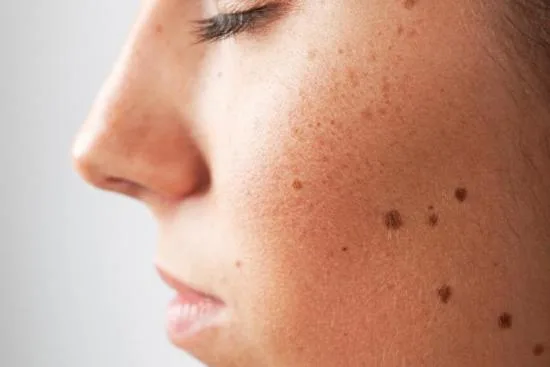
Melanocytic nevi, commonly called moles, are benign skin growths affecting approximately 73% of the adult population. These lesions develop from melanocytes, the pigment-producing cells in your skin. Location varies significantly. Face, neck, trunk, and limbs are most common sites for mole development.

Moles can be congenital (present at birth) or acquired throughout life. Size ranges from tiny pinhead lesions to larger patches exceeding one centimeter in diameter. Color typically appears brown, tan, or black depending on melanin concentration. Texture may be flat or raised, smooth or slightly bumpy.

According to dermatological literature from the American Academy of Dermatology, most moles are completely harmless and require no treatment unless they cause cosmetic concerns or show suspicious changes. Some individuals develop dozens of moles by adulthood. Understanding mole characteristics helps distinguish normal growths from potentially problematic lesions requiring professional evaluation and possible removal.

Is it effective to remove a mole at home?

Home mole removal poses serious health risks. Attempting removal with scissors, razors, or caustic substances like iodine and apple cider vinegar can cause severe complications including infection, scarring, and incomplete removal. These methods lack sterility and precision.

Major safety concerns include bacterial contamination, excessive bleeding, and permanent disfigurement. Unqualified removal may leave mole remnants beneath the skin surface, potentially leading to recurrence or malignant transformation if the lesion contained atypical cells. Pain and infection risk increase dramatically with non-professional techniques.

Research published in the Journal of Dermatological Surgery emphasizes that professional removal by dermatologists ensures proper diagnosis before treatment. Medical professionals can distinguish benign moles from melanoma or other skin cancers requiring specialized care. Home remedies delay appropriate medical evaluation and may allow dangerous lesions to progress undetected. Always consult qualified healthcare providers for safe, effective mole removal with minimal scarring and optimal outcomes.

When should I see a dermatologist about a mole?

Consult a dermatologist if your mole exhibits the ABCDE warning signs. Asymmetry means one half differs from the other. Border irregularity includes jagged or blurred edges. Color variation shows multiple shades within one lesion. Diameter exceeding six millimeters warrants evaluation. Evolution indicates recent changes in size, shape, or appearance.

Additional concerning features include itching, bleeding, or oozing from the mole surface. Sudden growth spurts or darkening deserve professional assessment. Family history of melanoma increases your risk significantly. People with fair skin, numerous moles, or previous sun damage require regular screening.

According to the American Cancer Society, early detection of skin cancer dramatically improves treatment outcomes and survival rates. Annual skin checks by dermatologists are recommended for high-risk individuals. Don't ignore changes you notice. Professional evaluation distinguishes harmless moles from melanoma and other malignancies. Dermoscopic examination reveals microscopic features invisible to the naked eye, enabling accurate diagnosis and appropriate management decisions.

Mole removal in Turkey: laser or scalpel

Turkish dermatologists employ two primary mole removal methods. Surgical excision using a scalpel provides complete removal with histopathological examination. Laser removal offers non-invasive treatment for superficial lesions. Your dermatologist selects the optimal technique based on mole depth, size, and location.

Initial consultation includes thorough skin evaluation and dermoscopic examination. This magnified assessment detects lesions invisible to naked eye examination. The dermatologist photographs your moles for baseline documentation and future comparison. Detailed discussion of removal options, expected outcomes, and recovery timeline follows.

Surgical excision suits deeper moles and suspicious lesions requiring pathological analysis. The procedure removes the entire mole with surrounding healthy tissue margins. Stitches close the wound, typically removed after seven to ten days. Laser treatment works best for flat, superficial moles without concerning features. Multiple sessions may be necessary for complete clearance. According to the International Society of Aesthetic Plastic Surgeons, Turkish medical facilities meet international standards for dermatological procedures, offering expertise comparable to Western clinics at significantly lower costs.

Postoperative recovery

Recovery duration varies based on removal method and individual healing capacity. Non-invasive laser treatment typically requires minimal downtime. Most patients resume normal activities within 24 to 48 hours. Surgical excision with stitches demands longer recovery, usually one to two weeks for initial healing.

Immediate post-removal care includes keeping the wound clean and dry. Your surgeon provides detailed wound care instructions. Antibiotic ointment application prevents infection. Pain management with over-the-counter analgesics addresses discomfort. Swelling and redness gradually diminish over several days to weeks.

Complete healing extends beyond visible wound closure. Scar maturation continues for three to six months as collagen remodels beneath the skin surface. Sun protection proves critical during this period. Sunscreen with SPF 30 or higher prevents hyperpigmentation and protects healing tissue. Avoid strenuous exercise and swimming for one week post-procedure. According to Aesthetic Surgery Journal, proper post-operative care significantly improves cosmetic outcomes and minimizes complications. Follow-up appointments monitor healing progress and address any concerns. Most patients achieve excellent results with minimal scarring when post-operative instructions are followed carefully.

Mole Removal FAQ in Turkey

When should a mole be removed?

Remove moles when they show suspicious characteristics suggesting possible melanoma or other skin cancer. The ABCDE criteria guide this decision: asymmetry, irregular borders, color variation, diameter exceeding six millimeters, and evolution or recent changes. Additionally, remove moles causing cosmetic concerns or located in areas subject to friction and irritation.

Moles on the face, neck, or other visible areas may warrant removal for appearance reasons. Lesions frequently irritated by clothing, jewelry, or shaving deserve consideration. Bleeding, itching, or oozing moles require immediate professional evaluation and likely removal. Family history of melanoma increases urgency for removing atypical moles.

Dermatologists recommend removal when moles demonstrate growth, darkening, or textural changes. Professional evaluation determines whether removal is medically necessary or cosmetically motivated. Early intervention prevents potential complications and ensures proper diagnosis through histopathological examination.

Is there a risk of reproduction of the mole after removal?

Recurrence risk depends on removal method. Surgical excision with complete removal of the mole and surrounding tissue margins virtually eliminates recurrence risk, typically below 2%. Laser treatment carries higher recurrence rates between 5 to 15% because it may not remove the entire lesion base. Incomplete removal leaves residual cells capable of regrowth.

Proper surgical technique significantly reduces recurrence. Dermatologists remove adequate tissue margins around the mole to ensure complete elimination. Histopathological examination confirms complete removal when stitches are used. Laser treatments may require multiple sessions for thorough clearance and permanent results.

New moles can develop elsewhere on your body throughout life, but this represents new lesion formation rather than recurrence of a removed mole. Sun exposure and genetic factors influence new mole development. Regular skin monitoring helps detect any concerning changes early.

Can I expose myself to the sun after having a mole removed?

Sun exposure must be avoided for at least two weeks following mole removal. Direct sunlight damages healing tissue and increases hyperpigmentation risk, causing permanent discoloration around the removal site. UV radiation impairs wound healing and increases infection risk. Protect the area with clothing or bandages during this critical period.

After initial healing completes, use broad-spectrum sunscreen with SPF 30 or higher on the treated area for three to six months. Reapply sunscreen every two hours and after swimming or sweating. Avoid peak sun hours between 10 AM and 4 PM when UV radiation is strongest. Protective clothing, hats, and sunglasses provide additional defense.

Complete scar maturation requires three to six months. Sun protection during this extended period optimizes cosmetic outcomes and prevents permanent pigmentation changes. Patients with darker skin tones face higher hyperpigmentation risk and require even more vigilant sun protection. Following these precautions ensures minimal scarring and optimal healing results.

Is it possible to remove several moles at the same time?

Yes, multiple moles can be removed in a single session. Most dermatologists safely remove three to ten moles during one appointment depending on size, depth, and location. Removing numerous lesions simultaneously reduces total treatment time and recovery period compared to multiple separate visits.

Surgical excision works well for batch removal of several moles. Laser treatment also accommodates multiple lesions in one session. Your dermatologist determines the optimal number based on your skin's healing capacity and the extent of treatment. Removing too many lesions simultaneously may compromise healing and increase infection risk.

Package pricing for multiple mole removal offers significant cost savings. Turkish clinics frequently provide discounts when removing five or more moles together. This approach proves especially economical for international patients traveling for treatment. Comprehensive removal of all concerning moles in one trip maximizes efficiency and minimizes total expenses.

What are the warning signs after mole removal?

Contact your dermatologist immediately if you experience excessive bleeding that doesn't stop after ten minutes of pressure. Signs of infection include increasing redness, warmth, swelling, pus drainage, or foul odor from the wound. Fever above 101°F indicates systemic infection requiring urgent medical attention.

Severe pain disproportionate to the procedure suggests complications. Allergic reactions to medications or sutures cause itching, hives, or difficulty breathing. Wound separation or stitches coming loose before scheduled removal needs professional assessment. Unusual discharge colors or excessive fluid leakage warrant evaluation.

Delayed healing beyond expected timeframes, persistent numbness, or spreading redness around the removal site deserve medical review. Some swelling and mild discomfort are normal, but progressive symptoms indicate problems. Keep all follow-up appointments for wound assessment and suture removal. Report any concerns immediately rather than waiting for scheduled visits.

Share this page

Our assistants help you to get the best options in Mole Removal