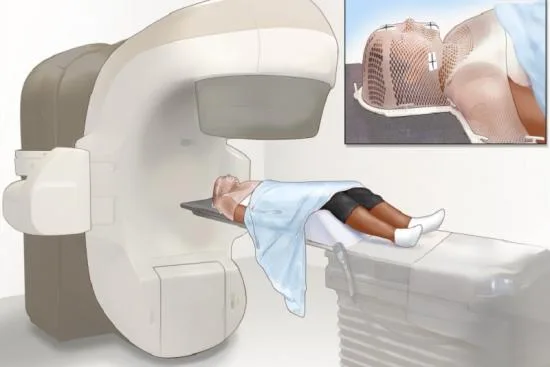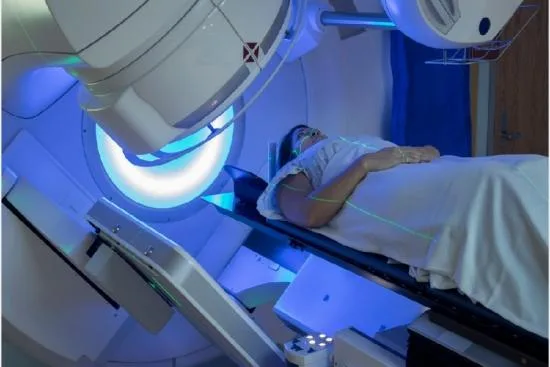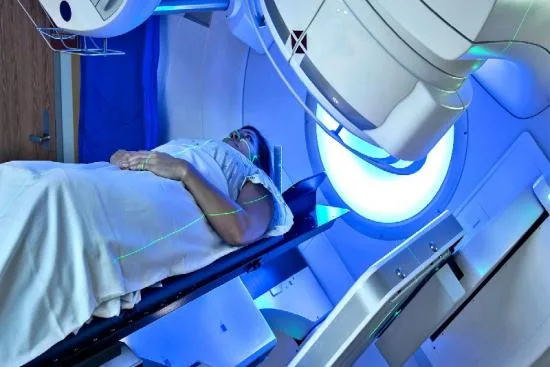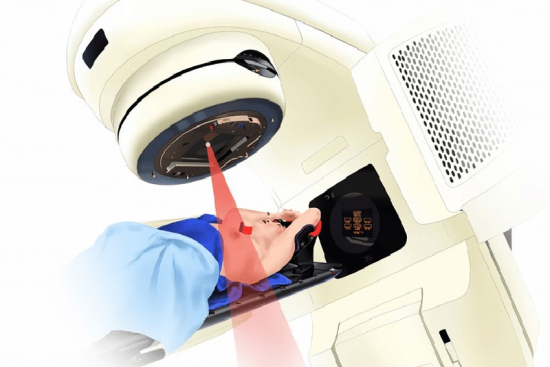




Being told that you or a loved one needs radiotherapy can feel overwhelming. Beyond the diagnosis itself, many patients want clear answers: which radiotherapy technique is most appropriate for their cancer type, how long the treatment will take, and where they can access high-level oncology care without unnecessary financial burden.
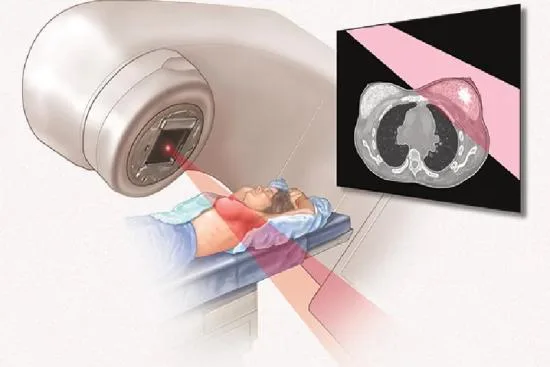
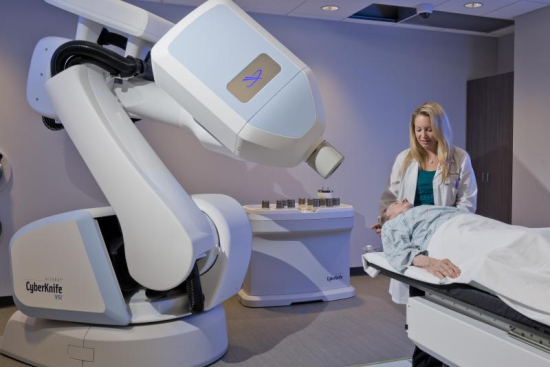
Radiotherapy is a cornerstone of modern cancer treatment, used either alone or in combination with surgery and chemotherapy depending on the tumor type, stage, and overall health condition. In Turkey, advanced radiotherapy techniques are available in specialized oncology centers equipped with state-of-the-art technology and multidisciplinary teams.
How much does radiotherapy cost in Turkey?
Radiotherapy is priced per treatment course (a full series of sessions),not per single session, total cost depends heavily on the technique, the number of fractions prescribed, and the hospital. Based on current market data across Turkey's main international hospitals, here's a realistic breakdown:
| Technique | Typical course | Approximate total cost (USD) |
| Conventional external-beam (EBRT) | 20-30 sessions over 4-6 weeks | $3,000 - $7,000 |
| IMRT (intensity-modulated) | 25-35 sessions | $6,000 - $11,000 |
| SBRT / SRS (stereotactic) | 1-5 sessions | $6,000 - $8,000 |
| Brachytherapy | 1-5 sessions | $4,000 - $9,000 |
| Hadrontherapy (proton/carbon ion) | Varies by protocol | $13,000 - $20,000+ |
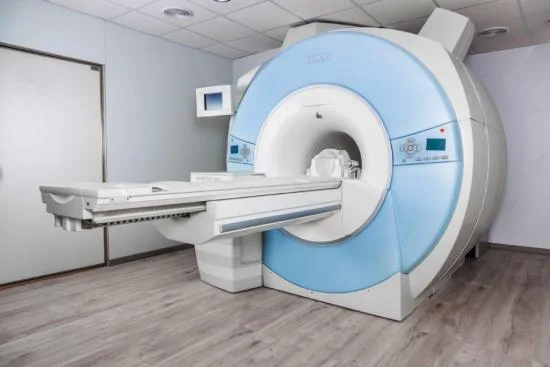
Figures are indicative averages compiled from current partner-clinic pricing and published 2025–2026 medical-tourism cost data; they exclude consultation, imaging (CT/MRI/PET),accommodation, and any combined chemotherapy. Request a free quote for an exact, itemized price based on your diagnosis and imaging.
Risks and Side Effects
- Fatigue: A very common side effect that usually subsides after treatment.
- Skin problems: Redness, dryness, itching, or color changes in the treated area, similar to a sunburn.
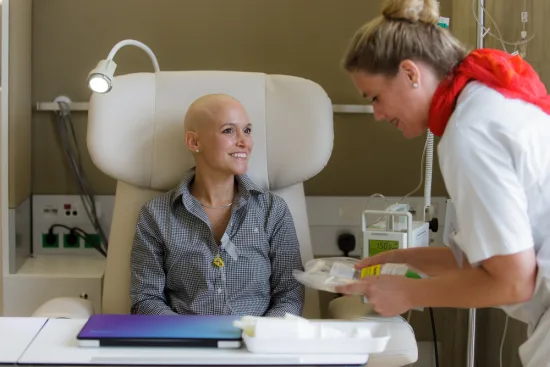
- Hair loss: Temporary and localized to the treated area.
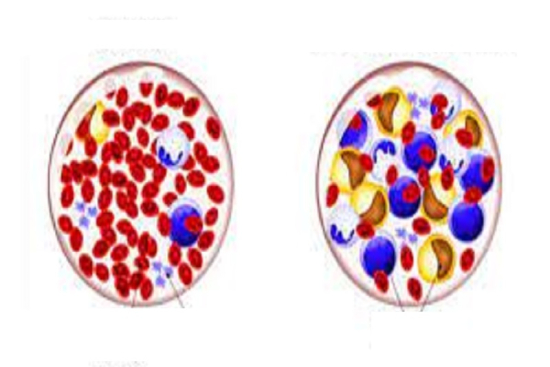
- Decrease in blood cells: May occur, especially if combined with chemotherapy.
- Nausea, vomiting, or digestive issues: Depending on the treated area (e.g., abdomen or pelvis).
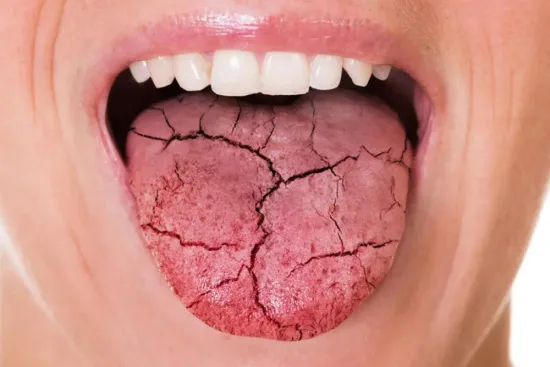
- Mouth and throat changes: Such as dry mouth, sores, or difficulty swallowing, if the head and neck area is treated.