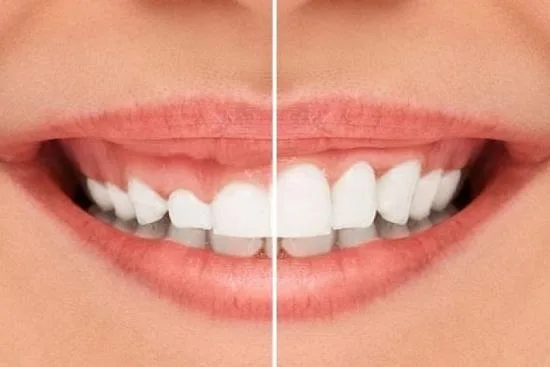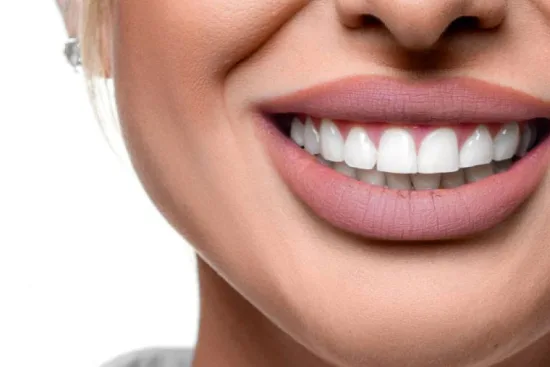



Dental veneers are placed in Istanbul to change the color, shape or alignment of visible teeth, using composite (about $90 to $230 per tooth) or ceramic such as porcelain and E-max (about $170 to $400 per tooth). Treatment usually takes two to three visits.
Turquie Santé has a dentist review your file, sends you a detailed quote, and organizes airport pickup, transfers, an interpreter and assistance 7 days a week.
The first criterion when choosing: a dentist who examines your teeth and bite, explains that traditional veneers require irreversible enamel removal (some laminate veneers need little or none),and treats decay or teeth grinding before placement.
Dental Veneers in Turkey: Prices and Treatment Options
Dental veneers are a cosmetic dentistry treatment used to improve the appearance of teeth. Through Turquie Santé's partner clinics, patients can choose between different veneer materials depending on their dental needs, aesthetic goals and budget. The prices below are indicative and are confirmed in a personalized quote.
Composite Veneers in Turkey
Composite veneers are generally the more affordable option. They typically cost around $90–$230 per tooth (€80–€200). The final price depends on the number of teeth treated, the dentist's technique and the complexity of the case.
Porcelain and Ceramic Veneers in Turkey
Porcelain and ceramic veneers are generally more durable and more aesthetic than composite veneers. They typically cost around $170–$400 per tooth (€150–€350). The price varies with the ceramic material, the laboratory work, the number of veneers and the complexity of the treatment.
E-max Veneers in Turkey
E-max veneers are made from lithium disilicate ceramic and are known for their translucency. Their price falls within the ceramic range above, depending on the clinic, the laboratory, the number of teeth treated and the complexity of the case. A personalized quotation is recommended.
Zirconia Veneers in Turkey
Zirconia veneers are another ceramic option, sometimes chosen when strength is a priority. Their price depends on the clinic, the laboratory, the number of teeth and the treatment plan, and is confirmed in a personalized quote.
Risks and Side Effects
- Enamel removal is irreversible with traditional veneers (typically a thin layer, about 0.5 mm),so the tooth depends on the restoration afterwards.
- Tooth sensitivity, especially after preparation.
- Chipping, cracking or debonding of a veneer. Fracture or chipping was the most frequent complication in the systematic review of ceramic veneers (Morimoto et al., 2016).
- Decay or gum irritation at the edge of the veneer if hygiene is poor or the seal weakens over time.
- Color mismatch or staining at the edge of the veneer over time.
- Higher risk of damage in people who grind their teeth (bruxism): a night guard is usually advised.
- Nerve (endodontic) problems in a small proportion of teeth (about 2% in the same review).
- Not recommended with active decay, severe gum disease, weak or heavily damaged teeth, or uncontrolled teeth grinding, until the problem is treated.