

Turquie Santé
Last update : 06/11/2026

Root canal treatment (Endodontics) in Turkey: Procedure, risks and recovery

Access internationally recognized healthcare with substantial savings compared with European prices.

Free Medical Opinion
Dental root canal treatment Turkey
793+
patient reviews
across all procedures

Root canal treatment, or endodontic therapy, removes infected or inflamed pulp (the nerve and blood vessel tissue inside a tooth),cleans and seals the canal system and restores the tooth, often with a crown, to keep the natural tooth instead of extracting it. It is needed when persistent tooth pain, sensitivity or an abscess signals infection of the pulp; left untreated, the infection can spread and the tooth may be lost.

Through Turquie Santé, patients can access root canal treatment at partner clinics in Turkey. Treatment is done under local anesthesia, which reduces pain during the procedure; some pressure or discomfort is possible, and soreness for a few days afterwards is common. The number of visits depends on the tooth and the case. Saving the tooth is not possible in every case. Turquie Santé helps you compare partner clinics and obtain an itemized quote before you travel.

Risks and Side Effects

  • Mild to moderate pain or discomfort (usually temporary)
  • Tenderness when biting or chewing
  • Mild swelling or gum tenderness
  • Temporary sensitivity
  • Residual or post-operative infection (if bacteria remain or seal fails)
  • Root or tooth fracture (if not protected by a crown)
  • Instrument separation (rare technical complication)
  • Allergic reaction (rare)
  • Nerve damage (rare)

Why choose Dental root canal treatment with Turquie Santé ?

Chirurgien icon

Accredited surgeons and hospitals (JCI, ISO)

Économie icon

Indicative prices, often lower than in Western Europe depending on the case

Organisation icon

Medical stay organized from A to Z

Prix icon

Detailed quote (included / not included) before your stay

Résultat icon

Free review of your file

All about your Dental root canal treatment in Turkey
Overview
Alternative care
Benefits
Payment

Intervention or treatment's duration :

  • The length depends on the tooth and the number of canals. More than one visit is sometimes needed.

Recovery time :

  • Mild soreness or sensitivity to pressure usually lasts a few days and varies from one patient to another.
  • Most people resume normal activities quickly; the treated tooth is protected until the final restoration is placed.

Alternative treatments
  • Pulp capping or pulpotomy in selected early cases.
  • Re-treatment or apicoectomy if a previous root canal fails.
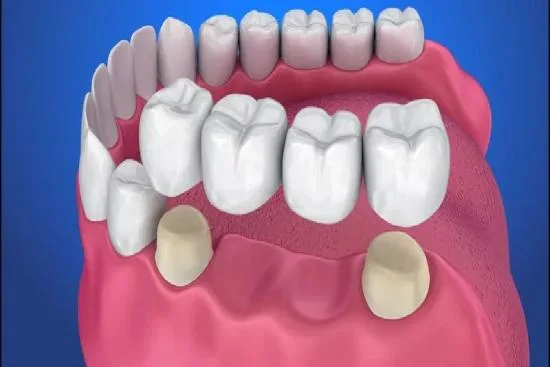
  • Extraction, followed by a dental implant or bridge, when the tooth cannot be saved.

Highly qualified professionals in accredited institutions.


We assist you before, during, and after your trip


A detailed quote is presented to you before your stay. Our support is free for the patient and any fees are specified in advance.

You will pay your clinic directly using these available methods:
Transfer

Verified testimonials from our patients

Solene R.
Verified review

I took advantage of my trip to Turkey to also have my teeth whitened with Turquie Santé. Since I was already there, it was the perfect opportunity to take care of my smile. The team clearly explained how the treatment would proceed and everything wen..Read more


25/08/2026
This patient was treated for Teeth whitening
MAHAMAT H.
Verified review

Went well. they all removed the implants and appointment is made beyond 2 months


20/06/2026
This patient was treated for Dental care
Sakho B.
Verified review

very well thank you


17/05/2026
This patient was treated for Teeth whitening
Bandja S.
Verified review

Good evening, thank you for taking my feedback

In fact, everything went well.


We were well received, Fadi is very professional.


On the other hand, compared to my sister, I leave a lit..Read more


16/05/2026
This patient was treated for Teeth whitening
Al Hawi D.
Verified review

Very satisfied, looking forward to coming back to start my treatments, very reassuring consultation and very attentive staff.


09/05/2026
This patient was treated for Dental bridge
MERTAH R.
Verified review

Everything went well thank you, we are satisfied thank you


02/05/2026
This patient was treated for Teeth whitening
Kaoukab N.
Verified review

everything has gone very well so far.


26/04/2026
This patient was treated for Dental implant
Brian C.
Verified review

After extensive research, I chose to have my dental implants done in Turkey with the help of Turquie Santé, which arranged my entire stay. I was treated at the Florence Nightingale Clinic by Dr. Tayfun Özdemir. I particularly appreciated the seriousn..Read more


22/04/2026
This patient was treated for Dental implant
Emily White : Medical Content Team Manager at Turquie Santécheck

Written by

Emily White

This content complies with the editorial policy of Turquie Santé. It was written by Emily White, Head of the Editorial Team, who has over 11 years of experience in scientific research and clinic management in Turkey. She ensures the reliability of medical information while making complex data accessible to everyone.

How it works ?

2
Services
We look for the best option for your case & budget
3
Hospital
Evaluating a care plan with the best quote
4
airplane
Making appointments & Organization of your trip
5
Health care
Ongoing support until you return home

Discover the best verified clinics for your Dental root canal treatment in Turkey

Certifications :

GCR Acreditation DENT AKADEMI
DENT AKADEMI
Istanbul, Turkey
Dr. Umur Arıkan

Dr. Umur Arıkan

23 years of experience
Graduate of Gazi University. 23 years' experience in dentistry. Started at Maltepe public clinic. Co-founder of Dentakademi. Specializes in cosmetic dentistry, oral diagnostics, implants, root canal treatment and gum health. International ... Read more
Dr. Emrah İpek

Dr. Emrah İpek

19 years of experience
Main specialty : Aesthetic dentistry and oral diagnosis Years of experience : Over 19 years Notable training : Graduate of the Faculty of Dentistry at Ankara University (2005),training in maxillofacial surgery at Osaka University, Japan ... Read more
4.7 / 5
4.7(30 Reviews)

Certifications :

JCI - Joint Commission International LOKMAN HEKIM ISTANBUL
International Organization for Standardization (ISO) LOKMAN HEKIM ISTANBUL
LOKMAN HEKIM ISTANBUL
Istanbul, Turkey
Dt. Shura Celik

Dt. Shura Celik

16 years of experience
Dr. Shura Celik is a dental specialist with 13 years of experience in comprehensive dental care. He has completed advanced training in implantology and prosthetic dentistry at Ankara University Faculty of Dentistry. Dr. Celik specializes in endodontic ... Read more
4.7 / 5
4.7(69 Reviews)

Certifications :

JCI - Joint Commission International MEMORIAL Şişli
International Organization for Standardization (ISO) MEMORIAL Şişli
MEMORIAL Şişli
Istanbul, Turkey
MD Ahmet ARPACI

MD Ahmet ARPACI

46 years of experience
Prof. Dr. Ahmet Nevzat Nayır

Prof. Dr. Ahmet Nevzat Nayır

41 years of experience
4.5 / 5
4.5(34 Reviews)

Certifications :

JCI - Joint Commission International LIV Vadistanbul
International Organization for Standardization (ISO) LIV Vadistanbul
LIV Vadistanbul
Istanbul, Turkey
Dr. Begüm Kayalak

Dr. Begüm Kayalak

7 years of experience
Main Specialty : Oral and Maxillofacial Surgery Years of Experience : 7 years. Notable Training : Ankara University Faculty of Dentistry (2009-2015); Marmara University Faculty of Dentistry, Department of Oral and Maxillofacial Surgery ... Read more
Dr. Hilal Yüksel Aksakal

Dr. Hilal Yüksel Aksakal

3 years of experience
Main Specialty : Pediatric Dentistry Years of Experience : 3 years. Notable Trainings : Bezmialem Vakif University Pediatric Dentistry, Marmara University Faculty of Dentistry Mastered Techniques : Prefabricated crown applications, Minimally invasive ... Read more
4.4 / 5
4.4(11 Reviews)

Certifications :

JCI - Joint Commission International HISAR INTERCONTINENTAL
International Organization for Standardization (ISO) HISAR INTERCONTINENTAL
HISAR INTERCONTINENTAL
Istanbul, Turkey
Dt. Salih SEVEN

Dt. Salih SEVEN

13 years of experience
Dr. Salih Seven specializes in comprehensive dental care with clinical expertise in endodontics. He performs root canal treatments as part of his endodontic practice, utilizing advanced diagnostic and radiological techniques. His training at Cumhuriyet ... Read more
Dr. Mithat Terzi, M.D

Dr. Mithat Terzi, M.D

16 years of experience
Main specialty: Periodontology and implantology Years of experience: Over 16 years Notable training: Dental medicine at Atatürk University; specialization and doctorate in periodontology; assistant professor at Afyon Kocatepe University and Abant İzzet ... Read more
4.4 / 5
4.4(221 Reviews)

Certifications :

International Organization for Standardization (ISO) LIV Ulus
JCI - Joint Commission International LIV Ulus
LIV Ulus
Istanbul, Turkey
Dr. Aydan Gürcan

Dr. Aydan Gürcan

16 years of experience
Main Specialty : Dental Care Years of Experience : 16 years. Notable Trainings : Yeditepe University Faculty of Dentistry (2010),Istanbul University Faculty of Dentistry Prosthetic Dental Treatment Department Mastered Techniques : Prosthetic Dental ... Read more
Dr. Melisa Albayrak

Dr. Melisa Albayrak

6 years of experience
Main Specialty : Pediatric Dentistry Years of Experience : 6 years. Notable Training : Yeditepe University Faculty of Dentistry / 2015-2020, Yeditepe University Faculty of Dentistry, Department of Pediatric Dentistry / 2020-Current / PhD Mastered Techniques : ... Read more
4.7 / 5
4.7(1 Reviews)

Certifications :

International Organization for Standardization (ISO) ISTANBUL AESTHETIC CENTER
ISTANBUL AESTHETIC CENTER
Istanbul, Turkey
Aylin Turan

Aylin Turan

Specialist in dentistry in Istanbul, obtained his doctorate in dentistry from Dicle University in 2004. Experience at the Kartal oral health hospital in various dental fields. Expertise in composite applications, placement of composite veneers, training ... Read more
4.3 / 5
4.3(108 Reviews)

You have consulted 7 / 31 Hospitals

🩺 Medical note — The content of this page is provided for information purposes and in accordance with our medical charter. It does not constitute medical advice and does not replace a consultation with a healthcare professional. Prices are indicative and will be specified in a personalized quote after reviewing your file. Any treatment must be assessed and approved by a qualified doctor.

What is root canal treatment (Endodontic therapy)?

Root canal treatment, also called endodontic therapy, removes infected or inflamed pulp (the nerve and blood vessel tissue inside a tooth) to relieve pain, clear infection, and try to keep the natural tooth. Left untreated, an infected pulp (pulpitis) can progress to an abscess and spread infection into the surrounding bone.

The procedure in three clinical stages:

  1. Access and cleaning: the dentist opens the tooth and removes the infected or necrotic pulp.
  2. Shaping and disinfection: the canals are shaped and disinfected.
  3. Filling and sealing: the canals are filled with a biocompatible material (typically gutta-percha) and sealed to limit reinfection.

Ask your clinic whether it uses rotary instruments and an operating microscope, which can help with complex or curved canals.

When do you need a root canal?

You may need a root canal if you notice:

  • Persistent or throbbing tooth pain, especially at night.
  • Sharp sensitivity to hot or cold that lingers after the stimulus is removed.
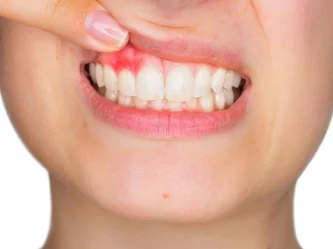
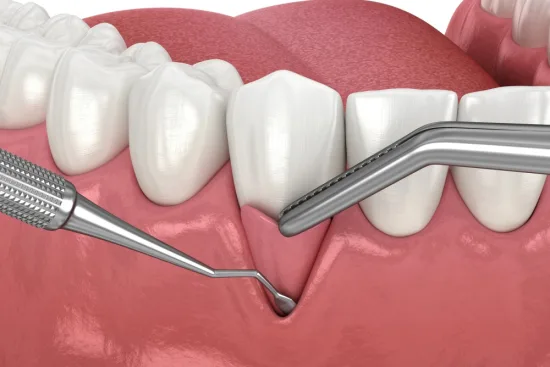
  • Swollen, tender gums or a small bump (abscess) near the tooth.
  • A tooth that has darkened or discolored.
  • Pain when chewing or biting down.

These symptoms point to pulpitis (inflamed pulp) or pulp necrosis (dead pulp),both of which require professional evaluation. A dentist confirms the diagnosis with a clinical exam and an X-ray, self-diagnosis isn't reliable, and delaying treatment increases the risk of losing the tooth.

What is the process of dental root treatment in Turkey?

Below is a simple, step-by-step breakdown of the root canal treatment process in Turkey.

  • Initial consultation: a dental examination and X-ray to assess the infection and damage.
  • Local anesthesia: reduces pain during the procedure; pressure or mild discomfort is still possible.
  • Cleaning the canal: removal of infected pulp, bacteria, and debris from inside the root canals.
  • Shaping the canals: canals are cleaned, shaped, and disinfected for filling.
  • Filling the canals: canals are sealed with a biocompatible material.
  • Temporary or permanent filling: a dental crown may be recommended for protection.

If you have tooth pain, see a dentist for a diagnosis.

What are the real risks of root canal treatment?

Root canal treatment succeeds in most cases (a systematic review, Burns et al., International Endodontic Journal, 2022, found about 82% by strict criteria and about 93% by loose criteria),but like any medical procedure it carries a small set of genuine risks you should know about:

  • Residual or post-operative infection, if bacteria remain in a canal that was missed or incompletely cleaned
  • Root or tooth fracture, since a treated tooth becomes more brittle over time without a protective crown
  • Instrument separation, a rare technical complication where a small file fragment stays inside a canal
  • Incomplete sealing, which can allow bacteria to re-enter months or years later
  • Treatment failure, requiring re-treatment or, in rare cases, an apicoectomy (surgical removal of the root tip) or extraction

Ask the clinic whether it uses digital imaging and an operating microscope: they can make curved or narrow canals easier to treat accurately.

What are the alternatives to root canal treatment?

AlternativeBest suited forTrade-off vs. full root canal
Pulp cappingPulp exposed but not yet infected (early decay or a minor crack)Aims to preserve the healthy pulp, but only applies before infection sets in; not an option once the pulp is inflamed
Pulpotomy (partial pulp removal)Selected cases, such as baby teeth, or emergency pain relief before full treatmentRelieves pain, but doesn't remove all infected tissue
PulpectomyFull pulp removal, often a first stepEssentially the first stage of a root canal, usually followed by the full procedure
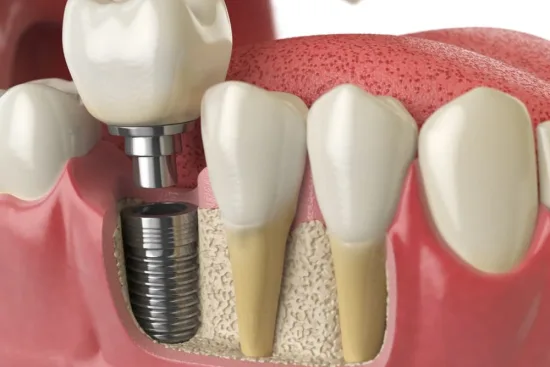
Extraction + dental implantTooth too damaged to keep (severe fracture, extensive bone loss)Removes the damaged tooth; involves additional treatment, healing time and cost

The choice between root canal treatment and extraction depends on the condition of the tooth. Your dentist will advise you after examination and X-ray.

What happens after treatment? Recovery and long-term prognosis

The result of a root canal treatment depends not only on the procedure itself but also on recovery and follow-up care. Knowing what to expect after treatment and which signs require dental attention can help you act early if a problem appears.

Recovery

Mild soreness, sensitivity to pressure, or slight gum tenderness for a few days is common. Recovery varies from one patient to another.

Aftercare:

  • Take the pain medication your dentist recommends, at the doses indicated. Never change or stop a prescribed medication without the advice of the doctor who prescribed it.
  • Avoid chewing on the treated tooth until it's fully restored.
  • Maintain gentle but thorough brushing and flossing.
  • Attend the follow-up appointment for the permanent restoration or crown, if one is needed.

Do you need a crown afterward?

Often, especially for molars and premolars. A tooth that has had its pulp removed can be more brittle and prone to cracking under chewing pressure, and a crown can protect it. Your dentist will tell you whether your specific tooth needs one.

Signs of treatment failure to watch for

Contact your dentist if, weeks or months after treatment, you notice:

  • Pain or swelling returning in the same tooth.
  • A new abscess or pimple-like bump on the gum.
  • Sensitivity that doesn't improve or gets worse over time.

These can indicate a missed canal, reinfection, or a crack. Depending on the case, the options are re-treatment, a surgical procedure on the root tip (apicoectomy) or extraction.

Can a root canal fail or need to be repeated?

Yes, in a minority of cases. According to a systematic review (Burns et al., International Endodontic Journal, 2022),about 82% (strict criteria) to 93% (loose criteria) of primary treatments are successful, and re-treatment may be necessary depending on:

  • The complexity of the root canal anatomy (curved or extra canals).
  • How advanced the infection was before treatment.
  • Post-treatment oral hygiene and whether a crown was placed in time.

If retreatment is needed, your dentist reopens and recleans the canal before resealing it.

Why Choose Turquie Santé for Root Canal Treatment in Turkey?

Turquie Santé is a medical travel platform, not a clinic. We don't perform treatments ourselves: we put you in touch with partner dental clinics in Turkey, help you obtain a quote, and support you during your trip. Check each clinic's accreditations and each dentist's qualifications yourself before booking.

  • An itemized quote before you travel.
  • Coordination in several languages and translated medical reports.
  • Follow-up support after you return home.
Related medical articles

Experiences of our patients – Turquie Santé

Dental root canal treatment FAQ

How much does a root canal cost in Turkey?

Indicative prices at partner clinics range from about $175 to $400 per tooth (about €150 to €350),depending on the tooth, the complexity of the case and the clinic. Molars with several canals and re-treatments usually cost more. Ask exactly what the quote includes (treatment, X-rays, restoration or crown, follow-up) and request it itemized before you travel.

What is a root canal treatment?

A root canal treatment is a dental procedure that removes infected or inflamed pulp from inside a tooth, cleans and disinfects the canals, and seals them so the natural tooth can be kept. The tooth is then restored, often with a crown. It is done under local anesthesia.

Is a root canal painful?

The procedure is done under local anesthesia, so it should not be painful, although you may feel pressure or mild discomfort. Soreness and sensitivity to biting for a few days afterwards are common. Contact your dentist if severe pain or swelling develops or persists.

Other procedures in this specialty

Share this page

Our assistants help you to get the best options in Dental root canal treatment