

Turquie Santé
Last update : 06/11/2026

Brain cancer treatment in Turkey: diagnosis, options and cost

Access care from specialist doctors in Turkey, at prices generally lower than those in Europe.

Free Medical Opinion
Brain cancer treatment Turkey
795+
patient reviews
across all procedures

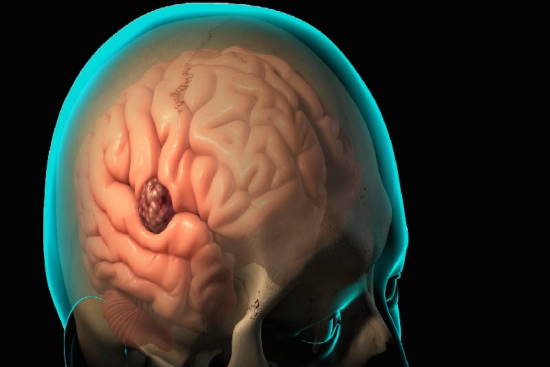
Brain cancer refers to malignant tumors that start in brain tissue (primary tumors such as gliomas) or that spread to the brain from another organ (metastases). Treatment depends on the type, grade and location of the tumor and usually combines surgery, radiotherapy and chemotherapy, sometimes with targeted therapy or immunotherapy. In Turkey, neurosurgeons and oncologists in Istanbul and other cities treat benign and malignant brain tumors with advanced imaging, neuro-navigation and radiotherapy.

Turquie Santé has your MRI, CT and pathology reports reviewed by a specialist and sends a personalized quote before any decision. The final plan is always made by the treating neurosurgical and oncology team.

Brain cancer treatment cost in Turkey

The cost of brain cancer treatment in Turkey depends on the type of brain tumor, the treatment approach, the complexity of the surgery, the hospital and the technologies used. Some patients only need surgery, while others need additional radiotherapy or chemotherapy. The figures below are indicative and not binding.

TreatmentIndicative cost (USD)What's included
Brain tumor surgery$9,000 – $17,000Surgeon's fees, anesthesia, operating room, hospital stay and post-operative follow-up.
RadiotherapyFrom $4,000Planning scans, treatment planning and a course of radiotherapy sessions; the final price depends on the technique (for example conformal, IMRT or radiosurgery) and the number of sessions.
ChemotherapyQuoted per protocolDrugs and administration per cycle; the price depends on the drugs and the number of cycles defined by the oncologist.
Comprehensive brain cancer treatment$12,000 – $25,000+Surgery (when required) with additional treatments such as radiotherapy or chemotherapy according to the patient's treatment plan.

The final cost is determined after reviewing your medical records, MRI or CT scans, biopsy results (if available) and the recommended treatment strategy. Ask what the quote includes and what could add to it (complications, extra hospital days).

Risks and Side Effects

  • Surgery: bleeding, infection, brain swelling, seizures, and neurological deficits depending on the area operated (speech, movement, vision, memory).
  • Radiotherapy: fatigue, hair loss in the treated area, skin irritation, and in some cases late effects on memory or concentration.
  • Chemotherapy: nausea, fatigue, low blood counts, infection risk.
  • Tumor recurrence is possible, so regular MRI follow-up is essential.
  • Surgery may be inadvisable when the tumor is in a critical area, when there are widespread metastases, or when general health is poor; the team will discuss alternatives.


Why choose Brain cancer treatment with Turquie Santé ?

Chirurgien icon

Accredited surgeons and hospitals (JCI, ISO)

Économie icon

Indicative prices, often lower than in Western Europe depending on the case

Organisation icon

Medical stay organized from A to Z

Prix icon

Detailed quote (included / not included) before your stay

Résultat icon

Free review of your file

All about your Brain cancer treatment in Turkey
Overview
Alternative care
Benefits
Payment

Intervention or treatment's duration :

The duration depends on the tumor and the plan chosen by the team: surgery requires a hospital stay of several days, radiotherapy is usually given over several weeks, and chemotherapy can last months and is often continued in your home country. Ask for an estimated schedule before you travel.

Recovery time :

Recovery depends on the surgery, the location of the tumor and the neurological status before treatment. Some patients need rehabilitation (speech, movement, cognition). The team tells you when it is safe to fly home.

Alternative treatments
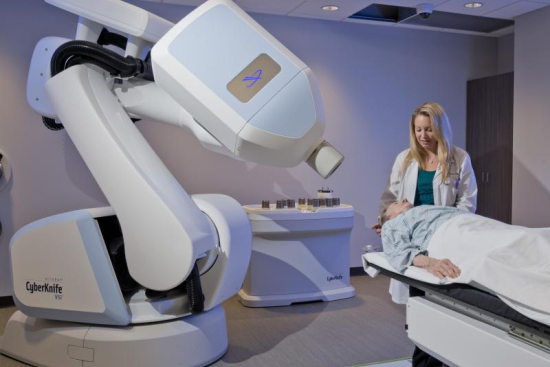
  • Stereotactic radiosurgery (for example Gamma Knife) for selected small tumors and metastases.

  • Radiotherapy and/or chemotherapy alone when surgery is not possible.
  • Targeted therapy or immunotherapy according to the molecular profile.
  • Active surveillance for some small, slow-growing benign tumors.
  • Palliative and supportive care.
Highly qualified professionals in accredited institutions.


We assist you before, during, and after your trip


A detailed quote is presented to you before your stay. Our support is free for the patient and any fees are specified in advance.

You will pay your clinic directly using these available methods:
Transfer

Verified testimonials from our patients

Karima B.
Verified review

very well in general, my father is better after the success of the removal of his brain tumor, I congratulate the doctor Sultan Tarlaci and Kevin who organized everything for me, except the day of my arrival at the airport I struggled to find the dri..Read more


11/02/2026
This patient was treated for Brain cancer treatment
Embarka Z.
Verified review

I received treatment for brain cancer at Memorial Şişli. I would like to thank the team for their professionalism and support during a difficult time. The hospital also has equipment that gave me confidence in the care I received.


22/04/2025
This patient was treated for Brain cancer treatment
Pauline M.
Verified review

A mastectomy is not just an operation. Before going through it, I had a lot of doubts. After the operation, it took time to recover and to get used to my changed body. Some days were harder than others. Throughout that period, the Turquie Santé team ..Read more


15/06/2026
This patient was treated for Mastectomy
MESROUCHE EL H.
Verified review

I had a PET scan at Hisar Intercontinental. The examination went smoothly, and the staff were professional. I just found the wait for the results a little long.


06/05/2026
This patient was treated for Pet-Scan (Pet-CT)
arbadji Z.
Verified review

very satisfied with the care and quality and competence of the doctors. I have to come back in a few months to continue my care.


17/03/2026
This patient was treated for Oncology-Cancerology
Imane B.
Verified review

I would like to thank the entire Turquie Santé team as well as the Acıbadem Clinic for their warm welcome and great professionalism. The care for my Hodgkin's disease was excellent, from the first consultation to the medical follow-up. I received car..Read more


03/03/2026
This patient was treated for Hodgkin's disease treatment
Jenny Y.
Verified review

I would like to share my experience with Turquie Santé and Memorial Clinic and to thank the coordinator Emily, who took the time to explain every step to me — she speaks French, which was great. She arranged a teleconsultation with Dr. Akin Yildiz, a..Read more


01/03/2026
This patient was treated for Mastectomy
Julie B.
Verified review

I thank the platform Turquie Santé for organizing my medical stay in Turkey. The hotel was comfortable, the interpreter was always there when needed, and my coordinator Emily really made a difference—present at every step, available and reassuring wh..Read more


10/02/2026
This patient was treated for Stomach cancer
Emily White : Medical Content Team Manager at Turquie Santécheck

Written by

Emily White

This content complies with Turquie Santé's editorial policy. It was written by Emily White, Head of the Editorial Team, who coordinates content creation and updates. She has 11 years of experience in medical communications and supporting international patients in Turkey.

Doç. Dr. Mustafa Emre ERCİNcheck

Medically reviewed by : Doç. Dr. Mustafa Emre ERCİN

Pathology Specialist

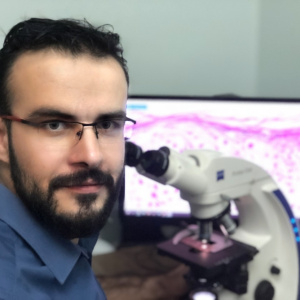
Dr. Mustafa Emre Ercin is an Associate Professor of pathology, an expert in cellular analysis and tissue diagnosis at LHU Ankara. A key link between research and clinical practice, he validates the terminological and diagnostic accuracy of our content, ensuring laboratory analysis explanations are scientifically exact.

Medical review does not replace an individual consultation.

Get a free medical opinion on Brain cancer treatment with our recognized clinics

Certifications :

International Organization for Standardization (ISO) LOKMAN HEKIM Üniversitesi
LOKMAN HEKIM Üniversitesi
Ankara, Turkey
Assoc.Prof.Yusuf AÇIKGÖZ

Assoc.Prof.Yusuf AÇIKGÖZ

9 years of experience
Main Specialty : Medical Oncology Years of Experience : 9 years. Notable Training : Faculty of Medicine, Internal Medicine, Medical Oncology Mastered Techniques : Clinical Trials, Biostatistics, Immuno-Oncology, Good Clinical Practices Notable Achievements : ... Read more
Prof. Dr. Nurullah ZENGİN

Prof. Dr. Nurullah ZENGİN

36 years of experience
Main Specialty : Medical OncologyYears of Experience : 36 years.Notable Training : Doctorate in Medicine, Specialization in Internal Medicine, Specialization in Medical Oncology.Notable Achievements : Member of the National Cancer Advisory Board, 194 articles ... Read more
4.7 / 5
4.7(1 Reviews)

Certifications :

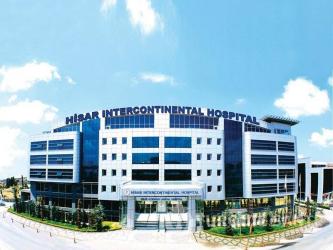
JCI - Joint Commission International HISAR INTERCONTINENTAL
International Organization for Standardization (ISO) HISAR INTERCONTINENTAL
HISAR INTERCONTINENTAL
Istanbul, Turkey
DR. MUSTAFA SOLAK

DR. MUSTAFA SOLAK

20 years of experience
Verified CV : Medical Oncology. Training: Hacettepe University; residency at Şişli Etfal Hospital, Istanbul; further oncology training at Hacettepe University Institute of Oncology. Expertise: diagnosis and treatment of malignant diseases and individualized ... Read more
Assoc. Prof. Dr. Sema KARAKAŞ

Assoc. Prof. Dr. Sema KARAKAŞ

18 years of experience
Main Specialty : Gynecological Oncology and Gynecology-ObstetricsYears of Experience : 18 years.Notable Trainings : Cerrahpaşa Faculty of Medicine / Istanbul University (2002-2008),Istanbul Bakırköy Dr Sadi Konuk EAH. Gynecology and Obstetrics Clinic ... Read more
4.4 / 5
4.4(222 Reviews)

Certifications :

International Organization for Standardization (ISO) LOKMAN HEKIM ISTANBUL
JCI - Joint Commission International LOKMAN HEKIM ISTANBUL
LOKMAN HEKIM ISTANBUL
Istanbul, Turkey
Prof. Dr. Cahit Kural

Prof. Dr. Cahit Kural

21 years of experience
Dr. Orhan ŞENCAN

Dr. Orhan ŞENCAN

38 years of experience
Main Specialty : Medical Oncology and Internal Medicine Specialist Years of Experience : 38 years. Notable Education : Hacettepe University (Faculty of Medicine),Ankara Training Hospital (Internal Medicine Specialization),Ankara University (Associate ... Read more
4.7 / 5
4.7(70 Reviews)

Certifications :

JCI - Joint Commission International MEMORIAL Şişli
International Organization for Standardization (ISO) MEMORIAL Şişli
MEMORIAL Şişli
Istanbul, Turkey
Mehmet Akif Öztürk

Mehmet Akif Öztürk

14 years of experience
Graduated in medicine from Marmara University (2003),specializing in internal medicine (2009) and medical oncology at Cerrahpaşa University (2012). Mandatory service at Hatay Antakya State Hospital (2012-2014),became assistant professor in 2015 and ... Read more
Prof. Betül Tavil

Prof. Betül Tavil

20 years of experience
Main specialty : Pediatric Hematology and OncologyYears of experience : More than 20 years.Key training : Hacettepe University Faculty of Medicine, Dr. Sami Ulus Children’s Hospital, Hacettepe University – Pediatric Hematology.Languages spoken : English, ... Read more
4.5 / 5
4.5(34 Reviews)
Get a free expert opinion via our Medical Quiz
Have you ever undergone a Brain cancer treatment ?

Certifications :

JCI - Joint Commission International LIV Vadistanbul
International Organization for Standardization (ISO) LIV Vadistanbul
LIV Vadistanbul
Istanbul, Turkey
Assoc. Prof. Dr. Murat Ayhan

Assoc. Prof. Dr. Murat Ayhan

19 years of experience
Main Specialty : Oncology Years of Experience : 19 years. Notable Training : Dicle University, Faculty of Medicine 2007; Associate Professor of Medical Oncology 2023 Mastered Techniques : Immunotherapy; Hormonal Therapy; Chemotherapy Notable Achievements : ... Read more
4.4 / 5
4.4(11 Reviews)

Certifications :

JCI - Joint Commission International LIV Ulus
International Organization for Standardization (ISO) LIV Ulus
LIV Ulus
Istanbul, Turkey
Prof. Dr. Emre Merdan Fayda

Prof. Dr. Emre Merdan Fayda

24 years of experience
Main Specialty : Oncology Years of Experience : 24 years. Notable Education : İstanbul University, İstanbul Medical Faculty, Bachelor’s Degree (1993-1999); İstanbul University Oncology Institute, Assoc. Prof. (2012-.....); Stereotactic Radiotherapy, ... Read more
Prof. Dr. Duygu Derin

Prof. Dr. Duygu Derin

33 years of experience
Main Specialty : Oncology Years of Experience : 33 years. Notable Trainings : Graduation from Istanbul University, Istanbul Faculty of Medicine in 1993; Specialization in Internal Diseases at Taksim Training and Research Hospital in 2001; Specialization in ... Read more
4.7 / 5
4.7(1 Reviews)

Certifications :

International Organization for Standardization (ISO) HIZMET By Memorial
JCI - Joint Commission International HIZMET By Memorial
HIZMET By Memorial
Istanbul, Turkey
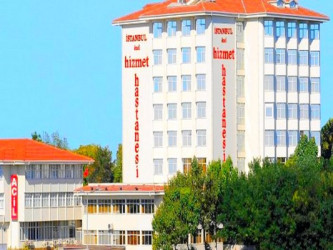
Multi-specialty hospital of good reputation 7 operating rooms Capacity of 77 beds
4.0 / 5
4.0(2 Reviews)

You have consulted 7 / 31 Hospitals

🩺 Medical note — The content of this page is provided for information purposes and in accordance with our medical charter. It does not constitute medical advice and does not replace a consultation with a healthcare professional. Prices are indicative and will be specified in a personalized quote after reviewing your file. Any treatment must be assessed and approved by a qualified doctor.

Causes of brain cancer

For most brain tumors, the exact cause is unknown. Established or suspected risk factors include:

  • Ionizing radiation: prior high-dose radiotherapy to the head, for example in childhood, increases the risk.
  • Inherited syndromes: neurofibromatosis, Li-Fraumeni syndrome, tuberous sclerosis and von Hippel-Lindau disease. Only a small share of brain tumors are hereditary.
  • Weakened immune system: for example after organ transplantation or with HIV/AIDS, which is linked to primary central nervous system lymphoma.
  • Age: risk rises with age for most adult brain tumors.

Cell phone use has been studied extensively; according to the U.S. National Cancer Institute, studies have not shown a consistent link with brain tumors. Many patients with brain cancer have no identifiable risk factor.

Symptoms of a brain tumor

Brain and spinal tumors can present with a variety of symptoms, depending on their location and whether they are benign or malignant.

In general, clinical signs only appear at an advanced stage, when the tumor has grown large enough to affect the function of the brain or spinal cord.

The most common symptoms of a brain tumor are:

  • Headache: Frequent, often worse in the morning or with exertion.
  • Memory problems: Frequent forgetfulness, difficulty remembering events or people.
  • Vision problems: blurred or double vision, or loss of visual field.
  • Epileptic seizures: sudden, uncontrolled seizures.
  • Abnormal movements: Shaking, clumsiness, lack of coordination.
  • Speech disorders: Difficulty speaking, finding words, or understanding speech.
  • Loss of balance: dizziness, staggering, frequent falls.
  • Coma: prolonged loss of consciousness.
  • Fine motor problems: Difficulty writing, handling fine objects.
  • Difficulty swallowing: choking, regurgitation.

You should seek immediate medical attention if you experience one or more of these symptoms.

Early diagnosis is critical for effective treatment of brain and spinal tumors.

Diagnosis of brain tumors

The diagnosis of a brain tumor relies on imaging, then on a tissue sample to identify the tumor type and grade:

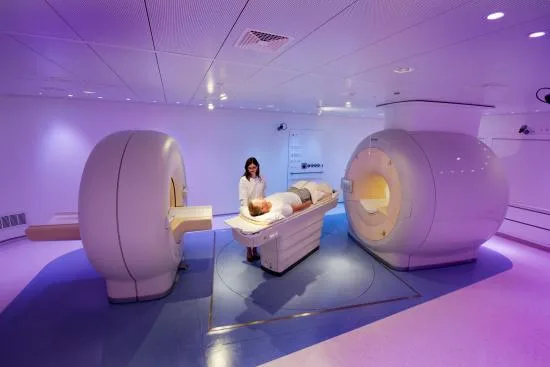
  • Magnetic resonance imaging (MRI): the main imaging test. It shows the size and location of the tumor and its relationship with critical brain areas, without radiation. Advanced MRI sequences can help plan surgery.
  • CT scan: useful in emergencies and to look at bone and bleeding.
  • PET scan: complements MRI in selected cases, for example to distinguish recurrence from treatment effects or to look for tumors elsewhere in the body. Its accuracy depends on the tumor type and the tracer used.
  • Biopsy or surgical sample: pathology and molecular testing confirm the diagnosis, grade the tumor and guide treatment.

A blood test alone cannot diagnose brain cancer. Your medical team decides which examinations you need.

Treatment of brain tumors

Brain cancer treatment in turkey is a complex and personalized process that combines different therapeutic options to optimize the chances of cure and preserve the patient's quality of life. Ongoing advances in oncology research in Turkey are helping to refine therapeutic strategies. More effective and less toxic alternatives are now available to our patients.

The main treatments used in the treatment of brain tumors are:

Surgical treatment

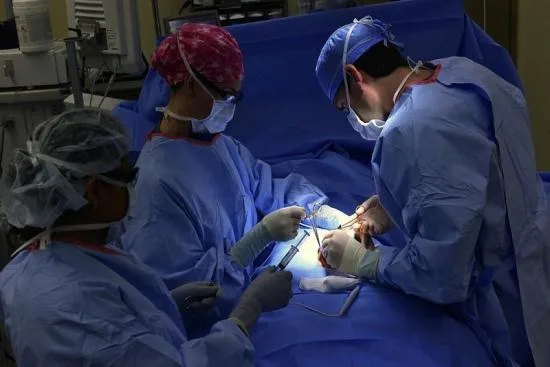
Surgery is often the first step in treatment with the goal of removing all or part of the tumor. The feasibility of surgery depends on the location and size of the tumor. Surgical techniques include

  • Craniotomy: Access to the brain through an opening in the skull.
  • Cerebral mapping: Use of electrical currents to identify functional areas of the brain and minimize neurological risks during surgery.
  • Cerebrospinal fluid drainage: Drainage of excess cerebrospinal fluid accumulated by the tumor to relieve intracranial pressure.

Chemotherapy:  Fighting cancer cells

Chemotherapy uses powerful drugs to destroy cancer cells. It can be given intravenously or orally and is often used in combination with radiation therapy or for recurrence after surgery.

Radiation therapy

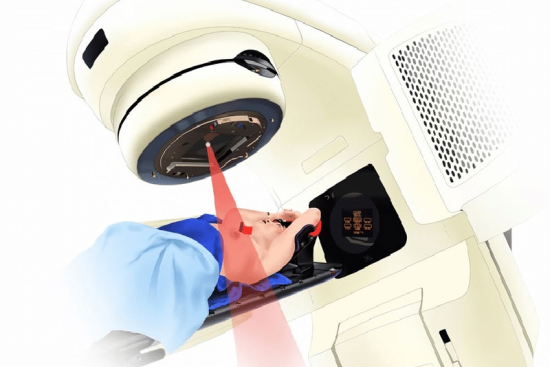
Radiation therapy uses beams of X-rays or other charged particles to target and destroy cancer cells. It may be used before surgery to reduce the size of the tumor, after surgery to eliminate residual cells, or in the event of a recurrence.

Immunotherapy approach

Immunotherapy stimulates a patient's immune system to recognize and attack cancer cells. This promising approach uses drugs or biological agents to activate immune cells or block the mechanisms that prevent the immune system from recognizing cancer.

Targeted therapy

Targeted therapy specifically attacks the molecular abnormalities present in cancer cells, thereby limiting damage to healthy cells. This approach uses drugs that block specific signaling pathways or inhibit the growth and division of cancer cells.

Terminal brain cancer: Chances of survival

Survival in brain cancer varies widely with the tumor type and grade. Some benign or low-grade tumors can be controlled for many years after surgery, while high-grade tumors are more aggressive. For glioblastoma, the most common aggressive primary brain tumor in adults, a landmark trial (Stupp et al., New England Journal of Medicine, 2005) reported a median survival of 14.6 months with radiotherapy plus temozolomide, compared with 12.1 months with radiotherapy alone; newer approaches and individual factors can change these numbers. These are averages and cannot predict what will happen to one patient.

The terminal phase is the stage when curative treatment is no longer an option. It is marked by great physical and psychological fragility, and the main objective becomes relieving suffering and supporting the patient and family.

The oncologist's prognosis takes into account several key factors:

  • Tumor grade: the higher the grade, the more aggressive the cancer.
  • Type of tumor and its molecular profile (for example IDH mutation, MGMT status).
  • The patient's age and general condition.
  • Tumor size, location and the extent of surgical removal.
  • Response to treatment.

Accompaniment and palliative care

The terminal phase of brain cancer is a difficult and upsetting time. However, it does not have to mean suffering and abandonment. With quality medical and human care, it is possible to guide patients through a serene transition, surrounded by their loved ones.

During this phase, the relief of pain and other physical symptoms becomes a priority. Palliative care, provided by our multidisciplinary team in Turkey, plays an essential role in the care of patients and their families. We provide physical, psychological, emotional and spiritual support to help them cope with this difficult time.

Supporting our patients also includes open, caring communication. We respect our patients' wishes and involve them in decisions about their care.

Related medical articles

Brain cancer treatment FAQ

Can brain cancer be detected in a blood test?

No, brain cancer cannot be diagnosed solely by a blood test. Blood tests can help detect markers or rule out other causes, but diagnosis is mainly based on MRI and CT scans. 

Is brain cancer hereditary?

No, the majority of brain cancers are not hereditary. However, approximately 5-10% of brain cancer cases have a hereditary or genetic component linked to inherited genetic factors or genetic syndromes.

Can brain cancer recur after treatment?

Yes. The risk depends on the type and grade of the tumor. Close follow-up with MRI scans and specialist consultations is crucial for early detection. In case of recurrence, new treatment options are available.

What are the main types of brain tumors and how are they treated?

Gliomas (including glioblastoma) arise from glial cells and usually need surgery followed by radiotherapy and chemotherapy. Meningiomas arise from the membranes around the brain; many are benign and can be treated by surgery, radiosurgery or observation. Brain metastases come from cancers elsewhere in the body and are treated with radiosurgery, surgery, radiotherapy and drug therapy depending on the number and size of lesions. The treatment plan is based on pathology and molecular testing, and is decided by a multidisciplinary team.

How much does brain tumor surgery cost in Turkey?

Indicative prices on this page range from about $9,000 to $17,000 for brain tumor surgery and from about $12,000 to $25,000 or more for a comprehensive course including radiotherapy or chemotherapy. The final cost depends on the tumor, the technique, the hospital and the length of stay, and is stated in a personalized quote after your MRI or CT scans and reports have been reviewed.

Can I get a second opinion on my brain tumor from Turkey before traveling?

Yes. You can send your MRI or CT images, pathology report and clinical summary to Turquie Santé for a remote review by a specialist. The specialist tells you whether the proposed treatment is suitable, whether other options exist (surgery, radiosurgery, radiotherapy, drug therapy) and gives a quote. A second opinion is especially useful before surgery for a tumor close to critical brain areas.

Other procedures in this specialty

Share this page

Our assistants help you to get the best options in Brain cancer treatment