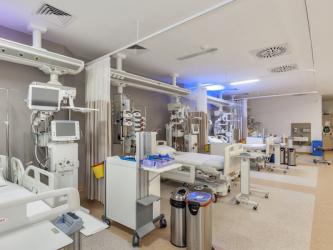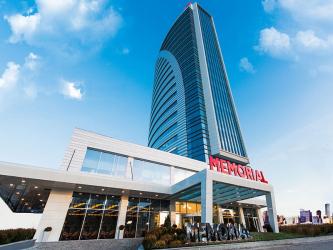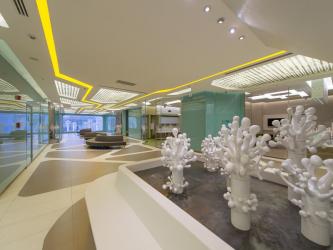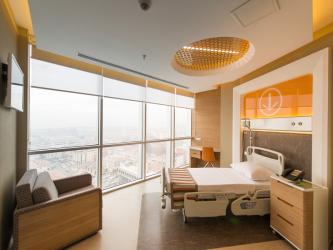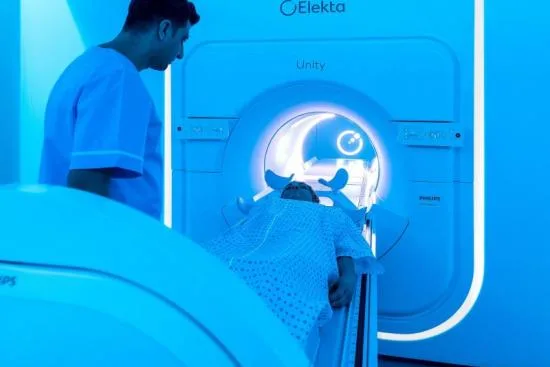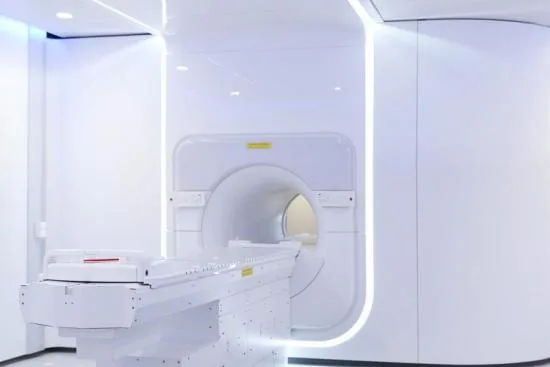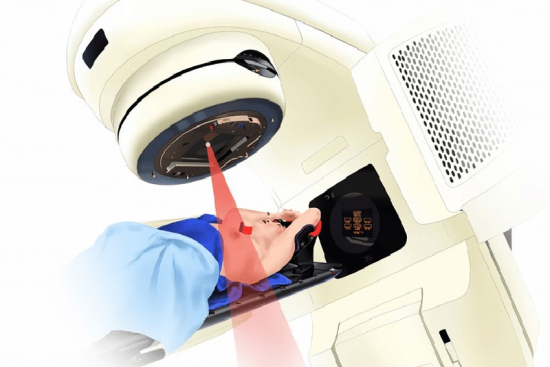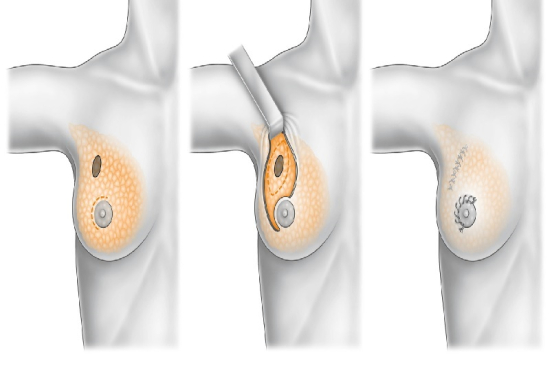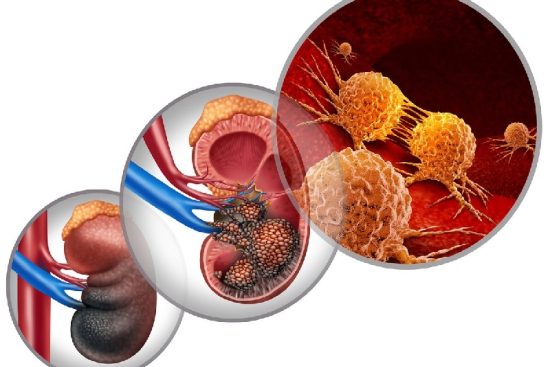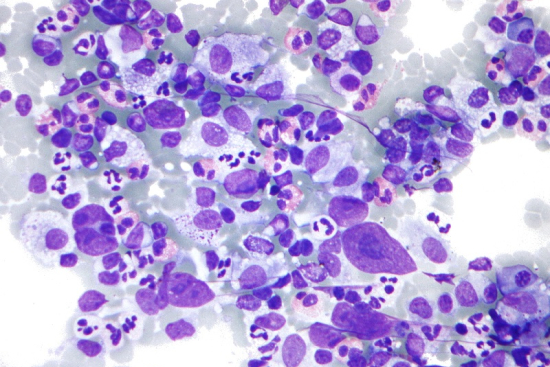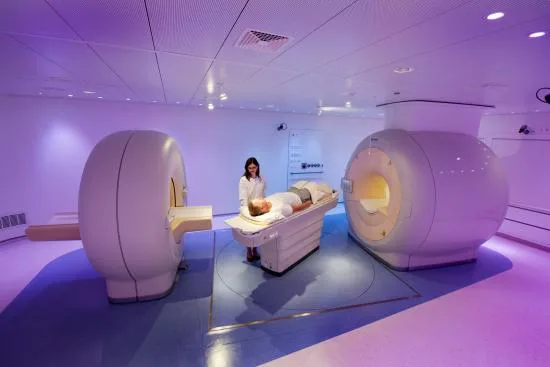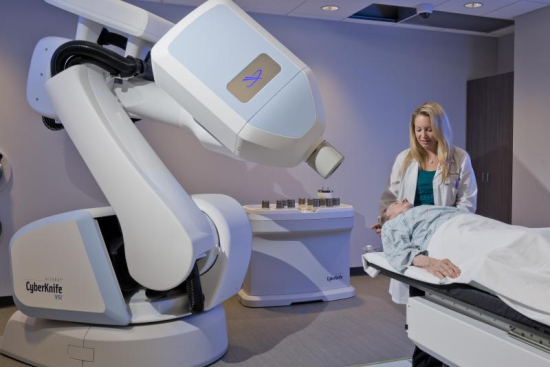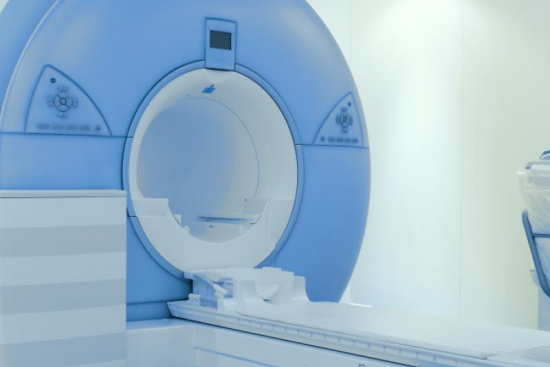







MR-LINAC combines magnetic resonance imaging with linear accelerator technology to deliver radiation therapy with real-time tumor tracking, and it's now available in Turkey at significantly lower costs than Western countries. International patients seeking advanced cancer treatment increasingly choose Turkish clinics offering this technology because the pricing ranges from 8,500 to 18,000 EUR, roughly 40% to 60% less than equivalent procedures in Germany, France, or the United States.
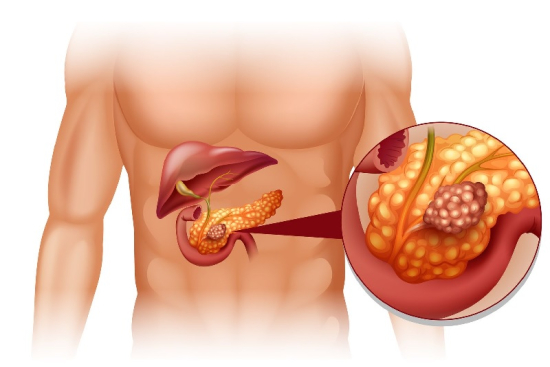
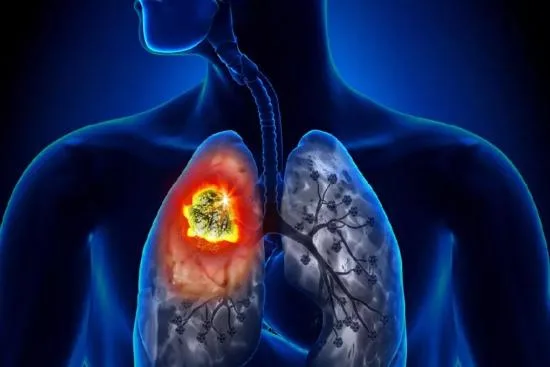
What sets this approach apart from conventional radiotherapy? The system continuously tracks tumor movement during each session, adjusting the radiation beam in real time as the patient breathes and tissues shift. Traditional treatment relies on static imaging taken before the session, essentially targeting an estimated position rather than the actual tumor location. This real-time adaptation proves especially valuable for lung, liver, and pancreatic cancers, where organ movement is substantial.
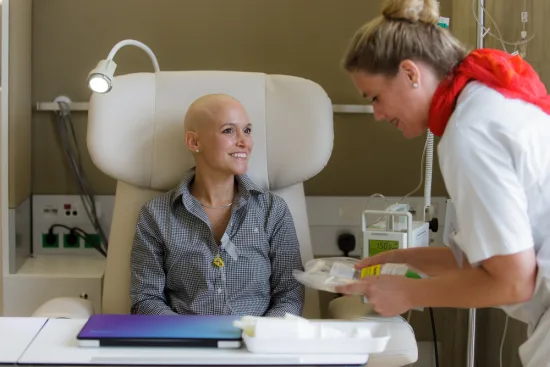
The clinical outcome speaks clearly: patients undergoing image-guided radiotherapy in Turkey generally experience fewer side effects than those receiving conventional treatment. Fatigue, skin irritation, and digestive disturbances still occur, but typically at reduced severity. Recovery timelines vary depending on individual factors, though most patients resume normal activities within 2 to 3 weeks after completing their course. Follow-up imaging continues for up to 5 years to monitor treatment response and detect any recurrence early.
Higher radiation doses reach cancer cells while surrounding healthy tissue receives minimal exposure. This precision translates to better tumor control outcomes and reduced long-term complications compared to traditional approaches. The financial advantage allows more patients to access this advanced technology without compromising on medical quality, as Turkish clinics accredited by JCI maintain international safety standards while operating at lower cost structures.
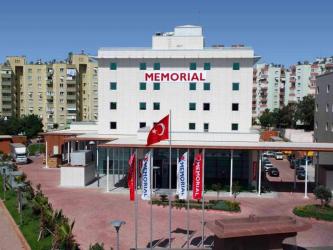
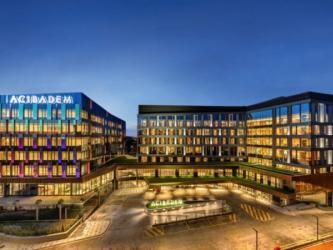
Selecting the right center requires careful consideration. Not all Turkish hospitals possess MR-LINAC equipment, as the technology demands substantial capital investment and specialized training. Verify that your chosen facility has board-certified radiation oncologists, active partnerships with international cancer research networks, and transparent pricing structures before committing to treatment.
Risks and Side Effects
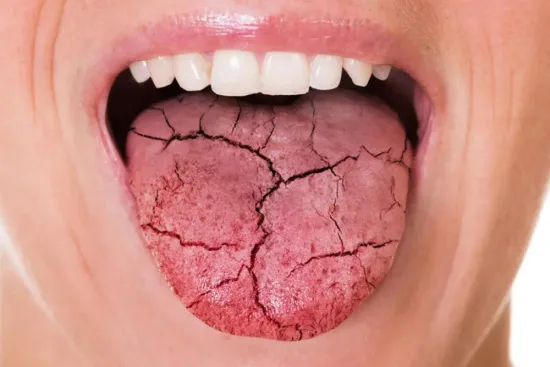
Common side effects include fatigue (reported in 60% to 75% of patients),skin itching or redness at the beam entry site, headaches, difficulty swallowing (for head and neck tumors),and digestive disturbances. Most resolve within 2 to 4 weeks after treatment completion. Rare but serious risks include secondary malignancy years later and radiation-induced fibrosis affecting organ function.