



Turquie Santé
+33 988 18 89 81
Last update : 04/02/2026

Meningioma (Meningeal Tumor) | Symptoms, Diagnosis & Treatment in Turkey 2026

Meningioma Treatment Turkey
90%
Success rate
771+
patient reviews
Patient icon
600K+
Requests received since 2018
Clinique icon
31
Clinics
Clinique icon
4.6
Ville icon
5
Cities
Docteurs icon
2K+
Recognized doctors

Hearing the word “meningioma” for the first time can feel overwhelming. Is it cancer? Will surgery be necessary? What happens next?

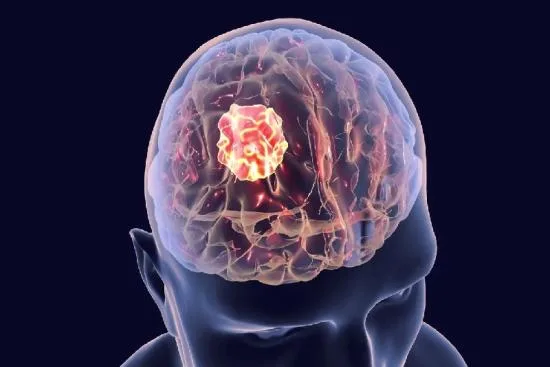
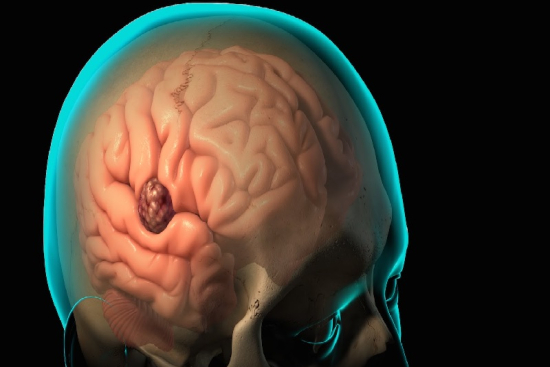
Most meningiomas are benign, slow-growing tumors that develop in the meninges, the protective layers around your brain and spinal cord. Many are discovered by chance and don't cause symptoms.

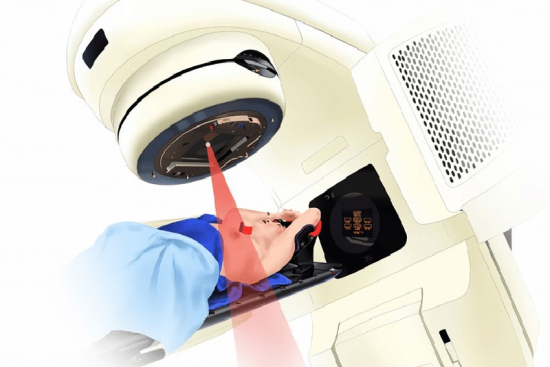
When treatment is needed, modern approaches in Turkey are precise, minimally invasive, and tailored to your condition. Whether it's careful monitoring, targeted radiation, or surgery, understanding your options can help you move from uncertainty to a clear, confident plan

Why undergo Meningioma Treatment with Turquie Santé ?

Chirurgien icon

Expert surgeons and certified hospitals

Économie icon

Prices 35% to 50% cheaper than in Europe

Organisation icon

Medical stay organized from A to Z

Prix icon

Direct prices without commission

Résultat icon

Free assistance 24/7

All about your Meningioma Treatment in Turkey

Overview
How it works
Benefits
Payment

Verified reviews : 771

Processed requests : 31

1

Send your request online

2

We look for the best option for your case & budget

3

Evaluating a care plan with the best quote

4

Making appointments & Organization of your trip

5

Ongoing support until you return home

Highly qualified professionals in accredited institutions.


We assist you before, during, and after your trip


Book with full transparency, no hidden fees or commissions.

You will pay your clinic directly using these available methods:

Transfer

Get a free medical opinion on Meningioma Treatment with our 43 Recognized Clinics

Certifications :

Doctors, Price & Reviews Joint Commission International
Doctors, Price & Reviews ISO 9001:2008
Doctors, Price & Reviews International Organization for Standardization (ISO)
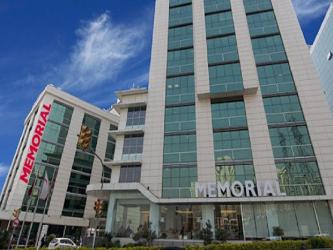
MEMORIAL Şişli
Istanbul, Turkey
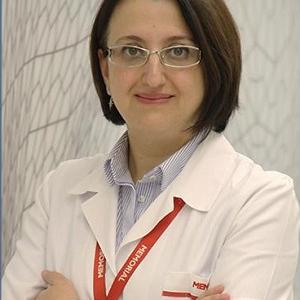
Dr. Gülsüm ÇEBİ

Dr. Gülsüm ÇEBİ

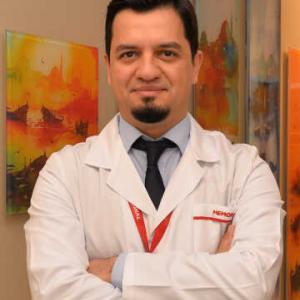
Prof. Olcay GÜLER

Prof. Olcay GÜLER

4.5
Guaranteed Direct PriceGuaranteed Direct Price

Certifications :

Doctors, Price & Reviews Joint Commission International
Doctors, Price & Reviews ISO 9001:2008
Doctors, Price & Reviews International Organization for Standardization (ISO)
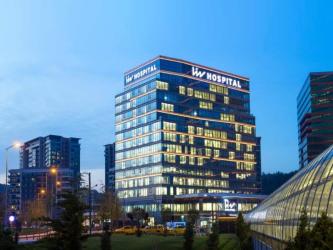
LIV Vadistanbul
Istanbul, Turkey
Prof. Dr. İhsan Yılmaz

Prof. Dr. İhsan Yılmaz

  • Main Specialty : Ophthalmology
  • Years of Experience : 14 years.
  • Notable Trainings : Uludag University, Bursa; Kartal ... Read more
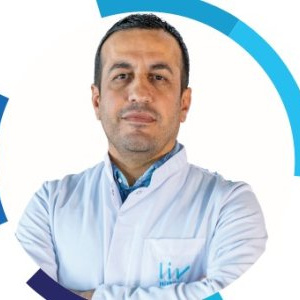
Prof. Dr. Çağatay Öztürk

Prof. Dr. Çağatay Öztürk

  • Main Specialty : Spinal Surgery (Spine)
  • Years of Experience : 26 years.
  • Notable Education : Hacettepe University, Medical ... Read more
4.3
Guaranteed Direct PriceGuaranteed Direct Price

Certifications :

Doctors, Price & Reviews Joint Commission International
Doctors, Price & Reviews ISO 9001:2008
Doctors, Price & Reviews International Organization for Standardization (ISO)
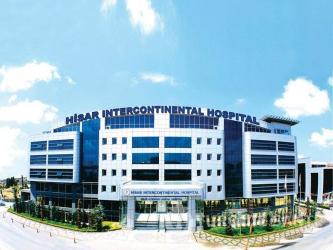
HISAR INTERCONTINENTAL
Istanbul, Turkey
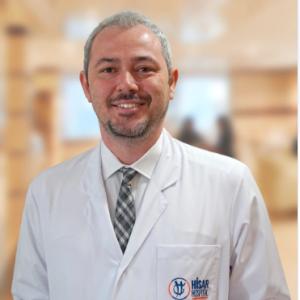
OP. Dr. Hasan Sahin

OP. Dr. Hasan Sahin

  • Graduate of GATA Medical School
  • Specialization at Izmir Dokuz Eylul University.
  • Specialist in aesthetic, plastic and ... Read more
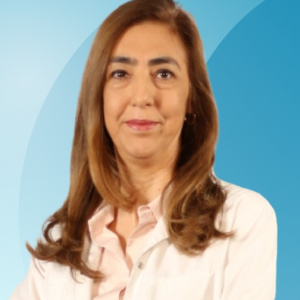
ASSOC. PROF. BURÇİN BATMAN

ASSOC. PROF. BURÇİN BATMAN

  • Studies at Fırat University
  • Specialization in obesity, metabolic and laparoscopic surgery at Istanbul ... Read more
4.4
Guaranteed Direct PriceGuaranteed Direct Price

Everything you will need for your medical trip

Medical opinion and estimates

Expert opinions and cost estimates

Pre-trip consultations

Understand your procedure before traveling.

Visa assistance

We assist our patients in obtaining their visas from the consulates.

Translation of your medical reports

We guarantee free and certified translation of your medical documents from all languages.

VIP Transport

Your transfers will be provided from the airport and your hotel.

Continuous Follow-up

You will be assisted by your attending doctor even after returning to your country, via videos or messages.

Experiences of our patients – Turquie Santé

Verified patient reviews

NGAMIYI D.

Thanks to Nacim for all the service and for his time and organization.

Read more


2.9
29/04/2024
This patient was treated for Prostate cancer treatment
Igic S.

Highly recommend hospital. Nice and professional personal, modern equipment. I h..Read more


5.0
24/01/2024
This patient was treated for Pet-Scan (Pet-CT)
Fakhri B.

Although I am Algerian, I went to Turkey for bone marrow transplant surgery. The..Read more


5.0
06/11/2023
This patient was treated for Bone marrow transplant
Emilycheck

Written by

Emily

The accuracy of the content has been reviewed by Emily, former manager of private hospitals in Turkey, with proven scientific knowledge from over 10 years in research, she has the ability to simplify complex medical data to make it accessible to all.

Professor Dr. Yavuz Selim Yildirim, MD check

Reviewed by

Professor Dr. Yavuz Selim Yildirim, MD

Specialist in otolaryngology, expert in rhinology and otology. Certified by the Turkish and European Boards (FEBORL-HNS) and member of the American College of Surgeons (FACS). Experienced in ear surgery, cochlear implants, acoustic neuromas, head and neck cancers, and treatment of sleep apnea.

Symptoms of meningioma: What to look for?

In its early stages, a meningioma often grows silently, causing no noticeable symptoms. Many are discovered incidentally during scans for unrelated reasons. As the tumor enlarges, it can press on sensitive areas of the brain or cranial nerves, leading to changes you may notice.

The symptoms you experience usually depend on two main factors:

Symptoms typically develop gradually, over months or even years. They can be subtle and are sometimes mistaken for normal aging or stress. Common signs include:

Urgent warning: Sudden or severe neurological changes, like rapid vision loss, sudden weakness, or a new seizure, require immediate medical attention.

Many of these symptoms can stem from conditions far less serious than a meningioma. However, if you notice persistent or concerning signs, consulting a neurologist or neurosurgeon is crucial.

Take action with expert guidance: Leading neuro-oncology centers in Turkey provide comprehensive evaluations. Their teams can determine whether your symptoms are linked to a meningioma and explain modern treatment options tailored to your needs.

Causes and risk factors of meningioma

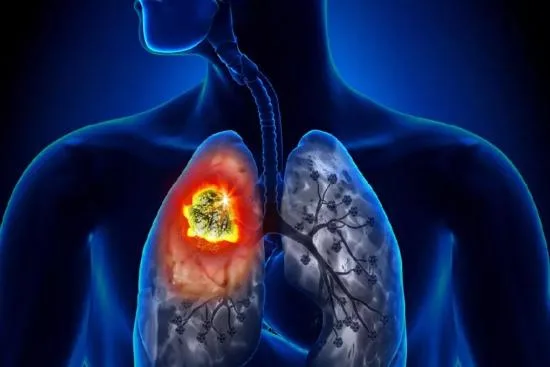
Meningiomas are among the most common primary brain tumors, accounting for approximately 30% of all intracranial tumors. Rather than having a single direct cause, they are associated with several well-identified risk factors.

Who is most affected?

Meningiomas occur more frequently in:

While the exact role of hormones is still being studied, this gender difference is consistently observed in clinical data.

Genetic predisposition

A higher risk is seen in people with neurofibromatosis type 2 (NF2), a rare genetic condition that predisposes individuals to tumors of the nervous system, including meningiomas. Outside of this condition, most meningiomas are not inherited.

Exposure to ionizing radiation

Exposure to ionizing radiation is also a well-established risk factor for the development of meningiomas. Patients who have received cranial irradiation, especially during childhood, have an increased risk of developing this tumor.

What this means for you

Most people diagnosed with a meningioma have no identifiable cause. However, understanding personal risk factors and medical history is important for early detection and appropriate monitoring.

If you have known risk factors or unexplained neurological symptoms, consulting a specialist allows for timely evaluation and reassurance, or early intervention when needed.

How Meningioma is diagnosed: Key tests explained

Meningiomas often grow slowly and may cause no symptoms for years. Many are discovered incidentally during brain scans performed for headaches, minor injuries, or unrelated neurological concerns. When symptoms do appear, they are often subtle and can be mistaken for stress or normal aging, making accurate diagnosis essential.

The diagnostic pathway: Finding answers step-by-step

Diagnosis follows a clear process to answer three key questions: Is there a tumor? Where is it located? And how should it be managed?

Clinical and neurological evaluation

A specialist reviews your symptoms and medical history and performs a neurological exam to assess vision, strength, reflexes, and cognition.

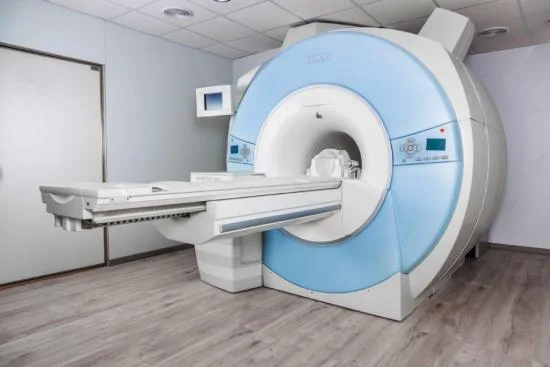
Brain imaging (core diagnostic step)

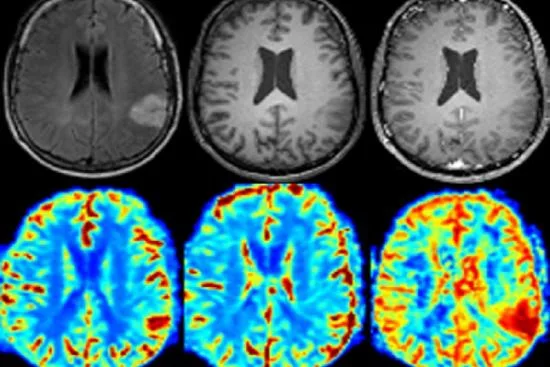
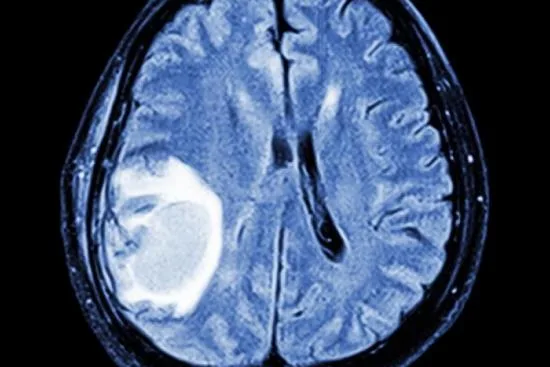
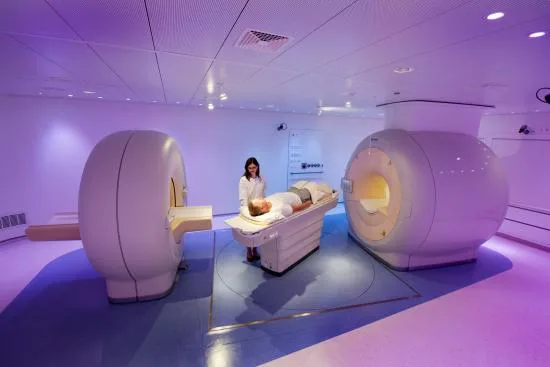
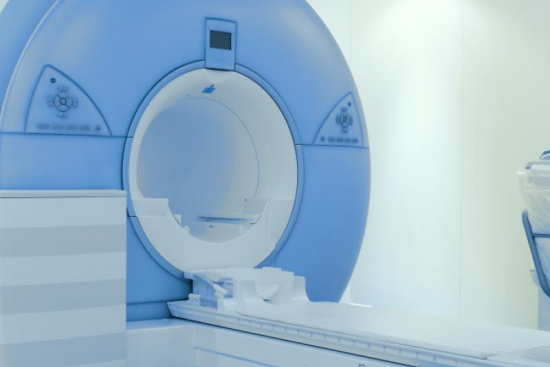
This is how a meningioma is definitively visualized.

Is a biopsy required?

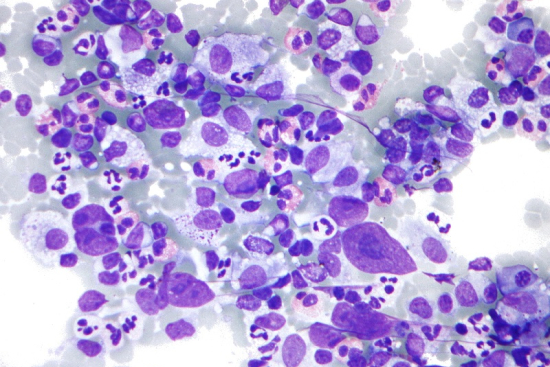
Not every meningioma requires a biopsy before treatment. However, if the imaging is unclear or if a non-surgical approach is planned first, a stereotactic biopsy may be performed. This is a minimally invasive procedure where a tiny tissue sample is obtained for laboratory analysis to confirm the diagnosis and grade the tumor.

Additional tests (when needed)

Depending on the tumor's location, your doctor may recommend:

Why does accurate diagnosis matter?

A precise diagnosis guides the safest treatment approach, whether monitoring, radiotherapy, or surgery, and avoids unnecessary interventions.
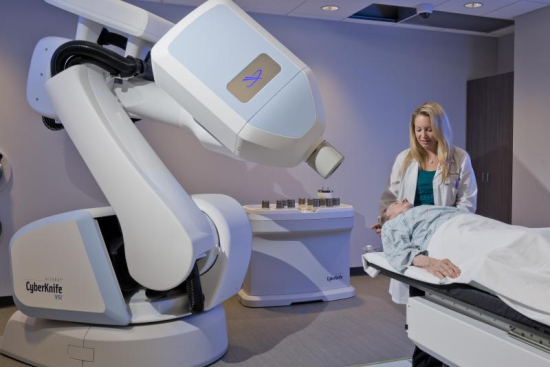
If you're seeking clarity after abnormal imaging or persistent symptoms, our partner specialists in Turkey provide comprehensive diagnostic evaluations to help you move forward with confidence.

Meningioma treatment options in Turkey

Treatment for meningioma depends on several factors, including the tumor's size, location, growth rate, and whether it causes symptoms. While surgery is the main treatment, it's not always the first or only option.
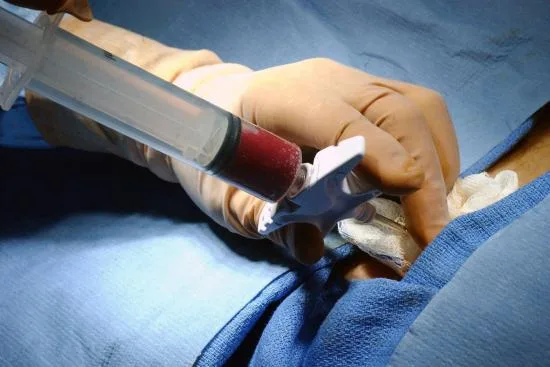
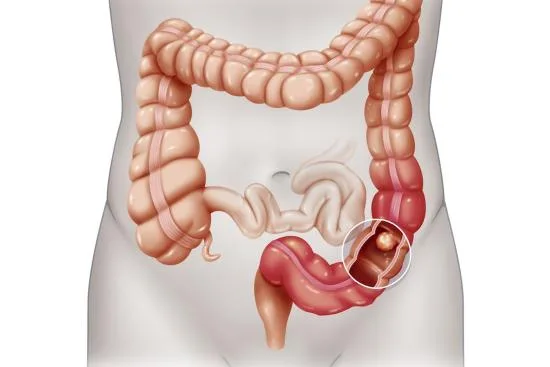
The main treatment pathways include active monitoring, precision microsurgery, and targeted radiation therapy.

Active monitoring (Watchful waiting)

For small, benign-appearing meningiomas that cause no symptoms, immediate treatment may not be necessary. Instead, specialists may recommend regular MRI follow-up to monitor growth over time. This approach avoids unnecessary intervention when the tumor is stable and not affecting critical brain structures.

Precision microsurgery: The gold standard for treatment

When a meningioma is growing, causing neurological symptoms, or located where future progression could pose a risk, surgery becomes the preferred option.

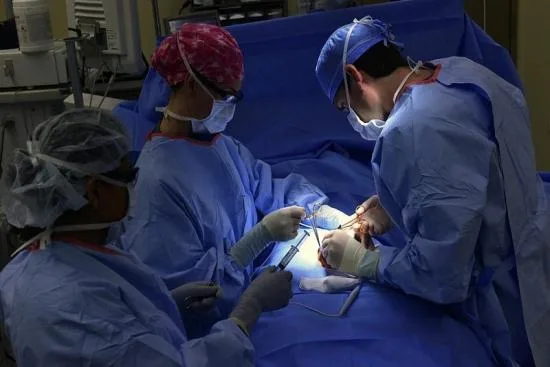
The procedure usually involves a craniotomy, allowing the neurosurgeon to access and remove the tumor with maximal precision.

Complex, residual, or recurrent meningiomas

Some meningiomas are located near critical brain areas or major veins, such as the sagittal sinus. In these cases, complete removal may carry unacceptable neurological risk. A subtotal resection followed by close monitoring is often the safest approach.

Choosing the right approach

Each treatment plan is individualized. A thorough evaluation by experienced neurosurgeons and neuro-oncology specialists is essential to determine the safest and most effective strategy for long-term control.

If you're exploring treatment options, our partner specialists in Turkey can review your case and guide you toward the most appropriate management plan, based on both medical evidence and your personal situation.

Probability of cureProbability of cure for meningioma

The likelihood that a meningioma will be cured depends on several key factors, including the type of tumor, stage of progression, available treatment options, and the patient's age and overall health.

Benign meningiomas (Grade I)

The vast majority of meningiomas are benign and slow-growing, and their prognosis is excellent. When a benign meningioma can be completely removed through surgery, the chances of long-term control, or cure, are very high. Many patients require no further treatment and can return to normal life with regular follow-up imaging.

Early diagnosis and modern surgical techniques significantly improve outcomes, allowing surgeons to remove the tumor safely while preserving neurological function.

Atypical and malignant meningiomas (Grades II & III)

Less commonly, meningiomas can be atypical or malignant. These tumors tend to grow faster and have a higher risk of recurrence. In such cases, treatment often combines surgery and targeted radiation therapy to achieve the best possible control.

While the prognosis is more guarded than for benign tumors, advances in imaging, surgical precision, and radiotherapy continue to improve long-term outcomes, even in complex cases.

Risk of malignant transformation

Although most meningiomas remain benign, malignant transformation can occur, particularly in recurrent or long-standing tumors. This remains relatively rare, especially with appropriate treatment and regular medical follow-up. Ongoing monitoring is key to detecting any change in tumor behavior early.

What this means for patients

Overall, meningioma is one of the most treatable brain tumors, especially when diagnosed early and managed by experienced specialists. With individualized treatment and proper follow-up, many patients achieve long-term tumor control and maintain an excellent quality of life.

Share this page

Our assistants help you to get the best options in Meningioma Treatment