

Turquie Santé
Last update : 26/11/2026

Dental implants in Turkey | Process, risks & prices

Access care from specialist doctors in Turkey, at prices generally lower than those in Europe.

Package price : 439 $
Free Medical Opinion
Dental implant Turkey
793+
patient reviews
across all procedures

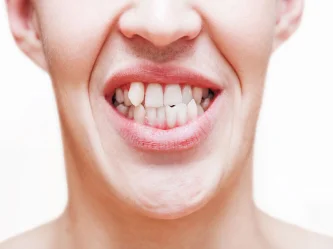
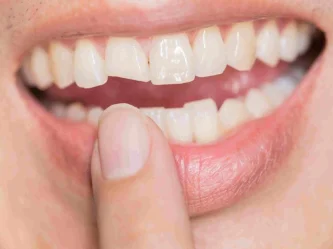
Missing teeth can affect your ability to chew comfortably and make you feel less confident about your smile. Dental implants in Turkey offer an option for replacing missing teeth, with treatment planned according to your oral health and individual needs.

Through Turquie Santé, you can compare treatment options at partner clinics and request a personalized quote.


How much does Dental implant cost in Turkey

TreatmentIndicative price in Turkey
Implant alone$460 to $1,040
Implant with crown$800 to $1,730

Excludes bone grafting and travel. This is an indicative range: ask for a written quote stating what is included; only that quote applies.

Data verified by Turquie Santé in November 2026, based on quotes we prepared for our patients and official rates from our partner clinics in Turkey. Median costs are calculated from real quotes (2025–2026) and updated quarterly. Actual prices may vary depending on the technique and the patient's profile.

Why choose Dental implant with Turquie Santé ?

Chirurgien icon

Accredited surgeons and hospitals (JCI, ISO)

Économie icon

Indicative prices, often lower than in Western Europe depending on the case

Organisation icon

Medical stay organized from A to Z

Prix icon

Detailed quote (included / not included) before your stay

Résultat icon

Free review of your file

All about your Dental implant in Turkey
Overview
Alternative care
Benefits
Payment

Intervention or treatment's duration :

  • The placement of the implant typically takes one to two hours, depending on the case.
  • Crown placement several months after implantation, depending on osseointegration and bone quality.

Recovery time :

  • Daily activities often resume within a few days. Your dentist tells you when to resume and which foods to avoid.
  • Full integration of the implant in the bone (osseointegration) usually takes several months, often 3 to 6.

Alternative treatments
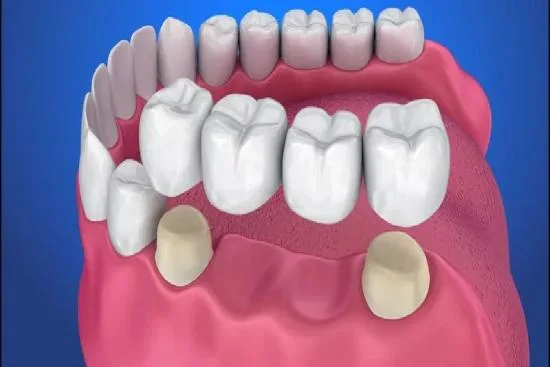
  • Dental bridge.
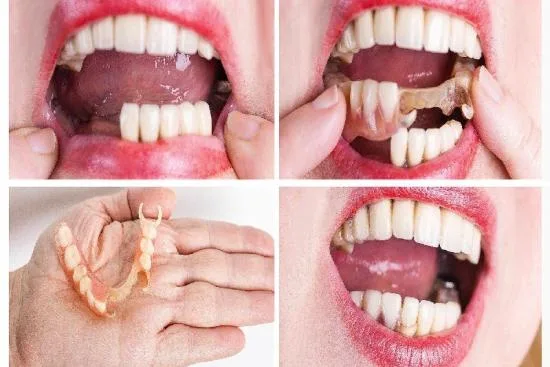
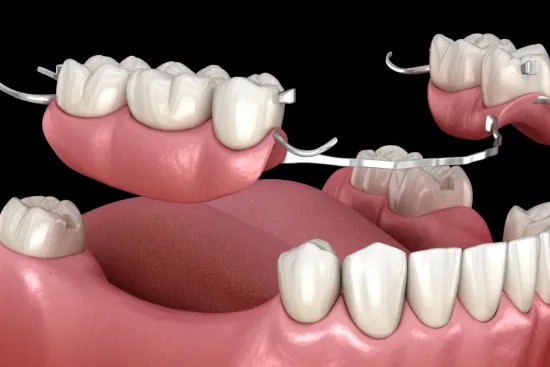
  • Removable denture: partial or complete.
  • Their advantages and drawbacks (stability, lifespan, cost, speed) depend on your case; your dentist advises you after an examination.

Highly qualified professionals in accredited institutions.


We assist you before, during, and after your trip


A detailed quote is presented to you before your stay. Our support is free for the patient and any fees are specified in advance.

You will pay your clinic directly using these available methods:
Transfer

🌟 Package Dental implant

  • VIP Airport shuttle
  • Turquie Santé Assistance 7 days/7
  • Transportation Hotel / Clinic
  • Interpreter service in clinic
  • Intervention
  • Medical consultation

Package price :

439 $

Medical advice & quote Indicative, non-binding estimate: the final price is set only by a personalised quote after review of your medical file, and may be higher. Travel costs, flight tickets and any additional care or tests are not included.
Verified testimonials from our patients

Kaoukab N.
Verified review

everything has gone very well so far.


26/04/2026
This patient was treated for Dental implant
Brian C.
Verified review

After extensive research, I chose to have my dental implants done in Turkey with the help of Turquie Santé, which arranged my entire stay. I was treated at the Florence Nightingale Clinic by Dr. Tayfun Özdemir. I particularly appreciated the seriousn..Read more


22/04/2026
This patient was treated for Dental implant
Ben N.
Verified review

Hello, I'm coming back to you for a little overview, frankly Dentakademi nothing to say a few euros difference but very professional, I have a treatment plan which will take me 3 visits.


24/03/2026
This patient was treated for Dental implant
christophe T.
Verified review

Hello, everything is fine, there is no discomfort with the teeth. I would say that it is very well done, fast and well organized Thank you


17/03/2026
This patient was treated for Dental implant
Jean R.
Verified review

Successful dental implant without worry. The team was nice and reassuring, I felt comfortable from start to finish. Thank you to you Turquie Santé even your answers were very fast and effective to orient me


08/08/2025
This patient was treated for Dental implant
Ali Shah F.
Verified review

Everything was excellent and even beyond my expectations, the result is truly astonishing, thank you


30/04/2024
This patient was treated for Dental implant
Shah A.
Verified review

Sophia, very professional, efficient listener, responds quickly to all our questions, that's the most important thing for me.

In general, Mr. Omar explained to me on the first day what we needed to do for my teeth and he offered me bette..Read more


24/01/2024
This patient was treated for Dental implant
Solene R.
Verified review

I took advantage of my trip to Turkey to also have my teeth whitened with Turquie Santé. Since I was already there, it was the perfect opportunity to take care of my smile. The team clearly explained how the treatment would proceed and everything wen..Read more


25/08/2026
This patient was treated for Teeth whitening
Emily White : Medical Content Team Manager at Turquie Santécheck

Written by

Emily White

This content complies with Turquie Santé's editorial policy. It was written by Emily White, Head of the Editorial Team, who coordinates content creation and updates. She has 11 years of experience in medical communications and supporting international patients in Turkey.

Dt. Shura Celikcheck

Medically reviewed by : Dt. Shura Celik

Specialty : Dental care
Diploma no. (TTB) : 30353

Medical review does not replace an individual consultation.

How it works ?

2
Services
We look for the best option for your case & budget
3
Hospital
Evaluating a care plan with the best quote
4
airplane
Making appointments & Organization of your trip
5
Health care
Ongoing support until you return home

Discover the best verified clinics for your Dental implant in Turkey

Certifications :

GCR Acreditation DENT AKADEMI
DENT AKADEMI
Istanbul, Turkey
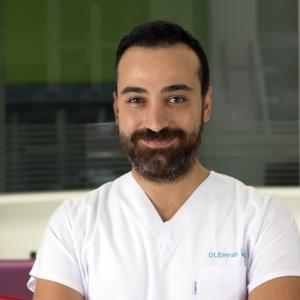
Dr. Emrah İpek

Dr. Emrah İpek

19 years of experience
Main specialty : Aesthetic dentistry and oral diagnosis Years of experience : Over 19 years Notable training : Graduate of the Faculty of Dentistry at Ankara University (2005),training in maxillofacial surgery at Osaka University, Japan ... Read more
Dr. Ziya Seferli

Dr. Ziya Seferli

21 years of experience
Main specialty: Dental prostheticsYears of experience: 21 yearsNotable training: Graduated in dental surgery from the Azerbaijan Medical University (2005),doctorate in prosthodontics from Kocaeli University (2019)Professional background: Former faculty ... Read more
4.7 / 5
4.7(30 Reviews)

Certifications :

JCI - Joint Commission International HISAR INTERCONTINENTAL
International Organization for Standardization (ISO) HISAR INTERCONTINENTAL
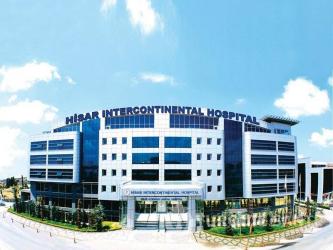
HISAR INTERCONTINENTAL
Istanbul, Turkey
DT. ŞENİZ ÜSTÜNDAĞ, PHD

DT. ŞENİZ ÜSTÜNDAĞ, PHD

26 years of experience
Main specialty: Orthodontics Years of experience: Over 20 years Notable training: Graduate of the Faculty of Dentistry at Marmara University (2000); doctorate in orthodontics at the same university (2007) Areas of expertise / Techniques: Fixed and ... Read more
Banu OKUR ÇAKMAKCI

Banu OKUR ÇAKMAKCI

23 years of experience
Main specialty: Aesthetic and prosthetic dentistry Years of experience: Over 23 years Notable training: Degree in dental medicine, Istanbul University (2002); advanced training in implantology (Implant Direct); training in smile design with porcelain ... Read more
4.4 / 5
4.4(222 Reviews)

Certifications :

International Organization for Standardization (ISO) LOKMAN HEKIM ISTANBUL
JCI - Joint Commission International LOKMAN HEKIM ISTANBUL
LOKMAN HEKIM ISTANBUL
Istanbul, Turkey
Private multi-specialty hospital in Kurtköy (Pendik),opened in 2022 JCI-accredited, according to the Lokman Hekim group Emergency department open 24/7
4.7 / 5
4.7(70 Reviews)

Certifications :

JCI - Joint Commission International MEMORIAL Şişli
International Organization for Standardization (ISO) MEMORIAL Şişli
MEMORIAL Şişli
Istanbul, Turkey
Aslı Tapan

Aslı Tapan

26 years of experience
Main specialty: Dentistry (oral and dental health),aesthetic dentistry Years of experience: 26 years Notable training: Faculty of Dentistry, Ege University, Izmir (1997) Career: private practice (2000–2009); Memorial Suadiye Medical Center (2009–2016); ... Read more
4.5 / 5
4.5(34 Reviews)

Certifications :

JCI - Joint Commission International LIV Vadistanbul
International Organization for Standardization (ISO) LIV Vadistanbul
LIV Vadistanbul
Istanbul, Turkey
Dr. Begüm Kayalak

Dr. Begüm Kayalak

5 years of experience
Dr. Begüm Kayalak is an oral and maxillofacial surgeon with 5 years of experience as a specialist (since 2021),specializing in dental implant procedures. She completed her specialization at Marmara University's Department of Oral and Maxillofacial Surgery ... Read more
Dr. Gül Burcu Büyükbayram

Dr. Gül Burcu Büyükbayram

11 years of experience
Main Specialty : Orthodontics. Years of Experience : 11 years. Notable Training : Istanbul University Faculty of Dentistry (2002); Orthodontics specialization, Gazi University Faculty of Dentistry (2009). Mastered Techniques : Orthodontic treatment with clear ... Read more
4.4 / 5
4.4(11 Reviews)

Certifications :

International Organization for Standardization (ISO) LIV Ulus
JCI - Joint Commission International LIV Ulus
LIV Ulus
Istanbul, Turkey
Dr. Begüm Aslan

Dr. Begüm Aslan

8 years of experience
Main Specialty : OrthodonticsYears of Experience : 8 years as a specialist (since 2018).Notable Training : Marmara University Faculty of Dentistry (2011); specialization in the Orthodontics Department of Yeditepe University (2018)Memberships : Turkish ... Read more
Dr. Melisa Albayrak

Dr. Melisa Albayrak

6 years of experience
Main Specialty : Pediatric Dentistry Years of Experience : 6 years. Notable Training : Yeditepe University Faculty of Dentistry / 2015-2020, Yeditepe University Faculty of Dentistry, Department of Pediatric Dentistry / 2020-Current / PhD Mastered Techniques : ... Read more
4.7 / 5
4.7(1 Reviews)

Certifications :

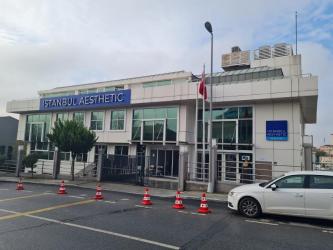
International Organization for Standardization (ISO) ISTANBUL AESTHETIC CENTER
ISTANBUL AESTHETIC CENTER
Istanbul, Turkey
Aylin Turan

Aylin Turan

22 years of experience
Specialist in dentistry in Istanbul, obtained her doctorate in dentistry from Dicle University in 2004. Experience at the Kartal oral health hospital in various dental fields. Expertise in composite applications, placement of composite veneers, training on ... Read more
4.3 / 5
4.3(108 Reviews)

You have consulted 7 / 30 Hospitals

🩺 Medical note — The content of this page is provided for information purposes and in accordance with our medical charter. It does not constitute medical advice and does not replace a consultation with a healthcare professional. Prices are indicative and will be specified in a personalized quote after reviewing your file. Any treatment must be assessed and approved by a qualified doctor.

What is a dental implant?

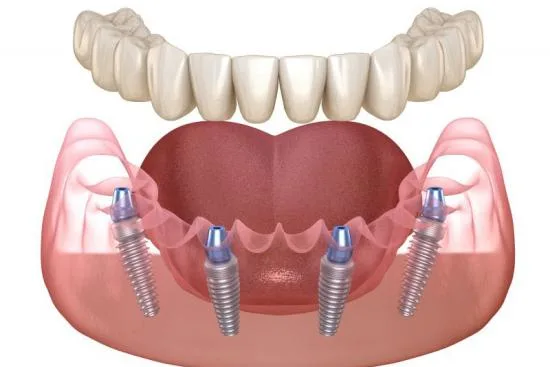
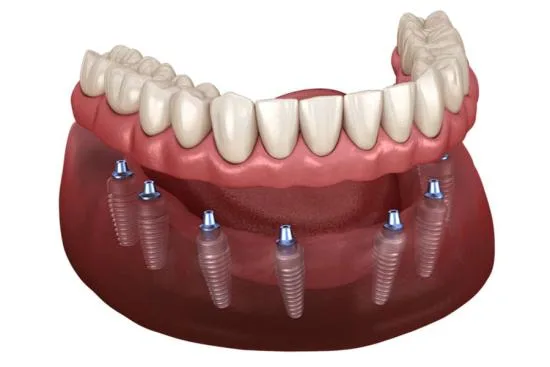
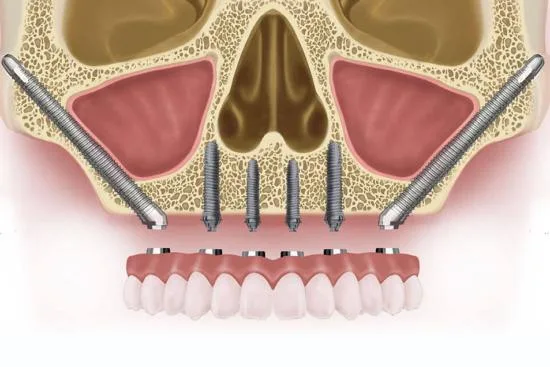
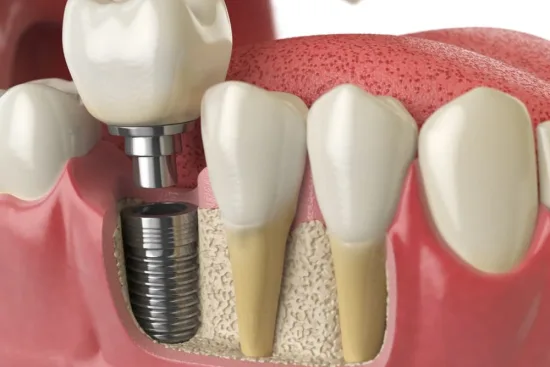
A dental implant is a solution for replacing one or more missing teeth. It consists of a small titanium screw placed in the jawbone, where it acts as an artificial tooth root. Once the implant has integrated with the bone, it can support a crown, a bridge, or a full dental prosthesis.

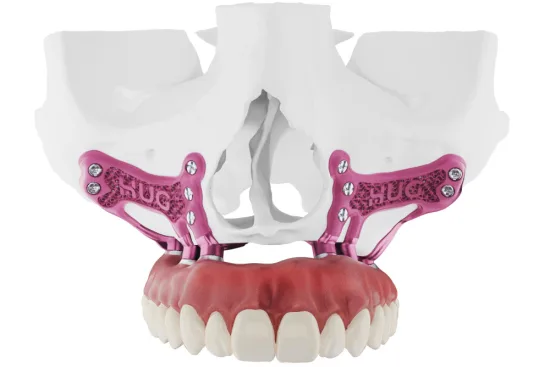
Dental implants can be placed in the upper or lower jaw, depending on the number of missing teeth and the patient's oral health. The procedure requires careful planning to assess the condition of the jawbone and gums before surgery.

After placement, the implant needs time to bond with the surrounding bone through a process called osseointegration. This step is essential for providing a stable base for the future restoration, although successful integration is not guaranteed. If the bone or gum tissue is not healthy enough, additional treatment may be needed before implant placement.

Composition of a dental implant

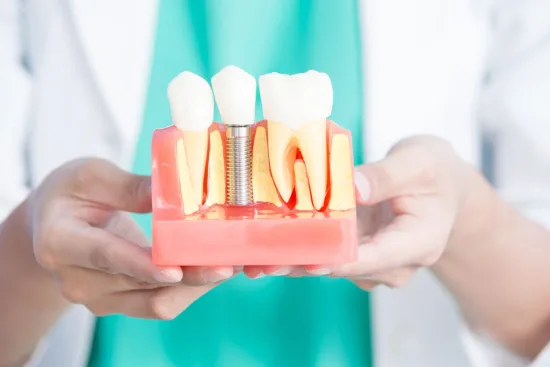
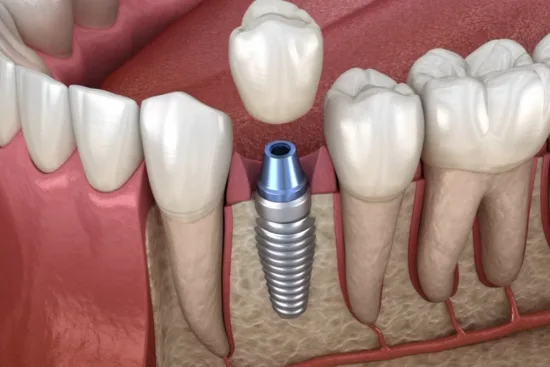
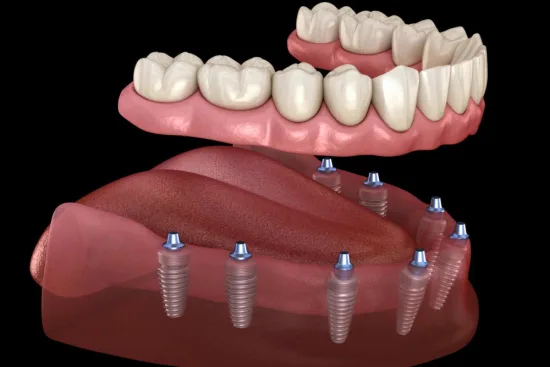
Surgically placed into the jawbone (maxilla or mandible),dental implants are titanium screws designed to replace missing teeth. They function as artificial tooth roots, offering an anchor for various dental prostheses. Each implant typically comprises three main parts: the endosseous screw, the abutment, and the dental prosthesis.

  • Endosseous screw: This is the part anchored directly into the jawbone, acting as an artificial root. Once placed, it undergoes osseointegration, gradually fusing with the surrounding bone.
  • Abutment: This is the intermediary component that connects the endosseous screw to the dental prosthesis. It emerges through the gum and supports the crown or prosthesis.
  • Dental prosthesis: This is the visible part of the implant. It reproduces the shape, color, and function of a natural tooth. It may take the form of a crown, a dental bridge, or a complete denture.

Our partner clinics in Turkey perform this treatment using implant systems from internationally recognized manufacturers such as Straumann, Nobel Biocare, MegaGen, Osstem Implant, BEGO, and Medentika.

Types of dental implants: materials, brands and connections

Dental implants are available in different materials and designs. The choice depends on the patient's bone structure, gum condition, aesthetic needs and the type of restoration planned. Several implant manufacturers offer systems with specific features, but no single brand or design is suitable for every patient.

Dental implant materials

The two main materials used for dental implants are titanium and zirconia.

MaterialAdvantagesLimitations
TitaniumBiocompatible, well documented in clinical practice, and available in many implant designs.Its metallic appearance may be a consideration when gum tissue is thin or recedes.
Zirconia (ceramic)Tooth-colored material that may offer an aesthetic advantage, particularly in visible areas.Fewer long-term clinical data are available compared with titanium, and some systems offer less design flexibility.

Titanium remains the most widely established option. Zirconia may be considered in selected cases, depending on the patient's needs and the available implant system.

Popular dental implant brands

Several manufacturers offer implant systems used in modern dentistry. Their designs, materials, and surface treatments vary.

  • Straumann: Offers titanium, titanium-zirconium alloy (Roxolid®),and ceramic implant systems.
  • Nobel Biocare: Provides several implant systems, including NobelActive and NobelParallel.
  • Zimmer Biomet: Offers implant systems with different shapes and connection designs.
  • Osstem: Provides implant systems with different dimensions and surface treatments.

The availability of these brands depends on the dental clinic. The dentist should explain which system will be used and why it is appropriate for the patient's treatment.

Dental implant shapes and connection types

Implants also differ in their shape and in the way the implant connects to the abutment (the component that supports the crown or bridge).

According to their shape:

  • Cylindrical implants: Have a relatively uniform diameter along their body. Their use depends on the available bone volume and the selected system.
  • Tapered implants: Have a narrower profile towards the tip. Some designs are intended to improve initial stability in specific bone conditions

According to their connection:

Connection typeMain characteristicsPotential advantages and limitations
Internal connectionThe abutment fits inside the implant.Provides a protected connection design but requires compatible components from the same implant system.
External connectionThe connection structure extends above the implant platform.A well-established design, although some configurations may be more exposed to mechanical movement.
Conical connection (Morse taper)The abutment fits into a tapered internal interface.Designed to improve the fit and reduce micromovement, but requires precise component compatibility.

The connection design can influence the mechanical stability of the implant-abutment assembly. The choice should be based on the planned restoration and the implant system rather than on the connection type alone.

Preoperative phase

Before dental implant surgery, the dentist examines the patient's teeth, gums and jawbone to determine whether there is enough bone to support the implant and to identify any anatomical structures that need to be protected.

  • Diagnostic imaging: A panoramic X-ray is commonly used to obtain an overall view of the teeth and jaw. A 3D Cone Beam CT (CBCT) scan may also be recommended when more detailed information is needed, particularly to assess bone volume or the position of nearby nerves and sinuses.
  • Treatment planning: The dentist uses the examination and imaging results to determine the appropriate implant position, taking into account the available bone height and width, as well as the surrounding anatomical structures. If bone volume is insufficient, a bone graft or another preparatory procedure may be considered before implant placement.

Contraindications and risk factors

A thorough medical history review is required to identify potential risk factors that may compromise osseointegration or surgical outcomes:

  • Systemic conditions: Uncontrolled diabetes mellitus, severe osteoporosis, cardiovascular instability, and active immunosuppression impair tissue healing and increase the risk of implant failure.
  • Medication management: Patients taking anticoagulant or antiplatelet therapy require specific protocol adjustments. Prescribed medications must never be discontinued without direct authorization from the prescribing physician and the oral surgeon.
  • Lifestyle factors: Tobacco use significantly impairs microvascular healing and increases the incidence of peri-implantitis. Smoking cessation is strongly advised before and following surgery.
  • Pregnancy: Elective surgical procedures, including dental implant placement and diagnostic X-rays, should be postponed until post-partum.

Stages of dental implantation in Turkey

Dental implantology is a meticulous procedure based on several essential steps:

Incision and implant site preparation

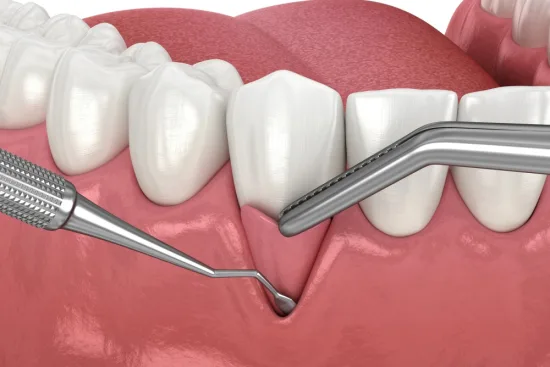
The first step is to gently incise the gum to lift a flap and gain access to the upper or lower jaw bone. This step exposes the area where the implant will be placed.

Drilling the bone to receive the implant

Special tools are used to drill into the bone to create a housing that fits the endosseous screw.

Insert the endosseous screw

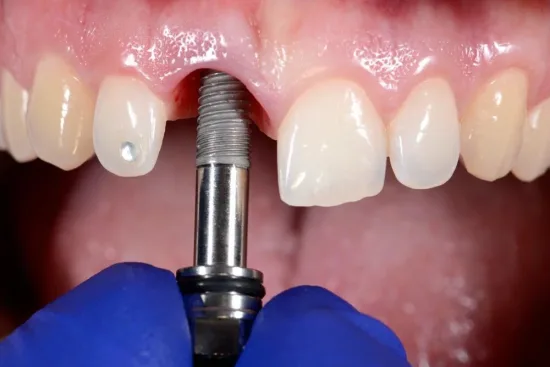
The endosseous screw is inserted into the prepared bone site. This is the most delicate phase because the stability of the implant depends on its positioning.

Fixing the prosthetic components

Once the implant is anchored, the prosthetic components (abutment and crown) are attached. This can be done in two ways:

  • Immediate loading: the prosthesis is placed immediately after implant placement, when the bone allows it.
  • Delayed loading: a period of several weeks is allowed for osseointegration, i.e. fusion between the implant and the bone.

Depending on the patient's case, the implantation can be performed in a single session or in two separate phases, depending on the bone quality and the type of treatment recommended.

Aesthetic and functional results depend on your bone, your health and your hygiene, and cannot be guaranteed.

Tooth implant care

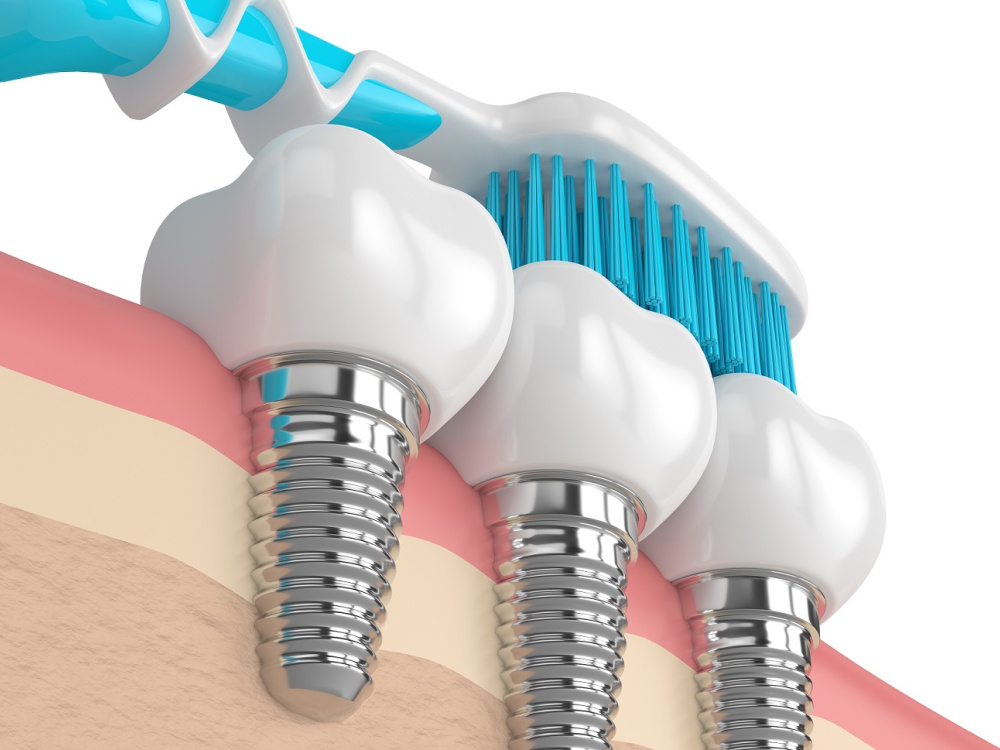
Rigorous hygiene and regular follow-up help prevent complications. An annual check-up with your dentist is recommended to check the implant.

Brush regularly with a good toothbrush, replace it periodically, and use interdental brushes or floss around the implant if your dentist advises it.

After surgery, liquid or soft foods are usually advised for the first days, and then you can gradually reintroduce firmer foods as your dentist indicates. Report any unusual pain, swelling, or mobility of the implant to your dentist.

Risks and side effects of dental implants

Dental implant surgery is generally well established, but complications can occur during healing or after the artificial tooth has been fitted. Their likelihood depends on the patient's health, the condition of the jawbone and gums, the surgical technique, and the quality of follow-up.

Potential complications:

  • Infection: Bacteria can affect the tissues around the implant, causing pain, swelling, or discharge.
  • Failed osseointegration: The implant may not bond properly with the jawbone, resulting in instability and sometimes requiring removal.
  • Peri-implantitis: This condition causes inflammation around the implant and can lead to progressive bone loss if left untreated.
  • Nerve injury: Implants placed close to a nerve may cause numbness, tingling or altered sensation, particularly in the lower lip and chin.
  • Sinus complications: Implants placed in the upper jaw may affect the maxillary sinus, especially when bone height is insufficient.
  • Mechanical complications: The crown or abutment may loosen, fracture or require adjustment.

Factors that increase the risk of complications

Certain conditions can make implant treatment more challenging or increase the risk of complications:

  • Previous or active gum disease (periodontitis).
  • Smoking, which can impair healing and increase the risk of peri-implantitis.
  • Poorly controlled diabetes, which may affect tissue healing.
  • Insufficient jawbone volume or inadequate implant positioning.
  • Poor oral hygiene and irregular dental check-ups.
  • Unfavourable prosthetic design that makes cleaning around the implant difficult.

A 2025 AO/AAP systematic review identified periodontitis, smoking, and diabetes among the significant risk indicators for peri-implant diseases.

Related medical articles

Experiences of our patients – Turquie Santé

Dental implant FAQ

What is the recovery time for a dental implant?

Recovery time varies from patient to patient. Your dentist tells you when you can resume your activities. Full integration of the implant with the jawbone (osseointegration) typically takes several months, often 3 to 6 months.

What is the lifespan of a dental implant?

Dental implants are designed to last many years, but no lifespan can be guaranteed. A systematic review reports about 94.6% implant survival with a mean follow-up of about 13 years (Moraschini 2015). The dental crown may need to be replaced with wear. Lifespan is affected by oral hygiene, lifestyle habits such as smoking or teeth grinding, and regular dental check-ups.

Can I have dental implants if I smoke?

Smoking increases the risk of complications. It can slow healing, may lower the success rate of the implant and raises the risk of infection and peri-implantitis. Dentists strongly recommend quitting. Your dentist tells you when to stop before and for how long after the procedure.

How many dental implants can be placed at the same time?

There is no strict universal limit: the number of implants placed in one session depends on the clinical situation, bone volume and quality, and the treatment plan. Placing many implants at once requires careful planning, advanced imaging and good general health.

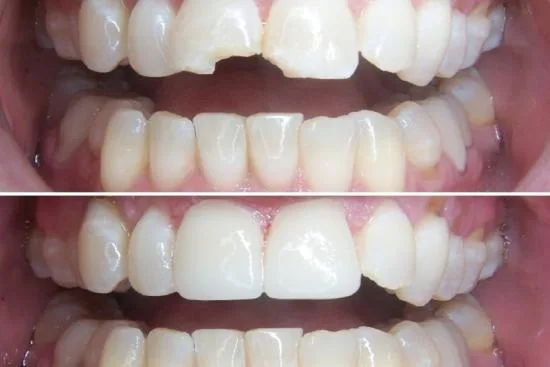
Do dental implants look like real teeth?

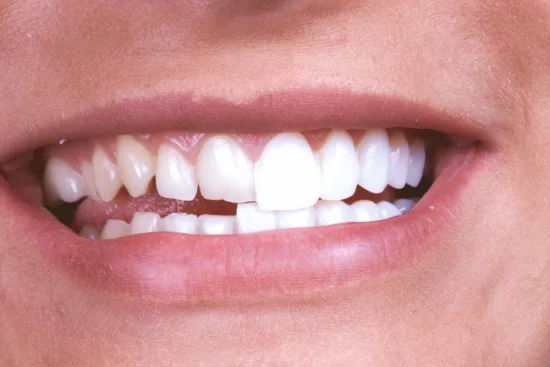
Dental implants are designed to reproduce the appearance and function of natural teeth. The result depends on bone, the crown and hygiene, and your dentist can adjust the aesthetics during treatment.

Are there alternatives to dental implants?

Yes, alternatives include dental bridges and removable dentures. If implants aren't suitable, these can replace missing teeth. Their advantages and drawbacks (stability, lifespan, cost, speed) depend on your case: your dentist advises you after an examination.

How long does it take to return to a normal life and diet after a dental implant?

Return to normal activities depends on the type of activity and on your recovery, and your dentist tells you when to resume. Soft foods are usually advised in the first days, then you can gradually return to your usual diet as your comfort improves. Avoid very hard or crunchy foods until your dentist allows them, as osseointegration continues for several months.

How much does All-on-4 or All-on-6 cost in Turkey?

In Turkey, All-on-4 usually costs about $2,900 to $7,500 per jaw and All-on-6 about $3,500 to $9,200 per jaw. These are indicative, non-binding ranges that vary with the clinic, the implant brand and the bridge material. Bone grafting, sinus lift, travel and accommodation are usually charged separately. Ask for a written quote stating whether the temporary bridge, bone graft and sinus lift are included.

How many trips and days in Turkey does a dental implant take?

Two trips are generally needed. The first lasts 3 to 6 days (examinations and implant placement). The second lasts 3 to 5 days, 3 to 6 months later, to fit the final prostheses once the bone has healed (osseointegration). In some cases immediate loading with temporary teeth is possible if the bone allows it. The gap between the two trips is a biological requirement in any country. Your dentist confirms the schedule after examination and X-rays.

Other procedures in this specialty

Share this page

Dental implant in Turkey package: 439$