

Turquie Santé
Last update : 27/03/2026

Diabetic retinopathy: Symptoms, diagnosis and treatment in Turkey

Diabetic Retinopathy Treatment Turkey
788+
patient reviews
Patient icon
600K+
Requests received since 2018
Clinique icon
40
Clinics
Trustpilot icon
4.6
Ville icon
5
Cities
Docteurs icon
2K+
Recognized doctors

If you've been living with diabetes for several years and haven't had regular eye checks, there's something important you should know: diabetic retinopathy can develop silently, without any warning signs. Vision often remains normal until the damage is already advanced.

This condition is one of the leading causes of vision loss worldwide, yet it is also highly manageable when detected early. The challenge is not the lack of treatment, but the delay in diagnosis.

In Turkey, leading ophthalmology centers have developed, over the past 15 years, a level of care in retinology that rivals the best European centers, at a fraction of the cost. This guide explains how, why, and how much.

Cost of diabetic retinopathy treatment in Turkey: Transparent pricing

One of the most frequent questions from international patients is straightforward: what will this actually cost me? The table below provides verified price ranges based on recent (2025–2025) invoices from Turquie Sante's partner hospitals. All Turkish prices are direct clinic prices, no commission, no hidden fees.

TreatmentTurkeyFranceGermanyUSAWhat's included
Intravitreal anti-VEGF injection (per session)from $200$800–$1,200$900–$1,500$1,500–$2,500Includes consultation + injection + post-op follow-up
Panretinal photocoagulation (PRP laser)from $350$700–$1,000$800–$1,200$1,200–$2,000Both eyes available; single session or multi-session
Focal/grid laser for DMEfrom $300$600–$900$700–$1,100$1,000–$1,800Outpatient; no hospitalisation required
Pars plana vitrectomy (PPV)from $2,500$7,000–$12,000$8,000–$14,000$15,000–$25,000Advanced PDR with vitreous hemorrhage or TRD
Full diagnostic workup (OCT + FA + fundus)from $150$400–$700$450–$800$600–$1,200OCT, fluorescein angiography, colour fundus photography

Important context on pricing

It's important to understand that treating diabetic macular oedema (DME) is not a one-time procedure. Most patients require multiple anti-VEGF injections over time.

In practice, a typical first-year treatment plan includes 6 to 8 injections, depending on the eye's response.

For international patients, treatment can be organised efficiently. Many choose to receive 2 to 3 injections per trip, then continue follow-up care with their local ophthalmologist between visits.

Turquie Santé's team helps coordinate this process by creating a personalised treatment plan that balances clinical effectiveness with practical considerationsة including travel frequency and overall cost.

This means that with the right planning, it is possible to reduce travel expenses without compromising treatment quality.

Risks and Side Effects

  • Bleeding during medication injections or surgery.
  • Retinal detachment.
  • Increased intraocular pressure.
  • Worsening of macular edema.
  • Cataract formation.
  • Loss of vision.

Why undergo Diabetic Retinopathy Treatment with Turquie Santé ?

Chirurgien icon

Expert surgeons and JCI certified hospitals

Économie icon

Prices 35% to 50% cheaper than in Europe

Organisation icon

Medical stay organized from A to Z

Prix icon

Direct prices without commission

Résultat icon

Free assistance 24/7

All about your Diabetic Retinopathy Treatment in Turkey
Overview
Benefits
Payment

Verified reviews : 788

Processed requests : 91

Highly qualified professionals in accredited institutions.


We assist you before, during, and after your trip


Book with full transparency, no hidden fees or commissions.

You will pay your clinic directly using these available methods:

Transfer

Get a free medical opinion on Diabetic Retinopathy Treatment with our 40 Recognized Clinics

Certifications :

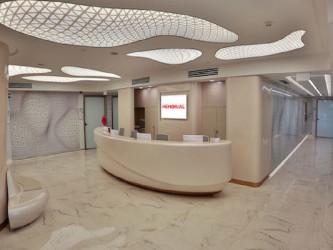
Joint Commission International - JCI MEMORIAL Şişli
International Organization for Standardization (ISO) MEMORIAL Şişli
ISO 9001:2008 MEMORIAL Şişli
MEMORIAL Şişli
Istanbul, Turkey
Doç. Dr. Muhammed Nurullah BULUT

Doç. Dr. Muhammed Nurullah BULUT

Prof. Koray GÜMÜŞ

Prof. Koray GÜMÜŞ

4.5

Certifications :

Joint Commission International - JCI LIV Vadistanbul
International Organization for Standardization (ISO) LIV Vadistanbul
ISO 9001:2008 LIV Vadistanbul
AOSpine International — Global Spine Care Organization LIV Vadistanbul
LIV Vadistanbul
Istanbul, Turkey
Spec. MD. Deniz Marangoz

Spec. MD. Deniz Marangoz

Prof. Dr. Rıfat Rasier

Prof. Dr. Rıfat Rasier

4.4

Certifications :

Joint Commission International - JCI HISAR INTERCONTINENTAL
International Organization for Standardization (ISO) HISAR INTERCONTINENTAL
ISO 9001:2008 HISAR INTERCONTINENTAL
HISAR INTERCONTINENTAL
Istanbul, Turkey
Op.Dr. Omer Kocabayık

Op.Dr. Omer Kocabayık

PROF. ÖMER KAMİL DOĞAN, M.D.

PROF. ÖMER KAMİL DOĞAN, M.D.

4.4

Certifications :

Joint Commission International - JCI LOKMAN HEKIM ISTANBUL
International Organization for Standardization (ISO) LOKMAN HEKIM ISTANBUL
ISO 9001:2008 LOKMAN HEKIM ISTANBUL
LOKMAN HEKIM ISTANBUL
Istanbul, Turkey
Assoc. Prof. Dr. Mehmet SAYDAM

Assoc. Prof. Dr. Mehmet SAYDAM

Prof Dr. Murat Tunç

Prof Dr. Murat Tunç

4.7

Certifications :

Joint Commission International - JCI LIV Ulus
International Organization for Standardization (ISO) LIV Ulus
ISO 9001:2008 LIV Ulus
AOSpine International — Global Spine Care Organization LIV Ulus
LIV Ulus
Istanbul, Turkey
 Assoc. Prof. MD. Ali Olgun

Assoc. Prof. MD. Ali Olgun

Prof. MD. Rıfat Rasier

Prof. MD. Rıfat Rasier

4.7

Certifications :

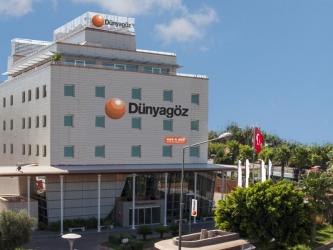
Joint Commission International - JCI DUNYAGOZ ETILER
International Organization for Standardization (ISO) DUNYAGOZ ETILER
ISO 9001:2008 DUNYAGOZ ETILER
DUNYAGOZ ETILER
Istanbul, Turkey
Assoc. Dr. Merih Oray

Assoc. Dr. Merih Oray

Assoc. Prof. Osman Bulut Ocak

Assoc. Prof. Osman Bulut Ocak

4.1

Certifications :

Joint Commission International - JCI MEMORIAL ANKARA
International Organization for Standardization (ISO) MEMORIAL ANKARA
ISO 9001:2008 MEMORIAL ANKARA
MEMORIAL ANKARA
Ankara, Turkey
4.3

Certifications :

Joint Commission International - JCI MEMORIAL Bahçelievler
International Organization for Standardization (ISO) MEMORIAL Bahçelievler
ISO 9001:2008 MEMORIAL Bahçelievler
Leed Platinium Certificate MEMORIAL Bahçelievler
MEMORIAL Bahçelievler
Istanbul, Turkey
Assoc.Prof.Muhammed Nurullah BULUT

Assoc.Prof.Muhammed Nurullah BULUT

Nesrin Tutaş Günaydın

Nesrin Tutaş Günaydın

4.3

Certifications :

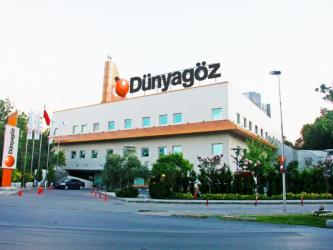
Joint Commission International - JCI DUNYAGOZ ANTALYA
International Organization for Standardization (ISO) DUNYAGOZ ANTALYA
ISO 9001:2008 DUNYAGOZ ANTALYA
DUNYAGOZ ANTALYA
Antalya, Turkey
Prof. Dilek Yüksel

Prof. Dilek Yüksel

Assoc. Prof. Esra Ayhan Tuzcu

Assoc. Prof. Esra Ayhan Tuzcu

4.7

Certifications :

Joint Commission International - JCI DUNYAGOZ ATAKOY
International Organization for Standardization (ISO) DUNYAGOZ ATAKOY
DUNYAGOZ ATAKOY
Istanbul, Turkey
Op. Haluk Talu

Op. Haluk Talu

Op. Dr. Gokay Gunay

Op. Dr. Gokay Gunay

4.5

Certifications :

Joint Commission International - JCI Florence Nightingale
ISO 9001:2008 Florence Nightingale
Florence Nightingale
Istanbul, Turkey

Certifications :

Joint Commission International - JCI AMERICAN HOSPITAL
International Organization for Standardization (ISO) AMERICAN HOSPITAL
ISO 9001:2008 AMERICAN HOSPITAL
AMERICAN HOSPITAL
Istanbul, Turkey

Certifications :

Joint Commission International - JCI MEMORIAL Antalya
International Organization for Standardization (ISO) MEMORIAL Antalya
ISO 9001:2008 MEMORIAL Antalya
MEMORIAL Antalya
Antalya, Turkey
Özlem Tök

Özlem Tök

4.7

Certifications :

Joint Commission International - JCI ACIBADEM
International Organization for Standardization (ISO) ACIBADEM
ISO 9001:2008 ACIBADEM
ACIBADEM
Istanbul, Turkey
Dr. Banu Coşar

Dr. Banu Coşar

4.5

Certifications :

International Organization for Standardization (ISO) LOKMAN HEKIM Üniversitesi
ISO 9001:2008 LOKMAN HEKIM Üniversitesi
LOKMAN HEKIM Üniversitesi
Ankara, Turkey
Prof. Dr. Nurullah ÇAĞIL

Prof. Dr. Nurullah ÇAĞIL

Dr. Burak TANRIVERDİ

Dr. Burak TANRIVERDİ

4.7

You have consulted 7 / 40 Hospitals

Everything you will need for your medical trip

Medical opinion and estimates

Expert opinions and cost estimates

Pre-trip consultations

Understand your procedure before traveling.

Visa assistance

We assist our patients in obtaining their visas from the consulates.

Translation of your medical reports

We guarantee free and certified translation of your medical documents from all languages.

VIP Transport

Your transfers will be provided from the airport and your hotel.

Continuous Follow-up

You will be assisted by your attending doctor even after returning to your country, via videos or messages.

Experiences of our patients – Turquie Santé

Verified patient reviews

Avery S.

Thank you to the entire team. Despite the challenges related to my surgery, I received constant moral and psychological support fr..Read more


5.0
11/11/2025
Treatment carried out Eye enucleation surgery
Treated by ACIBADEM
Clémence D.

The Lokman Hakim Clinic in Istanbul is of very high quality, with professional service and attentive staff. The doctors have great..Read more


5.0
03/11/2025
Treatment carried out Intraocular lens implant
Treated by ACIBADEM
Clémence D.

The Lokman Hakim Clinic in Istanbul is of very high quality, with professional service and attentive staff. The doctors have great..Read more


5.0
31/10/2025
Treatment carried out Intraocular lens implant
Treated by ACIBADEM
Emily White : Editorial Team Lead at Turquie Santécheck

Written by

Emily White

This content complies with the editorial policy of Turquie Santé. It was written by Emily White, Head of the Editorial Team, who has over 11 years of experience in scientific research and clinic management in Turkey. She ensures the reliability of medical information while making complex data accessible to everyone.

What is diabetic retinopathy and why does it progress silently?

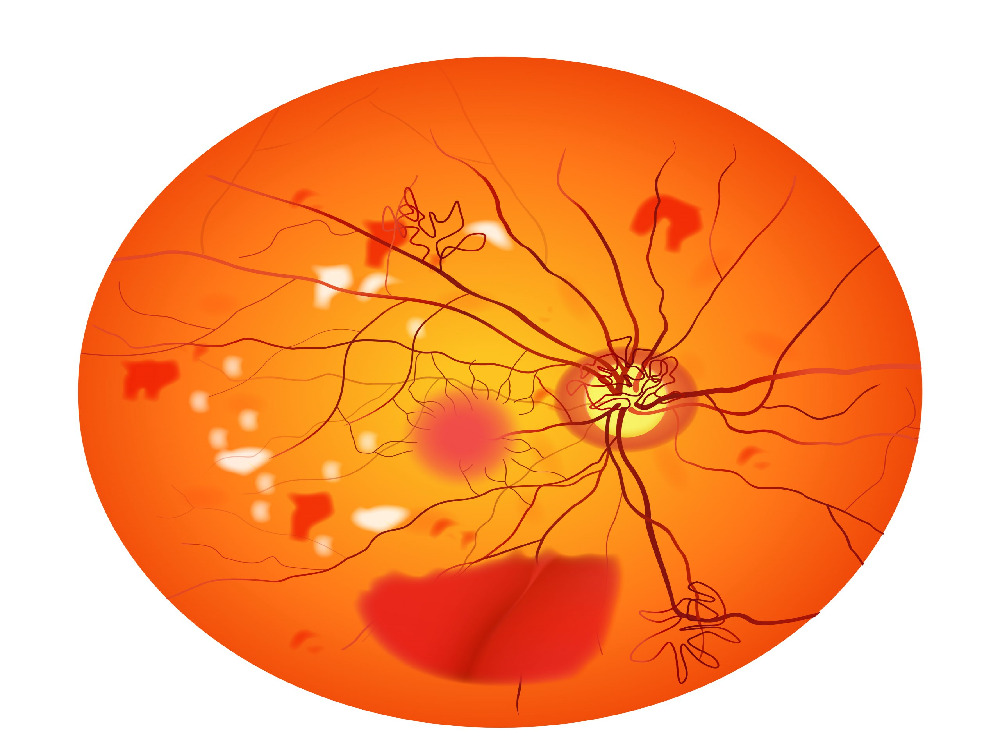
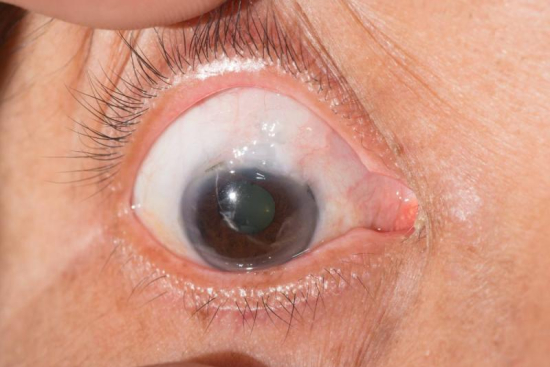
Diabetic retinopathy (DR) is a complication of diabetes that damages the tiny blood vessels of the retina. What makes it particularly dangerous is that it often develops without any symptoms in its early stages.

It is one of the leading causes of vision loss among working-age adults worldwide (20–74 years),according to the WHO. Yet many patients are unaware of it until their vision is affected.

In the early phase, there is no pain and no noticeable change in vision. When symptoms such as blurring, floaters, or dark spots appear, the disease is often already advanced. This is why people with diabetes are strongly advised to undergo annual eye examinations, even if their vision seems perfectly normal.

From a medical perspective, the mechanism is well established. Persistently high blood sugar damages the walls of retinal capillaries, making them leak fluid or bleed. Over time, reduced oxygen supply (retinal ischemia) triggers the release of vascular endothelial growth factor (VEGF).

VEGF stimulates the growth of abnormal, fragile blood vessels. These vessels can bleed, scar the retina, and in severe cases, lead to retinal detachment and vision loss.

Understanding the stages of diabetic retinopathy

Not all diabetic retinopathy requires the same treatment. The internationally recognised classification divides the disease into five distinct stages:

StageKey featuresTreatment approachPrimary goal
Mild NPDRMicroaneurysms onlyNo immediate treatment; monitor every 12 months; optimise glycaemic controlSlow disease progression
Moderate NPDRMicroaneurysms + hemorrhages + hard exudatesCloser monitoring (6-monthly); anti-VEGF if DME presentPrevent progression to severe NPDR
Moderate NPDRExtensive hemorrhages in 4 quadrants or venous beadingPossible early PRP or anti-VEGF; 3–4 month monitoringPrevent progression to PDR within 1 year (~50% risk)
Proliferative DR (PDR)Neovascularisation, vitreous hemorrhage, tractional RDAnti-VEGF + PRP; vitrectomy if haemorrhage or TRDPreserve remaining vision; regression of new vessels
DME (any stage)Macular thickening on OCT; central vision lossAnti-VEGF injections (1st line); laser if anti-VEGF failsRestore and maintain reading/driving vision

Diabetic macular oedema (DME) can occur at any stage, even in mild NPDR. It results from fluid leaking into the macula, the central part of the retina responsible for sharp vision, and is the most common cause of vision loss in diabetes. Prompt anti-VEGF treatment can often reverse the fluid accumulation and restore central vision, allowing patients to read, drive, and maintain independence.

Diagnosing diabetic retinopathy: Key tests your ophthalmologist will use

Proper diagnosis and staging are critical in diabetic retinopathy, treatment strategies differ dramatically between mild non-proliferative DR (NPDR) and proliferative disease. Istanbul's partner clinics use the same advanced diagnostic tools found in Europe's top retinal centers to ensure accurate assessment:

  1. Optical Coherence Tomography (OCT): The gold-standard test for detecting diabetic macular edema (DME). OCT produces high-resolution, cross-sectional images of the retina, allowing doctors to measure retinal thickness and fluid accumulation with micron-level precision. It is non-invasive and takes less than five minutes.

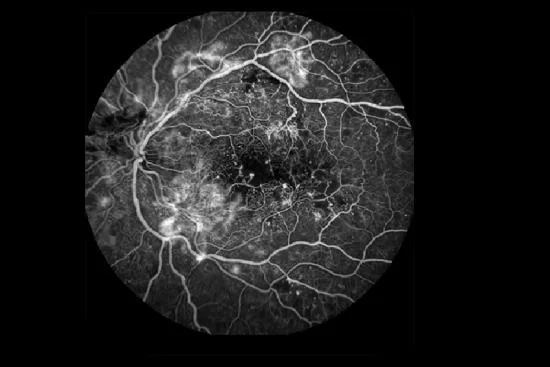
  2. Fluorescein Angiography (FA): A special dye is injected into the arm, which highlights retinal blood vessels in real time. FA identifies areas of leakage, poor perfusion, and abnormal new vessels (neovascularization) that OCT alone may miss, making it essential for advanced disease management.

  3. Colour Fundus Photography: Standardized retinal photographs are taken to document and stage the disease according to the ETDRS (Early Treatment Diabetic Retinopathy Study) scale. These images allow ophthalmologists to track disease progression over time.
  4. Fundoscopy: Direct and indirect examination of the retina, optic disc, and vitreous. This remains a routine part of every initial consultation and helps detect subtle changes that imaging might not capture.

Important clinical note: OCT alone is not sufficient for evaluating proliferative DR. Fluorescein angiography is necessary to map areas of retinal ischemia and guide laser treatments. Clinics that rely solely on OCT for advanced diabetic eye disease may not provide comprehensive care.

What are the treatment options of diabetic retinopathy in Turkey?

One of the first things patients notice during consultation in Istanbul is the level of precision before any treatment is proposed. There is no one-size-fits-all protocol.

Treatment decisions depend on several key factors: the stage of the disease, the presence of macular edema, the degree of retinal ischemia, and the patient's metabolic control.

Metabolic control: The foundation that no treatment can replace

Before any eye treatment is considered, specialists work closely with endocrinologists to stabilise blood sugar (HbA1c),blood pressure, and lipid levels.

The reality is simple: no injection or laser can compensate for poorly controlled diabetes.

The landmark DCCT study showed that reducing HbA1c from 9% to 7% lowers the risk of retinopathy progression by up to 76% — one of the most powerful findings in diabetic eye care.

Anti-VEGF injections: The current standard of care

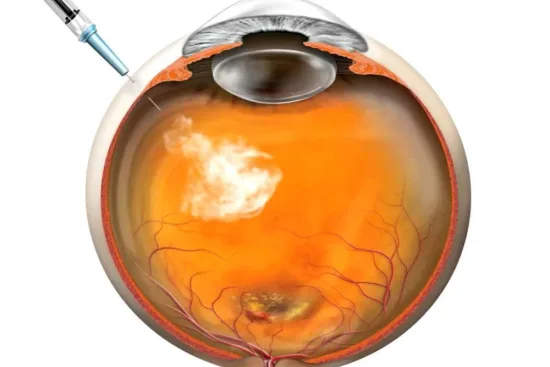
Anti-VEGF injections (ranibizumab, bevacizumab, aflibercept) are now the first-line treatment for diabetic macular edema and proliferative retinopathy.

They work by blocking VEGF, the molecule responsible for both fluid leakage and abnormal vessel growth.

Major clinical trials (RESTORE, VIVID/VISTA, PROTOCOL T) show average gains of 8–12 letters on the ETDRS scale at 12 months. In practical terms, this often means regaining the ability to read or drive.

In practice:

Laser photocoagulation

Laser treatment remains a cornerstone of proliferative diabetic retinopathy management.

The Diabetic Retinopathy Study (1976) showed that panretinal photocoagulation (PRP) reduces the risk of severe vision loss by around 50% in high-risk patients.

Two main types are used today:

Modern laser systems (Pascal, Navilas) used in Istanbul allow faster, more precise, and significantly more comfortable treatments compared to older technologies.

Intravitreal corticosteroids

When anti-VEGF treatment is insufficient or not well tolerated, long-acting corticosteroid implants (such as dexamethasone) offer an effective alternative.

Their effect typically lasts 4 to 6 months and can be repeated. They are particularly useful in chronic or refractory macular edema.

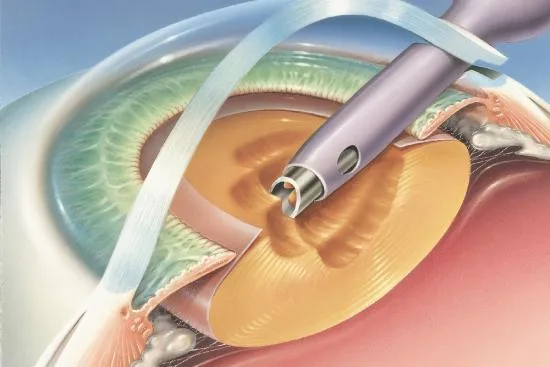
Vitrectomy: When surgery becomes necessary

Vitrectomy is indicated in advanced cases, such as:

This is a surgical procedure performed under local or general anaesthesia, with a recovery period of 1 to 3 weeks.

Specialised retinal teams in Istanbul use minimally invasive techniques (23G, 25G, 27G),which reduce surgical trauma and speed up recovery.

In experienced hands, anatomical success rates exceed 90% at 3 months for vitreous haemorrhage cases.

Risks and how Turkey's specialists manage them?

Transparency about risk is a sign of medical integrity, not a reason to avoid treatment. Untreated diabetic retinopathy carries a far greater risk of blindness than any of the interventions used to control it.

TreatmentMain risksFrequencyHow they are managed
Anti-VEGF injectionsInfection (endophthalmitis),temporary eye pressure rise, rare tractional retinal detachmentVery rare (<0.05% per injection)Strict sterile protocols, careful patient selection, regular monitoring
Laser photocoagulationReduced peripheral vision, decreased night vision, rare macular damageMild and predictableUse of advanced systems (PASCAL, NAVILAS) for precise targeting
Vitrectomy surgeryCataract formation, infection, increased eye pressure, rare retinal detachmentLow but higher than other treatmentsPerformed by specialised retinal surgeons in controlled hospital settings

What happens when you choose Turquie Santé for diabetic eye treatment?

For most patients, the process is simpler than they expect.

  1. Step 1: Remote assessment (before you travel): send your OCT scans, fundus photographs, most recent HbA1c and diabetic history. A partner retinal specialist reviews your case and provides a preliminary opinion, confirming whether treatment in Istanbul is appropriate and which modality is recommended
  2. Step 2: Travel and confirmation appointment: on arrival, a full clinical examination is performed, including repeat OCT and, where necessary, fluorescein angiography. The treatment plan is confirmed or refined based on the current retinal status.
  3. Step 3: Treatment: anti-VEGF injections and laser procedures are typically performed on the same day as diagnosis confirmation, or the next morning. Vitrectomy is scheduled within 24–48 hours with a pre-operative assessment.
  4. Step 4: Return and ongoing care: most patients fly home within two to three days of injection procedures, or after seven to ten days following vitrectomy. Your Turkish specialist provides a detailed follow-up protocol for your local ophthalmologist, and remains accessible via teleconsultation between visits.
Share this page

Our assistants help you to get the best options in Diabetic Retinopathy Treatment