


Turquie Santé
Last update : 18/11/2026

Astigmatism surgery in Turkey: LASIK, PRK and ICL options, risks and prices

Access care from specialist doctors in Turkey, at prices generally lower than those in Europe.

Free Medical Opinion
Correction of astigmatism Turkey
795+
patient reviews
across all procedures

Astigmatism is a refractive error caused by an uneven curvature of the cornea or lens that blurs vision at all distances. It can be corrected with glasses, toric contact lenses or, in suitable patients, with laser surgery such as LASIK, femto-LASIK or PRK. In Turkey, partner ophthalmology clinics offer these procedures from 1,400 USD (PRK) and 1,800 USD (LASIK),and from 2,100 USD for laser astigmatism correction, according to the price table on this page.

Turquie Santé reviews your medical file, organizes a free teleconsultation with a partner ophthalmologist, coordinates the clinic, travel and stay, and arranges follow-up after your return home. What your package includes is confirmed in writing before you travel.

The first criterion for choosing a clinic is the quality of the preoperative assessment, not the price: corneal topography and thickness, a stable prescription and an eye surface assessment determine whether laser surgery is safe for you or whether another option, such as implantable lenses, is better. Results depend on your anatomy and degree of astigmatism, and an enhancement is sometimes needed.

Risks and Side Effects

  • Dry eye, common in the first weeks and persistent in some patients, particularly if present before surgery.
  • Glare, halos and reduced night vision, which usually improve over weeks or months but can persist.
  • Under-correction, over-correction, regression or residual astigmatism, which may require an enhancement, glasses or contact lenses.
  • Flap complications and corneal infection, rare but needing urgent treatment.
  • Corneal ectasia (progressive thinning and bulging of the cornea),rare, mainly in patients with undiagnosed keratoconus.
  • Not recommended in case of keratoconus or a family history of it, thin or irregular cornea, unstable prescription, untreated dry eye, eye infection or inflammation, ocular herpes, uncontrolled autoimmune disease, pregnancy and breastfeeding, or large pupils. PRK or implantable lenses may be alternatives depending on the assessment.


How much does Correction of astigmatism cost in Turkey

Type of Astigmatism CorrectionTurkey Price Turkey
LASIKFrom $1,800
PRK (Photorefractive Keratectomy)From $1,400
Implantable Contact Lenses (ICL)From $2,400
Astigmatism correction with laserFrom $2,100
Astigmatism correction by refractive surgeryFrom $2,000

Data verified by Turquie Santé in November 2026, based on quotes we prepared for our patients and official rates from our partner clinics in Turkey. Median costs are calculated from real quotes (2025–2026) and updated quarterly. Actual prices may vary depending on the technique and the patient's profile.

Why choose Correction of astigmatism with Turquie Santé ?

Chirurgien icon

Accredited surgeons and hospitals (JCI, ISO)

Économie icon

Indicative prices, often lower than in Western Europe depending on the case

Organisation icon

Medical stay organized from A to Z

Prix icon

Detailed quote (included / not included) before your stay

Résultat icon

Free review of your file

All about your Correction of astigmatism in Turkey
Overview
Alternative care
Benefits
Payment

Intervention or treatment's duration :

  • Between 25 and 30 min

Recovery time :

  • Vision often improves within the first 24 to 48 hours after LASIK, but it can fluctuate and usually takes several weeks to stabilize. Recovery after PRK is slower, over several days to weeks. Your surgeon will tell you when to resume driving, sport and screen work.

Alternative treatments
  • Glasses with cylindrical lenses
  • Toric contact lenses
  • PRK (surface laser, no flap),suitable for thinner corneas
  • Epi-LASIK
  • Implantable toric contact lenses (ICL)

Highly qualified professionals in accredited institutions.


We assist you before, during, and after your trip


A detailed quote is presented to you before your stay. Our support is free for the patient and any fees are specified in advance.

You will pay your clinic directly using these available methods:
Transfer

Verified testimonials from our patients

Elena H.
Verified review

It was my first time coming to Turkey for treatment, so I had some apprehensions. In the end, my stay went well. Emily accompanied me for my YAG laser capsulotomy at the Acıbadem Clinic. She was available before and during my stay and responded quick..Read more


14/07/2026
This patient was treated for YAG laser capsulotomy
الشاوي ع.
Verified review

Nothing.


07/07/2026
This patient was treated for Laser Presbyond (femtosecond)
Cheikh A.
Verified review

I am very satisfied with the service and the quality of the translation


18/06/2026
This patient was treated for Glaucoma Review
Mohammad S.
Verified review

The operation went well.


16/06/2026
This patient was treated for Keratoconus treatment
RAMADHAN M.
Verified review

Good evening, Miss Sophia

The reception is more than wonderful

The car with the driver from the hotel to the hospital and from the hospital to the hotel

At the hospital, there was an Arabic translator named Huss..Read more


14/06/2026
This patient was treated for Ophthalmology
ESSANGA V.
Verified review

satisfied with the consultation with the doctor


13/06/2026
This patient was treated for Ophthalmology
Jolicoeur J.
Verified review

We were satisfied with the service provided by the clinic. The staff was very helpful and kind. If possible, improvement is required in the waiting time to see the doctor once the results are received. However, we do understand that the number of pat..Read more


13/06/2026
This patient was treated for Eye Exam
Chaban G.
Verified review

I am very happy with service.


12/06/2026
This patient was treated for Femto-LASIK
Emily White : Medical Content Team Manager at Turquie Santécheck

Written by

Emily White

This content complies with Turquie Santé's editorial policy. It was written by Emily White, Head of the Editorial Team, who coordinates content creation and updates. She has 11 years of experience in medical communications and supporting international patients in Turkey.

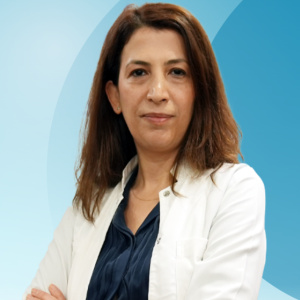
Exp. Ömer Faruk ÖĞE M.Dcheck

Medically reviewed by : Exp. Ömer Faruk ÖĞE M.D

Specialty : Ophthalmology
Diploma no. (TTB) : 101423

Medical review does not replace an individual consultation.

How it works ?

2
Services
We look for the best option for your case & budget
3
Hospital
Evaluating a care plan with the best quote
4
airplane
Making appointments & Organization of your trip
5
Health care
Ongoing support until you return home

Get a free medical opinion on Correction of astigmatism with our recognized clinics

Certifications :

JCI - Joint Commission International LOKMAN HEKIM ISTANBUL
International Organization for Standardization (ISO) LOKMAN HEKIM ISTANBUL
LOKMAN HEKIM ISTANBUL
Istanbul, Turkey
4.7 / 5
4.7(70 Reviews)

Certifications :

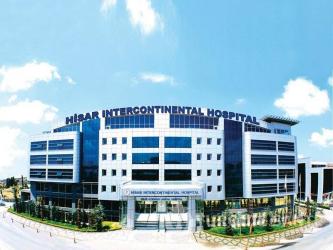
JCI - Joint Commission International HISAR INTERCONTINENTAL
International Organization for Standardization (ISO) HISAR INTERCONTINENTAL
HISAR INTERCONTINENTAL
Istanbul, Turkey
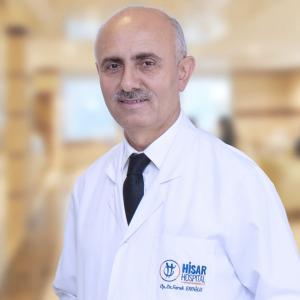
Op. Dr. Faruk Eroglu

Op. Dr. Faruk Eroglu

32 years of experience
Main specialty: OphthalmologyYears of experience: Over 31 years since 1993Notable training: Medical degree, University of Istanbul (1993); specialization in ophthalmology, University of IstanbulNotable achievements: Over 10,000 argon laser procedures, 5,000 ... Read more
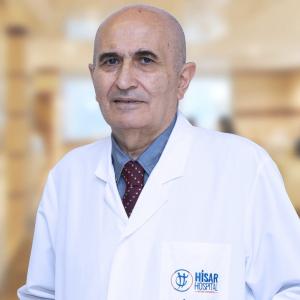
PROF. ÖMER KAMİL DOĞAN, M.D.

PROF. ÖMER KAMİL DOĞAN, M.D.

35 years of experience
Main specialty: Ophthalmology (cataract surgery, glaucoma, corneal transplant, conjunctival diseases) Current position: Chief Physician, Department of Adult and Pediatric Ophthalmology, Hisar Intercontinental Hospital (Istanbul); former Medical Director of ... Read more
4.4 / 5
4.4(222 Reviews)

Certifications :

JCI - Joint Commission International MEMORIAL Şişli
International Organization for Standardization (ISO) MEMORIAL Şişli
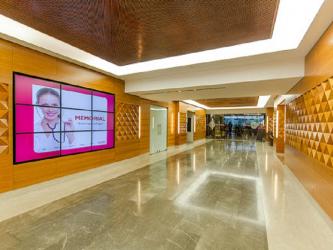
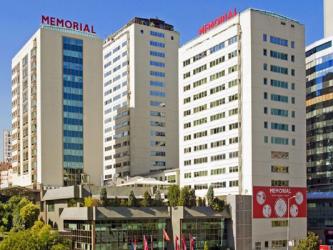
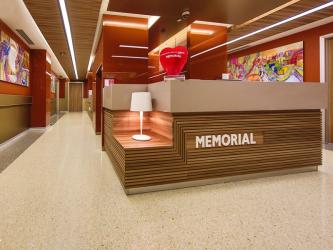
MEMORIAL Şişli
Istanbul, Turkey
Grand Hospital founded in 1999 200 Beds 53,000 square meters  
4.5 / 5
4.5(34 Reviews)

Certifications :

International Organization for Standardization (ISO) LIV Vadistanbul
JCI - Joint Commission International LIV Vadistanbul
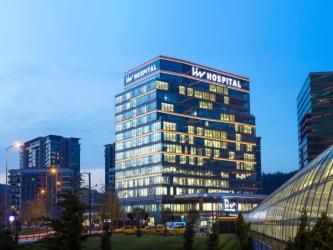
LIV Vadistanbul
Istanbul, Turkey
Prof. Dr. İhsan Yılmaz

Prof. Dr. İhsan Yılmaz

17 years of experience
Main Specialty : Ophthalmology Years of Experience : 17 years. Notable Trainings : Uludag University, Bursa; Kartal Training and Research Hospital, Istanbul; Vance Thompson Vision Center, SD, USA; Beyoglu Eye Training and Research Hospital, Istanbul Mastered ... Read more
Spec. MD. Deniz Marangoz

Spec. MD. Deniz Marangoz

17 years of experience
Main Specialty : Ophthalmology Notable Trainings : Uludag University, Bursa; Kartal Training and Research Hospital, Istanbul; Vance Thompson Vision Center, SD, USA; Beyoglu Eye Training and Research Hospital, Istanbul Mastered Techniques : Intraocular ... Read more
4.4 / 5
4.4(11 Reviews)

Certifications :

International Organization for Standardization (ISO) LIV Ulus
JCI - Joint Commission International LIV Ulus
LIV Ulus
Istanbul, Turkey
Op. Dr. Mediha Tok Çevik

Op. Dr. Mediha Tok Çevik

11 years of experience
Main Specialty : Ophthalmology Years of Experience : 11 years. Notable Training : 2010-2015 Uludağ University Faculty of Medicine Department of Ophthalmology - Assistant Mastered Techniques : Cornea, Refractive Surgery, Contact Lens, Oculoplasty, Glaucoma, ... Read more
Prof. Dr.Mehmet Murat Öncel

Prof. Dr.Mehmet Murat Öncel

39 years of experience
Main Specialty : Ophthalmology Notable Trainings : Istanbul University Istanbul Faculty of Medicine, Ophthalmology residency in Istanbul University Cerrahpaşa Faculty of Medicine, Department of Ophthalmology, Mayo Clinic, Cleveland Clinic, LSU Eye ... Read more
4.7 / 5
4.7(1 Reviews)
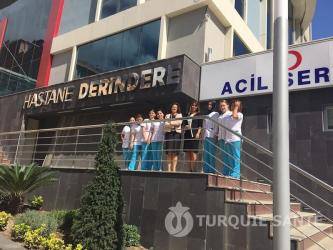
DERINDERE
Istanbul, Turkey
Multispeciality Hospital 150 Beds Opened in 2015
4.0 / 5
4.0(2 Reviews)

Certifications :

JCI - Joint Commission International DUNYAGOZ ETILER
International Organization for Standardization (ISO) DUNYAGOZ ETILER
DUNYAGOZ ETILER
Istanbul, Turkey
Prof. ANIL KUBALOĞLU, MD

Prof. ANIL KUBALOĞLU, MD

35 years of experience
Main specialty: Refractive surgery, cataract, cornea, keratoconus Years of experience: 35 years (ophthalmology specialist since 1991) Notable training: Graduated in medicine from Istanbul-Cerrahpaşa University (1986),specialization in ophthalmology at ... Read more
Op. Dr. Zehra Karaagac

Op. Dr. Zehra Karaagac

9 years of experience
Main specialty: Ophthalmology, oculoplastic surgery Years of experience: Over 9 years Notable training: Graduate of Akdeniz University, specialization in ophthalmology (2016) Professional background / Notable achievements: Former practitioner at ... Read more
4.1 / 5
4.1(31 Reviews)

You have consulted 7 / 31 Hospitals

🩺 Medical note — The content of this page is provided for information purposes and in accordance with our medical charter. It does not constitute medical advice and does not replace a consultation with a healthcare professional. Prices are indicative and will be specified in a personalized quote after reviewing your file. Any treatment must be assessed and approved by a qualified doctor.

Types of astigmatism

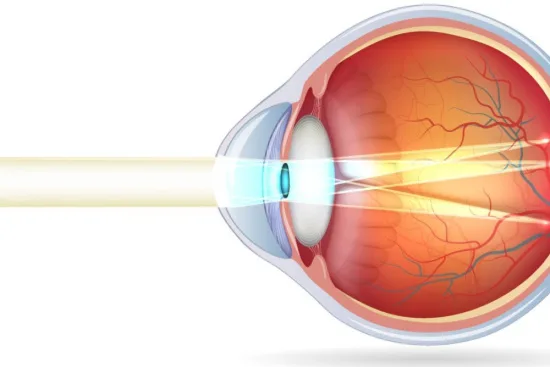
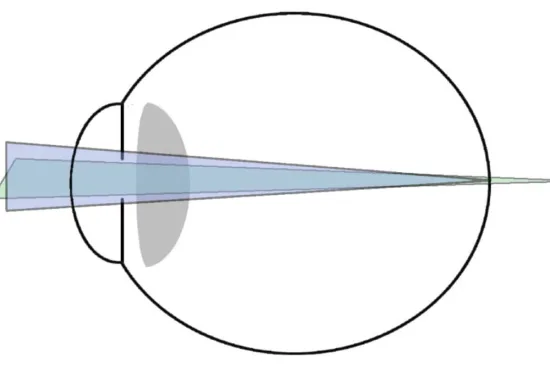
Astigmatism is a refractive error in which the cornea (or, less often, the lens) does not have a uniform curvature. Light rays do not converge on a single point on the retina, which blurs and distorts vision.

Two main types: regular and irregular

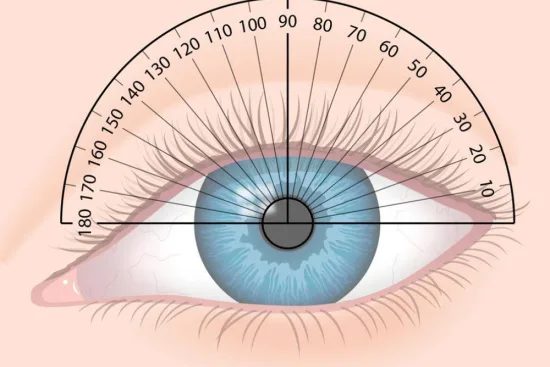
  • Regular astigmatism: the curvature is steeper along one axis than the other, like a rugby ball. This is the most common type and can be corrected with glasses, toric lenses or laser surgery.
  • Irregular astigmatism: the curvature is uneven, after an injury, surgery or a disease such as keratoconus. It is harder to correct and is generally not an indication for standard LASIK.

Classification by focal line position

Regular astigmatism is also classified according to where the two focal lines fall relative to the retina:

  • Simple myopic astigmatism: one meridian is myopic and the other is normal.
  • Simple hyperopic astigmatism: one meridian is hyperopic and the other is normal.
  • Compound myopic astigmatism: both meridians are myopic, to different degrees.
  • Compound hyperopic astigmatism: both meridians are hyperopic, to different degrees.
  • Mixed astigmatism: one meridian is myopic and the other is hyperopic.

Causes & symptoms of astigmatism

Astigmatism is usually due to the natural shape of the cornea and is often present from childhood, and it can run in families. It can also appear or worsen after an eye injury, eye surgery or with a corneal disease such as keratoconus.

A small amount of astigmatism is common and may cause no symptoms. A larger amount can cause troublesome symptoms.

Some of the most common symptoms include:

  • Blurred or distorted vision at all distances.
  • Eye strain and fatigue.
  • Headache.
  • Squinting.
  • Difficulty seeing at night, with glare or halos around lights.
  • Burning or watery eyes.

These symptoms are not specific to astigmatism, so an eye examination is needed to make the diagnosis.

Diagnosis of astigmatism in Turkey

In Turkey, experienced ophthalmologists use modern diagnostic tools to identify and measure astigmatism, including complex cases.

During a comprehensive eye exam, your eye doctor will use several techniques to diagnose and measure the degree of astigmatism. These may include:

  • A refraction examination: using different lenses to determine the strength and type of vision correction needed.
  • Corneal topography (photokeratoscopy): computerized mapping of corneal curvature to identify irregularities and the type of astigmatism.
  • Slit lamp examination: detailed evaluation of the surface and interior of the eye to rule out other conditions.

Astigmatism can coexist with other refractive errors, such as myopia (nearsightedness) or hyperopia (farsightedness). In such cases, your eye doctor will prescribe a combined correction.

Astigmatism surgery in Turkey: LASIK, PRK and ICL techniques

Astigmatism can be managed in several ways. The choice depends on your degree of astigmatism, corneal thickness and shape, age and daily needs, and is made by the surgeon after a full examination.

Non-surgical correction

  • Glasses: cylindrical lenses compensate for the uneven curvature.
  • Toric contact lenses: specially designed to correct astigmatism. Strict lens hygiene is essential to avoid infection.

Surgical correction

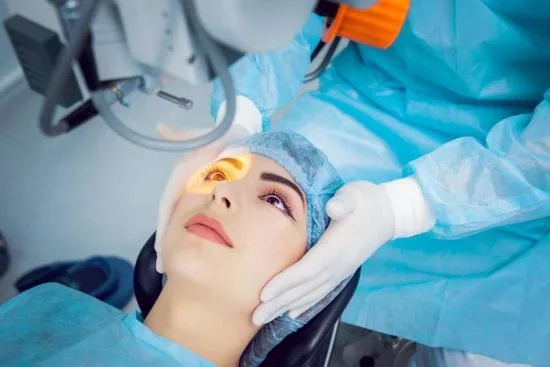
Refractive surgery reshapes the cornea or replaces the need for external correction and can reduce or remove the need for glasses or contact lenses in suitable patients. It does not guarantee that you will never need glasses. Options include:

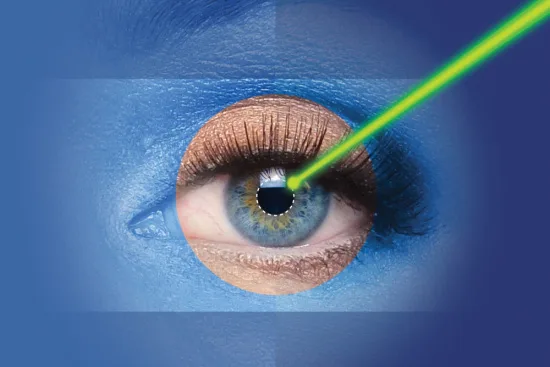
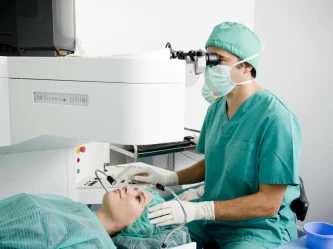
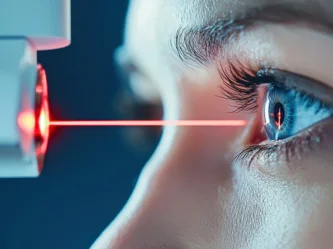
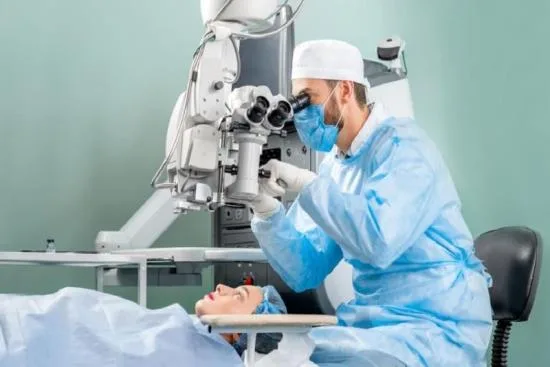
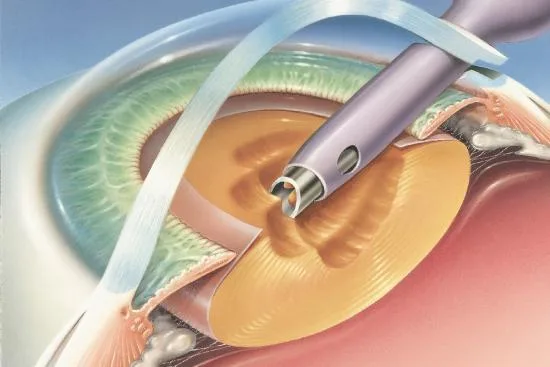
  • LASIK / Femto-LASIK: a femtosecond laser creates a corneal flap, then an excimer laser reshapes the cornea.
  • PRK: surface laser treatment without a flap, an option for thinner corneas, with slower recovery.
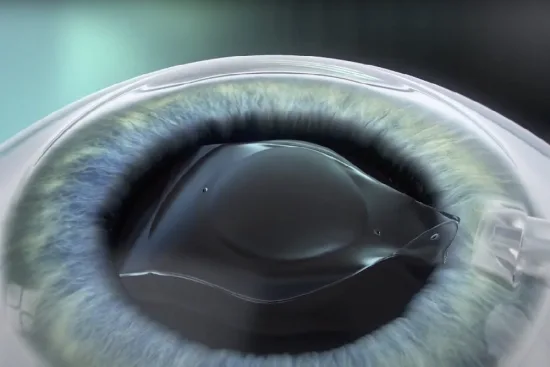
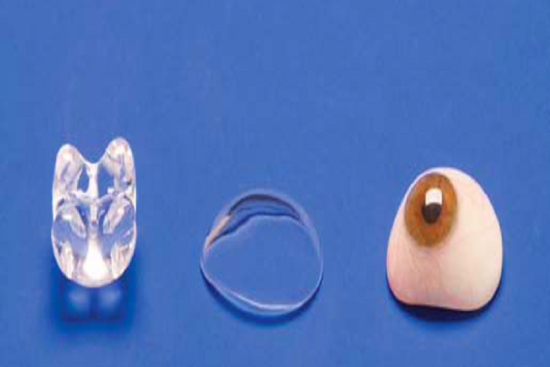
  • Implantable contact lenses (ICL): a toric lens placed inside the eye, an option when laser surgery is not suitable.

Who is eligible for each technique?

  • LASIK / Femto-LASIK: adults with a prescription that has been stable for at least a year, healthy eyes, and a cornea thick enough and regular enough, as confirmed by corneal topography and thickness measurements.
  • PRK: considered when the cornea is thinner or a flap is not advisable, or for active lifestyles; recovery takes longer.
  • ICL: considered when the cornea is unsuitable for laser or the correction is outside the laser range; requires enough space inside the eye, which the surgeon measures.

Irregular astigmatism (for example keratoconus) is generally not an indication for standard LASIK.

Advantages of the Femto-Lasik technique

Femto-LASIK is one of the laser options for correcting astigmatism in suitable patients. Potential advantages include:

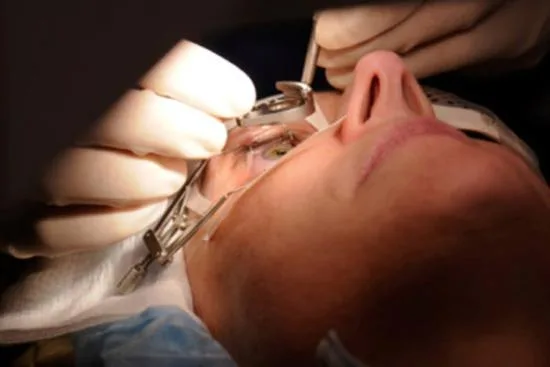
  • Short outpatient procedure, usually a few minutes per eye under anesthetic drops.
  • Flap created with a femtosecond laser instead of a blade.
  • Rapid initial visual recovery in many patients, often within 24 to 48 hours, with full stabilization over several weeks.
  • Possible reduction of dependence on glasses and contact lenses.

Limits to keep in mind: dry eye, glare and halos are common temporarily, under- or over-correction can occur and may require an enhancement, and rare serious complications exist. Not all patients are eligible.

Astigmatism correction with Turquie Santé

Turquie Santé is a medical tourism facilitator. It does not perform the surgery, which is carried out by ophthalmologists at partner clinics.

Its role is to review your medical file, organize a free teleconsultation in which a partner ophthalmologist gives a first opinion on your candidacy, coordinate the preoperative tests, the clinic, your travel and your stay, and arrange follow-up after your return home. What your package includes, and the cost of any enhancement, is confirmed in writing before you travel.

Submit your medical file to find out whether laser correction or another option is suitable for you.

Related medical articles

Experiences of our patients – Turquie Santé

Correction of astigmatism FAQ

Which technique is best for astigmatism: LASIK, PRK or ICL?

There is no single best technique. LASIK or femto-LASIK suits many patients with a stable prescription and a sufficiently thick, regular cornea. PRK is an option for thinner corneas, with slower recovery. Implantable contact lenses (ICL) can be considered when laser surgery is not suitable. The surgeon decides after corneal topography, thickness measurements and a full eye examination.

How much does astigmatism surgery cost in Turkey?

According to the price table on this page, indicative prices at partner clinics start from about $1,400 for PRK, $1,800 for LASIK and $2,400 for implantable contact lenses (ICL). The final price depends on the technique, the clinic and the preoperative findings, and is confirmed in a written quote before you travel, together with what is included and the cost of any enhancement.

Can all types of astigmatism be corrected with laser?

Regular astigmatism, alone or with myopia or hyperopia, is generally corrected well when the cornea is suitable. Irregular astigmatism, for example from keratoconus or after an injury, is generally not a good candidate for standard LASIK, and other options may be discussed. Results depend on your anatomy and degree of astigmatism, and an enhancement is sometimes needed.
Other procedures in this specialty

Share this page

Our assistants help you to get the best options in Correction of astigmatism