

Turquie Santé
Last update : 05/11/2026

Strabismus Surgery in Turkey: Cost, Recovery & Results for Lazy Eye Correction

Access internationally recognized healthcare with substantial savings compared with European prices.

Package price : 4800 $
Free Medical Opinion
Strabismus treatment Turkey
794+
patient reviews
across all procedures

In Istanbul, our partner clinics treat strabismus (eyes that do not point in the same direction) in children and adults with glasses, prisms, patching, botulinum toxin injections or eye muscle surgery, depending on the type and cause. The indicative price is $2,300 to $5,500, depending on whether one or both eyes are operated and how many muscles need correcting. Surgery realigns the eyes by weakening, strengthening or repositioning eye muscles; some patients need more than one operation.

Turquie Santé has a specialist study your file (or your child's),sends you a detailed quote and organises airport pick-up, transfers, an interpreter and 7-day assistance.

The number 1 criterion: an ophthalmologist who is a strabismus specialist (and, for a child, a pediatric ophthalmologist) who checks vision and refraction first and explains the timing and the options.

Strabismus surgery cost in Turkey

The cost of strabismus surgery depends on how many muscles need correcting and on the complexity of the case. Indicative prices in Istanbul range from about $2,300 to $5,500, the upper end applying to both eyes or complex cases. These prices usually cover the pre-operative examination, the operation and the first check-ups, but your quote must state what is included. Only the personalized quote is binding.

Turquie Santé sends you a detailed quote after a specialist has reviewed your file. Ask what is included, what happens if a second operation is needed, and how follow-up with an ophthalmologist in your country will be organised.

Risks and Side Effects

  • Infection, bleeding, redness and discomfort.
  • Overcorrection or undercorrection, sometimes requiring a further operation.
  • Double vision, which can occur after surgery in adults and may need prism glasses or exercises.
  • Rarely, perforation of the eye wall, a slipped or lost muscle, or loss of vision.
  • Risks of general anaesthesia, which is used in children.

Seek urgent care for severe pain, worsening redness with discharge, fever or sudden loss of vision after surgery.


Why choose Strabismus treatment with Turquie Santé ?

Chirurgien icon

Accredited surgeons and hospitals (JCI, ISO)

Économie icon

Indicative prices, often lower than in Western Europe depending on the case

Organisation icon

Medical stay organized from A to Z

Prix icon

Detailed quote (included / not included) before your stay

Résultat icon

Free review of your file

All about your Strabismus treatment in Turkey
Overview
Benefits
Payment

Intervention or treatment's duration :

  • The operation usually takes about one hour, depending on the number of muscles treated. The surgeon tells you the expected duration.

Recovery time :

  • Redness, discomfort and tearing are common in the first days. The surgeon tells you when you or your child can return to school, work and sport, and when you can fly home.
  • Redness and swelling can last weeks; the final alignment becomes clear over several weeks.

Highly qualified professionals in accredited institutions.


We assist you before, during, and after your trip


A detailed quote is presented to you before your stay. Our support is free for the patient and any fees are specified in advance.

You will pay your clinic directly using these available methods:
Transfer

🌟 Package Strabismus treatment

  • VIP Airport shuttle
  • Interpreter service in clinic
  • Doctor visit
  • Turquie Santé Assistance 7 days/7
  • 2 Nights of hospitalization
  • 3 Meals per day in clinic
  • Intervention
  • Medical control
  • Medications in hospital
  • Transportation Hotel / Clinic

Package price :

4 800 $

Medical advice & quote Indicative, non-binding estimate: the final price is set only by a personalised quote after review of your medical file, and may be higher. Travel costs, flight tickets and any additional care or tests are not included.

Verified testimonials from our patients

K A.
Verified review

Good evening. The consultation went well.

The doctor requested additional examinations In order to be able to decide on a possible surgical intervention, I carried out the examinations on the spot. After reading, the doctor told me that ..Read more


30/03/2026
This patient was treated for Strabismus treatment
salmon D.
Verified review

Emily was great from start to finish with organising everything and communicating.

Tülay arici was very welcoming and informative with great English never felt confused couldn’t thank her enough.

Definitely recommend.


20/11/2024
This patient was treated for Strabismus treatment
Braik M.
Verified review

Thank God, the doctor is at the top of his game. He shows humility, respect, and has perfect mastery of his profession. He gives valuable advice to patients and has excellent work technique. Moreover, he is one of the best surgeons in the hospital.


30/05/2024
This patient was treated for Strabismus treatment
Elena H.
Verified review

It was my first time coming to Turkey for treatment, so I had some apprehensions. In the end, my stay went well. Emily accompanied me for my YAG laser capsulotomy at the Acıbadem Clinic. She was available before and during my stay and responded quick..Read more


14/07/2026
This patient was treated for YAG laser capsulotomy
الشاوي ع.
Verified review

Nothing.


07/07/2026
This patient was treated for Laser Presbyond (femtosecond)
Cheikh A.
Verified review

I am very satisfied with the service and the quality of the translation


18/06/2026
This patient was treated for Glaucoma Review
Mohammad S.
Verified review

The operation went well.


16/06/2026
This patient was treated for Keratoconus treatment
RAMADHAN M.
Verified review

Good evening, Miss Sophia

The reception is more than wonderful

The car with the driver from the hotel to the hospital and from the hospital to the hotel

At the hospital, there was an Arabic translator named Huss..Read more


14/06/2026
This patient was treated for Ophthalmology
Emily White : Medical Content Team Manager at Turquie Santécheck

Written by

Emily White

This content complies with the editorial policy of Turquie Santé. It was written by Emily White, Head of the Editorial Team, who has over 11 years of experience in scientific research and clinic management in Turkey. She ensures the reliability of medical information while making complex data accessible to everyone.

Exp. Ömer Faruk ÖĞE M.Dcheck

Medically reviewed by : Exp. Ömer Faruk ÖĞE M.D

Specialty : Ophthalmology
Diploma no. (TTB) : 101423

Medical review does not replace an individual consultation.

How it works ?

2
Services
We look for the best option for your case & budget
3
Hospital
Evaluating a care plan with the best quote
4
airplane
Making appointments & Organization of your trip
5
Health care
Ongoing support until you return home

Get a free medical opinion on Strabismus treatment with our recognized clinics

Certifications :

JCI - Joint Commission International LOKMAN HEKIM ISTANBUL
International Organization for Standardization (ISO) LOKMAN HEKIM ISTANBUL
LOKMAN HEKIM ISTANBUL
Istanbul, Turkey
Prof. Dr. Osman İLHAN

Prof. Dr. Osman İLHAN

48 years of experience
Specialist Dr. Cemal AYDOĞAN

Specialist Dr. Cemal AYDOĞAN

40 years of experience
4.7 / 5
4.7(69 Reviews)

Certifications :

International Organization for Standardization (ISO) HISAR INTERCONTINENTAL
JCI - Joint Commission International HISAR INTERCONTINENTAL
HISAR INTERCONTINENTAL
Istanbul, Turkey
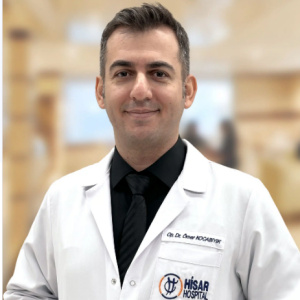
Op.Dr. Omer Kocabayık

Op.Dr. Omer Kocabayık

10 years of experience
Main Specialty : OphthalmologyYears of Experience : 10 years.Notable Education : Gazi University Faculty of Medicine, Çanakkale 18 Mart University Faculty of MedicineMastered Techniques : Cataract surgery, blepharoplasty, treatment of refractive errors, ... Read more
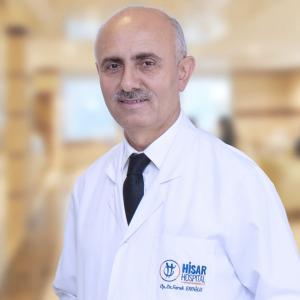
Op. Dr. Faruk Eroglu

Op. Dr. Faruk Eroglu

32 years of experience
Main specialty: OphthalmologyYears of experience: Over 31 years since 1993Notable training: Medical degree, University of Istanbul (1993); specialization in ophthalmology, University of IstanbulNotable achievements: Over 10,000 argon laser procedures, 5,000 ... Read more
4.4 / 5
4.4(222 Reviews)

Certifications :

International Organization for Standardization (ISO) MEMORIAL Şişli
JCI - Joint Commission International MEMORIAL Şişli
MEMORIAL Şişli
Istanbul, Turkey
MD Ahmet ARPACI

MD Ahmet ARPACI

46 years of experience
Prof. Dr. Ahmet Nevzat Nayır

Prof. Dr. Ahmet Nevzat Nayır

41 years of experience
4.5 / 5
4.5(34 Reviews)

Certifications :

JCI - Joint Commission International LIV Vadistanbul
International Organization for Standardization (ISO) LIV Vadistanbul
LIV Vadistanbul
Istanbul, Turkey
Prof. Dr. İhsan Yılmaz

Prof. Dr. İhsan Yılmaz

17 years of experience
Main Specialty : Ophthalmology Years of Experience : 17 years. Notable Trainings : Uludag University, Bursa; Kartal Training and Research Hospital, Istanbul; Vance Thompson Vision Center, SD, USA; Beyoglu Eye Training and Research Hospital, Istanbul Mastered ... Read more
Spec. MD. Deniz Marangoz

Spec. MD. Deniz Marangoz

17 years of experience
Main Specialty : Ophthalmology Notable Trainings : Uludag University, Bursa; Kartal Training and Research Hospital, Istanbul; Vance Thompson Vision Center, SD, USA; Beyoglu Eye Training and Research Hospital, Istanbul Mastered Techniques : Intraocular ... Read more
4.4 / 5
4.4(11 Reviews)

Certifications :

JCI - Joint Commission International LIV Ulus
International Organization for Standardization (ISO) LIV Ulus
LIV Ulus
Istanbul, Turkey
Prof. Dr.Mehmet Murat Öncel

Prof. Dr.Mehmet Murat Öncel

39 years of experience
Main Specialty : Ophthalmology Notable Trainings : Istanbul University Istanbul Faculty of Medicine, Ophthalmology residency in Istanbul University Cerrahpaşa Faculty of Medicine, Department of Ophthalmology, Mayo Clinic, Cleveland Clinic, LSU Eye ... Read more
Op. Dr. Mediha Tok Çevik

Op. Dr. Mediha Tok Çevik

11 years of experience
Main Specialty : Ophthalmology Years of Experience : 11 years. Notable Training : 2010-2015 Uludağ University Faculty of Medicine Department of Ophthalmology - Assistant Mastered Techniques : Cornea, Refractive Surgery, Contact Lens, Oculoplasty, Glaucoma, ... Read more
4.7 / 5
4.7(1 Reviews)
DERINDERE
Istanbul, Turkey
OP. DR. MEHMET YAVUZ ÇIRPICI

OP. DR. MEHMET YAVUZ ÇIRPICI

37 years of experience
4.0 / 5
4.0(2 Reviews)

Certifications :

JCI - Joint Commission International DUNYAGOZ ETILER
International Organization for Standardization (ISO) DUNYAGOZ ETILER
DUNYAGOZ ETILER
Istanbul, Turkey
Prof. ATILLA BAYER, MD

Prof. ATILLA BAYER, MD

30 years of experience
Main specialty: Ophthalmology Years of experience: Over 30 years Notable training: Graduated from the GATA Military Medical School in 1988, specialized in ophthalmology at the same institution in 1994, and specialized training in glaucoma at Wills Eye ... Read more
Prof. ÜMIT AYKAN, MD

Prof. ÜMIT AYKAN, MD

30 years of experience
Prof. Ümit Aykan is a full professor of ophthalmology with over 30 years of clinical experience. He specializes in strabismus surgery and anterior segment conditions. A graduate of GATA Military Medical School and Fellow of the European Board of ... Read more
4.1 / 5
4.1(31 Reviews)

You have consulted 7 / 31 Hospitals

🩺 Medical note — The content of this page is provided for information purposes and in accordance with our medical charter. It does not constitute medical advice and does not replace a consultation with a healthcare professional. Prices are indicative and will be specified in a personalized quote after reviewing your file. Any treatment must be assessed and approved by a qualified doctor.

Causes of strabismus

Strabismus can be associated with visual defects or serious eye diseases. The main causes of these defects include:

  • Genetic factors.
  • Ocular disorders such as cataracts and ptosis.
  • Optical refractive errors.
  • Paralysis of one of the eye muscles.

In children, strabismus may be caused by incorrect refractive errors or hyperopia, resulting in convergent strabismus.

Reduced central vision in one eye (amblyopia or lazy eye) is another common cause of strabismus, usually resulting in divergent strabismus. In addition, strabismus may be present from birth and is known as congenital strabismus, but is not associated with other ocular changes.

Strabismus types

There are three types of strabismus, which are:

  • Convergent strabismus or esotropia (the ocular globe is deflected inwards).
  • Divergent strabismus (the ocular globe is deflected outwards).
  • Vertical strabismus (the ocular globe is deflected upwards or downwards).

Effects of squinting on vision

Strabismus, a misalignment of the eyes, disrupts the normal coordination of binocular vision, so that the two eyes send different images to the brain.

Double vision and image suppression

The misaligned eye looks at a different object than the other eye. This can cause double vision (diplopia). In children, the brain often suppresses the image from the misaligned eye to avoid it.

Amblyopia: reduced vision in one eye

If a child's brain keeps suppressing the image from one eye, that eye may not develop normal visual acuity, even if its structure is normal. This is amblyopia ("lazy eye"). It can become permanent if it is not treated at a young age, which is why early assessment matters.

Loss of depth perception

Binocular vision is needed for depth perception. Strabismus can make it harder to judge distances and to move in space.

Head posture

Some people tilt or turn the head to compensate for the misalignment, which can cause neck pain.

Treatment options of strabismus in Turkey

The treatment of strabismus in adults and children aims to improve alignment and binocular vision. The ophthalmologist chooses according to the type, the cause and the age.

Optical correction

  • Eyeglasses: prescription glasses are often the first step. They correct refractive errors (nearsightedness, farsightedness, astigmatism) and can improve the alignment in some types of strabismus, especially accommodative esotropia in children.
  • Contact lenses: in some cases, contact lenses may be an alternative to glasses, according to age and eye condition.
  • Prisms: prism lenses can reduce double vision in selected cases.

Other non-surgical treatments

Patching or other treatment of amblyopia, vision (orthoptic) exercises and botulinum toxin injections into an eye muscle are also used in selected cases.

Surgery

The goal of strabismus surgery is to realign the eyes by weakening, strengthening or repositioning eye muscles. It is usually performed under general anaesthesia in children and, in some adults, under local anaesthesia with sedation, sometimes with adjustable sutures. The surgeon chooses the technique for each case.

Adult strabismus treatment

Adult strabismus may be due to untreated childhood strabismus, a recurrence, an eye muscle problem (such as paralysis after a stroke or an injury) or a thyroid eye disease.

Treatment is similar to that for children and may include glasses, prisms, botulinum toxin injections and surgery. An adult who suddenly develops double vision should see a doctor without delay, because the cause can be a neurological problem.

Double vision can occur after surgery in adults and may need prism glasses or orthoptic exercises.

Pediatric strabismus treatment

Early assessment helps protect a child's vision and prevent amblyopia. In infantile (congenital) esotropia, surgery is usually planned between about 6 months and 2 years of age, and the surgeon decides the timing after a full examination.

Possible benefits of pediatric strabismus surgery include:

  • Improved alignment and, in some children, binocular vision and depth perception
  • Reduced eye strain and double vision
  • Improved appearance, which can help the child's social confidence

Choose an ophthalmologist who is a pediatric strabismus specialist, and ask what the plan is if amblyopia is present.

Experiences of our patients – Turquie Santé

Strabismus treatment FAQ

What is strabismus and how does it affect vision?
Strabismus is a condition in which the eyes do not align in the same direction: one or both eyes turn inward, outward, upward or downward. This can cause double vision, eye strain and reduced depth perception, and in children it can lead to amblyopia (lazy eye). It affects roughly 2-4% of people, with estimates varying by population and age. Treatment depends on the type and cause: glasses, patching, vision therapy or prisms are tried first in suitable cases, and surgery or botulinum toxin injections are considered when these are insufficient or when the misalignment is large.
How is strabismus treatment surgery performed and how long does it take?
Strabismus surgery realigns the eyes by weakening, strengthening or repositioning eye muscles. It is performed by an ophthalmologist under general anaesthesia in children and, in some adults, under local anaesthesia with sedation. The operation usually takes about one hour, depending on the number of muscles treated. Redness and discomfort are common at first, and the final alignment becomes clear over several weeks. Your surgeon tells you when you can resume activities and fly home.
Can strabismus treatment be performed on children and when is it recommended?
Yes, strabismus can be treated in children, and early assessment matters because it can lead to amblyopia (lazy eye) and affect binocular vision. The best timing depends on the type: in infantile (congenital) esotropia, surgery is usually planned between about 6 months and 2 years of age; in accommodative esotropia glasses come first; and amblyopia is treated with patching or other measures before or alongside surgery. Adults can also be treated, particularly for double vision or functional and cosmetic concerns. The surgeon decides the right timing after a full examination.

What is the recovery timeline after strabismus treatment surgery?
The recovery depends on the person and the surgery. Redness, discomfort and tearing are common in the first days, and redness and swelling can last weeks. Your surgeon tells you when you or your child can return to school or work and resume sport, and when you can fly home. The final alignment becomes clear over several weeks. Some patients need an additional operation or prism glasses to reach a stable alignment.

What are the success rates and realistic outcomes of strabismus treatment?
Outcomes depend on the type and severity of the strabismus, the cause and each person's response. Surgery aims to improve alignment and, in some patients, depth perception and double vision, and it can improve appearance. Some patients need additional surgery or prism glasses to reach a stable alignment, and results can change over time. Ask your surgeon what result is realistic in your case and what the chance of a further operation is.
When are non-surgical alternatives preferred over strabismus treatment surgery?
Non-surgical approaches include glasses, prisms, patching, vision (orthoptic) therapy and botulinum toxin. They are preferred as a first step in suitable cases, such as accommodative esotropia in children, intermittent or mild misalignments, convergence insufficiency or when amblyopia must be treated first. When the misalignment is large or persistent, or when these methods are not enough, surgery is considered. The ophthalmologist decides after a full examination.
What are the potential complications and risks of strabismus treatment surgery?
Strabismus surgery is generally well tolerated, but it carries risks: infection, bleeding, overcorrection or undercorrection that may need a further operation, double vision, and, rarely, perforation of the eye wall, a slipped or lost muscle or loss of vision. General anaesthesia, used in children, has its own risks. Your surgeon explains the risks of your case before you consent. Ask how a complication would be handled after you return home, and seek urgent care for severe pain, worsening redness with discharge, fever or sudden loss of vision.
Who can benefit from strabismus treatment in Turkey?
Children and adults with strabismus (eyes turning inward, outward, up or down) confirmed by an ophthalmologist, including adults with double vision, eye strain or functional or cosmetic concerns. Children should ideally be assessed early because strabismus can lead to amblyopia (reduced vision in one eye); the ophthalmologist decides the timing of surgery. Choose an ophthalmologist who is a strabismus specialist (a pediatric ophthalmologist for a child) who checks vision and refraction first.
Other procedures in this specialty

Share this page

Strabismus treatment in Turkey package: 4 800$