

Turquie Santé
Last update : 10/10/2026

Computed tomography (CT-Scan) in Istanbul, Turkey

Access internationally certified healthcare with substantial savings compared with European prices.

Get a free quote
Computed tomography (CT-Scan) Turkey
809+
patient reviews
across all procedures
Patient icon
600K+
Requests received since 2018
Clinique icon
19
Clinics
Trustpilot icon
Docteurs icon
1K+
Recognized doctors

You suspect something might be wrong, but a basic X-ray leaves more questions than answers. That's when your doctor orders a CT scan, also called computed tomography or tomodensitometry, to see exactly what is happening inside your body in precise detail. Oncologists and specialists across departments rely on CT imaging and diagnostic imaging to diagnose everything from lung disease to brain tumors, evaluate trauma, and plan treatment. In Turkey, CT scanning has become a standard diagnostic tool at major hospitals, offering patients swift access to imaging without the months-long waiting lists common in many Western countries. Turquie Santé connects you with accredited imaging centers in Turkey that combine modern equipment—often faster multidetector CT scanners—with radiologists trained to international standards in Istanbul, ensuring both the precision you need and pricing that remains well below North American or Western European costs.

Computed tomography (CT-Scan) prices in Turkey 2026

The cost of a Computed tomography (CT-Scan) in Turkey can vary, typically ranging from approximately $150 to $450, depending on the body part scanned and whether contrast material is used: Standard CT (no contrast),CT with contrast, or Full-body CT Scan.

With Turquie Santé, you gain access to state-of-the-art CT equipment and highly experienced radiologists in Istanbul. Our team ensures that you receive transparent pricing, helping you plan your medical imaging journey with confidence.

Contact us today for a free personalized quote and take the first step toward a precise diagnosis with Turkey's leading medical imaging centers.


Why choose Computed tomography (CT-Scan) with Turquie Santé ?

Chirurgien icon

Expert surgeons and internationally certified hospitals

Économie icon

Substantial savings compared with European prices

Organisation icon

Medical stay organized from A to Z

Prix icon

Transparent pricing, itemised before your stay

Résultat icon

Free assistance

All about your Computed tomography (CT-Scan) in Turkey
Overview
Alternative care
Benefits
Payment

Intervention or treatment's duration :

  • 10–45 minutes

Alternative treatments
  • X-ray
  • MRI

Highly qualified professionals in accredited institutions.


We assist you before, during, and after your trip


A detailed quote is presented to you before your stay. Our support is free for the patient and any fees are specified in advance.

You will pay your clinic directly using these available methods:
Transfer
Emily White : Medical Content Team Manager at Turquie Santécheck

Written by

Emily White

This content complies with the editorial policy of Turquie Santé. It was written by Emily White, Head of the Editorial Team, who has over 11 years of experience in scientific research and clinic management in Turkey. She ensures the reliability of medical information while making complex data accessible to everyone.

How it works ?

2
Services
We look for the best option for your case & budget
3
Hospital
Evaluating a care plan with the best quote
4
airplane
Making appointments & Organization of your trip
5
Health care
Ongoing support until you return home

Get a free medical opinion on Computed tomography (CT-Scan) with our 19 Recognized Clinics

Certifications :

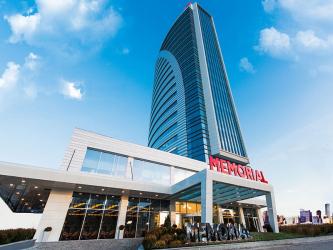
JCI - Joint Commission International MEMORIAL Şişli
International Organization for Standardization (ISO) MEMORIAL Şişli
MEMORIAL Şişli
Istanbul, Turkey
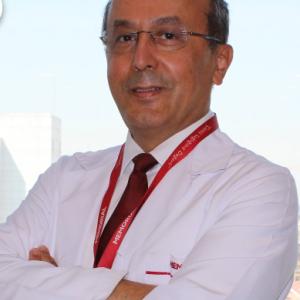
MD Ahmet ARPACI

MD Ahmet ARPACI

Prof. Dr. Ahmet Nevzat Nayır

Prof. Dr. Ahmet Nevzat Nayır

4.5 / 5
4.5(34 Reviews)

Certifications :

JCI - Joint Commission International LIV Vadistanbul
International Organization for Standardization (ISO) LIV Vadistanbul
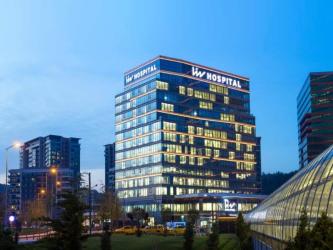
LIV Vadistanbul
Istanbul, Turkey
Spec. Dr. Maila Asadullayeva

Spec. Dr. Maila Asadullayeva

Main Specialty : Diagnostic ImagingYears of Experience : 6 years.Notable Trainings : Azerbaijan Medical University, Azerbaijan University of Medical Sciences, Kocaeli UniversityMastered Techniques : USG/Doppler/CT/MRI imaging, Oncological imaging, ... Read more
Spec. Dr. Ali Aslan Demir

Spec. Dr. Ali Aslan Demir

Main Specialty : Diagnostic ImagingYears of Experience : 9 years.Notable Education : Istanbul University, Istanbul Faculty of Medicine (2005-2011),Istanbul University, Istanbul Faculty of Medicine, Radiology (2012-2017)Mastered Techniques : Advanced MRI and ... Read more
4.4 / 5
4.4(11 Reviews)

Certifications :

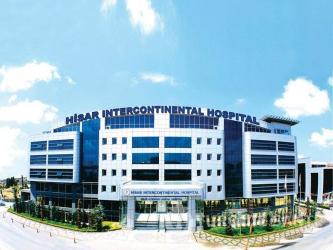
JCI - Joint Commission International HISAR INTERCONTINENTAL
International Organization for Standardization (ISO) HISAR INTERCONTINENTAL
HISAR INTERCONTINENTAL
Istanbul, Turkey
Ömer Necip AYTUĞ

Ömer Necip AYTUĞ

Nurettin Demirkol

Nurettin Demirkol

4.4 / 5
4.4(221 Reviews)

Certifications :

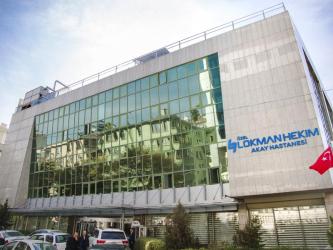
International Organization for Standardization (ISO) LOKMAN HEKIM ISTANBUL
JCI - Joint Commission International LOKMAN HEKIM ISTANBUL
LOKMAN HEKIM ISTANBUL
Istanbul, Turkey
Prof. Dr. Osman İLHAN

Prof. Dr. Osman İLHAN

Specialist Dr. Cemal AYDOĞAN

Specialist Dr. Cemal AYDOĞAN

4.7 / 5
4.7(68 Reviews)

Certifications :

JCI - Joint Commission International LIV Ulus
International Organization for Standardization (ISO) LIV Ulus
LIV Ulus
Istanbul, Turkey
Assoc. Prof. Dr. Kemal Kara

Assoc. Prof. Dr. Kemal Kara

Main Specialty : Diagnostic Imaging Notable Training : GATA Faculty of Medicine, GATA Haydarpaşa Training Hospital Expertise : Thoracic Radiology, Musculoskeletal Radiology, ... Read more
Prof. Dr. Emel Ceylan Günay

Prof. Dr. Emel Ceylan Günay

Main Specialty : Nuclear Medicine Years of Experience : 22 years. Significant Training : Master of Science in Nuclear Medicine from Hacettepe University (2000-2004),Bachelor of Medicine from Hacettepe University (1993-1999) Proficient Techniques : Molecular ... Read more

4.7 / 5
4.7(1 Reviews)
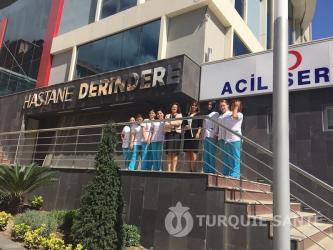
DERINDERE
Istanbul, Turkey
4.0 / 5
4.0(2 Reviews)

Certifications :

International Organization for Standardization (ISO) HIZMET By Memorial
JCI - Joint Commission International HIZMET By Memorial
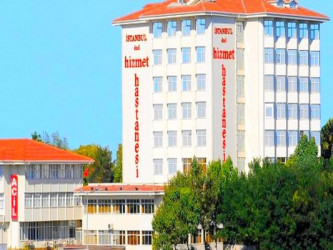
HIZMET By Memorial
Istanbul, Turkey
4.0 / 5
4.0(2 Reviews)

Certifications :

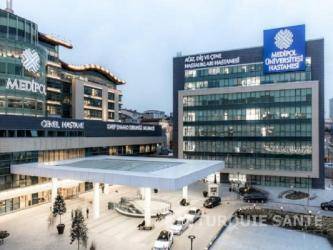
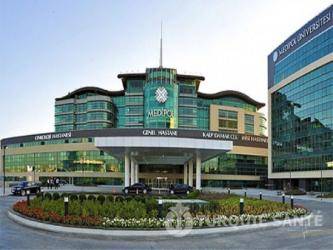
JCI - Joint Commission International MEDIPOL UNIVERSITY HOSPITAL
4.0 / 5
4.0(1 Reviews)

Certifications :

International Organization for Standardization (ISO) MEMORIAL ANKARA
JCI - Joint Commission International MEMORIAL ANKARA
MEMORIAL ANKARA
Ankara, Turkey
Prof. Dr. Ferit AVCU

Prof. Dr. Ferit AVCU

Uzm. Dr. Ömer Aşkın DÖĞERLİOĞLU

Uzm. Dr. Ömer Aşkın DÖĞERLİOĞLU

4.3 / 5
4.3(2 Reviews)

Certifications :

Leed Platinium Certificate MEMORIAL Bahçelievler
JCI - Joint Commission International MEMORIAL Bahçelievler
International Organization for Standardization (ISO) MEMORIAL Bahçelievler
MEMORIAL Bahçelievler
Istanbul, Turkey
Prof. Ediz ALTINLI

Prof. Ediz ALTINLI

Prof. Dr. Mustafa Tonguç İşken

Prof. Dr. Mustafa Tonguç İşken

4.3 / 5
4.3(23 Reviews)

Certifications :

JCI - Joint Commission International ACIBADEM
International Organization for Standardization (ISO) ACIBADEM
ACIBADEM
Istanbul, Turkey
Dr. Ayşe Sagduyu Kocaman

Dr. Ayşe Sagduyu Kocaman

Dr.Ender Semiz

Dr.Ender Semiz

4.6 / 5
4.6(183 Reviews)

Certifications :

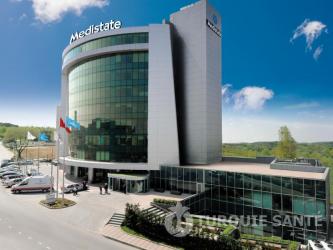
JCI - Joint Commission International Medistate Hospital
International Organization for Standardization (ISO) Medistate Hospital
ESMO Designated Centres
of Integrated Oncology and Palliative Care Medistate Hospital
Medistate Hospital
Istanbul, Turkey

Certifications :

International Organization for Standardization (ISO) MEMORIAL Ataşehir
JCI - Joint Commission International MEMORIAL Ataşehir
National Committee for Quality Assurance (NCQA) MEMORIAL Ataşehir
MEMORIAL Ataşehir
Istanbul, Turkey
Prof. Başak KARBEK BAYRAKTAR

Prof. Başak KARBEK BAYRAKTAR

Assoc. Prof. Vahit MUTLU

Assoc. Prof. Vahit MUTLU

4.4 / 5
4.4(9 Reviews)

Certifications :

JCI - Joint Commission International NP BRAIN
International Organization for Standardization (ISO) NP BRAIN
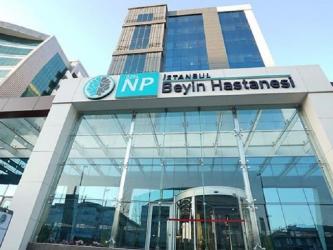
NP BRAIN
Istanbul, Turkey
Assoc. Prof. Dr. Barıs Metin

Assoc. Prof. Dr. Barıs Metin

4.7 / 5
4.7(4 Reviews)

Certifications :

JCI - Joint Commission International Florence Nightingale
Florence Nightingale
Istanbul, Turkey
Dr. Abdullah Eren

Dr. Abdullah Eren

Dr.Çavlan Çiftçi

Dr.Çavlan Çiftçi

4.7 / 5
4.7(13 Reviews)

Certifications :

JCI - Joint Commission International AMERICAN HOSPITAL
International Organization for Standardization (ISO) AMERICAN HOSPITAL
AMERICAN HOSPITAL
Istanbul, Turkey
Dr. Aylin Pelin Çil

Dr. Aylin Pelin Çil

Dr.Aylin Şimşek

Dr.Aylin Şimşek

4.7 / 5
4.7(5 Reviews)

Certifications :

JCI - Joint Commission International MEDICAL PARK PENDIK
MEDICAL PARK PENDIK
Istanbul, Turkey
4.7 / 5
4.7(1 Reviews)

Certifications :

JCI - Joint Commission International MEMORIAL Antalya
International Organization for Standardization (ISO) MEMORIAL Antalya
MEMORIAL Antalya
Antalya, Turkey
Prof. Dr. Akın YILDIZ

Prof. Dr. Akın YILDIZ

OBEN DUMAN

OBEN DUMAN

4.7 / 5
4.7(1 Reviews)

Certifications :

International Organization for Standardization (ISO) LOKMAN HEKIM Üniversitesi
LOKMAN HEKIM Üniversitesi
Ankara, Turkey
Prof. Dr. Reha Şükrü KİŞNİŞÇİ

Prof. Dr. Reha Şükrü KİŞNİŞÇİ

Prof. Dr. Nurullah ZENGİN

Prof. Dr. Nurullah ZENGİN

4.7 / 5
4.7(1 Reviews)

You have consulted 7 / 19 Hospitals

You don't pay for our services

We provide free consulting assistance in the framework of partnership agreements with clinics.
You only pay in the hospital where you received care.
Ready to take the first step ?

What is a computed tomography (CT-Scan) ?

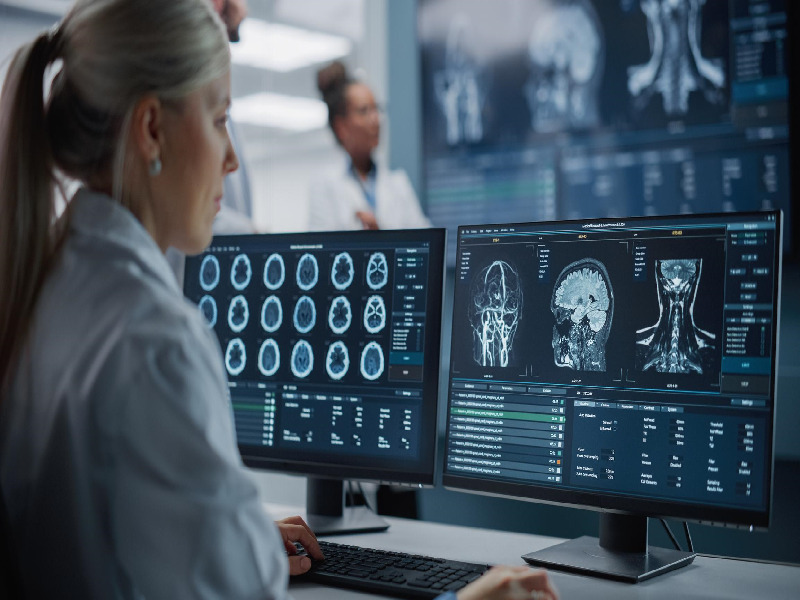
Computed tomography (CT-Scan), also known as tomodensitometry, revolutionized the diagnosis of diseases and injuries. Unlike a traditional X-ray or radiography, which provides a single flat image where structures overlap, a CT scan overcomes this limitation. It captures a series of X-ray images from various angles, which a computer then processes to create detailed cross-sectional slices of the body.

These individual slices are then digitally reconstructed to form a comprehensive 3D image, revealing bones, muscles, fat, organs, and blood vessels with a level of clarity and detail that a conventional X-ray cannot achieve.

When is a tomodensitometry recommended?

CT scans are not limited to emergencies; they are widely used in many medical specialties for accurate diagnosis and follow-up. Your doctor may recommend a computed tomography (CT scan) to:

  • Diagnose musculoskeletal disorders (fractures, bone tumors).
  • Detect or locate a tumor, infection, or blood clot.
  • Guide medical procedures such as surgery, biopsy, or radiotherapy.
  • Detect and monitor cancer, heart disease, lung nodules, or liver lesions.
  • Evaluate the effectiveness of cancer treatments.
  • Identify internal injuries or bleeding after trauma.

Early detection through a CT scan can significantly improve treatment outcomes.

Types of CT scans and their applications

Not every CT scan looks for the same thing, and the protocol changes depending on what your doctor needs to rule in or out:

Standard (non-contrast) CT

A standard CT scan without contrast is commonly used to evaluate bone fractures, kidney stones, and initial trauma. It does not require contrast material, making it suitable when detailed imaging of bones or certain dense structures is needed.

Contrast-enhanced CT

A contrast-enhanced CT scan uses a contrast agent to make tumors, infections, blood vessels, and soft tissues easier to see. Depending on the body area being examined, contrast may be administered intravenously, orally, or rectally.

CT Angiography (CTA)

CT angiography (CTA) is a specialized CT scan that focuses on blood vessels. It is commonly used to detect aneurysms, blood clots, arterial blockages, and other vascular abnormalities. CTA requires intravenous contrast to make the blood vessels clearly visible.

Cardiac / Coronary CT

Cardiac CT, including coronary CT, is used to evaluate the heart and coronary arteries. Depending on the examination, it can assess coronary artery calcium, possible blockages, and the overall structure of the heart. Contrast is often used, particularly when detailed evaluation of the coronary arteries is required.

Virtual Colonoscopy (CT Colonography)

Virtual colonoscopy, also called CT colonography, uses CT imaging to examine the colon for polyps and colorectal abnormalities. The examination requires bowel preparation similar to that used before a traditional colonoscopy, although it does not involve inserting a conventional colonoscope through the entire colon.

The CT-Scan procedure: Step by step in Turkey

Before the scan, the preparation depends on the scan type:

  • Non-contrast CT: no special preparation beyond removing metal objects.
  • Oral contrast: drink a contrast solution 1–2 hours before, or fast 4–6 hours beforehand.
  • IV contrast: fast ~4 hours; kidney function, allergies, and iodine sensitivity are checked beforehand.
  • Rectal contrast: administered shortly before the scan, per your care team's instructions.
  • CT Colonography: bowel prep similar to a standard colonoscopy (low-residue diet + laxatives the day before).

During the scan:  you lie on a motorized table that moves through the scanner while the X-ray source rotates around you. Most scans take 10 to 30 minutes, including preparation; actual scanning is often just a few minutes, while cardiac/full-body protocols run closer to 30–45 minutes total.

After the scan, recovery and follow-up:

  • No contrast: resume normal activities immediately.
  • Contrast used: drink water for 24 hours to help clear it; mild warmth, metallic taste, or slight nausea are common and pass quickly.
  • Watch for hives, itching, or breathing difficulty (rare allergic reaction) and report immediately.
  • A radiologist reviews the images and sends a report to your doctor, usually within a few hours to 1 day. For complex findings, your doctor may schedule a follow-up to discuss next steps.

Start your free online consultation today and take the first step toward an accurate diagnosis.

CT Scan vs. PET CT: What's the difference?

The two exams are often confused, but they don't answer the same question. Here's a quick side-by-side comparison:

Comparison criteriaCT ScanPET CT
What it showsStructure, shape, size, location of organs and tissues.Structure and function, which cells are metabolically active.
How it worksLow-dose X-rays + computer reconstruction.CT imaging + radioactive tracer injection.
Main useBroad diagnosis: fractures, infections, internal bleeding, organ evaluation.Mainly oncology: detecting and staging cancer, tracking treatment response.
Typical duration10–45 minutes45–90 minutes (includes tracer uptake time).
Radioactive tracer?NoYes

Possible complications and safety considerations of a CT Scan

Understanding the risks and safety measures associated with computed tomography (CT-Scan) can help you make informed decisions. The table below highlights key complications, their details, and precautions:

Complication/riskDetailsPrecautions/advice
Radiation exposure.
  • CT scans use higher doses of ionizing radiation than standard X-rays.
  • Low doses are generally safe, but higher cumulative doses may slightly increase cancer risk.
  • Modern scanners in Turkey use the lowest possible dose.
  • Follow your doctor's advice and limit unnecessary repeated scans.
Pregnancy / fetal risk.Radiation may pose minimal risk to an unborn baby, though serious effects are rare.
  • Inform your doctor if you are pregnant.
  • Alternative imaging such as MRI or ultrasound may be recommended.
Contrast dye reactions.Rare allergic reactions or side effects may occur from contrast dye.
  • Stay hydrated before and after the scan.
  • Inform your doctor of any allergies or kidney problems.

Your health comes first. Schedule your CT scan today and trust skilled radiologists in Istanbul to deliver accurate results with minimal radiation exposure.

Computed tomography (CT-Scan) FAQ

Is a CT Scan dangerous?

Generally low, safe radiation dose in an accredited clinic. Main precautions: pregnancy and contrast-related reactions in patients with allergies or kidney disease. Benefit usually outweighs the small risk.

Is a CT Scan painful?

No, the procedure is painless. Some discomfort from lying still or a brief warm sensation during IV contrast is possible.

How to prepare for a CT Scan?
  • Remove all metallic objects (jewelry, glasses, piercings)
  • Follow specific instructions for certain exams, such as fasting or taking a contrast agent
  • Inform the radiologist in case of allergies
When will I receive the CT Scan results?

The scan images are available within minutes of the exam and are analyzed by a radiologist. In most cases the written report is available the same day or within 24 to 48 hours, depending on the clinic and the complexity of the exam; some specialized or complex examinations can take longer. In emergency or urgent situations, results are communicated immediately by the radiologist or the treating team. Ask the clinic how and when you will receive your report and images, especially if you are traveling.

Procedures available for this specialty

Share this page

Our assistants help you to get the best options in Computed tomography (CT-Scan)