


Turquie Santé
Last update : 25/06/2026

Iris repair surgery in Turkey - Process, costs & reviews

Save up to 60% vs. European prices with internationally certified care

Get a free quote
Iris repair surgery Turkey
639+
patient reviews
Patient icon
600K+
Requests received since 2018
Clinique icon
23
Clinics
Trustpilot icon
4.6
Ville icon
5
Cities
Docteurs icon
1K+
Recognized doctors

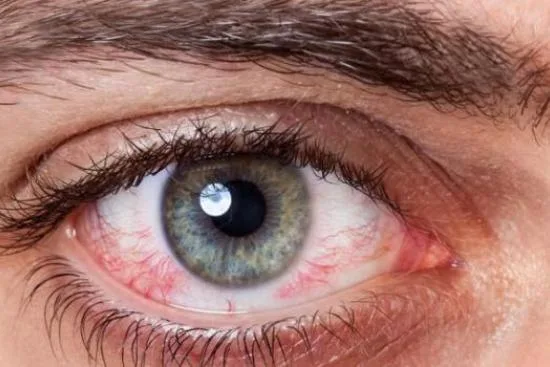
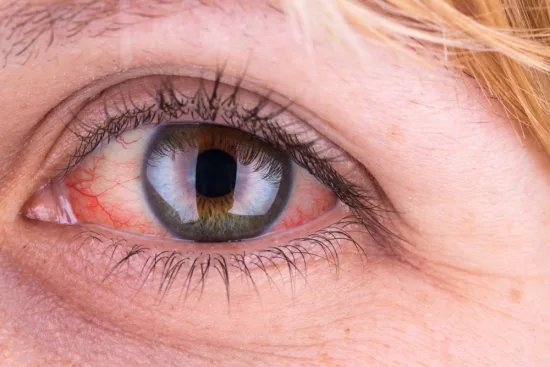
If your iris has been damaged by trauma, a congenital condition, or previous eye surgery, you may be living with constant light sensitivity, blurred vision, or distressing changes to your eye's appearance. Iris repair surgery can correct all of these. In Turkey, the same procedure that costs $8,000 - $11,000 in Western Europe is available from approximately $1,700 to $5,300, at internationally accredited, JCI-certified clinics in Istanbul and Ankara, managed end-to-end through Turquie Santé's care coordination service.

How much does iris repair surgery cost in Turkey?

Iris repair surgery pricing in Turkey depends on three main factors: the complexity of the iris defect, the technique required (suture repair versus artificial implant),and whether the procedure is combined with other surgeries.

Procedure typeEstimated cost in TurkeyComparative cost (UK/France)
Pupiloplasty / suture repair$1 500 - $3 000$7 900 - $11 800
Artificial iris implant (CustomFlex)$3 500 - $5 300$13 000 - $18 500
Combined with cataract surgery$4 000 - $6 400$15 800 - $21 000
Iridocyclectomy (iris tumor)Price on requestN/A

These are indicative ranges based on Turquie Santé partner clinic pricing as of 2026. Your final quote will be confirmed after your pre-operative assessment. Request a personalized, no-obligation quote through the form below.

Risks and Side Effects

  • Allergic reaction in the eye.
  • Inflammation of the eye.
  • Intraocular hemorrhage.
  • Visible or uncomfortable sutures.
  • Blurred vision or light halos.
  • Secondary glaucoma.
Why choose Iris repair surgery with Turquie Santé ?

Chirurgien icon

Expert surgeons and JCI certified hospitals

Économie icon

Prices 35% to 50% cheaper than in Europe

Organisation icon

Medical stay organized from A to Z

Prix icon

Direct prices without commission

Résultat icon

Free assistance

All about your Iris repair surgery in Turkey
Overview
Alternative care
Benefits
Payment

Verified reviews : 639

Requests processed : 29

Alternative treatments

  • Prosthetic lenses.
  • YAG laser.

Highly qualified professionals in accredited institutions.


We assist you before, during, and after your trip


Book with full transparency, no hidden fees or commissions.

You will pay your clinic directly using these available methods:
Transfer

How it works ?

2
Services
We look for the best option for your case & budget
3
Hospital
Evaluating a care plan with the best quote
4
airplane
Making appointments & Organization of your trip
5
Health care
Ongoing support until you return home

A Free consultation is your first step in your health journey.

Get a free medical opinion on Iris repair surgery with our 23 Recognized Clinics

Certifications :

Eurocrine — Endocrine Surgery Quality Registry LIV Vadistanbul
SRC — Center of Excellence (Colorectal Surgery) LIV Vadistanbul
AOSpine International — Global Spine Care Organization LIV Vadistanbul
JCI - Joint Commission International LIV Vadistanbul
LIV Vadistanbul
Istanbul, Turkey
Prof. Dr. Rıfat Rasier

Prof. Dr. Rıfat Rasier

Main Specialty : Ophthalmology Years of Experience : 13 years. Notable Education : PhD in Biomedical Engineering, Master of Science in Biomedical Engineering, Doctorate of Medicine, Residency in Ophthalmology Mastered Techniques : Lasers, cataract ... Read more
Spec. MD. Deniz Marangoz

Spec. MD. Deniz Marangoz

Main Specialty : Ophthalmology Notable Trainings : Uludag University, Bursa; Kartal Training and Research Hospital, Istanbul; Vance Thompson Vision Center, SD, USA; Beyoglu Eye Training and Research Hospital, Istanbul Mastered Techniques : ... Read more
4.4(10 Reviews)
Price on request

Certifications :

TÜV SÜD ISO 9001:2008 - Quality Management Certification HISAR INTERCONTINENTAL
JCI - Joint Commission International HISAR INTERCONTINENTAL
International Organization for Standardization (ISO) HISAR INTERCONTINENTAL
HISAR INTERCONTINENTAL
Istanbul, Turkey
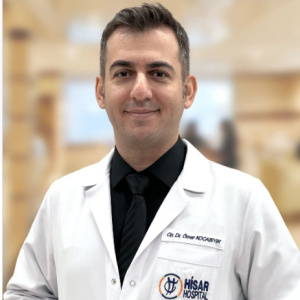
Op.Dr. Omer Kocabayık

Op.Dr. Omer Kocabayık

Main Specialty : Ophthalmology Years of Experience : 7 years. Notable Education : Gazi University Faculty of Medicine, Çanakkale 18 Mart University Faculty of Medicine Mastered Techniques : Cataract surgery, blepharoplasty, treatment of ... Read more
Op. Dr. Faruk Eroglu

Op. Dr. Faruk Eroglu

Main specialty: Ophthalmology Years of experience: Over 32 years Notable training: Medical degree, University of Istanbul (1993); specialization in ophthalmology, University of Istanbul Notable achievements: Over 10,000 argon laser ... Read more
4.4(220 Reviews)
Price on request

Certifications :

TÜV SÜD ISO 9001:2008 - Quality Management Certification LOKMAN HEKIM ISTANBUL
JCI - Joint Commission International LOKMAN HEKIM ISTANBUL
International Organization for Standardization (ISO) LOKMAN HEKIM ISTANBUL
LOKMAN HEKIM ISTANBUL
Istanbul, Turkey
Exp. Ömer Faruk ÖĞE M.D

Exp. Ömer Faruk ÖĞE M.D

Main Specialty : Ophthalmology Years of Experience : 17 years. Notable Training : İstanbul University (1994 – 2000),Beyoğlu Eye Training and Research Hospital (2001 - 2005) Mastered Techniques : Cataract, Refractive Surgery, Oculoplasty, ... Read more
Assoc. Prof. Dr. Mehmet SAYDAM

Assoc. Prof. Dr. Mehmet SAYDAM

4.7(64 Reviews)
Price on request

Certifications :

TÜV SÜD ISO 9001:2008 - Quality Management Certification LIV Ulus
AOSpine International — Global Spine Care Organization LIV Ulus
SRC — Center of Excellence (Colorectal Surgery) LIV Ulus
International Organization for Standardization (ISO) LIV Ulus
LIV Ulus
Istanbul, Turkey
Prof. Dr.Mehmet Murat Öncel

Prof. Dr.Mehmet Murat Öncel

Main Specialty : Ophthalmology Notable Trainings : Istanbul University Istanbul Faculty of Medicine, Ophthalmology residency in Istanbul University Cerrahpaşa Faculty of Medicine, Department of Ophthalmology, Mayo Clinic, Cleveland Clinic, LSU ... Read more
Prof. Dr. Osman Murat Uyar

Prof. Dr. Osman Murat Uyar

Main specialty : Ophthalmology Years of experience : 28 years. Notable training : Hacettepe University Faculty of Medicine, Specialist training at SSK Istanbul EH Ophthalmology Clinic Techniques mastered : Intravitreal injection, LASER ... Read more
4.7(1 Reviews)
Price on request

Certifications :

International Organization for Standardization (ISO) LOKMAN HEKIM Üniversitesi
TÜV SÜD ISO 9001:2008 - Quality Management Certification LOKMAN HEKIM Üniversitesi
LOKMAN HEKIM Üniversitesi
Ankara, Turkey
Asso.Prof. Dr. Mehmet YAKIN

Asso.Prof. Dr. Mehmet YAKIN

Main Specialty : Ophthalmology Years of Experience : 10 years. Notable Education : Hacettepe University, Faculty of Medicine (2002-2008); Ankara Training and Research Hospital, Ophthalmology Residency (2009-2013). Mastered Techniques : Uveitis and ... Read more
Dr. Burak TANRIVERDİ

Dr. Burak TANRIVERDİ

Main specialty : Ophthalmology Years of experience : 4 years. Notable training : Ankara University, Yıldırım Beyazit University Ataturk Training and Research Hospitals Mastered techniques : FFA – ICG (Eye Angio),Cataract surgery, Corneal and ... Read more
4.7(1 Reviews)
Price on request

Certifications :

JCI - Joint Commission International MEMORIAL Şişli
International Organization for Standardization (ISO) MEMORIAL Şişli
TÜV SÜD ISO 9001:2008 - Quality Management Certification MEMORIAL Şişli
MEMORIAL Şişli
Istanbul, Turkey
Prof. Dr. TONGUÇ İŞKEN

Prof. Dr. TONGUÇ İŞKEN

Prof. Dr. Ramazan GÜN

Prof. Dr. Ramazan GÜN

4.5(34 Reviews)
Price on request

Certifications :

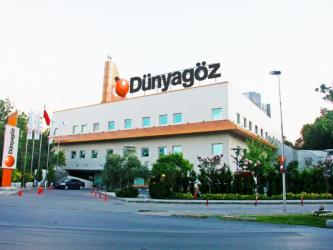
JCI - Joint Commission International DUNYAGOZ ETILER
International Organization for Standardization (ISO) DUNYAGOZ ETILER
TÜV SÜD ISO 9001:2008 - Quality Management Certification DUNYAGOZ ETILER
DUNYAGOZ ETILER
Istanbul, Turkey
Op. Dr. Pervin Uygur

Op. Dr. Pervin Uygur

Main specialty: Ophthalmology, cataract and refractive surgery Years of experience: Over 30 years Notable training: Graduated from Hacettepe (1980),ophthalmology specialization Çukurova (1986) Professional background / Notable ... Read more
Assoc. Prof. Osman Bulut Ocak

Assoc. Prof. Osman Bulut Ocak

Main specialty: Pediatric ophthalmology and strabismus Years of experience: Over 10 years Notable training: Istanbul Cerrahpaşa University (1997–2003),Beyoğlu Research and Education Hospital (2004–2009),Kızıltepe State Hospital ... Read more
4.1(31 Reviews)
Price on request

Certifications :

TÜV SÜD ISO 9001:2008 - Quality Management Certification MEMORIAL ANKARA
International Organization for Standardization (ISO) MEMORIAL ANKARA
JCI - Joint Commission International MEMORIAL ANKARA
MEMORIAL ANKARA
Ankara, Turkey
Op. Dr. İlker ÇÖMEZ

Op. Dr. İlker ÇÖMEZ

PROF.DR.SEMRA KAHRAMAN

PROF.DR.SEMRA KAHRAMAN

4.3(2 Reviews)
Price on request

Certifications :

JCI - Joint Commission International MEMORIAL Bahçelievler
International Organization for Standardization (ISO) MEMORIAL Bahçelievler
TÜV SÜD ISO 9001:2008 - Quality Management Certification MEMORIAL Bahçelievler
Leed Platinium Certificate MEMORIAL Bahçelievler
MEMORIAL Bahçelievler
Istanbul, Turkey
Nesrin Tutaş Günaydın

Nesrin Tutaş Günaydın

Main Specialty : Ophthalmology Years of Experience : 15 years. Notable Education : Medical degree from Istanbul University, specialization in ophthalmology at Hacettepe University. Mastered Techniques : Cataract surgery, refractive surgery, ... Read more
4.3(23 Reviews)
Price on request

Certifications :

International Organization for Standardization (ISO) DUNYAGOZ ATAKOY
JCI - Joint Commission International DUNYAGOZ ATAKOY
DUNYAGOZ ATAKOY
Istanbul, Turkey
Op. Dr. Gokay Gunay

Op. Dr. Gokay Gunay

Main Specialty : Ophthalmology Years of Experience : 22 years. Notable Training : 1997 - 2001 Istanbul University Çapa Faculty of Medicine Eye Department of Diseases, 1991 - 1997 Istanbul University Cerrahpaşa Faculty of Medicine Languages ... Read more
Assoc. Prof. MELIKE GEDAR, MD

Assoc. Prof. MELIKE GEDAR, MD

Main Specialty : Ophthalmology Years of Experience : 17 years. Notable Trainings : Hacettepe University, School of Medicine; Bahçeşehir University, School of Medicine (Education Commission Membership) Mastered Techniques : Anesthesia in glaucoma ... Read more
4.6(9 Reviews)
Price on request

Certifications :

JCI - Joint Commission International Florence Nightingale
TÜV SÜD ISO 9001:2008 - Quality Management Certification Florence Nightingale
Florence Nightingale
Istanbul, Turkey
Dr. Abdullah Eren

Dr. Abdullah Eren

Dr. Banu Bingöl Günenç

Dr. Banu Bingöl Günenç

4.7(10 Reviews)
Price on request

Certifications :

International Organization for Standardization (ISO) AMERICAN HOSPITAL
JCI - Joint Commission International AMERICAN HOSPITAL
TÜV SÜD ISO 9001:2008 - Quality Management Certification AMERICAN HOSPITAL
AMERICAN HOSPITAL
Istanbul, Turkey
Dr. Aylin Pelin Çil

Dr. Aylin Pelin Çil

Dr.Aylin Şimşek

Dr.Aylin Şimşek

4.7(5 Reviews)
Price on request

Certifications :

JCI - Joint Commission International MEMORIAL Antalya
International Organization for Standardization (ISO) MEMORIAL Antalya
TÜV SÜD ISO 9001:2008 - Quality Management Certification MEMORIAL Antalya
MEMORIAL Antalya
Antalya, Turkey
Özlem Tök

Özlem Tök

Main Specialty : Ophthalmology Years of Experience : 25 years. Notable Training : Specialization in ophthalmology at the Ankara Education and Research Hospital (1999-2002),Medical training at Ankara University (1992-1998). Notable Achievements : ... Read more
4.7(1 Reviews)
Price on request

Certifications :

TÜV SÜD ISO 9001:2008 - Quality Management Certification ACIBADEM
International Organization for Standardization (ISO) ACIBADEM
JCI - Joint Commission International ACIBADEM
ACIBADEM
Istanbul, Turkey
Dr. Banu Coşar

Dr. Banu Coşar

Main specialty: Ophthalmology Years of experience: Over 28 years Notable training: Graduate of Hacettepe Faculty of Medicine (1996),ophthalmology specialization at Ankara Numune Hospital (2000),cornea fellowship at Wills Eye Hospital, USA ... Read more
4.6(172 Reviews)
Price on request

You have consulted 7 / 23 Hospitals

Among our doctors

Everything you will need for your medical trip

Medical opinion and estimates

Expert opinions and cost estimates

Pre-trip consultations

Understand your procedure before traveling.

Visa assistance

We assist our patients in obtaining their visas from the consulates.

Translation of your medical reports

We guarantee free and certified translation of your medical documents from all languages.

VIP Transport

Your transfers will be provided from the airport and your hotel.

Continuous Follow-up

You will be assisted by your attending doctor even after returning to your country, via videos or messages.

Experiences of our patients – Turquie Santé

Emily White : Medical Content Team Manager at Turquie Santécheck

Written by

Emily White

This content complies with the editorial policy of Turquie Santé. It was written by Emily White, Head of the Editorial Team, who has over 11 years of experience in scientific research and clinic management in Turkey. She ensures the reliability of medical information while making complex data accessible to everyone.

What is iris repair surgery?

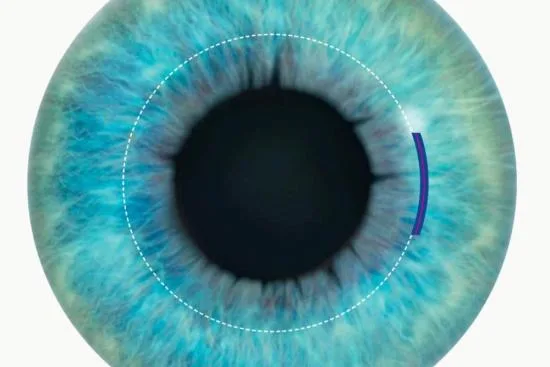
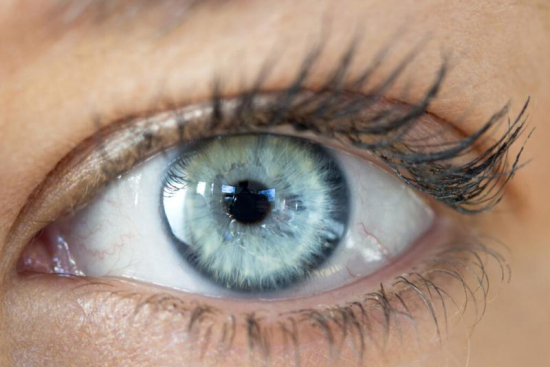
The iris is the colored, ring-shaped membrane that controls how much light enters your eye by adjusting the size of your pupil. When it is damaged, whether by eye trauma, a congenital absence of iris tissue, previous surgical complications, or infection, the consequences range from mild cosmetic concern to severe functional disability: debilitating photophobia, loss of visual contrast, and increased risk of secondary glaucoma.
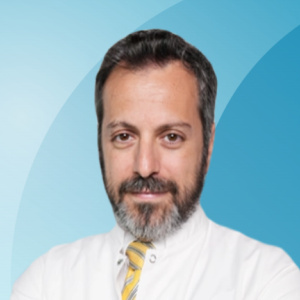
Iris repair surgery covers a spectrum of procedures designed to restore the iris's structure and function. According to Wills Eye Hospital, these fall into two main categories:

  • Iridoplasty / pupiloplasty: surgical reshaping of existing iris tissue using fine sutures to recreate a round, functioning pupil
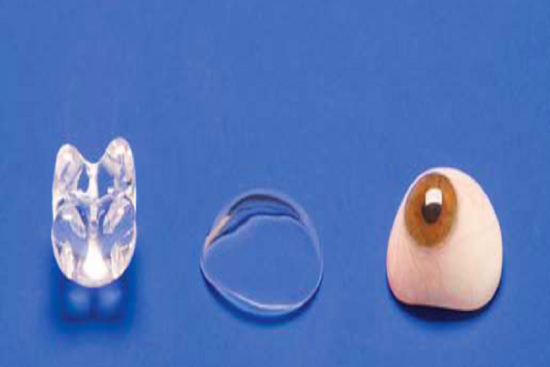
  • Artificial iris implantation: placement of a custom-made prosthetic iris when native tissue cannot be repaired

Which procedure is appropriate depends on how much functional iris tissue remains, the nature of the underlying condition, and whether other anterior segment surgery (cataract removal, corneal transplant) is needed at the same time.

Diagnosis of iris diseases in Turkey

In Turkey, the diagnosis of iris diseases is based on a series of precise examinations performed by an ophthalmologist. The main diagnostic tools used are:

  • Slit lamp: This device can be used to observe the various structures of the eye, including the iris, in detail to detect any abnormalities.
  • OCT (Optical Coherence Tomography): This technique analyzes the deeper layers of the iris and surrounding tissues to detect inflammation or other abnormalities.
  • UBM (Ultrasound Biomicroscopy): Used to examine the deeper structures of the eye and detect abnormalities such as tumors or irregularities.
  • Fluorescein exam: Used to detect possible corneal inflammation or lesions, especially if iris disease is suspected.

These tests allow us to make an accurate diagnosis and determine the appropriate treatment to prevent long-term complications.

What conditions can iris surgery treat?

Not all iris problems require surgery. But when medical management is insufficient, and vision or quality of life is significantly impaired, surgery becomes the best option. Turkish ophthalmologists treat the following conditions:

  • Aniridia (Absent or near-absent iris): Congenital aniridia is a rare condition in which the iris fails to develop fully. Patients are born with little or no iris tissue, leading to extreme light sensitivity, nystagmus, and reduced visual acuity. Turkey's specialist eye hospitals, including Dünyagöz and Acibadem, have treated patients from across North Africa, the Middle East, and Europe for this condition. Full artificial iris implantation is typically the primary surgical option, usually performed in combination with cataract surgery when indicated.
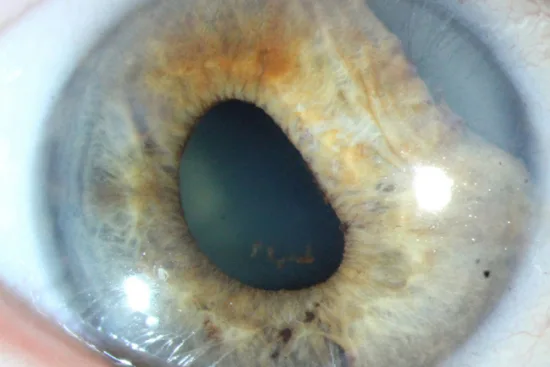
  • Iris coloboma: A coloboma is a gap or cleft in the iris caused by incomplete closure of the embryonic eye during fetal development. It creates a keyhole-shaped pupil and causes light sensitivity. Depending on the size of the gap, treatment may involve direct suturing of the tissue edges (iridoplasty) or, for larger defects, a partial artificial iris segment.
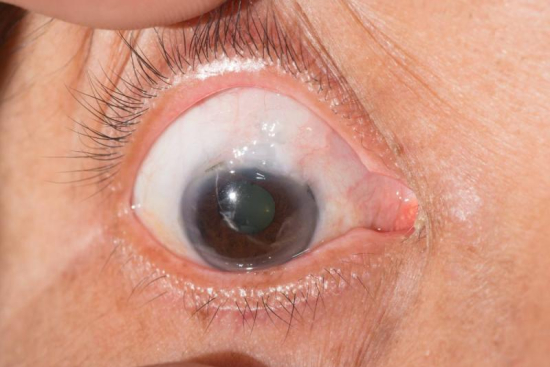
  • Traumatic iridodialysis: An iridodialysis is a tear or disinsertion of the iris at its root, typically caused by blunt trauma to the eye, a sports injury, a road traffic accident, or an industrial incident. The result is a misshapen pupil, monocular diplopia, and light sensitivity. Repair involves suturing the detached root back to the ciliary body or the inner wall of the eye (sclera). Turquie Santé's partner clinics in Istanbul perform this procedure regularly, often combined with management of traumatic cataract or hyphaema.
  • Traumatic mydriasis: In traumatic mydriasis, the sphincter muscle of the iris is disrupted, leaving the pupil permanently and abnormally dilated. Patients report extreme glare sensitivity and difficulty adapting to bright environments. Pupiloplasty, suturing the iris to reduce the pupillary aperture, can restore normal light regulation.
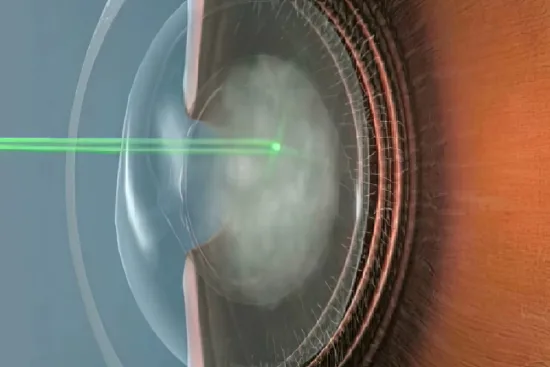
  • Post-surgical iris defects: Previous ophthalmic surgery, particularly cataract surgery, can occasionally leave iris tissue damaged, prolapsed, or missing. These acquired defects are often addressed at the time of revision surgery, combining iris repair with intraocular lens repositioning or replacement.
  • Iris tumor (Iridocyclectomy): Iris melanomas and other iris tumors require a targeted surgical procedure called iridocyclectomy, in which the affected portion of the iris and sometimes part of the ciliary body is removed. This is followed, where needed, by iris reconstruction to restore the diaphragmatic function of the remaining tissue.

What are the surgical techniques used in Turkey?

Whether the iris defect is small or extensive, advances in ophthalmic surgery make it possible to restore both the appearance and function of the eye. Depending on the severity of the damage, surgeons may repair the existing iris tissue or use a custom-made artificial iris to achieve the best possible visual and cosmetic outcome.

Pupiloplasty and iridoplasty

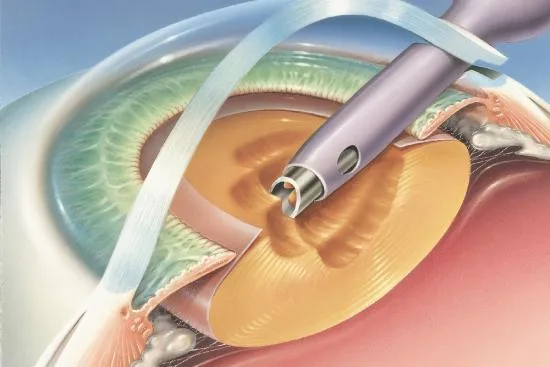
These suture-based techniques are used when the iris is damaged, but sufficient tissue remains for reconstruction. The surgeon works through small incisions at the periphery of the cornea (typically 1.8-3.5 mm) and uses ultrafine non-absorbable sutures (often 10-0 nylon or polypropylene) to reshape the iris, close defects, or reattach detached tissue. The result is a more circular, functional pupil. According to the American Academy of Ophthalmology (AAO),outcomes are generally excellent in experienced hands, with most patients reporting significant reductions in light sensitivity.

Artificial iris implantation

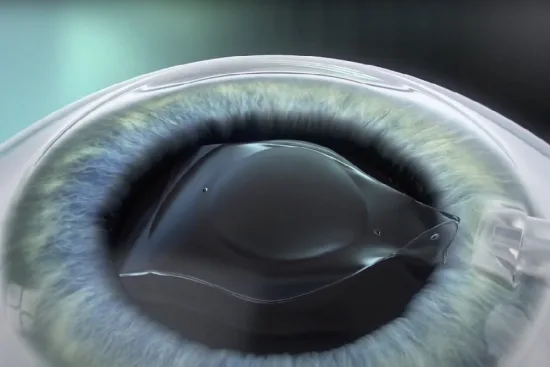
When native iris tissue is insufficient for repair, a prosthetic iris is used. The most widely used device in internationally accredited centers is the CustomFlex HumanOptics Artificial Iris, an FDA-approved and CE-marked, custom-made silicone implant manufactured to match the color and detail of the patient's fellow eye. Based on a photograph taken at the consultation, the implant is hand-painted and takes approximately 6-8 weeks to manufacture. It is inserted through a small (3.5-4 mm) incision and sutured to the sclera or positioned within the capsular bag during concurrent cataract surgery.

A 2019 FDA approval study involving 389 patients found that over 70% reported a significant decrease in light sensitivity and glare following CustomFlex implantation, and 94% reported satisfaction with the outcome. Complication rates were low.

Other implant options used in Turkish centers include partial iris segments (Morcher) for smaller defects, and off-the-shelf devices such as the Ophtec/Reper implant, where a custom match is not required.

Combined procedures

Iris repair is frequently performed alongside cataract surgery, corneal transplantation (penetrating keratoplasty),or intraocular lens exchange. Combining procedures in a single surgical episode is recommended wherever clinically possible; it reduces total anesthetic exposure, cost, and recovery time.

Surgical procedure

Successful iris reconstruction relies on precise preoperative planning, expert microsurgery, and attentive postoperative care.

Preoperative assessment

Before any procedure is confirmed, you will undergo a thorough ophthalmic examination, including slit-lamp biomicroscopy, optical coherence tomography (OCT) of the anterior segment, and ultrasound biomicroscopy (UBM),where indicated. These diagnostics allow the surgeon to measure the exact extent of the iris defect, assess intraocular pressure, and determine whether concurrent cataract surgery is needed. If an artificial iris is required, photographs of your fellow eye are taken at this stage to commission the custom implant.

The surgical procedure

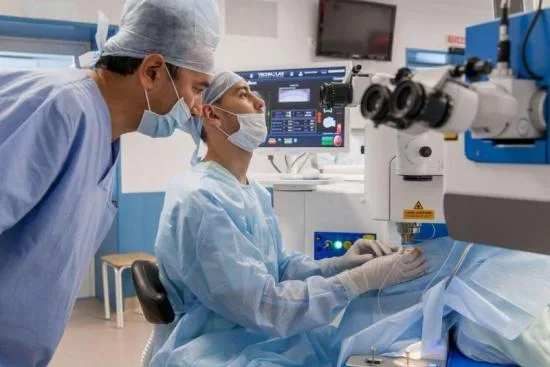
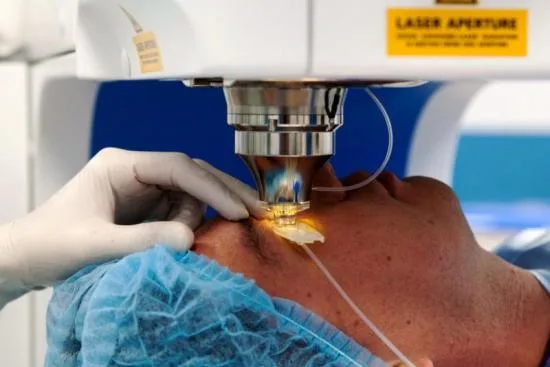
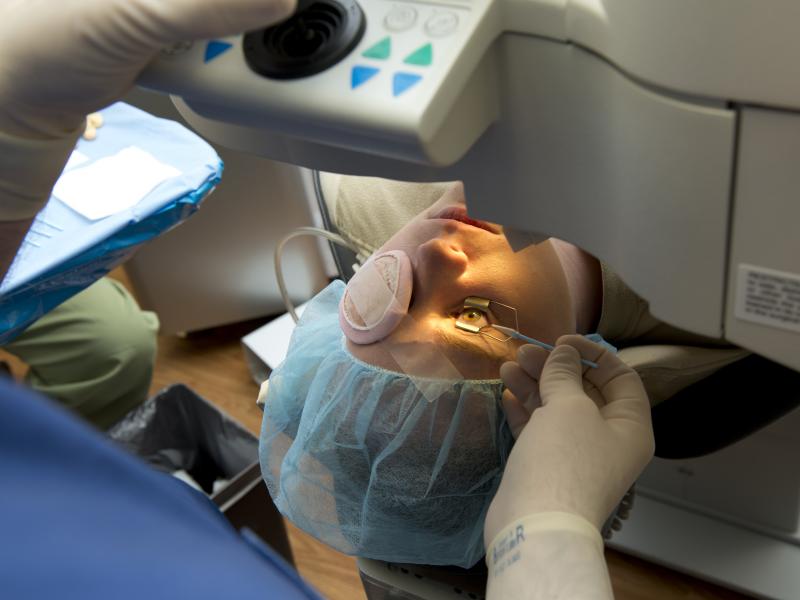
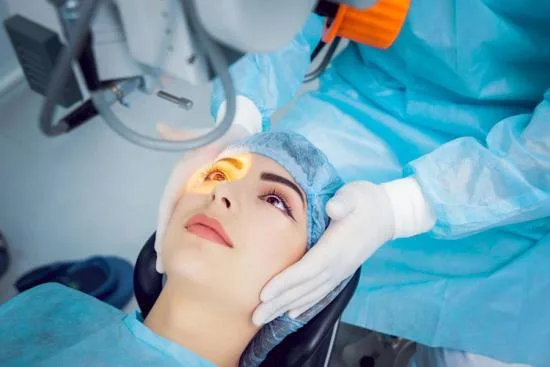
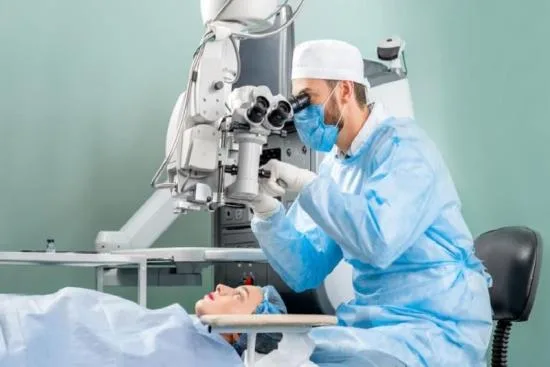
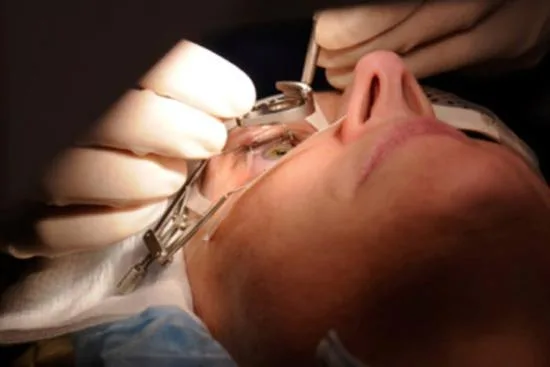
Surgery is performed under local or general anesthesia, depending on complexity. Most cases take 30-90 minutes. The surgeon works through micro-incisions at the corneal periphery, using operating microscope magnification. Suture repair cases require no additional hardware; implant cases involve careful positioning of the folded prosthesis and fixation with sutures to the scleral wall or capsular bag.

When surgery is combined with corneal transplantation, the larger trepanation incision (8-8.5 mm) provides easier access to the anterior segment and facilitates more precise iris reconstruction.

Recovery and postoperative care

Recovery from iris repair surgery is typically straightforward. Most patients can return to daily activities within 3-7 days. Post-operative management includes:

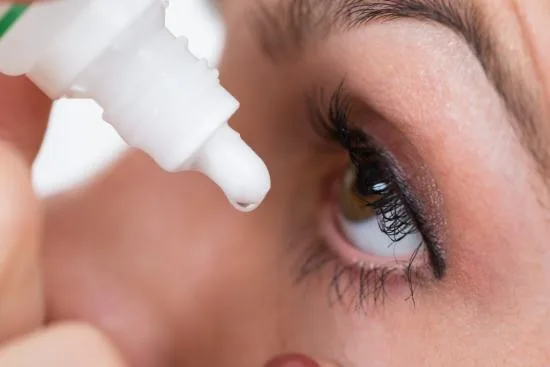
  • Topical anti-inflammatory and antibiotic eye drops for 4-6 weeks.
  • Oral anti-inflammatory medication, in some cases.
  • Sun protection (good-quality sunglasses) during the initial healing phase.
  • Regular monitoring of intraocular pressure.

Turquie Santé's partner clinics provide remote post-operative follow-up via video consultation, meaning you do not need to remain in Turkey for the full recovery period. Your treating surgeon remains accessible by message or video for up to 12 months post-operatively.

What are the risks and how are they managed?

Iris repair surgery is a safe procedure in experienced hands, but as with all intraocular surgery, it carries recognized risks. Patients should understand these before consenting.

RiskApproximate frequencyHow clinics manage it
Intraocular bleeding (hyphema)~7.6% (FDA study, CustomFlex)Resolved with rest and anti-inflammatory drops in most cases
Elevated intraocular pressure / secondary glaucoma~3-5%Managed with pressure-lowering drops; rarely requires additional surgery
Implant decentration or dislocation~1.8-2.5%Surgical repositioning; rare
Corneal edemaUncommonAnti-inflammatory treatment; typically resolves within weeks
Persistent inflammation / iritisUncommonProlonged topical steroids; close monitoring
Device fiber fragments in eyeRareIrrigation and monitoring

Turkish hospitals accredited by JCI and the Ministry of Health follow standardized surgical protocols and infection control measures that minimize complication rates. All Turquie Santé partner clinics carry medical liability insurance, and our medical guarantee protocol provides a clear escalation pathway if complications arise after you return home.

What are the alternatives to iris repair surgery?

Surgery is not always the first or only option. Depending on the size and nature of the defect, the following non-surgical or minimally invasive alternatives may be considered, either as a definitive treatment or as a bridge while awaiting surgery:

  • Tinted or prosthetic contact lenses are often the first option tried, particularly for cosmetic concerns or small defects. A custom-painted contact lens can simulate a normal iris appearance and reduce light entering through the defect. However, contact lens wear carries its own risks (infection, corneal abrasion),and lenses do not address functional iris mechanics.
  • YAG laser iridotomy / iridoplasty is a non-surgical laser procedure that can be used to create a drainage opening in the iris (to relieve angle-closure glaucoma risk) or to reshape the pupil margin in selected cases. It is fast, performed in the clinic without anesthesia, and requires no recovery time, but it has limited applicability for large structural defects or significant cosmetic irregularity.
  • Observation and medical management is appropriate for mild, stable iris abnormalities that are not functionally limiting. Anti-inflammatory drops and UV-protective glasses can manage symptoms while monitoring for progression.

When these alternatives are insufficient, surgery, whether suture repair or implantation, produces the most durable and comprehensive results.

Procedures available for this specialty

Share this page

Our assistants help you to get the best options in Iris repair surgery