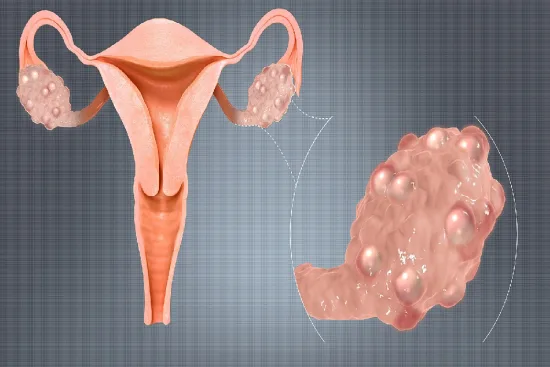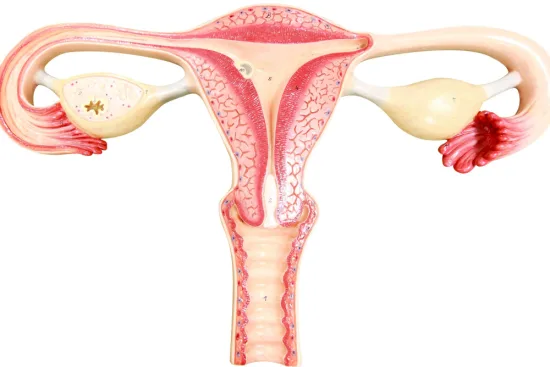



If you want to preserve your fertility but are not ready to start a family, or you face a treatment that may affect your ovaries, egg freezing (oocyte cryopreservation) lets you store eggs retrieved today for possible IVF later. In Turkey it is performed in licensed IVF centers in Istanbul and other major cities, within a legal framework that requires a medical indication. A fertility assessment of your ovarian reserve is the usual first step, and freezing improves your chances of a future pregnancy without guaranteeing one.
Egg freezing in Turkey costs from about $2,300 for the cycle, and about $3,000 to $4,500 once stimulation medication is included. This is indicative: the price depends on testing, the medication dose, the number of cycles needed and annual storage fees, and only the personalized quote is binding.
Turquie Santé coordinates your appointments, travel, accommodation and follow-up with partner clinics, with language support throughout. Send your medical report and recent hormone tests (such as AMH) to check whether you meet the legal conditions and to get an itemized quote.
Egg freezing costs in Turkey
Egg freezing in Turkey generally costs from about $2,300 for the cycle itself. Once stimulation medication is included, the total usually falls between about $3,000 and $4,500. These figures are indicative: the final price shifts based on testing, the medication dose, the number of cycles needed to store enough eggs and how long you store your eggs.
Annual storage fees are usually billed separately, so ask for an itemized quote that shows exactly what is included: consultation, tests, medication, the procedure, storage and follow-up visits. Turquie Santé coordinates travel logistics, accommodation and appointments with the partner clinics.
Only the personalized quote is binding. Request a free online quote based on your medical situation.
Risks and Side Effects
- Some eggs may not survive freezing and thawing, and freezing does not guarantee a pregnancy
- Ovarian hyperstimulation syndrome (OHSS): uncommon, monitored with scans and blood tests; severe forms may require hospital care
- Bleeding or infection after egg retrieval (uncommon)
- Risks linked to sedation or anesthesia
- Nausea, bloating, cramping, headaches and mood changes during stimulation