


Is my baby at risk for Down syndrome, and how would I even find out? That's usually the question that brings expectant parents to our page. In Turkey, trisomy 21 screening can give you a clear risk estimate starting at 11 weeks of pregnancy, using tests that are safe for both you and your baby.
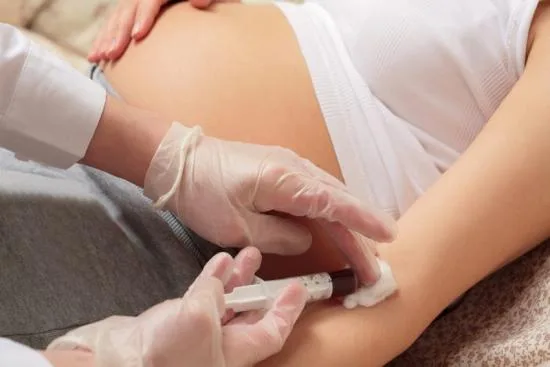
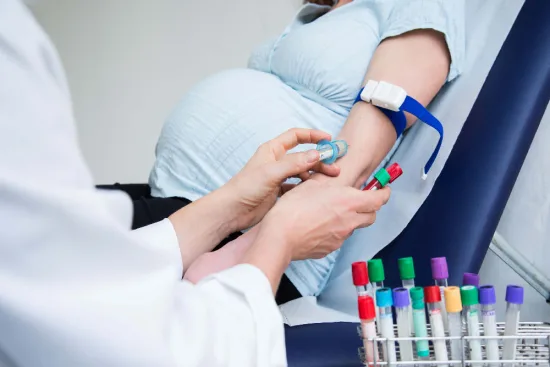
Screening for trisomy 21 isn't one single test; it's a combination of a blood analysis (maternal serum markers, including PAPP-A and free beta hCG) and a specialized ultrasound (nuchal translucency measurement). Unlike diagnostic procedures such as amniocentesis, this workup gives you a probability, not a yes-or-no answer. That difference matters: it shapes what happens next in your pregnancy journey.
How much does trisomy 21 screening cost in Turkey?
Here's the short answer: It depends on which test you choose. NIPT costs more than the combined first-trimester test.
| Test | Typical price range in Turkey | What it covers | Best suited for |
| Combined first-trimester screening (NT ultrasound + blood test) | $150 – $300 | Nuchal translucency scan, maternal serum markers, risk calculation. | Most pregnant women, weeks 11–14. |
| Second-trimester serum test | $100 – $200 | Additional blood markers to refine risk. | Women who want a second data point, or missed the first-trimester window. |
| NIPT (cell-free fetal DNA) | $350 – $600 | Blood draw + DNA sequencing analysis. | Women over 35, high-risk results, or those wanting the highest accuracy. |
| Diagnostic follow-up (amniocentesis / CVS) | Priced separately, higher than screening | Direct chromosomal analysis for a definitive diagnosis. | Only after a high-risk screening result. |
Actual pricing at Turquie Santé's partner hospitals varies by clinic, package inclusions, and current exchange rates; it isn't fixed. Regardless of which test you choose, prices in Turkey typically run 20–60% below equivalent European rates.
With Turquie Santé, your free quote includes the test itself, professional interpretation of results, and full support before, during, and after. The exact pricing depends on your clinic and situation; the fastest way to get a real number is a personalized quote.