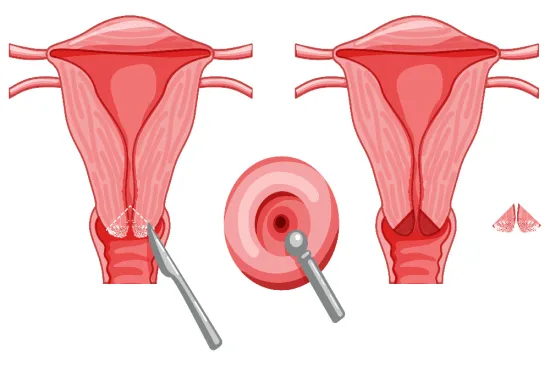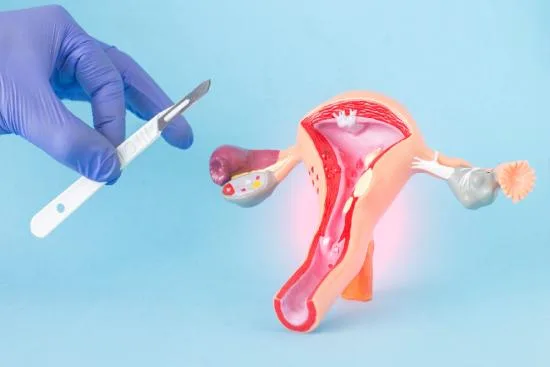



A cervical biopsy is a minimally invasive procedure that collects tissue samples from the cervix to diagnose abnormal cells or confirm cervical cancer. When performed at partner clinics in Turkey, the procedure combines precision diagnostic capability with streamlined patient care designed for international visitors seeking accurate results and transparent pricing without compromising quality. If you're considering a cervical biopsy abroad, understanding the procedure itself matters more than location alone. The process is straightforward, recovery is quick, and the clinical outcomes are comparable to Western standards. This guide covers everything from the initial consultation through post-biopsy follow-up, helping you navigate each step with clarity and confidence as you make your healthcare decision.
Cervical biopsy pricing in Turkey
A cervical biopsy in Turkey ranges from approximately 450 USD to 1,100 USD, with variation depending on which technique your doctor recommends, how complex your case is, and which clinic you choose.
Through Turquie Santé, you're connected with experienced gynecology specialists in carefully vetted partner clinics, places that prioritize safety, sterility, modern equipment, and genuine patient attention. You pay competitive prices without sacrificing expertise or care quality. This is realistic medical tourism: lower costs and high standards in the same package.
Abnormal test results or lingering symptoms create real anxiety. A cervical biopsy answers the question quickly and accurately, giving you the certainty you need to move forward with confidence and a clear plan.
Turquie Santé's partner gynecologists assess your individual case and recommend the diagnostic approach that makes the most sense for you.
Ready to take the next step? Contact Turquie Santé today for a personalized medical assessment and a concrete plan for your care.
Risks and Side Effects
- Light bleeding.
- Pelvic cramps or pain.
- Infection.
- Slight scarring that could theoretically interfere with a future pregnancy. This is rare and usually only occurs with larger cone biopsies.