

Turquie Santé
Last update : 03/11/2026

Anal Fissure Treatment in Turkey: Non-surgical options, surgery & recovery

Access internationally recognized healthcare with substantial savings compared with European prices.

Free Medical Opinion
Treatment of anal fissures Turkey
793+
patient reviews
across all procedures

In Istanbul, our partner clinics treat acute and chronic anal fissures: medical treatment (topical nitrates or diltiazem),botulinum toxin (Botox) injection or surgery (lateral internal sphincterotomy, fissurectomy, anoplasty) when conservative treatment is not enough. Treatment costs $1,200 to $2,600 depending on the method. It is chosen individually after an examination, and surgery is reserved for fissures that do not heal with medical treatment.

Turquie Santé organizes your care: review of your file by a specialist, a detailed quote, airport pick-up, transfers, an interpreter and 7-day assistance.

To choose your clinic, check that the colorectal surgeon explains the risks of each option, in particular the risk of incontinence after sphincterotomy, and does not propose surgery before medical treatment.

How much does anal fissure treatment cost in Turkey?

The cost of anal fissure treatment in Turkey depends on the treatment option chosen: medical care, Botox or surgery each have different price points.

In our partner clinics in Turkey, treatment costs between $1,200 and $2,600. The exact cost depends on the treatment your surgeon recommends after examining you, the clinic and what the package includes, and is given in a detailed quote after your file is reviewed.


Why choose Treatment of anal fissures with Turquie Santé ?

Chirurgien icon

Accredited surgeons and hospitals (JCI, ISO)

Économie icon

Indicative prices, often lower than in Western Europe depending on the case

Organisation icon

Medical stay organized from A to Z

Prix icon

Detailed quote (included / not included) before your stay

Résultat icon

Free review of your file

All about your Treatment of anal fissures in Turkey
Benefits
Payment

Highly qualified professionals in accredited institutions.


We assist you before, during, and after your trip


A detailed quote is presented to you before your stay. Our support is free for the patient and any fees are specified in advance.

You will pay your clinic directly using these available methods:
Transfer
Emily White : Medical Content Team Manager at Turquie Santécheck

Written by

Emily White

This content complies with the editorial policy of Turquie Santé. It was written by Emily White, Head of the Editorial Team, who has over 11 years of experience in scientific research and clinic management in Turkey. She ensures the reliability of medical information while making complex data accessible to everyone.

Assoc. Prof. Uğur Korkmazcheck

Medically reviewed by : Assoc. Prof. Uğur Korkmaz

Specialty : Gastroenterology

Medical review does not replace an individual consultation.

Get a free medical opinion on Treatment of anal fissures with our recognized clinics

Certifications :

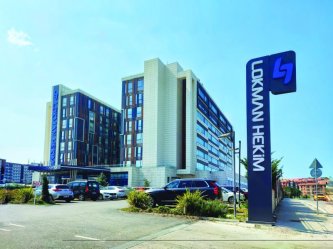
JCI - Joint Commission International LOKMAN HEKIM ISTANBUL
International Organization for Standardization (ISO) LOKMAN HEKIM ISTANBUL
LOKMAN HEKIM ISTANBUL
Istanbul, Turkey
Assoc. Prof. Dr. Alaattin Ozturk m.d

Assoc. Prof. Dr. Alaattin Ozturk m.d

33 years of experience
4.7 / 5
4.7(69 Reviews)

Certifications :

JCI - Joint Commission International MEMORIAL Şişli
International Organization for Standardization (ISO) MEMORIAL Şişli
MEMORIAL Şişli
Istanbul, Turkey
MD Ahmet ARPACI

MD Ahmet ARPACI

46 years of experience
Prof. Dr. Ahmet Nevzat Nayır

Prof. Dr. Ahmet Nevzat Nayır

41 years of experience
4.5 / 5
4.5(34 Reviews)

Certifications :

SRC — Center of Excellence (Colorectal Surgery) LIV Vadistanbul
JCI - Joint Commission International LIV Vadistanbul
International Organization for Standardization (ISO) LIV Vadistanbul
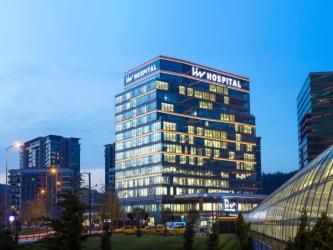
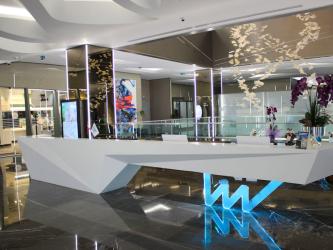
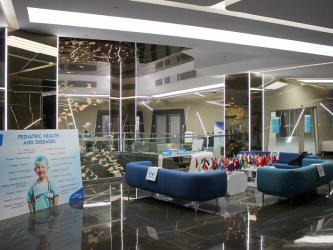
LIV Vadistanbul
Istanbul, Turkey
Prof. Dr. Gülşen Köse

Prof. Dr. Gülşen Köse

45 years of experience
Prof. Dr. G. Dilek Arman

Prof. Dr. G. Dilek Arman

41 years of experience
4.4 / 5
4.4(11 Reviews)

Certifications :

International Organization for Standardization (ISO) HISAR INTERCONTINENTAL
JCI - Joint Commission International HISAR INTERCONTINENTAL
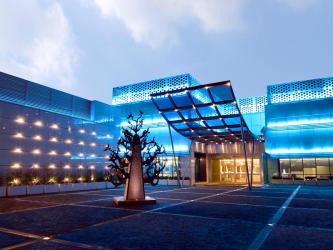
HISAR INTERCONTINENTAL
Istanbul, Turkey
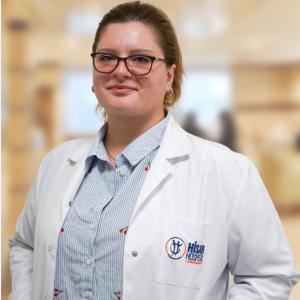
Op. Dr. Merve Karli, M.D

Op. Dr. Merve Karli, M.D

12 years of experience
Main specialty: General surgery, laparoscopic surgery Years of experience: Over 12 years Notable training: Medicine at Osmangazi University in Eskişehir; specialization in general surgery at Dr. Sadi Konuk Hospital, Bakırköy Notable ... Read more
4.4 / 5
4.4(221 Reviews)

Certifications :

International Organization for Standardization (ISO) LIV Ulus
JCI - Joint Commission International LIV Ulus
SRC — Center of Excellence (Colorectal Surgery) LIV Ulus
LIV Ulus
Istanbul, Turkey
Prof. Dr. Kazım Özenç Minareci

Prof. Dr. Kazım Özenç Minareci

44 years of experience
Prof. Dr. Mehmet Tekin Akpolat

Prof. Dr. Mehmet Tekin Akpolat

42 years of experience
4.7 / 5
4.7(1 Reviews)

Certifications :

International Organization for Standardization (ISO) HIZMET By Memorial
JCI - Joint Commission International HIZMET By Memorial
HIZMET By Memorial
Istanbul, Turkey
Dr. Gülsüm ÇEBİ

Dr. Gülsüm ÇEBİ

4.0 / 5
4.0(2 Reviews)

Certifications :

International Organization for Standardization (ISO) ACIBADEM
JCI - Joint Commission International ACIBADEM
ACIBADEM
Istanbul, Turkey
Dr. Ayşe Sagduyu Kocaman

Dr. Ayşe Sagduyu Kocaman

30 years of experience
Dr.Ender Semiz

Dr.Ender Semiz

30 years of experience
4.6 / 5
4.6(183 Reviews)

You have consulted 7 / 31 Hospitals

🩺 Medical note — The content of this page is provided for information purposes and in accordance with our medical charter. It does not constitute medical advice and does not replace a consultation with a healthcare professional. Prices are indicative and will be specified in a personalized quote after reviewing your file. Any treatment must be assessed and approved by a qualified doctor.

What Is an anal fissure and what causes it?

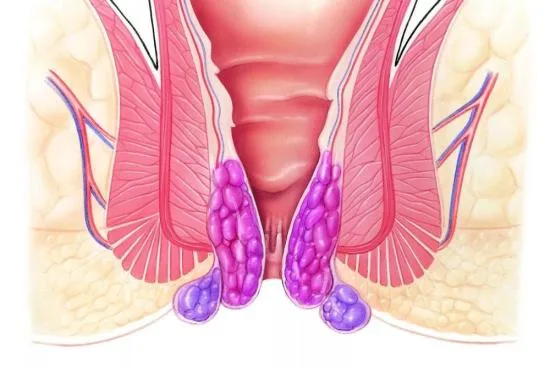
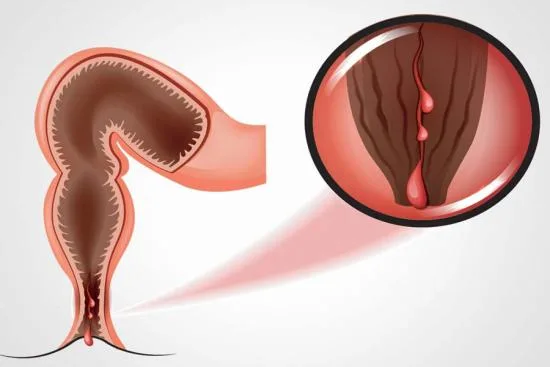
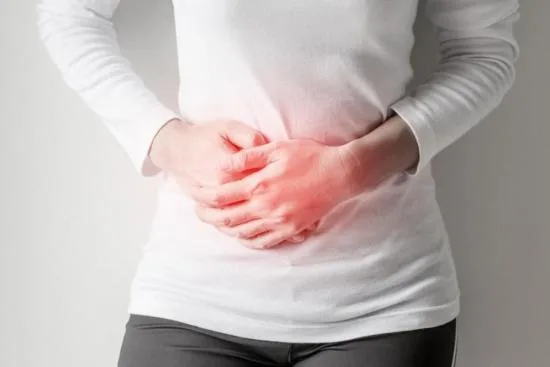
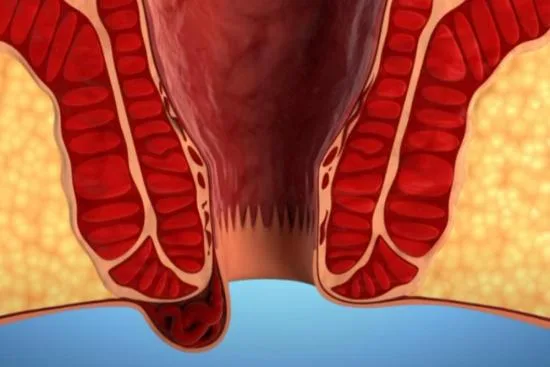
An anal fissure is a small tear in the skin lining the anal canal, most often caused by the passage of hard or large stools. Common contributing factors include:

  • Chronic constipation or straining during bowel movements
  • Severe or prolonged diarrhea.
  • Childbirth.
  • Reduced blood flow to the anal area (more common with age).
  • Underlying conditions such as Crohn's disease, in some cases.

Typical symptoms:

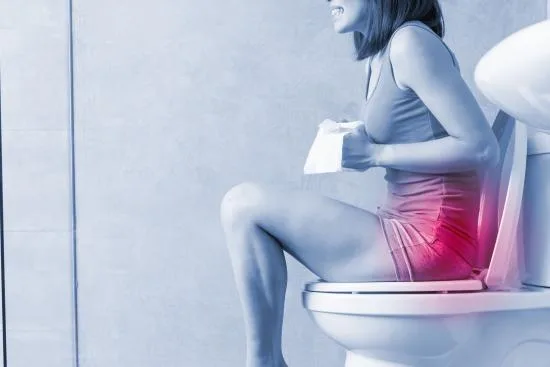
  • Sharp, burning pain during and after bowel movements, sometimes lasting several hours.
  • Bright red blood on the stool or toilet paper.
  • A visible tear or skin tag near the anus.
  • Anal itching or spasm of the anal sphincter, which can intensify the pain.

How is an anal fissure diagnosed?

A proper diagnosis is important because anal fissures share symptoms with other conditions, such as hemorrhoids, anal fistulas, and abscesses. Less commonly, they are confused with anal cancer. A misdiagnosis can lead to the wrong treatment and prolonged discomfort.

A colorectal surgeon or proctologist will typically diagnose an anal fissure by:

  • Patient history, including bowel habits, pain pattern, and any bleeding.
  • Visual examination: Most fissures are visible externally without an internal exam.
  • Anoscopy, when needed. This is a short, painless examination that uses a small instrument to confirm the exact location of the fissure and rule out other causes, particularly for atypical or non-healing fissures.
If you notice bleeding, it's worth having it evaluated by a doctor rather than assuming it's "just a fissure," since bleeding can be a symptom of a different, sometimes more serious, condition.

How is an anal fissure treated without surgery?

Many acute (new) anal fissures heal on their own within a few weeks with simple, non-surgical measures. According to the ASCRS guidelines (2023),conservative treatment heals about half of acute fissures. Colorectal specialists typically start with:

Dietary and lifestyle changes

  • Increasing fiber intake (fruits, vegetables, whole grains) to soften stools and reduce straining.
  • Drinking enough fluids.
  • Regular physical activity.
  • Avoiding prolonged sitting on the toilet.

Topical treatments

  • Nitroglycerin (nitrate) ointments: they relax the internal anal sphincter and improve blood flow to the area. Headaches are common and can be intense, and are a frequent reason for stopping treatment.
  • Calcium channel blocker creams (such as diltiazem): an alternative to nitrates with a similar muscle-relaxing effect and generally fewer headaches.

Warm sitz baths

Sitting in warm water for 10-15 minutes several times a day, especially after bowel movements, helps relax the anal sphincter and eases pain.

Botox injections for anal fissure

When creams are not enough, and before considering surgery, botulinum toxin (Botox) can be injected into the internal anal sphincter. It temporarily blocks the nerve signal that keeps the sphincter contracted, for about 2-3 months, which can give the fissure time to heal. It does not require general anesthesia. Possible side effects include pain, bleeding and, temporarily, a loss of control over gas or stool.

When is surgery needed for an anal fissure?

Surgery is generally considered a later step, reserved for chronic fissures (lasting more than 6-8 weeks) that have not responded to medical treatment or Botox. Depending on your case, your colorectal surgeon may recommend one of the following:

Fissurectomy

Removal of the fissure and the surrounding scarred tissue, under local or regional anesthesia, in about 30 minutes. Most patients go home the same day. The fissure can come back.

Anoplasty

The fissure is covered with a flap of healthy tissue from the surrounding area. It is typically used for larger or more complex fissures, or after a previous treatment has not resolved the problem.

Lateral internal sphincterotomy (LIS)

According to the ASCRS guidelines (2023),it heals at least 88% of chronic fissures, more than medical treatment. The surgeon makes a small, partial incision in the internal anal sphincter, the muscle that keeps the anus closed, to relieve the pressure that prevents the fissure from healing. The sphincter is not cut through. It is performed under local or regional anesthesia and most patients go home the same day. Its main risk is a change in continence, especially for gas or loose stool (see the risks section). It is generally avoided in some situations, such as inflammatory bowel disease, and your surgeon decides after an assessment.

Comparing the surgical options

ProcedureAnesthesiaHospital stayRecovery
FissurectomyLocal/regionalSame dayA few weeks
AnoplastyLocal, regional, or generalSame day or 1 nightA few weeks
Lateral internal sphincterotomyLocal/regionalSame dayA few weeks

What are the risks and success rates of anal fissure surgery?

Anal fissure surgery, and lateral internal sphincterotomy in particular, is generally considered effective: the ASCRS guidelines (2023) report healing rates of at least 88% for lateral internal sphincterotomy, higher than with medical treatment. As with any procedure, it carries some risks:

  • Infection at the surgical site: uncommon with proper post-operative care.
  • Fecal or gas incontinence: the most specific risk of sphincterotomy, since it involves the muscle controlling continence. According to the same guidelines it can affect up to 30% of patients, temporary in some and persistent in others, and should be discussed with your surgeon beforehand, especially if you have any pre-existing bowel control concerns.
  • Recurrence: possible with any treatment option.
  • Delayed wound healing, more common with underlying conditions such as poorly controlled diabetes or Crohn's disease.

Your surgeon will review your specific health history to determine which option offers the best balance of effectiveness and risk for your situation.

How to care for yourself after treatment?

No matter which option you and your surgeon choose, there are a few practical steps that can support healing.

  • Keep the area clean and dry. Gentle, warm sitz baths several times a day promote hygiene and comfort.
  • Avoid heavy lifting and strenuous exercise for the first one to two weeks after surgery.
  • Maintain a high-fiber diet, and drink plenty of water to keep stools soft and avoid straining.
  • Take prescribed pain relievers and stool softeners as directed.
  • Avoid prolonged sitting. Short, frequent walks support circulation and comfort.

Most patients can resume normal daily activities within a week, though full healing typically takes a few weeks, up to four to six weeks for lateral internal sphincterotomy.

Related medical articles

Other procedures in this specialty

Share this page

Our assistants help you to get the best options in Treatment of anal fissures