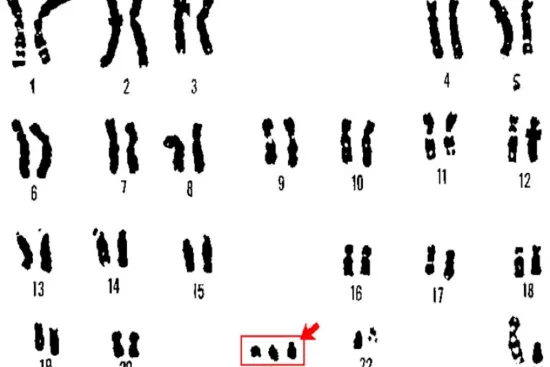



Down syndrome is a genetic condition affecting approximately 1 in 700 births in the United States, according to CDC data, though global estimates from the World Health Organization suggest a somewhat lower average of around 1 in 1,000 to 1,100 births worldwide. It occurs when individuals are born with three copies of chromosome 21 instead of two, leading to distinctive physical characteristics and developmental differences that vary widely between individuals. Early diagnosis and comprehensive care are crucial for managing this condition.
Also medically termed trisomy 21, most cases (about 95%) develop randomly during early cell division and are not inherited, though maternal age increases the statistical likelihood. A smaller proportion, translocation Down syndrome (roughly 3 to 4% of cases),can in some instances be inherited from a parent carrying a balanced translocation; couples with a known family history can explore options such as preimplantation genetic diagnosis when planning a pregnancy. Modern screening, including non-invasive prenatal testing (NIPT) from maternal blood starting around 10 weeks of gestation, allows families to prepare comprehensively for their child's birth and ongoing care, and advances in early intervention programs have substantially enhanced outcomes and quality of life.