


Turquie Santé
Last update : 22/12/2025

Arteriopathy obliterans | Symptoms, diagnosis & treatment in Turkey

Save up to 60% vs. European prices with internationally certified care

Get a free quote
Arteriopathy obliterans treatment Turkey
639+
patient reviews
Patient icon
600K+
Requests received since 2018
Clinique icon
23
Clinics
Trustpilot icon
4.6
Ville icon
5
Cities
Docteurs icon
1K+
Recognized doctors

Arteriopathy obliterans is a major challenge for vascular health, progressively reducing blood flow to the limbs and causing pain and limited mobility. These issues can significantly affect daily life and overall well-being.

Treatment of arteriopathy obliterans in Turkey offers an effective solution, providing patients with access to modern vascular care, advanced therapeutic options, and experienced medical teams.

Cost of arteriopathy obliterans treatment in Turkey

Treatment in Turkey is high-quality and more affordable than in Europe or the US. Costs depend on the type of procedure and clinic.

Estimated price ranges:

  • Diagnostic tests: $300–$800
  • Medical management: $500–$1,500
  • Minimally invasive procedures (angioplasty/stenting): $4,000–$8,000
  • Open vascular surgery: $6,000–$12,000

Prices usually include consultations, hospital fees, the procedure, and follow-up care.

Take the next step: contact us for a free consultation for your arteriopathy obliterans treatment in Turkey and receive a personalized care plan.

Why choose Arteriopathy obliterans treatment with Turquie Santé ?

Chirurgien icon

Expert surgeons and JCI certified hospitals

Économie icon

Prices 35% to 50% cheaper than in Europe

Organisation icon

Medical stay organized from A to Z

Prix icon

Direct prices without commission

Résultat icon

Free assistance

All about your Arteriopathy obliterans treatment in Turkey
Overview
Important to know
Benefits
Payment

Verified reviews : 639

including 1 for Arteriopathy obliterans treatment

Requests processed : 52

Before treatment

  • Stop smoking.
  • Eat healthy.
  • Practice sports.
  • Stop medication containing an anticoagulant two weeks before the operation.

  • Do not eat or drink for 12 hours before surgery.

During treatment

  • The operation will be done under general anesthesia.

After treatment

  • Definitive cessation of smoking.
  • Maintain a healthy diet and good hydration.

Highly qualified professionals in accredited institutions.


We assist you before, during, and after your trip


Book with full transparency, no hidden fees or commissions.

You will pay your clinic directly using these available methods:
Transfer

Among our doctors

Verified testimonials from our patients

Arteriosclerosis Obliterans : What is it?

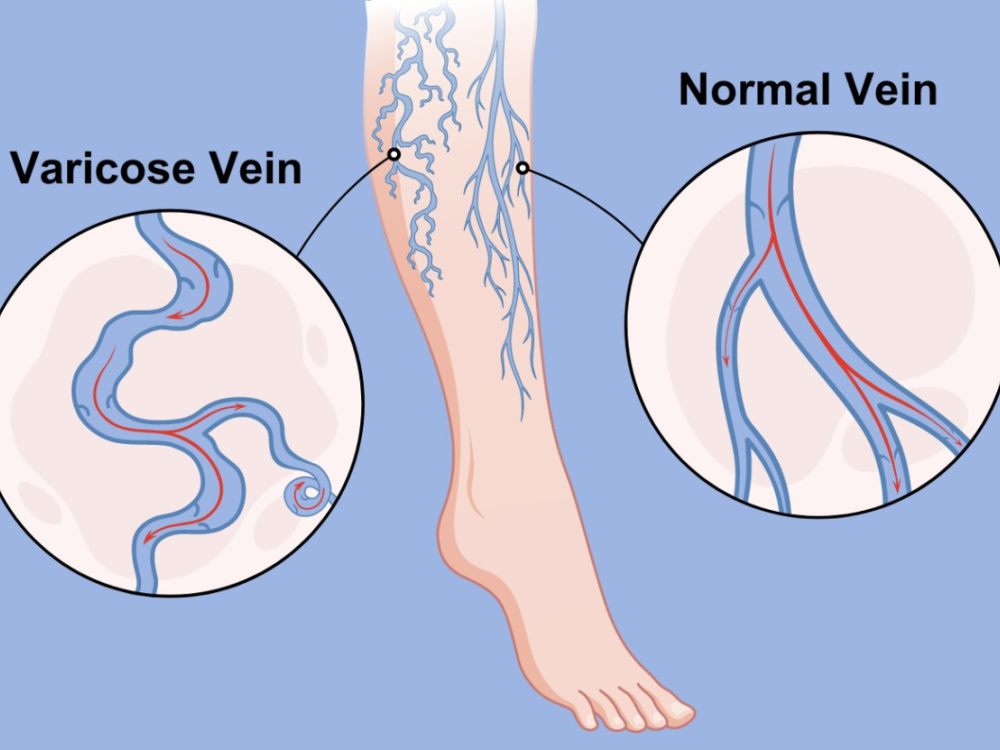
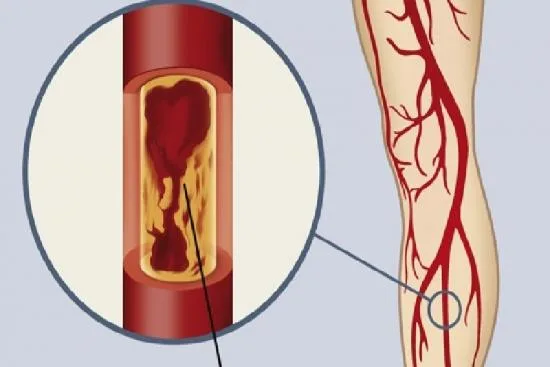
Arteriosclerosis obliterans is a progressive vascular condition characterized by narrowing or blockage of the arteries, which reduces blood flow to the limbs. Over time, this can lead to pain, numbness, difficulty walking, and in severe cases, tissue damage.

Early detection and treatment are essential to prevent complications, improve circulation, and maintain mobility.

Causes of arteriosclerosis obliterans

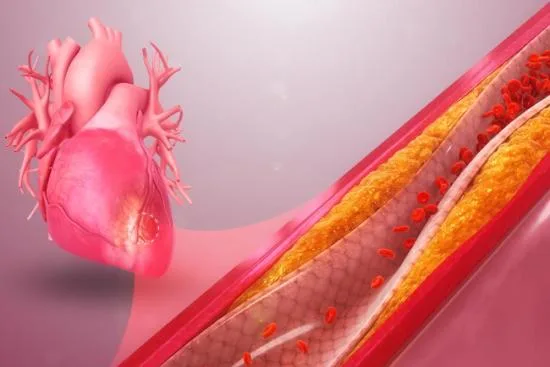
Obliterate arteriosclerosis results from the gradual accumulation of fatty deposits (atheromatous plaques) in the arterial walls. This phenomenon, known as atherosclerosis, is favored by several factors, including :

  • Age and gender: AOMI is more common in the elderly and in men.
  • Lifestyle: Smoking, high blood pressure, diabetes, high cholesterol and obesity are major risk factors.
  • Family history: People with a family history of cardiovascular disease are at greater risk.
  • Other factors: Some less common conditions, such as certain kidney diseases or congenital heart defects, may also predispose to AOMI.

Symptoms of PAD

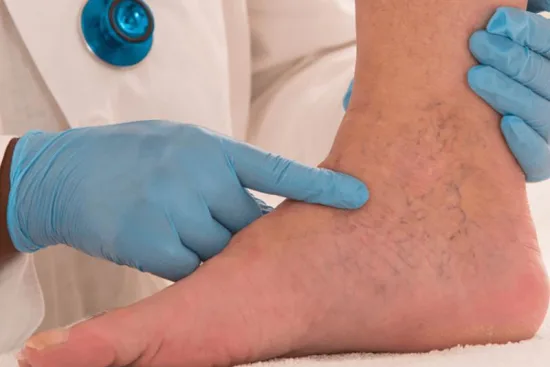
The symptoms of PAD vary, but intermittent claudication is one of the most common. It is characterized by muscle pain, cramps or fatigue in the legs during exertion (walking, climbing stairs),which disappears at rest.

Other symptoms may also occur, such as:

  • Pain in the hips or thighs.
  • Numbness and tingling.
  • Cold in the lower limbs.
  • Inflammation.
  • Changes in skin color.
  • Slower nail growth.

In some cases, arterial occlusive disease may be asymptomatic.

Diagnosis of obliterating arteriopathy

The diagnosis of obliterative arteriopathy is based on several tests:

  • Clinical examination: The doctor will ask the patient about his or her symptoms and perform a physical examination.
  • Ankle-brachial index (ABI): This test compares blood pressure in the ankle and arm. A low ABI indicates blockage of the arteries in the legs.
  • Echodoppler: This test uses ultrasound to visualize blood flow in the arteries.
  • Angiography: This test uses a contrast dye injected into the arteries to produce detailed images of the blood vessels.
  • Other tests: Blood tests (CRP, cholesterol) may be performed to assess cardiovascular risk.

Treatment of obliterating arterial disease in Turkey

Treatments for obliterative arterial disease aim to improve blood circulation and relieve symptoms. Therapeutic approaches in Turkey include

Medication treatment

The initial treatment of PAD is based on medications, including:

  • Antiplatelet agents: Prevent the formation of blood clots that can worsen arterial blockage.
  • Vasodilators: Dilate blood vessels, making it easier for blood to circulate.
  • Statins: Lower levels of bad cholesterol (LDL),which may help slow disease progression.

Lifestyle changes

Lifestyle changes play an important role in the treatment of AOMI:

  • Smoking cessation: Smoking accelerates atherosclerosis.
  • Eat a balanced diet: A diet rich in fruits, vegetables, and fiber and low in saturated fat is beneficial.
  • Regular physical activity: Individualized exercise improves circulation.

Surgical procedures

Obliterative arterial disease of the lower limbs (OADL),characterized by narrowing of the leg arteries, may require surgical intervention when medical treatment proves inadequate.
The choice of surgical technique depends on several factors, including:

  • The location and extent of the arterial lesions: Affected arteries may be located in the hips, thighs, or calves.
  • The severity of symptoms: Pain when walking, wounds that do not heal, etc.
  • The patient's general health: Other comorbidities may affect the choice of treatment.

Surgical treatment of IMA

Three main surgical techniques are used to treat IMA:

Angioplasty with or without stent placement

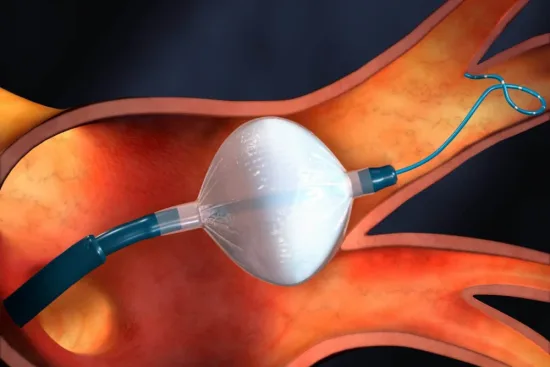
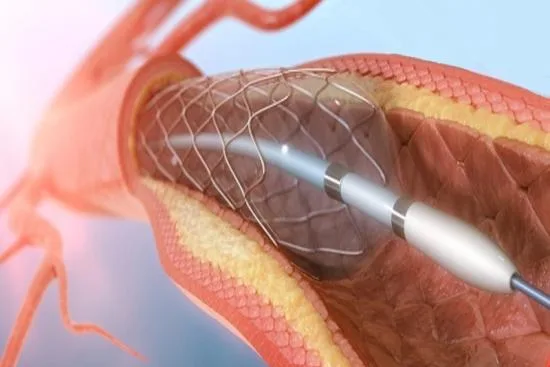
In this procedure, an inflatable balloon is inserted through a small incision, usually in the groin, to widen the narrowed artery. A stent (a small metal device) is often placed to keep the artery open. Stents can be plain or coated with a drug to prevent the narrowing from recurring.

Angioplasty is a less invasive procedure than other techniques and is often done under local anesthesia. However, there is a risk of long-term narrowing of the artery, which sometimes requires further intervention.

Endarterectomy technique

This procedure removes the atheromatous plaque (fatty buildup) that is blocking the artery. It is usually performed on large caliber arteries (hips, thighs).

Endarterectomy is an effective technique for large lesions. However, it is a more extensive procedure than angioplasty, requiring general anesthesia and a larger incision.

Coronary artery bypass surgery

Bypass surgery consists of creating a "detour" using a piece of vein or a synthetic graft to connect the two ends of the diseased artery. This technique is used when lesions are too long or too complex to be treated by angioplasty or endarterectomy.

This technique permanently restores circulation. However, it is a more complex procedure that requires general anesthesia and a longer hospital stay.

The choice of the most appropriate technique is made in consultation with the vascular surgeon, depending on the characteristics of each patient and the disease.

Benefits of surgery

Surgical treatment of AOMI aims to:

  • Relieve pain: By improving blood circulation, walking pain is significantly reduced.
  • Promote wound healing: Improved blood flow allows wounds to heal more quickly.
  • Prevent complications: Amputation, a serious complication of AOMI, can be avoided with proper treatment.
  • Improve quality of life: With improved mobility, patients can resume daily and social activities.
  • After surgery, regular monitoring is required to assess the effectiveness of the treatment and to detect any complications. Medications may be prescribed to prevent blood clot formation and reduce the risk of recurrence.

It's important to note that every patient is unique and the results of surgery may vary. Don't hesitate to ask your doctor in Turkey any questions you may have to better understand the different treatment options available to you.

How it works ?

2
Services
We look for the best option for your case & budget
3
Hospital
Evaluating a care plan with the best quote
4
airplane
Making appointments & Organization of your trip
5
Health care
Ongoing support until you return home

Get a free medical opinion on Arteriopathy obliterans treatment with our 23 Recognized Clinics

Certifications :

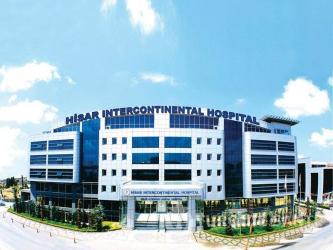
International Organization for Standardization (ISO) HISAR INTERCONTINENTAL
JCI - Joint Commission International HISAR INTERCONTINENTAL
TÜV SÜD ISO 9001:2008 - Quality Management Certification HISAR INTERCONTINENTAL
HISAR INTERCONTINENTAL
Istanbul, Turkey
Dr. Faruk Gençoğlu

Dr. Faruk Gençoğlu

Main specialty : Cardiology Years of experience : 3 years. Notable training : Samsun 19 Mayıs University Faculty of Medicine, Istanbul University Cerrahpaşa Faculty of Medicine Mastered techniques : Cardiac surgery, aortic surgery, carotid ... Read more
PROF. İBRAHİM HALİL TANBOĞA, M.D.

PROF. İBRAHİM HALİL TANBOĞA, M.D.

Main specialty: Interventional cardiology (coronary diseases, valvular diseases, arrhythmias, pacemakers, peripheral arterial diseases) Years of experience: Over 20 years Notable training: Medical degree from Dicle University, specialization ... Read more
4.4(220 Reviews)
Price on request

Certifications :

JCI - Joint Commission International LOKMAN HEKIM ISTANBUL
International Organization for Standardization (ISO) LOKMAN HEKIM ISTANBUL
TÜV SÜD ISO 9001:2008 - Quality Management Certification LOKMAN HEKIM ISTANBUL
LOKMAN HEKIM ISTANBUL
Istanbul, Turkey
Spec. Dr. Semra ACAR

Spec. Dr. Semra ACAR

Main Specialty : Medical Oncology Years of Experience : 7 years. Notable Training : Faculty of Medicine, Internal Medicine, Medical Oncology Mastered Techniques : Clinical Trials, Biostatistics, Immuno-Oncology Notable Achievements : 29 ... Read more
Assoc.Prof. Dr. Halil AKIN

Assoc.Prof. Dr. Halil AKIN

Main Specialty : Cardiology Years of Experience : 19 years. Notable Education : Bachelor of Medicine, I.U. Cerrahpasa Faculty of Medicine (1999 - 2005),Specialization at Tigris University (2007 – 2011) Mastered Techniques : Congenital heart ... Read more
4.7(64 Reviews)
Price on request

Certifications :

JCI - Joint Commission International MEMORIAL Şişli
TÜV SÜD ISO 9001:2008 - Quality Management Certification MEMORIAL Şişli
International Organization for Standardization (ISO) MEMORIAL Şişli
MEMORIAL Şişli
Istanbul, Turkey
Prof. Dr. TONGUÇ İŞKEN

Prof. Dr. TONGUÇ İŞKEN

Prof. Dr. Ramazan GÜN

Prof. Dr. Ramazan GÜN

4.5(34 Reviews)
Price on request

Certifications :

JCI - Joint Commission International LIV Vadistanbul
SRC — Center of Excellence (Colorectal Surgery) LIV Vadistanbul
TÜV SÜD ISO 9001:2008 - Quality Management Certification LIV Vadistanbul
International Organization for Standardization (ISO) LIV Vadistanbul
LIV Vadistanbul
Istanbul, Turkey
Spec. Dr. Utku Zor

Spec. Dr. Utku Zor

Main specialty : Cardiology Years of experience : 21 years. Notable training : Istanbul University Istanbul Faculty of Medicine (1998),Dr. Siyami Ersek Thoracic and Cardiovascular Surgery Center, Cardiology Department (1999-2004),Harvard Medical ... Read more
Prof. Dr. Cem Arıtürk

Prof. Dr. Cem Arıtürk

Main Specialty : Cardiovascular Surgery Years of Experience : 19 years. Notable Training : Istanbul University Cerrahpaşa Faculty of Medicine, Dr. Siyami Ersek Thoracic and Cardiovascular Surgery Training and Research Hospital Mastered Techniques ... Read more
4.4(10 Reviews)
Price on request

Certifications :

SRC — Center of Excellence (Colorectal Surgery) LIV Ulus
TÜV SÜD ISO 9001:2008 - Quality Management Certification LIV Ulus
AOSpine International — Global Spine Care Organization LIV Ulus
International Organization for Standardization (ISO) LIV Ulus
LIV Ulus
Istanbul, Turkey
Prof. Dr. Gökhan Ertaş

Prof. Dr. Gökhan Ertaş

Main Specialty : Cardiology Years of Experience : 18 years. Notable Trainings : MD, Istanbul University Faculty of Medicine; Cardiology specialization, Kocaeli University Faculty of Medicine; Associate Professorship in Cardiology; Professorship in ... Read more
Prof. Dr.Ahmet Özkara

Prof. Dr.Ahmet Özkara

Main Specialty : Cardiovascular Surgery Years of Experience : 26 years. Notable Education : Doctorate in Medicine from Istanbul University, Institute of Cardiology, residency in cardiovascular surgery. Mastered Techniques : Arterial ... Read more
4.7(1 Reviews)
Price on request

Certifications :

TÜV SÜD ISO 9001:2008 - Quality Management Certification MEMORIAL ANKARA
International Organization for Standardization (ISO) MEMORIAL ANKARA
JCI - Joint Commission International MEMORIAL ANKARA
MEMORIAL ANKARA
Ankara, Turkey
Op. Dr. İlker ÇÖMEZ

Op. Dr. İlker ÇÖMEZ

PROF.DR.SEMRA KAHRAMAN

PROF.DR.SEMRA KAHRAMAN

4.3(2 Reviews)
Price on request

Certifications :

Leed Platinium Certificate MEMORIAL Bahçelievler
International Organization for Standardization (ISO) MEMORIAL Bahçelievler
JCI - Joint Commission International MEMORIAL Bahçelievler
TÜV SÜD ISO 9001:2008 - Quality Management Certification MEMORIAL Bahçelievler
MEMORIAL Bahçelievler
Istanbul, Turkey
PROF.DR.MUSTAFA KÜRKLÜ

PROF.DR.MUSTAFA KÜRKLÜ

Prof. Dr. Erol SELİMOĞLU

Prof. Dr. Erol SELİMOĞLU

4.3(23 Reviews)
Price on request

Certifications :

JCI - Joint Commission International Florence Nightingale
TÜV SÜD ISO 9001:2008 - Quality Management Certification Florence Nightingale
Florence Nightingale
Istanbul, Turkey
Dr.Çavlan Çiftçi

Dr.Çavlan Çiftçi

Main specialty: Cardiology (interventional cardiology, emergency cardiovascular care) Years of experience: Over 30 years Notable training: Graduate of the Cerrahpaşa Faculty of Medicine, Istanbul University (1990); specialization in cardiology, ... Read more
4.7(10 Reviews)
Price on request

Certifications :

TÜV SÜD ISO 9001:2008 - Quality Management Certification AMERICAN HOSPITAL
International Organization for Standardization (ISO) AMERICAN HOSPITAL
JCI - Joint Commission International AMERICAN HOSPITAL
AMERICAN HOSPITAL
Istanbul, Turkey
Dr. Aylin Pelin Çil

Dr. Aylin Pelin Çil

Dr.Aylin Şimşek

Dr.Aylin Şimşek

4.7(5 Reviews)
Price on request

Certifications :

TÜV SÜD ISO 9001:2008 - Quality Management Certification MEMORIAL Antalya
International Organization for Standardization (ISO) MEMORIAL Antalya
JCI - Joint Commission International MEMORIAL Antalya
MEMORIAL Antalya
Antalya, Turkey
ASSOC PROF ISMAIL ONDER UYSAL

ASSOC PROF ISMAIL ONDER UYSAL

PROF DR DİLEK DEMİREZ

PROF DR DİLEK DEMİREZ

4.7(1 Reviews)
Price on request

Certifications :

International Organization for Standardization (ISO) ACIBADEM
TÜV SÜD ISO 9001:2008 - Quality Management Certification ACIBADEM
JCI - Joint Commission International ACIBADEM
ACIBADEM
Istanbul, Turkey
Dr.Ender Semiz

Dr.Ender Semiz

Main specialty : Interventional cardiology Years of experience : Over 30 years Notable training : Graduated from Ege Faculty of Medicine (1983),Specialization in internal medicine at Akdeniz University (1991),Specialization in cardiology at ... Read more
4.6(172 Reviews)
Price on request

Certifications :

International Organization for Standardization (ISO) LOKMAN HEKIM Üniversitesi
TÜV SÜD ISO 9001:2008 - Quality Management Certification LOKMAN HEKIM Üniversitesi
LOKMAN HEKIM Üniversitesi
Ankara, Turkey
Prof. Dr. Veysel Ozan TANIK

Prof. Dr. Veysel Ozan TANIK

Main Specialty : Cardiology Years of Experience : 12 years. Notable Trainings : Istanbul University Faculty of Medicine (2005 – 2011),Dr. Siyami Ersek Thoracic and Cardiovascular Surgery Training and Research Hospital (2012 – 2016) Mastered ... Read more
4.7(1 Reviews)
Price on request

You have consulted 7 / 23 Hospitals

Related medical articles

Everything you will need for your medical trip

Medical opinion and estimates

Expert opinions and cost estimates

Pre-trip consultations

Understand your procedure before traveling.

Visa assistance

We assist our patients in obtaining their visas from the consulates.

Translation of your medical reports

We guarantee free and certified translation of your medical documents from all languages.

VIP Transport

Your transfers will be provided from the airport and your hotel.

Continuous Follow-up

You will be assisted by your attending doctor even after returning to your country, via videos or messages.

Experiences of our patients – Turquie Santé

Emily White : Medical Content Team Manager at Turquie Santécheck

Written by

Emily White

This content complies with the editorial policy of Turquie Santé. It was written by Emily White, Head of the Editorial Team, who has over 11 years of experience in scientific research and clinic management in Turkey. She ensures the reliability of medical information while making complex data accessible to everyone.

Prof. Dr. Necmettin ÇOLAKcheck

Reviewed by Prof. Dr. Necmettin ÇOLAK

An eminent Professor of cardiovascular surgery, Dr. Necmettin Çolak leads cutting-edge cardiac interventions in Ankara. Specialized in vascular pathologies and open-heart surgeries, he ensures our heart health articles reflect the latest clinical guidelines. His validation provides peace of mind for our readers.

Arteriopathy obliterans treatment FAQ in Turkey

What are the risks and complications of surgery for PAD?

Surgery for PAD can lead to infection, bleeding, thrombosis, nerve damage, or cardiovascular complications, but it is generally safe when performed under strict medical supervision.

Can peripheral artery disease be completely cured?    

Peripheral artery disease cannot always be cured, but early and appropriate treatment can stabilize the disease and improve circulation.

How long does recovery take after angioplasty or PAD surgery?    

Recovery after angioplasty or PAD surgery generally takes 2 to 6 weeks, depending on the procedure and the patient's overall health.

Can peripheral artery disease return after treatment?

Yes, peripheral artery disease can recur or worsen if risk factors such as smoking, diabetes, or high blood pressure are not controlled. Regular follow-up, a healthy lifestyle, and adherence to treatment are essential to limit the risk of recurrence.

Can you travel or work normally with PAD?    

Yes, with appropriate care and regular medical follow-up, most patients with PAD can travel and work normally, avoiding excessive exertion and following their doctor's recommendations.

Procedures available for this specialty

Share this page

Our assistants help you to get the best options in Arteriopathy obliterans treatment