

Turquie Santé
Last update : 17/09/2026

Coronary Artery Bypass Grafting (CABG) surgery : Cost in Turkey

Access internationally certified healthcare with substantial savings compared with European prices.

Get a free quote
Coronary Artery Bypass Grafting Turkey
90%
Recommendations
809+
patient reviews
across all procedures
Patient icon
600K+
Requests received since 2018
Clinique icon
18
Clinics
Trustpilot icon
Docteurs icon
1K+
Recognized doctors

The heart depends entirely on a steady blood supply, and that supply can be put to the test when the arteries feeding it become narrowed or blocked, a condition known as coronary artery disease. Shortness of breath, chest pain, and fatigue during exertion (angina) are signs that should never be ignored.

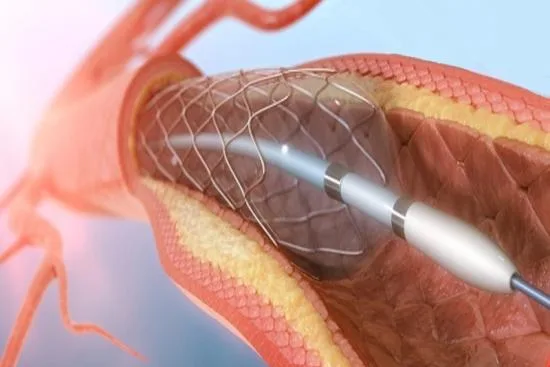
If you've been recommended for coronary bypass surgery or heart bypass surgery, you're likely wondering how major the operation really is, what risks are involved, and where to find quality, trustworthy care. In less advanced cases, a less invasive coronary angioplasty with stent placement may be an alternative, but when multiple arteries are affected, bypass surgery remains the option with the strongest long-term evidence. Turkish cardiology centers specializing in this surgery combine experienced surgical teams with modern technology to guide you through the decision and the procedure itself.

CABG costs in Turkey

Turkey has earned trust as a destination for heart surgery, including CABG, thanks to modern hospitals and surgeons with strong international credentials.

Turquie Santé works with accredited clinics (JCI, ISO certified) staffed by experienced cardiac surgeons in well-organized environments. Every patient gets individualized care from initial assessment through postoperative monitoring.

Costs for CABG surgery in Turkey vary based on your health status and surgery complexity (number of bypasses, medical history, and related factors). Partner clinics aim to balance safety, comfort, and cost-effectiveness.

Interested in learning more or having your medical file reviewed? Our team works discreetly and efficiently to answer your questions.

Risks and Side Effects

  • Inflammatory reactivity after CABG.
  • Infection.
  • Stroke.
  • Pneumonia.
Why choose Coronary Artery Bypass Grafting with Turquie Santé ?

Chirurgien icon

Expert surgeons and internationally certified hospitals

Économie icon

Substantial savings compared with European prices

Organisation icon

Medical stay organized from A to Z

Prix icon

Transparent pricing, itemised before your stay

Résultat icon

Free assistance

All about your Coronary Artery Bypass Grafting in Turkey
Overview
Benefits
Payment

Intervention or treatment's duration :

  • The operation lasts between 3 and 6 hours.

Highly qualified professionals in accredited institutions.


We assist you before, during, and after your trip


A detailed quote is presented to you before your stay. Our support is free for the patient and any fees are specified in advance.

You will pay your clinic directly using these available methods:
Transfer

Verified testimonials from our patients

Sylvie L.
Verified review

When my cardiologist told me I needed to have a coronary artery bypass graft quickly, it was a very difficult time for me and my whole family. The waiting times were too long and I didn't know what to..Read more


06/01/2026
Emily White : Medical Content Team Manager at Turquie Santécheck

Written by

Emily White

This content complies with the editorial policy of Turquie Santé. It was written by Emily White, Head of the Editorial Team, who has over 11 years of experience in scientific research and clinic management in Turkey. She ensures the reliability of medical information while making complex data accessible to everyone.

Get a free medical opinion on Coronary Artery Bypass Grafting with our 18 Recognized Clinics

Certifications :

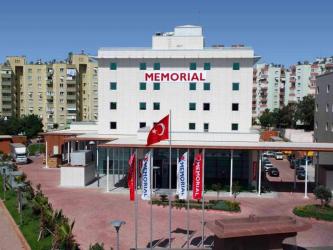
International Organization for Standardization (ISO) MEMORIAL Şişli
JCI - Joint Commission International MEMORIAL Şişli
MEMORIAL Şişli
Istanbul, Turkey
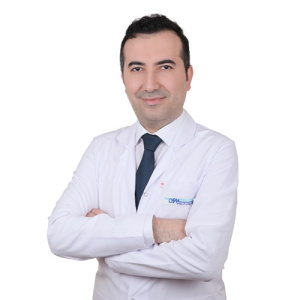
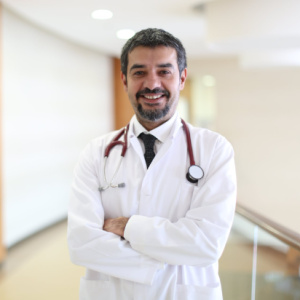
MD Ahmet ARPACI

MD Ahmet ARPACI

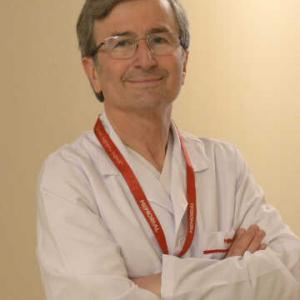
Prof. Dr. Ahmet Nevzat Nayır

Prof. Dr. Ahmet Nevzat Nayır

4.5 / 5
4.5(34 Reviews)

Certifications :

JCI - Joint Commission International LIV Vadistanbul
International Organization for Standardization (ISO) LIV Vadistanbul
LIV Vadistanbul
Istanbul, Turkey
Doç. Dr. Meki Bilici

Doç. Dr. Meki Bilici

Main Specialty : Pediatric Cardiology Years of Experience : 25 years. Notable Training : 1998 Dicle University Faculty of Medicine, 2003 Dicle University Faculty of Medicine Pediatric Health and Diseases, 2010 Ankara Fatih University Pediatric ... Read more
Spec. Dr. Akın Torun

Spec. Dr. Akın Torun

Main Specialty : Cardiology Years of Experience : 10 years. Notable Education : Kocaeli University Faculty of Medicine, Department of Cardiology Mastered Techniques : Cardiac Rehabilitation, Athletic Performance Assessment and Enhancement Notable Achievements ... Read more
4.4 / 5
4.4(11 Reviews)

Certifications :

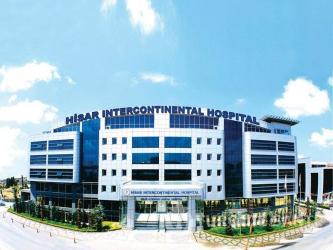
JCI - Joint Commission International HISAR INTERCONTINENTAL
International Organization for Standardization (ISO) HISAR INTERCONTINENTAL
HISAR INTERCONTINENTAL
Istanbul, Turkey
PROF. İBRAHİM HALİL TANBOĞA, M.D.

PROF. İBRAHİM HALİL TANBOĞA, M.D.

Main specialty: Interventional cardiology (coronary diseases, valvular diseases, arrhythmias, pacemakers, peripheral arterial diseases) Years of experience: Over 21 years Notable training: Medical degree from Dicle University, specialization in ... Read more
Specialist.Dr. Mehmet SAYGI

Specialist.Dr. Mehmet SAYGI

CV vérifié : Cardiology. Training: Ankara University, medical degree in 2013; Cardiology specialization at Dr. Siyami Ersek Hospital, started in 2014 and completed in 2019. Interventional cardiology experience: more than 3,500 coronary angiographies and ... Read more
4.4 / 5
4.4(221 Reviews)

Certifications :

International Organization for Standardization (ISO) LOKMAN HEKIM ISTANBUL
JCI - Joint Commission International LOKMAN HEKIM ISTANBUL
LOKMAN HEKIM ISTANBUL
Istanbul, Turkey
Dr. Servet İZCİ

Dr. Servet İZCİ

Main Specialty : Cardiology Years of Experience : 11 years. Notable Training : Fırat University Faculty of Medicine (1996-2002); cardiology residency, Istanbul Kartal Koşuyolu High Specialization Training and Research Hospital (2010-2015) Professional ... Read more
Assoc. Prof. Dr. Burak Teymen

Assoc. Prof. Dr. Burak Teymen

Main Specialty : Cardiology Years of Experience : 26 years. Notable Training : Hacettepe University Faculty of Medicine, Ankara (2000); Cardiology, Maltepe University, Istanbul (2005) Mastered Techniques : Interventional coronary procedures, treatment of ... Read more
4.7 / 5
4.7(68 Reviews)

Certifications :

International Organization for Standardization (ISO) LIV Ulus
JCI - Joint Commission International LIV Ulus
LIV Ulus
Istanbul, Turkey
Assoc. Prof. Dr. Ali Baran Budak

Assoc. Prof. Dr. Ali Baran Budak

Main Specialty : Peripheral Vascular Surgery Years of Experience : 16 years. Notable Education : Hacettepe University Faculty of Medicine / Undergraduate / 1994-2000, Hacettepe University / Faculty of Medicine / M.Sc. / 2000, Turkey Yüksek İhtisas ... Read more
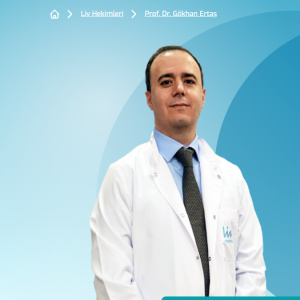
Prof. Dr. Gökhan Ertaş

Prof. Dr. Gökhan Ertaş

Main Specialty : Cardiology Years of Experience : 16 years. Notable Training : MD, Istanbul University Faculty of Medicine; cardiology specialization, Kocaeli University Faculty of Medicine (2005-2010); Professor of Cardiology (since 2020); research ... Read more
4.7 / 5
4.7(1 Reviews)
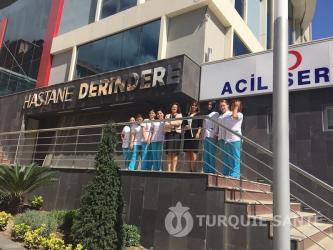
DERINDERE
Istanbul, Turkey
4.0 / 5
4.0(2 Reviews)

Certifications :

International Organization for Standardization (ISO) HIZMET By Memorial
JCI - Joint Commission International HIZMET By Memorial
HIZMET By Memorial
Istanbul, Turkey
4.0 / 5
4.0(2 Reviews)

Certifications :

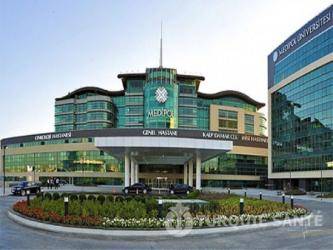
JCI - Joint Commission International MEDIPOL UNIVERSITY HOSPITAL
4.0 / 5
4.0(1 Reviews)

Certifications :

JCI - Joint Commission International MEMORIAL ANKARA
International Organization for Standardization (ISO) MEMORIAL ANKARA
MEMORIAL ANKARA
Ankara, Turkey
Prof. Dr. Ferit AVCU

Prof. Dr. Ferit AVCU

Uzm. Dr. Ömer Aşkın DÖĞERLİOĞLU

Uzm. Dr. Ömer Aşkın DÖĞERLİOĞLU

4.3 / 5
4.3(2 Reviews)

Certifications :

Leed Platinium Certificate MEMORIAL Bahçelievler
International Organization for Standardization (ISO) MEMORIAL Bahçelievler
JCI - Joint Commission International MEMORIAL Bahçelievler
MEMORIAL Bahçelievler
Istanbul, Turkey
Prof. Ediz ALTINLI

Prof. Ediz ALTINLI

Prof. Dr. Mustafa Tonguç İşken

Prof. Dr. Mustafa Tonguç İşken

4.3 / 5
4.3(23 Reviews)

Certifications :

International Organization for Standardization (ISO) ACIBADEM
JCI - Joint Commission International ACIBADEM
ACIBADEM
Istanbul, Turkey
Dr.Ender Semiz

Dr.Ender Semiz

Main specialty : Interventional cardiology Years of experience : Over 30 years Notable training : Graduated from Ege Faculty of Medicine (1983),Specialization in internal medicine at Akdeniz University (1991),Specialization in cardiology at Akdeniz ... Read more
4.6 / 5
4.6(183 Reviews)

Certifications :

JCI - Joint Commission International Medistate Hospital
International Organization for Standardization (ISO) Medistate Hospital
Medistate Hospital
Istanbul, Turkey

Certifications :

International Organization for Standardization (ISO) MEMORIAL Ataşehir
JCI - Joint Commission International MEMORIAL Ataşehir
National Committee for Quality Assurance (NCQA) MEMORIAL Ataşehir
MEMORIAL Ataşehir
Istanbul, Turkey
Prof. Başak KARBEK BAYRAKTAR

Prof. Başak KARBEK BAYRAKTAR

Assoc. Prof. Vahit MUTLU

Assoc. Prof. Vahit MUTLU

4.4 / 5
4.4(9 Reviews)

Certifications :

JCI - Joint Commission International Florence Nightingale
Florence Nightingale
Istanbul, Turkey
Dr.Çavlan Çiftçi

Dr.Çavlan Çiftçi

Main specialty: Cardiology (interventional cardiology, emergency cardiovascular care)Years of experience: Over 30 yearsNotable training: Graduate of the Cerrahpaşa Faculty of Medicine, Istanbul University (1990); specialization in cardiology, Istanbul ... Read more
4.7 / 5
4.7(13 Reviews)

Certifications :

JCI - Joint Commission International AMERICAN HOSPITAL
International Organization for Standardization (ISO) AMERICAN HOSPITAL
AMERICAN HOSPITAL
Istanbul, Turkey
Dr. Aylin Pelin Çil

Dr. Aylin Pelin Çil

Dr.Aylin Şimşek

Dr.Aylin Şimşek

4.7 / 5
4.7(5 Reviews)

Certifications :

International Organization for Standardization (ISO) MEMORIAL Antalya
JCI - Joint Commission International MEMORIAL Antalya
MEMORIAL Antalya
Antalya, Turkey
Prof. Dr. Akın YILDIZ

Prof. Dr. Akın YILDIZ

OBEN DUMAN

OBEN DUMAN

4.7 / 5
4.7(1 Reviews)

Certifications :

JCI - Joint Commission International MEDICAL PARK PENDIK
MEDICAL PARK PENDIK
Istanbul, Turkey
4.7 / 5
4.7(1 Reviews)

Certifications :

International Organization for Standardization (ISO) LOKMAN HEKIM Üniversitesi
LOKMAN HEKIM Üniversitesi
Ankara, Turkey
Prof. Dr. Veysel Ozan TANIK

Prof. Dr. Veysel Ozan TANIK

Main Specialty : Cardiology Years of Experience : 10 years. Notable Training : Istanbul University Faculty of Medicine (2005-2011); cardiology residency, Dr. Siyami Ersek Thoracic and Cardiovascular Surgery Training and Research Hospital ... Read more
4.7 / 5
4.7(1 Reviews)

You have consulted 7 / 18 Hospitals

You don't pay for our services

We provide free consulting assistance in the framework of partnership agreements with clinics.
You only pay in the hospital where you received care.

Ready to take the first step ?

Understanding coronary artery bypass surgery

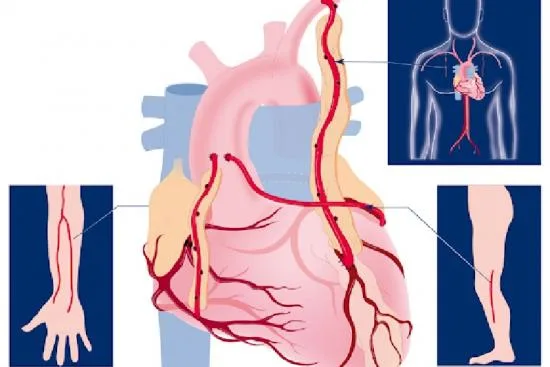
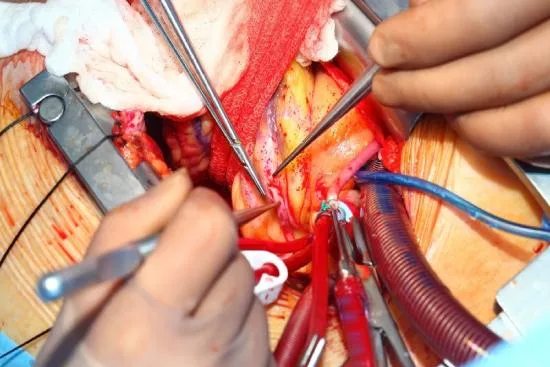
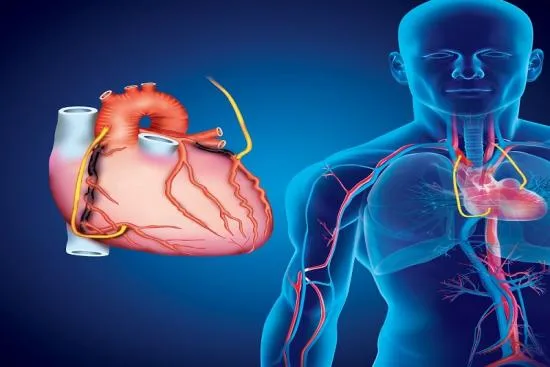
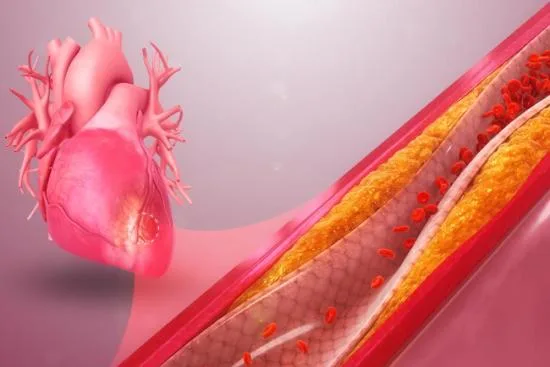
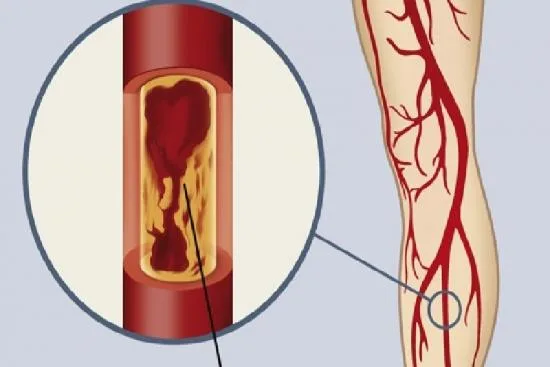
Your coronary arteries carry oxygen to the heart muscle. When they narrow or close, a heart attack becomes much more likely. Coronary artery bypass grafting, or CABG, solves this by rerouting blood around the blocked areas. The surgeon takes a healthy vessel from your leg (usually the saphenous vein) or chest (the mammary artery) and creates a new pathway for blood to reach your heart.

This procedure is typically recommended for patients with:

  • Multiple narrowed or blocked arteries affecting the heart's blood supply.
  • A previous heart attack with severe vessel damage.
  • Chest pain that doesn't improve with medications.
  • High surgical risk, especially those with diabetes or existing heart failure.

The goal is straightforward: improve oxygen flow to your heart, reduce angina symptoms, and lower your risk of future heart attacks. This is a crucial heart attack treatment.

Has your doctor mentioned bypass surgery? You can always request a second opinion or get a tailored quote from the clinics that partner with Turquie Santé. A second perspective can provide real peace of mind.

Different approaches to bypass surgery in Turkey

Bypass surgery isn't performed the same way for every patient. Your surgeon chooses a technique based on your overall health, how many arteries need bypassing, and your individual risk profile.

Traditional bypass with heart-lung machine

This is the classic method, still widely used today. Your heart is cooled and stopped temporarily while a machine takes over pumping and oxygenating your blood. This allows the surgeon to operate on a still, clearly visible heart, which can be advantageous for complex cases.

Beating heart bypass (off-pump)

Here's the modern alternative. Surgery happens while your heart keeps beating, with a special device stabilizing just the area being worked on. This avoids the inflammation risks and potential brain complications that can come with the traditional machine approach.

This technique suits:

  • Older or frail patients
  • Those with elevated stroke or kidney damage risk
  • Simpler cases needing one or two bypasses

Minimally invasive bypass

Instead of opening your entire breastbone, the surgeon uses small incisions to reach your heart. It's often chosen for single bypasses, particularly to the LAD artery on the front of the heart. Benefits include less postoperative pain, smaller scars, and quicker recovery compared to open surgery.

Robotic-assisted bypass

This cutting-edge option uses robotic systems like the Da Vinci, allowing surgeons to operate through tiny incisions with exceptional precision. It's still relatively new and reserved for carefully selected candidates.

Your bypass surgery journey in Turkey

Thinking about CABG surgery in Turkey? Here's what to expect from start to finish.

Getting organized from home

Everything starts remotely. You'll speak with a medical advisor who walks you through the whole process. Share your recent test results (ECG, angiography reports, etc.) so the partner cardiologists can review your case and prepare properly. They'll handle your travel dates, airport transfers, and accommodation so you can focus on your health.

Arriving and getting ready

Once in Turkey, you'll meet the surgical team: your cardiac surgeon, cardiologist, anesthesiologist, and specialized nurses. A thorough workup follows, including blood tests, ultrasound, and possibly CT or MRI. Your anesthesiologist will also meet with you to discuss the procedure. This step confirms everything is safe and feasible.

The surgery itself

CABG takes place under general anesthesia and typically lasts three to six hours in a fully equipped operating room. Afterward, you'll spend 24 to 48 hours in intensive care where your condition is monitored closely. The team pays careful attention to your comfort and early recovery.

Hospital stay and recovery

You'll remain hospitalized for five to seven days, depending on how you progress. You'll receive pain management, breathing exercises, and gentle movement with help from physiotherapists. Everything is designed to prevent complications and support smooth healing.

After you leave the hospital

Many patients opt for a recovery stay at a medical hotel or clinic, where nurses and doctors continue monitoring you. You'll get a detailed medical report and clear guidance on diet, medications, and activity for the coming weeks. If you need ongoing care, the clinics can arrange follow-up with specialists. Most people return to normal activities within six to eight weeks, with significant symptom improvement.

Recovery and follow-up after bypass surgery

Once discharged, you can stay at a medical hotel or clinic depending on what suits you best. Our nurses and doctors continue personalized monitoring during this important healing phase after CABG.

Before you leave, you'll receive a comprehensive medical report and practical recommendations for the weeks ahead about what to eat, which medications to take, and how much activity is safe. The clinics have systems in place to keep you connected with specialists if you need ongoing support.

Most patients get back to their regular routine within six to eight weeks, noticing real improvements in how they feel and what they can do.

Want more details about your treatment in Turkey? Reach out for a personalized quote or a free second opinion with no obligation. Turquie Santé is here to support you from start to finish.

Understanding bypass surgery risks

Like any surgery, CABG carries some risks, though serious complications are uncommon in well-run medical centers. Possible issues include:

  • Bleeding or infection after surgery.
  • Irregular heartbeat, a condition that often resolves on its own.
  • Heart attack during or soon after the procedure.
  • Stroke or nerve injury, which are quite rare.
  • Heart rhythm problems or fluid buildup around the lungs.
  • Minor side effects like wound discomfort, reduced appetite, low fever, and tiredness.

The good news: Turkish medical teams know these complications well and follow strict protocols to minimize them. Close monitoring throughout recovery makes a real difference.

What cardiac rehabilitation actually accomplishes

Bypass surgery (CABG) is crucial for heart health, but it's just the beginning. Cardiac rehabilitation comes next, a guided program that gradually rebuilds your heart strength, prevents new problems, and helps you regain confidence in your body.

The program focuses on:

  • Strengthening how your heart works.
  • Building your ability to exercise without symptoms.
  • Controlling blood pressure, diabetes, and other risk factors better.
  • Developing healthier habits you can stick with long-term.

It's an approach that addresses both body and mind at once.

How cardiac rehabilitation works in Turkey

Rehabilitation unfolds in three distinct stages:

Phase one: Right after surgery

This starts while you're still hospitalized. The goal is gentle movement. You'll learn to walk short distances and do breathing exercises, always with close supervision to avoid blood clots or infection.

Phase two: Supervised rehabilitation

Three to six weeks after leaving the hospital, you'll typically go to a rehabilitation facility for daily or residential programs. You'll do tailored exercise on stationary bikes and mats, meet with nutritionists, and attend workshops on quitting smoking, managing stress, and eating well. Many programs include psychological support too, helping you adjust to this next chapter.

Phase three: Back at home

You manage your own exercise routine at home while staying connected to your cardiologist. You'll gradually build back into daily activities while maintaining the fitness habits you've started. The aim is keeping the gains you've made and staying healthy long-term.

Recovery timelines after CABG vary person to person. Light activity often feels manageable four to six weeks post-surgery. Work, especially non-physical jobs, is usually possible after six to eight weeks. Sexual activity can typically resume six to eight weeks after coronary artery bypass surgery, depending on how you feel and sternum healing. Full independence often comes around the three-month mark.

Research shows patients who follow rehabilitation carefully cut their risk of another heart attack by 30 percent. They get back to active living faster and live longer, healthier lives overall.

Getting personalized advice

This article is informational only and doesn't replace medical consultation or a personal diagnosis. Only a qualified healthcare provider can truly assess your situation and recommend what's right for you.

Looking for more specific information about your case or want input from a cardiologist or cardiac surgeon? Turquie Santé can connect you with partner hospitals in Turkey.

Turquie Santé offers a free teleconsultation to get an initial assessment or arrange a medical visit with full support and confidence.

Related medical articles
Prof. Dr. Necmettin ÇOLAKcheck

Reviewed by Prof. Dr. Necmettin ÇOLAK

An eminent Professor of cardiovascular surgery, Dr. Necmettin Çolak leads cutting-edge cardiac interventions in Ankara. Specialized in vascular pathologies and open-heart surgeries, he ensures our heart health articles reflect the latest clinical guidelines. His validation provides peace of mind for our readers.

Coronary Artery Bypass Grafting FAQ

How should I prepare for coronary artery bypass surgery (CABG)?

To prepare properly for coronary artery bypass surgery, you should:

  • Fast (no food or drink) before the procedure
  • Avoid shaving the areas where incisions will be made; hair removal increases the risk of skin trauma and infection
  • Wash with an antiseptic soap
When can I resume sexual activity after a bypass?

Sexual activity may generally be resumed 6 to 8 weeks after coronary artery bypass surgery, though the timing depends on your overall recovery, sternum healing, and medical approval from your cardiologist.

Is advanced age a risk factor for coronary artery bypass surgery (CABG)?
Yes. Advanced age is an independent risk factor for coronary artery bypass surgery (CABG). Older patients, especially those over 80, have a higher risk of complications such as stroke, kidney injury, delirium, infection and a longer recovery, as well as higher operative mortality than younger patients. However, surgery can still be feasible and beneficial for carefully selected older patients, and the outcome depends more on overall health than on age alone: heart function, frailty, kidney and lung disease, diabetes and the urgency of the operation all matter. The decision is made by a multidisciplinary heart team (cardiologist, cardiac surgeon and anaesthetist) after a thorough evaluation using risk scores, and alternatives such as stenting or medical treatment are discussed.
Can I undergo coronary artery bypass surgery if I recently had a heart attack?

Yes, bypass surgery is often possible after a heart attack, but the timing must be carefully assessed by the cardiologist and surgeon depending on the severity of the infarction and your general condition.

Procedures available for this specialty

Share this page

Our assistants help you to get the best options in Coronary Artery Bypass Grafting