

Turquie Santé
Last update : 10/11/2026

UroLift treatment for benign prostatic hyperplasia in Turkey: indications, procedure and cost

Access internationally recognized healthcare with substantial savings compared with European prices.

Free Medical Opinion
Treatment of Benign Prostatic Hyperplasia (BPH) with UroLift Turkey
794+
patient reviews
across all procedures

UroLift (prostatic urethral lift) is a minimally invasive technique that treats benign prostatic enlargement by placing small permanent implants that hold the prostate tissue apart without removing it. It is mainly suited to prostates of moderate volume without an obstructive median lobe, and eligibility is confirmed by a urologist. In Turkey, the indicative cost ranges from $1,600 to $5,300, subject to a personalized quote.

Getting up several times a night, a weak or hesitant urinary stream, the feeling that the bladder is not fully empty: these symptoms, common with benign prostatic enlargement, eventually affect sleep and daily life. When medication is no longer enough or is poorly tolerated, many men are mainly concerned about surgery that alters ejaculation.

UroLift is a minimally invasive alternative. It relies on placing small permanent devices that keep the prostate tissue pulled back to free the urethra, with no resection or thermal ablation of tissue.

This technique depends on anatomy and does not suit every profile, particularly when a median lobe is present. Turquie Santé arranges the review of your tests by partner urologists to confirm your eligibility precisely.

How much does a UroLift procedure cost in Turkey?

The cost of UroLift treatment in Turkey depends on the patient's medical file and the services included in the package offered. As a guide, it can range from $1,600 to $5,300, subject to confirmation by a personalized quote.

Depending on the facility and the patient's needs, the package may include consultations, basic preoperative tests, the procedure, a short hospital stay and VIP transfers.

What factors influence the price of UroLift?

  • The number of implants needed.
  • The complexity of the procedure and the type of anesthesia.
  • The preoperative assessment, in particular additional tests or a possible cystoscopy.
  • The facility chosen and the length of the hospital stay.
  • Follow-up services after the procedure.

A detailed quote lists exactly which services are included.

Why choose Treatment of Benign Prostatic Hyperplasia (BPH) with UroLift with Turquie Santé ?

Chirurgien icon

Accredited surgeons and hospitals (JCI, ISO)

Économie icon

Indicative prices, often lower than in Western Europe depending on the case

Organisation icon

Medical stay organized from A to Z

Prix icon

Detailed quote (included / not included) before your stay

Résultat icon

Free review of your file

All about your Treatment of Benign Prostatic Hyperplasia (BPH) with UroLift in Turkey
Benefits
Payment

Highly qualified professionals in accredited institutions.


We assist you before, during, and after your trip


A detailed quote is presented to you before your stay. Our support is free for the patient and any fees are specified in advance.

You will pay your clinic directly using these available methods:
Transfer
Emily White : Medical Content Team Manager at Turquie Santécheck

Written by

Emily White

This content complies with the editorial policy of Turquie Santé. It was written by Emily White, Head of the Editorial Team, who has over 11 years of experience in scientific research and clinic management in Turkey. She ensures the reliability of medical information while making complex data accessible to everyone.

How it works ?

2
Services
We look for the best option for your case & budget
3
Hospital
Evaluating a care plan with the best quote
4
airplane
Making appointments & Organization of your trip
5
Health care
Ongoing support until you return home

Get a free medical opinion on Treatment of Benign Prostatic Hyperplasia (BPH) with UroLift with our recognized clinics

Certifications :

International Organization for Standardization (ISO) MEMORIAL Şişli
JCI - Joint Commission International MEMORIAL Şişli
MEMORIAL Şişli
Istanbul, Turkey
Doç. Dr. Fatih YANARAL

Doç. Dr. Fatih YANARAL

Main specialty : Urology Years of experience : 18 years. Notable training : Degree from the Faculty of Medicine at Istanbul University in 2005, residency in Urology at Haydarpaşa Teaching and Research Hospital in 2010. Mastered techniques : Kidney stone ... Read more
4.5 / 5
4.5(34 Reviews)

Certifications :

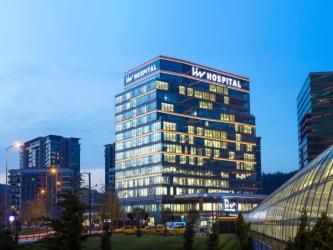
International Organization for Standardization (ISO) LIV Vadistanbul
JCI - Joint Commission International LIV Vadistanbul
LIV Vadistanbul
Istanbul, Turkey
Prof. Dr. Yusuf Oğuz Acar

Prof. Dr. Yusuf Oğuz Acar

37 years of experience
Main specialty : Urology Years of experience : 37 years. Notable training : Specialization at SB Beyoğlu Hospital/Urological Clinics of Frankfurt University, Laparoscopy training at the Faculty of Medicine of the University of Basel, Istanbul University, ... Read more
Op. Dr. Kenan Yiğit Yıldız

Op. Dr. Kenan Yiğit Yıldız

7 years of experience
Main Specialty : Urology Years of Experience : 7 years. Notable Training : Ankara Türkiye Yüksek İhtisas Training and Research Hospital, Urology Clinic (specialty) (2019); Eskişehir Osmangazi University Faculty of Medicine (2012) Mastered Techniques : ... Read more
4.4 / 5
4.4(11 Reviews)

Certifications :

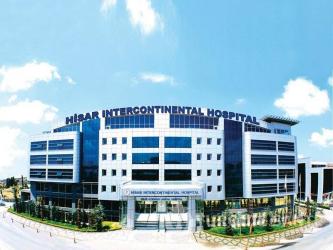
International Organization for Standardization (ISO) HISAR INTERCONTINENTAL
JCI - Joint Commission International HISAR INTERCONTINENTAL
HISAR INTERCONTINENTAL
Istanbul, Turkey
Assoc. Prof. Dr. CENK ACAR

Assoc. Prof. Dr. CENK ACAR

20 years of experience
Main Specialty : Urology Years of Experience : 20 years. Notable Training : Doctorate in Medicine from Ankara University, Urology residency at Gazi University, Associate Professor title at Acıbadem University. Mastered Techniques : Robotic and laparoscopic ... Read more
Assoc. Prof.Basri cakiroglu

Assoc. Prof.Basri cakiroglu

31 years of experience
Graduated from May 19 University in 1994. Completed residency at Taksim Teaching and Research Hospital in 2002. Specialist in endourology, pediatric urology, uroncology, andrology and infertility. Experience in several healthcare facilities, ... Read more
4.4 / 5
4.4(222 Reviews)

Certifications :

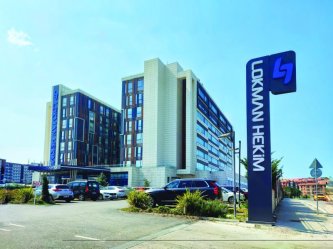
International Organization for Standardization (ISO) LOKMAN HEKIM ISTANBUL
JCI - Joint Commission International LOKMAN HEKIM ISTANBUL
LOKMAN HEKIM ISTANBUL
Istanbul, Turkey
Prof. Dr. Hasan Cem IRKILATA

Prof. Dr. Hasan Cem IRKILATA

31 years of experience
Main Specialty : UrologyYears of Experience : 31 years.Notable Trainings : GATA - Gülhane Military Medical Academy Faculty of Medicine (1988 – 1995),Urology Specialization at GATA - Gülhane Military Medical Academy (1998 – 2002),Associate Professor at ... Read more
Assoc. Prof. Dr. Bahri GÖK

Assoc. Prof. Dr. Bahri GÖK

19 years of experience
Main Specialty : Urology Years of Experience : 19 years. Notable Trainings : Selçuk University, Faculty of Medicine (2001-2007),Ankara Atatürk Training and Research Hospital, Urology (2008-2013),Ankara Yıldırım Beyazıt University, Urology ... Read more
4.7 / 5
4.7(69 Reviews)

Certifications :

International Organization for Standardization (ISO) LIV Ulus
JCI - Joint Commission International LIV Ulus
LIV Ulus
Istanbul, Turkey
Prof. Dr. Uğur Boylu

Prof. Dr. Uğur Boylu

21 years of experience
Main specialty : Urology Years of experience : 21 years. Notable training : Istanbul University Istanbul Faculty of Medicine (1995-2001),Şişli Etfal Training and Research Hospital (2001-2005),Tulane University School of Medicine (2008-2010) Mastered ... Read more
Prof. Dr. Orhan Tanrıverdi

Prof. Dr. Orhan Tanrıverdi

32 years of experience
Main specialty : Urology Years of experience : 32 years. Notable training : MD at Ankara University Medical Faculty (1987-1993),Fellowship in Robotic Surgery at OLV Hospital Aalst, Belgium (2013),Strasbourg-IRCAD Advanced Laparoscopic Urology Course (2008). ... Read more
4.7 / 5
4.7(1 Reviews)
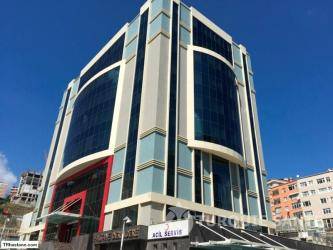
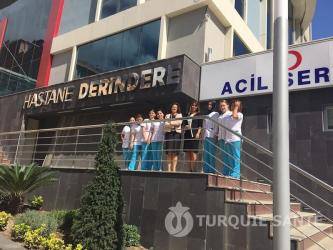
DERINDERE
Istanbul, Turkey
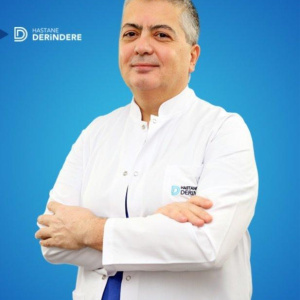
OP. DR. MEHMET YAVUZ ÇIRPICI

OP. DR. MEHMET YAVUZ ÇIRPICI

37 years of experience
4.0 / 5
4.0(2 Reviews)

Certifications :

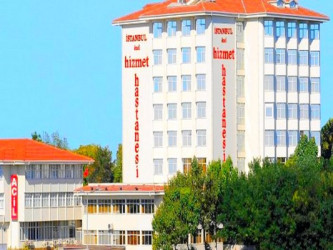
JCI - Joint Commission International HIZMET By Memorial
International Organization for Standardization (ISO) HIZMET By Memorial
HIZMET By Memorial
Istanbul, Turkey
Dr. Gülsüm ÇEBİ

Dr. Gülsüm ÇEBİ

Doç. Dr. Arzu Yurci

Doç. Dr. Arzu Yurci

4.0 / 5
4.0(2 Reviews)

You have consulted 7 / 31 Hospitals

🩺 Medical note — The content of this page is provided for information purposes and in accordance with our medical charter. It does not constitute medical advice and does not replace a consultation with a healthcare professional. Prices are indicative and will be specified in a personalized quote after reviewing your file. Any treatment must be assessed and approved by a qualified doctor.

When does benign prostatic enlargement call for treatment?

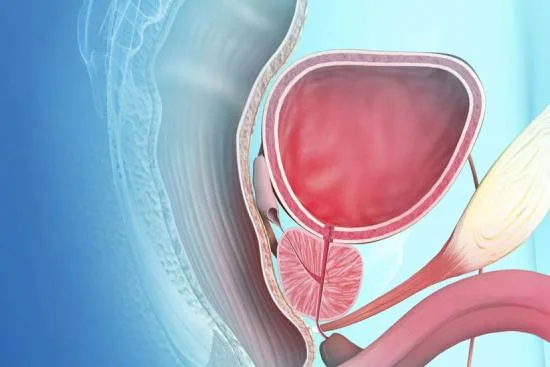
Benign prostatic enlargement, or benign prostatic hyperplasia (BPH), is a non-cancerous increase in the size of the prostate. By compressing the urethra, it can obstruct the flow of urine. European guidelines speak more broadly of lower urinary tract symptoms (LUTS),of which prostatic obstruction is only one possible cause.

Signs that should prompt a consultation:

  • Weak, interrupted or slow-starting urinary stream.
  • Frequent or urgent need to urinate.
  • Repeated waking at night to urinate (nocturia).
  • Feeling that the bladder does not empty completely.
  • Urinary infections, urinary retention or blood in the urine (report promptly).

Treatment is discussed when symptoms become bothersome or when medication is insufficient, poorly tolerated or declined. The choice of treatment then rests on a shared medical decision between the patient and the urologist.

What is UroLift treatment?

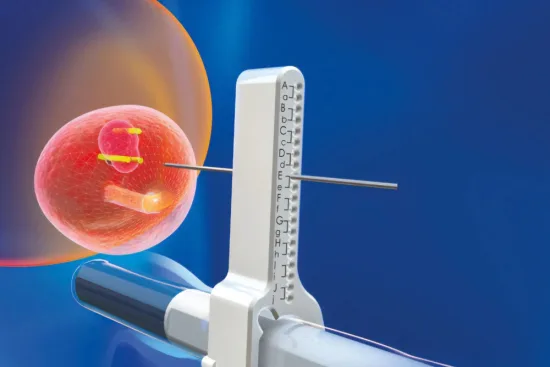
UroLift is a minimally invasive technique that relieves symptoms linked to benign prostatic hyperplasia. Small permanent implants hold the prostatic lobes apart to clear the urethra. Its medical name is prostatic urethral lift (PUL).

How the implants work: the urologist inserts a thin instrument through the urethra, with no incision. An implant is fixed on each side of the prostate. It keeps the lobe away from the urethra, a bit like tying back a curtain to free the passage. About four implants are placed on average, the exact number depending on the anatomy. No tissue is cut, heated or removed.

Who can benefit from UroLift?

Eligibility is decided case by case. Scientific societies do not set exactly the same limits, which is why several levels of criteria are distinguished.

The criteria that matter

  • Prostate volume: The American Urological Association (AUA) uses a range of 30 to 80 grams, while European guidelines refer to volumes below 70 milliliters. The UK's NICE and the device label sometimes widen the scope, up to 100 milliliters.
  • Median lobe: The main guidelines (AUA, EAU) reserve UroLift for prostates without an obstructive median lobe, although recent data suggest new possibilities in this area.
  • Symptom severity and expectations: The impact on quality of life, the results of the urological assessment and the explicit wish to preserve ejaculatory function weigh heavily in the decision.
  • Overall medical profile: The patient's age, medical history and current treatments are always taken into account.

When UroLift is less suitable

According to the device label, the technique is not indicated in cases of active urinary infection, a prostate larger than 100 mL, certain urethral abnormalities that prevent the instrument from passing, or incontinence linked to a faulty sphincter. In addition, any risk of prostate cancer must be ruled out or managed separately. As these criteria evolve with clinical progress, the urologist alone decides whether the procedure is indicated.

Which tests are needed before the procedure?

The assessment is adapted to each patient. It may include:

  • Clinical evaluation: A detailed interview, calculation of the symptom score (IPSS) and assessment of sexual function.
  • Physical examination: Digital rectal examination.
  • Blood tests: PSA measurement, interpreted according to the clinical context and age.
  • Urine analysis: A urine culture (ECBU) to rule out or treat an active infection.
  • Imaging: A pelvic or prostatic ultrasound to measure the volume of the gland precisely and assess the post-void residual.
  • Functional testing: Uroflowmetry to measure the strength and flow rate of the urinary stream.
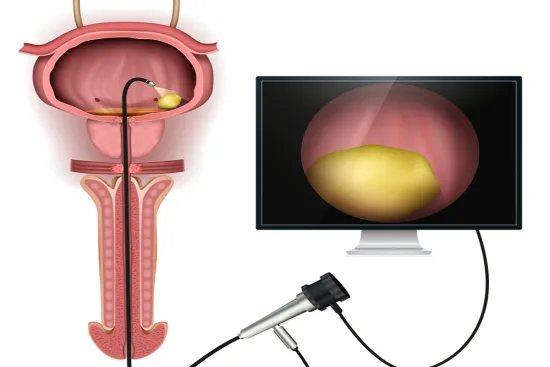
  • Endoscopy: A cystoscopy, particularly useful to inspect the anatomy of the urethra and check that there is no obstructive median lobe when this is needed to confirm the indication.

Not all of these tests are necessary for every patient. Which ones are prescribed depends on the individual evaluation by the urologist.

How is a UroLift procedure carried out in Turkey?

The procedure is most often performed on an outpatient basis, under local or general anesthesia depending on the medical team's protocols and the patient's profile. After a careful endoscopic check of the bladder and the prostatic anatomy, the implants are positioned one by one. The exact duration of the procedure varies with the number of implants needed and the anatomical complexity.

Depending on the individual case, a urinary catheter may be placed temporarily for a few hours or removed before departure. Discharge from the clinic generally takes place the same day, once spontaneous and satisfactory urination is confirmed.

Advantages and limits of UroLift

Choosing UroLift means weighing its comfort advantages against limits in effectiveness compared with the reference surgeries. A critical look helps check whether the expected benefits match your urological profile.

Possible advantages

  • Anatomical preservation: no resection, cutting or thermal destruction of prostate tissue.
  • Sexual function: a markedly lower risk of ejaculation disorders compared with traditional surgeries, although no absolute guarantee can be given.
  • Comfort of care: a minimally invasive procedure, most often performed on an outpatient basis.
  • Recovery: a return to daily activities that is generally quick.

Limits to consider

  • Symptom improvement is on average less marked than with TURP or HoLEP, according to the analysis by the health authorities (NICE).
  • Effectiveness depends closely on the volume and anatomy of the prostate.
  • Risk of persistent symptoms or of a possible need for retreatment in the longer term.
  • Preserving ejaculation does not mean guaranteeing all sexual functions.

What are the risks and side effects of UroLift treatment?

The most frequent side effects after UroLift are generally mild to moderate and temporary. They include burning or pain when urinating, blood in the urine, frequent or urgent need to urinate, and pelvic pain. These symptoms usually go away within two to four weeks.

More rarely, the procedure can cause a urinary infection or urinary retention requiring the temporary placement of a catheter. Complications linked to the implants, such as their displacement or the formation of calcified deposits around them, have also been reported.

Urinary symptoms may sometimes persist or come back over time, which may call for additional treatment or a new procedure.

UroLift implants are permanent. They are, however, MRI-compatible under certain conditions, so it is important to inform the radiologist and other health professionals of their presence, particularly before an imaging test or a later procedure.

When to seek care? Contact your medical team promptly in case of fever, heavy bleeding, inability to urinate or severe pain.

Recovery and follow-up after UroLift treatment

Recovery after UroLift is generally quick, but its length varies from patient to patient. In the L.I.F.T. clinical trial, a return to the usual level of physical activity was observed after 8.6 days on average. Irritative urinary symptoms, such as burning or frequent need to urinate, may nevertheless persist for a few days to a few weeks. Drinking enough fluids and avoiding intense exertion are recommended, following the medical team's instructions.

Urological follow-up then assesses how symptoms evolve and how well the treatment works. Depending on needs, it may include an evaluation of urinary flow (uroflowmetry) and of the post-void residual. The schedule of consultations and tests is set by the urologist.

If you have the procedure in Turkey before returning to your home country, ask for an operative report that states, among other things, the type and number of implants placed. Keep this document to make your later medical follow-up easier.

What results and how durable?

UroLift aims to relieve the urinary symptoms linked to benign prostatic enlargement over the long term while preserving ejaculation. Symptom improvement is generally less marked than with TURP or HoLEP, according to the analysis by the health authorities (NICE).

Results depend closely on the volume and anatomy of the prostate, which is why rigorous patient selection by the urologist matters. Because the implants are permanent, symptoms may sometimes persist or come back over time, which may call for additional treatment or a new procedure.

To judge the durability to expect in your case, ask the urologist for the long-term clinical data that match your profile, and plan regular follow-up after the procedure.

UroLift or other treatments for benign prostatic enlargement: what are the differences?

Several treatments can relieve the symptoms linked to benign prostatic hyperplasia (BPH). They differ in how they work, their effectiveness, their impact on sexual function and their conditions of use.

TreatmentPrincipleStrengthsLimits
MedicationRelaxes the prostatic muscles or gradually reduces the volume of the prostate, depending on the molecule.No surgery; often offered as first-line treatment.Sometimes long-term treatment; variable effectiveness and possible side effects, including sexual or cardiovascular ones depending on the class.
TURP (transurethral resection)Removal of part of the obstructive prostate tissue through the urethra.Substantial and lasting symptom improvement; well-established technique.Frequent retrograde ejaculation; surgical risks and postoperative recovery to take into account.
Laser (HoLEP, vaporization)Enucleation or vaporization of prostate tissue using a laser.Effective techniques; HoLEP can be used for large prostates.Frequent ejaculation disorders after HoLEP; results and side effects vary with the technique.
UroLiftPermanent implants that hold the prostatic lobes apart to clear the urinary channel, without removing tissue.Generally better preservation of ejaculation; recovery often quick.Symptom improvement generally smaller than after TURP; risk of retreatment; indications depend on the volume and anatomy of the prostate.
RezumInjection of water vapor into the prostate tissue to cause its gradual reduction.Generally favorable preservation of sexual function; minimally invasive procedure.Gradual improvement, sometimes with temporary urinary symptoms; a catheter is sometimes needed after the procedure.
AquablationRemoval of prostate tissue by a water jet guided by imaging and robotic assistance.Substantial symptom improvement; ejaculation may be preserved in some patients.Procedure requiring anesthesia; risk of bleeding; availability varies between facilities.

No single technique is ideal for every patient. The choice depends in particular on the volume and anatomy of the prostate, the severity of symptoms, overall health, expectations regarding sexual function and the patient's preferences. The experience of the urology team and the expected long-term results must also be taken into account.

Support from Turquie Santé

Turquie Santé does not make diagnoses and does not decide whether surgery is indicated: that decision rests with the urologist. The platform can help you organize your care pathway:

  • Review of your medical file and referral to a partner urologist for an opinion.
  • Connection with specialized medical teams and partner facilities.
  • Coordination of the tests and the procedure.
  • Translation of medical documents and an interpreter during your stay.
  • Organization of transfers and accommodation, with support on site.
  • Coordination of follow-up after you return home.

Treatment of Benign Prostatic Hyperplasia (BPH) with UroLift FAQ

Does UroLift preserve ejaculation?

UroLift neither removes nor destroys prostate tissue, which explains a markedly lower risk of ejaculation disorders than with resection surgery or laser. No absolute guarantee can be given, however: preserving ejaculation does not mean preserving all sexual functions. Your urologist discusses this with you before the procedure.

Does the UroLift procedure require a hospital stay?

The procedure is most often performed on an outpatient basis, under local or general anesthesia depending on the team's protocol and your profile. A urinary catheter may be placed for a few hours. Discharge generally takes place the same day, once spontaneous and satisfactory urination is confirmed.

Who cannot benefit from UroLift?

According to the device label, UroLift is not indicated in cases of active urinary infection, a prostate larger than 100 mL, certain urethral abnormalities or incontinence linked to a faulty sphincter. The main guidelines (AUA, EAU) reserve it for prostates without an obstructive median lobe. Any risk of prostate cancer must be ruled out. The urologist confirms the indication.

How much does UroLift cost in Turkey and what does the package include?

As a guide, UroLift costs between $1,600 and $5,300 in Turkey, subject to a personalized quote. Depending on the facility, the package may include consultations, basic preoperative tests, the procedure, a short hospital stay and VIP transfers. A detailed quote lists the services included.

Other procedures in this specialty

Share this page

Our assistants help you to get the best options in Treatment of Benign Prostatic Hyperplasia (BPH) with UroLift