

Turquie Santé
Last update : 05/11/2026

Multiple Sclerosis Treatment in Turkey | Diagnosis & Care

Access care from specialist doctors in Turkey.

Free Medical Opinion
Multiple sclerosis treatment Turkey
795+
patient reviews
across all procedures

Multiple sclerosis (MS) care in Turkey covers diagnosis with a neurological examination and MRI, disease-modifying therapy and neurological rehabilitation at partner hospitals. The initial diagnostic assessment typically costs $1,800 to $3,700, and a treatment package starts from about $3,500.

Turquie Santé has a neurologist review your file, sends you a detailed quote, and organizes airport pickup, transfers, an interpreter and assistance 7 days a week.

The first criterion when choosing: a neurologist who confirms the diagnosis with the McDonald criteria and chooses the treatment according to the type of MS and disease activity. There is no cure for MS: treatment aims to reduce relapses and new lesions and to ease symptoms.

Risks and Side Effects

  • Interferons: flu-like symptoms, injection-site reactions, liver or blood test changes.
  • Fingolimod and similar oral drugs: slow heart rate at the start, infections, macular edema.
  • Natalizumab: risk of progressive multifocal leukoencephalopathy (PML),a rare but serious brain infection; blood tests and monitoring are required.
  • Alemtuzumab: autoimmune disorders (for example thyroid disease) and infusion reactions, with long-term monitoring.
  • Ocrelizumab and other monoclonal antibodies: infusion reactions and an increased risk of infections.
  • Stopping some treatments (natalizumab, fingolimod) can be followed by a rebound of disease activity. Never stop or change a treatment on your own: your neurologist decides.


Why choose Multiple sclerosis treatment with Turquie Santé ?

Médecin icon

Specialist doctors and internationally certified hospitals

Avis icon

Free medical opinion before you travel

Organisation icon

Medical stay organized from A to Z

Prix icon

Detailed quote (included / not included) before your stay

Résultat icon

Free review of your file

All about your Multiple sclerosis treatment in Turkey
Benefits
Payment

Highly qualified professionals in accredited institutions.


We assist you before, during, and after your trip


A detailed quote is presented to you before your stay. Our support is free for the patient and any fees are specified in advance.

You will pay your clinic directly using these available methods:
Transfer

Verified testimonials from our patients

Mosbah F.
Verified review

everything went very well, excellent service thank you very much


29/06/2026
This patient was treated for Neurology
Elhachemi B.
Verified review

Thanks to the whole team. Good organisation. Good luck for the future.


19/06/2026
This patient was treated for Neurology
Touati D.
Verified review

Everything went very well as well as with you and with the clinic, I found the process very fast and well organized. My only negative feedback is that I did not receive the results by e-mail.... I gave my e-mail the same day at the hospital and I went ..Read more


10/06/2026
This patient was treated for Neurology
Bouguelta D.
Verified review

Received Good care Thank you, Sophia and Rama


19/03/2026
This patient was treated for Neurology
Sandrine D.
Verified review

My mother hadn't been able to walk for several weeks. For us, it was an increasingly distressing situation. We ended up contacting Turquie Santé, a bit by chance at first. Sophia took our case in hand very quickly and it really relieved us. She answe..Read more


03/03/2026
This patient was treated for Treatment of the ponytail syndrome
Antoine L.
Verified review

We went to Turkey for my father's Parkinson's treatment through Turquie Santé. Overall, it went well, even though it wasn't always simple. Before the trip, they were quite responsive. We received information via messages and managed to organize the t..Read more


03/03/2026
This patient was treated for Treatment Parkinson Disease
Mia T.
Verified review

I am sharing our positive experience with Turquie Santé and the Acıbadem clinic for the treatment of epilepsy. I am the patient's brother and I accompanied her throughout this journey, together with my father. From the moment we arrived in Turkey, we..Read more


18/02/2026
This patient was treated for Epilepsy treatment
Rawan A.
Verified review

I didn't really know what to expect when contacting Turquie Santé, but from the start Emily really put me at ease. She answered all my questions with great patience and professionalism. She guided me step by step through the organization of the trip,..Read more


10/02/2026
This patient was treated for Cerebral angiography
Emily White : Medical Content Team Manager at Turquie Santécheck

Written by

Emily White

This content complies with Turquie Santé's editorial policy. It was written by Emily White, Head of the Editorial Team, who coordinates content creation and updates. She has 11 years of experience in medical communications and supporting international patients in Turkey.

Prof. Dr. Kerem GUNcheck

Medically reviewed by : Prof. Dr. Kerem GUN

Specialty : Physiotherapy and Rehabilitation
Diploma no. (TTB) : 92066

Medical review does not replace an individual consultation.

How it works ?

2
Services
We look for the best option for your case & budget
3
Hospital
Evaluating a care plan with the best quote
4
airplane
Making appointments & Organization of your trip
5
Health care
Ongoing support until you return home

Get a free medical opinion on Multiple sclerosis treatment with our recognized clinics

Certifications :

JCI - Joint Commission International HISAR INTERCONTINENTAL
International Organization for Standardization (ISO) HISAR INTERCONTINENTAL
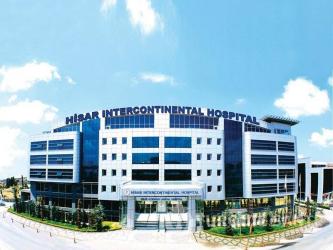
HISAR INTERCONTINENTAL
Istanbul, Turkey
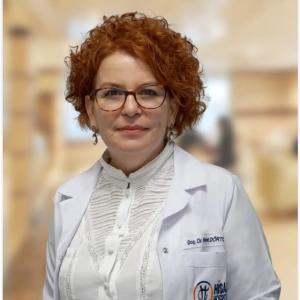
Prof. Dr. Nimet Dörtcan, M.D

Prof. Dr. Nimet Dörtcan, M.D

20 years of experience
Main specialty: Neurology, clinical neurophysiology Years of experience: Over 20 years Notable training: Medicine at Marmara University; specialization in neurology and master's in clinical neurophysiology at Istanbul University; associate professor ... Read more
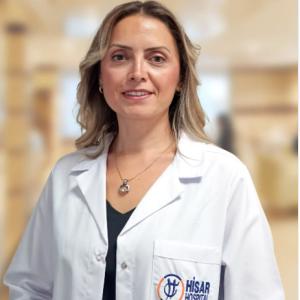
DR. NURAN BURCU ARKALI

DR. NURAN BURCU ARKALI

22 years of experience
Verified CV: Neurology. Training: Istanbul University Cerrahpaşa Faculty of Medicine (2004); Neurology specialization at Okmeydanı Training and Research Hospital (2010); Clinical Electrophysiology master’s program at Istanbul University (2019). She ... Read more
4.4 / 5
4.4(222 Reviews)

Certifications :

International Organization for Standardization (ISO) LIV Vadistanbul
JCI - Joint Commission International LIV Vadistanbul
LIV Vadistanbul
Istanbul, Turkey
Spec. Dr. Hatice Çil

Spec. Dr. Hatice Çil

24 years of experience
Main specialty: Neurology Years of experience: 24 years. Significant training: Faculty of Medicine - Ondokuz Mayıs University - 2002, Neurology - Kırıkkale University - 2009 Mastered techniques: Disorders of movement and Parkinson’s disease, ... Read more
4.4 / 5
4.4(11 Reviews)

Certifications :

JCI - Joint Commission International LOKMAN HEKIM ISTANBUL
International Organization for Standardization (ISO) LOKMAN HEKIM ISTANBUL
LOKMAN HEKIM ISTANBUL
Istanbul, Turkey
Prof. Dr. Cahit Kural

Prof. Dr. Cahit Kural

21 years of experience
Main Specialty : NeurosurgeryYears of Experience : 21 years.Notable Education : Bachelor of Medicine (1998 - 2004),(Master's) PhD (2007 - 2012),Assoc. / Professor (2018)Techniques Mastered : Microdiscectomy, Herniated Disc, Neck Hernia, Spine Narrowing, ... Read more
Spec. Dr. Semra ACAR

Spec. Dr. Semra ACAR

15 years of experience
Main Specialty: Medical Oncology. Years of Experience: 15 years. Notable Training: Medical degree, İnönü University Faculty of Medicine (2004-2011); specialization in Internal Medicine, Ankara Numune Training and Research Hospital (2011-2016); ... Read more
4.7 / 5
4.7(70 Reviews)

Certifications :

International Organization for Standardization (ISO) LIV Ulus
JCI - Joint Commission International LIV Ulus
LIV Ulus
Istanbul, Turkey
Prof. Dr. Nimet Dörtcan

Prof. Dr. Nimet Dörtcan

22 years of experience
Main Specialty : Neurology Years of Experience : 22 years. Significant Training : Marmara University Faculty of Medicine in English (1991-1998),PTT Training and Research Hospital Neurology Clinic (Specialty Student in Medicine) (2000-2004),Istanbul ... Read more
4.7 / 5
4.7(1 Reviews)

Certifications :

International Organization for Standardization (ISO) MEMORIAL Şişli
JCI - Joint Commission International MEMORIAL Şişli
MEMORIAL Şişli
Istanbul, Turkey
Selvinaz EDİZER

Selvinaz EDİZER

13 years of experience
Main specialty : Pediatric Neurology Years of experience : 13 years. Significant training : Medical Doctor Training (2001 - 2007),Pediatric Specialty Training (2008 - 2013),Pediatric Neurology Subspecialty Training (2015 - 2019) Mastered techniques : ... Read more
Sinan Çomu

Sinan Çomu

20 years of experience
 Graduate of Istanbul University, with a specialization in Pittsburgh and at Memorial Şişli. Turkish neurologist with 20 years of experience in pediatric neurological disorders. Member of the Turkish Society of Neurology and the Society of ... Read more
4.5 / 5
4.5(34 Reviews)
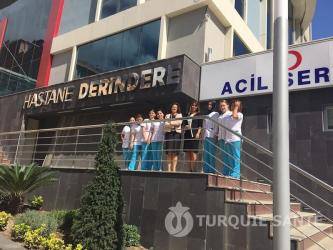
DERINDERE
Istanbul, Turkey
Multispeciality Hospital 150 Beds Opened in 2015
4.0 / 5
4.0(2 Reviews)

Certifications :

JCI - Joint Commission International HIZMET By Memorial
International Organization for Standardization (ISO) HIZMET By Memorial
HIZMET By Memorial
Istanbul, Turkey
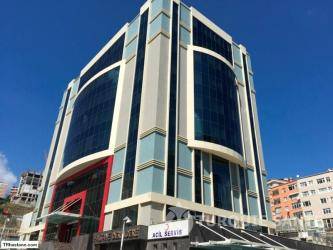
Multi-specialty hospital of good reputation 7 operating rooms Capacity of 77 beds
4.0 / 5
4.0(2 Reviews)

You have consulted 7 / 31 Hospitals

🩺 Medical note — The content of this page is provided for information purposes and in accordance with our medical charter. It does not constitute medical advice and does not replace a consultation with a healthcare professional. Prices are indicative and will be specified in a personalized quote after reviewing your file. Any treatment must be assessed and approved by a qualified doctor.

What is Multiple Sclerosis?

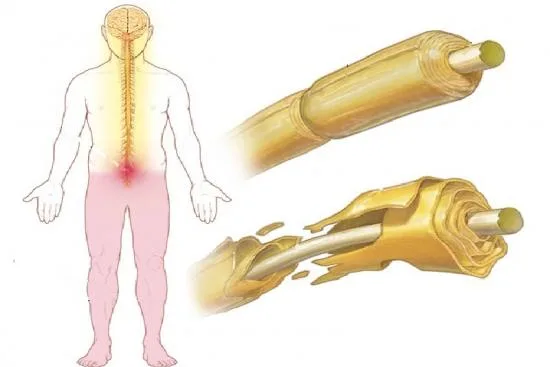
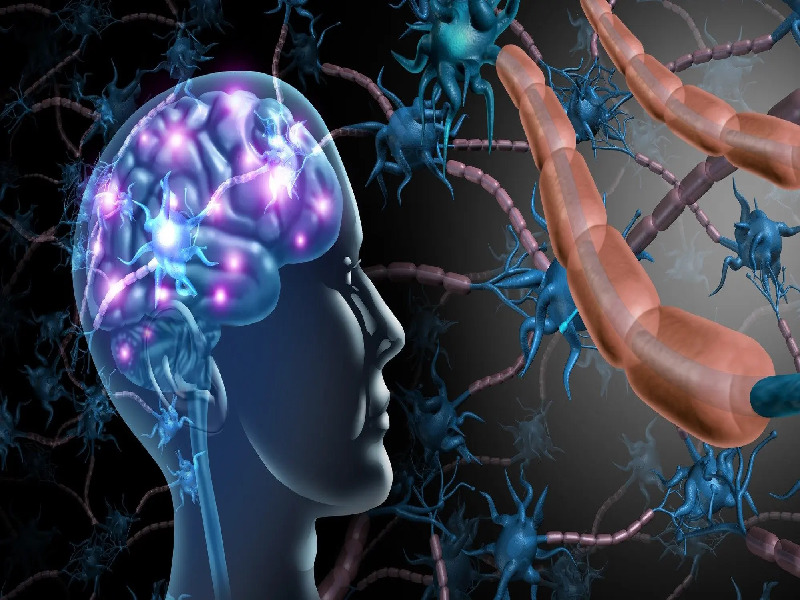
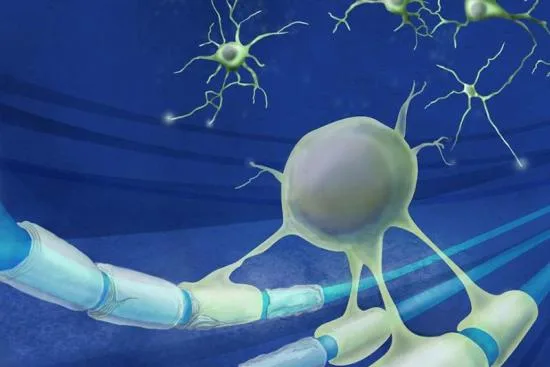
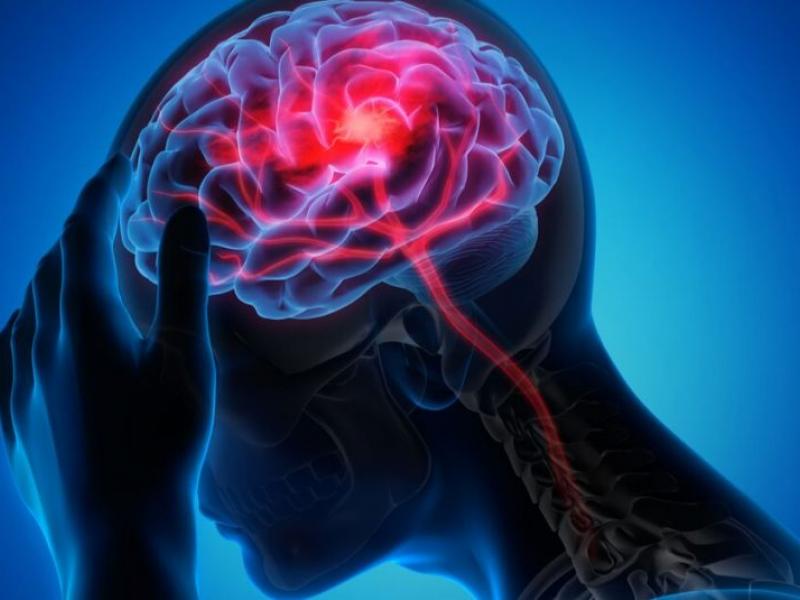
Multiple sclerosis (MS) is a chronic inflammatory, immune-mediated disease of the central nervous system, which includes the brain, the spinal cord and the optic nerves. The immune system mistakenly attacks myelin, the protective sheath surrounding nerve fibers, disrupting communication between the brain and the rest of the body.

This autoimmune attack leads to inflammation and scarring (sclerosis) in multiple areas, hence the name. The damage can accumulate over time, though the rate and pattern vary widely between individuals.

The main forms are relapsing-remitting MS (RRMS),where symptoms flare and then improve, and progressive forms (primary or secondary progressive MS),where decline is more continuous. Knowing which form a patient has shapes the treatment strategy.

According to the MS International Federation (Atlas of MS, 2020),about 2.8 million people worldwide live with MS, and the diagnosis is most often made between the ages of 20 and 40.

Symptoms of Multiple Sclerosis

MS symptoms depend on where lesions appear in the nervous system. No two patients experience identical patterns, which makes diagnosis challenging.

Brain symptoms of MS include cognitive fog, memory problems, difficulty concentrating, and mood changes. Depression and anxiety are common.

Physical manifestations vary widely:

  • Fatigue (reported by a large majority of patients, up to about 80%, and often the most disabling symptom)
  • Numbness or tingling in limbs
  • Weakness in the legs
  • Vision problems, including blurred vision, double vision or optic neuritis (pain and loss of vision in one eye)
  • Balance and coordination difficulties
  • Muscle stiffness and spasms
  • Pain, particularly in the face or limbs

Symptoms can come in relapses and improve, or progress gradually. Starting a disease-modifying therapy early can reduce relapses and new lesions. If a new symptom appears or an old one gets worse for more than a day, contact your neurologist.

Diagnosis of MS

Diagnosing MS requires several approaches because no single test confirms it. Neurologists use international diagnostic criteria (McDonald criteria),which require showing inflammatory demyelinating lesions spread in space and in time, and excluding other causes.

The assessment process includes:

  • A detailed medical interview covering symptom onset, family history, and disease progression
  • A neurological examination testing reflexes, strength, vision, and coordination
  • MRI of the brain and spinal cord to identify lesions
  • Lumbar puncture (spinal tap) to analyze the cerebrospinal fluid, when it is needed to support or clarify the diagnosis
  • Evoked potentials, which test nerve signal speed, in some cases
  • Blood tests to rule out other conditions

The diagnosis is made by the neurologist by combining these elements. The time needed depends on the tests required in your case.

Treatment Options for Multiple Sclerosis

MS has no cure, but several treatments reduce relapse frequency and the appearance of new lesions, and symptom treatments help manage daily problems.

Disease-modifying therapies (DMTs) form the foundation of treatment. These include:

  • Interferon beta medications (Avonex, Betaferon, Rebif)
  • Glatiramer acetate (Copaxone)
  • Monoclonal antibodies (natalizumab, alemtuzumab, ocrelizumab),given by infusion on a schedule set by the neurologist
  • Oral medications (fingolimod, dimethyl fumarate, teriflunomide)

The choice of treatment depends on the form of MS, disease activity, side effects and other factors such as pregnancy plans. Never stop or change your treatment on your own: your neurologist decides.

Symptom management addresses specific problems: muscle relaxants for spasticity, medications for fatigue, pain management, and cognitive support. Rehabilitation, including physiotherapy and occupational therapy, helps maintain function and independence.

In Turkey, the initial diagnostic assessment (neurological consultation, MRI and tests) typically costs $1,800 to $3,700. A disease-modifying treatment package including consultation, MRI and the first medication starts from about $3,500. A comprehensive program with several weeks of neurological rehabilitation can reach about $20,000. The yearly cost of a disease-modifying drug depends on the drug and its schedule. Request a personalized quote based on your treatment.

Multiple Sclerosis: Life Expectancy and Quality of Life

MS is rarely fatal on its own, but it shortens life expectancy somewhat: cohort studies estimate that people with MS live on average about 7 years less than the general population (Lunde et al., Journal of Neurology, Neurosurgery & Psychiatry, 2017). The difference depends on the type of MS, disability, other health conditions and smoking. Modern therapies have improved outcomes compared with past decades.

Can you live a normal life with MS? It's a question so many people ask, and the honest answer is: often yes, though 'normal' may look a little different. With appropriate treatment, regular check-ups, and good support, many people with MS keep working, traveling, and nurturing their relationships. Outcomes vary from one person to another.

Factors influencing long-term outcomes include:

  • Age at diagnosis
  • Disease type (relapsing-remitting MS generally progresses more slowly than progressive forms)
  • Starting a disease-modifying therapy early, when your neurologist recommends it
  • Adherence to therapy and medical appointments
  • Lifestyle factors including not smoking, exercise, stress management, and sleep quality

Turkey's neurology centers include long-term disease management in the follow-up of their patients.

Rehabilitation and Ongoing Support

Rehabilitation is an important part of MS management, addressing physical limitations, cognitive changes, and emotional well-being. It does not change the course of the disease, but it can improve function, fatigue and quality of life. Clinics in Turkey offer multidisciplinary rehabilitation programs adapted to each patient.

Three main rehabilitation specialties address different aspects:

  • Physiotherapy: Alternating activity and rest periods to maintain muscle strength, balance, and mobility while managing fatigue. Exercises target weakened areas and help prevent secondary complications like contractures.

  • Occupational Therapy: Helping patients adapt daily activities, improve independence in self-care, and modify home environments for safety and accessibility.
  • Cognitive and Psychological Support: Addressing brain fog, memory problems, mood changes, and the emotional impact of living with a chronic neurological condition.

The frequency and length of the sessions are set by the rehabilitation team according to your needs, and are combined with a home exercise program.

Related medical articles

Multiple sclerosis treatment FAQ

Can a woman with multiple sclerosis breastfeed her baby?
It depends on the treatment. According to a 2022 review based on European and US drug labels (Capone et al., Front Neurol),interferon beta and glatiramer acetate are considered compatible with breastfeeding, and ofatumumab under certain conditions. For ocrelizumab, natalizumab, fingolimod, teriflunomide and cladribine, breastfeeding is not recommended according to their labels, and dimethyl fumarate is decided case by case. Breastfeeding itself does not appear to increase the risk of relapses (systematic review, JAMA Neurology, 2020). The decision is made with your neurologist, before or during pregnancy. Do not stop, restart or change a treatment on your own.

Can someone with MS live a normal life?

Can someone with MS live a normal life? Often yes, though 'normal' may look different than before diagnosis. With appropriate disease-modifying therapy, regular neurological monitoring, and supportive treatments, many people with MS keep working, traveling, maintaining relationships, and pursuing hobbies. The key factors are early diagnosis, consistent treatment adherence, and realistic expectations. Outcomes vary from one person to another.

Is physical activity recommended for patients with multiple sclerosis?
Yes, physical activity is recommended for people with MS. Regular exercise can improve muscle strength, balance and coordination, fatigue and mood. Activities should be adapted to individual capacity: low-impact exercise such as walking, swimming, adapted yoga and strength training are commonly recommended, ideally with the guidance of a physiotherapist. Consult your neurologist or physiotherapist before starting a new exercise program, as overexertion during relapses can temporarily worsen symptoms.
What are the side effects of MS treatments?
Side effects depend on the medication. Interferons can cause flu-like symptoms, depression and injection-site reactions. Fingolimod can cause a slow heart rate at the start, infections and macular edema. Natalizumab carries a risk of progressive multifocal leukoencephalopathy (PML),a rare but serious brain infection, and requires regular monitoring. Monoclonal antibodies such as ocrelizumab and alemtuzumab can cause infusion reactions and increase the risk of infections; alemtuzumab can also cause autoimmune disorders. Regular follow-up allows your neurologist to monitor side effects, adjust treatment or switch medications if necessary. Never stop a treatment on your own.
Can I travel or fly with multiple sclerosis?
Yes, travel is possible with proper planning. MS does not generally prevent flying, but check with your neurologist if you have just had a relapse or have significant disability, and discuss how to manage your medication across time zones. Pack all medications in your carry-on luggage with copies of your prescriptions; some treatments must be kept refrigerated. During travel, avoid excessive fatigue, keep to your medication schedule, stay hydrated, and protect yourself from heat, which can temporarily worsen symptoms.
What are the different types of multiple sclerosis?
There are three main courses. Relapsing-remitting MS is the most common (about 85% of cases) and alternates relapses with periods of remission (Vidal). Primary progressive MS (about 15% of cases) worsens gradually from the start. Secondary progressive MS follows an initial relapsing-remitting phase (French National Academy of Medicine). Your neurologist determines which form you have and adapts the treatment.

Other procedures in this specialty

Share this page

Our assistants help you to get the best options in Multiple sclerosis treatment