


Turquie Santé
Last update : 19/06/2026

Trigeminal neuralgia treatment in Turkey | Diagnosis & Relief

Save up to 60% vs. European prices — with internationally certified care

Get a free quote
Trigeminal neuralgia Turkey
865+
patient reviews
Patient icon
600K+
Requests received since 2018
Clinique icon
41
Clinics
Trustpilot icon
4.6
Ville icon
5
Cities
Docteurs icon
2K+
Recognized doctors

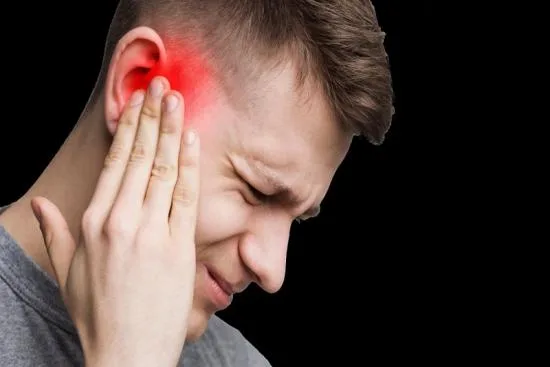
You may have spent months or even years trying to describe this pain to doctors who kept looking for dental problems, sinus infections, or migraines. However, trigeminal neuralgia doesn't behave like those conditions. It strikes in fractions of a second and is triggered by a light breeze, a sip of coffee, or even talking. The pain is electric, violent, and completely unpredictable.

What you need is not reassurance. You need a clear roadmap: which treatments work, which one fits your situation, how much it costs, and how to access it safely. This guide provides all of that and more, offering specific information on treatment options available in Turkey, real patient experiences, and a framework for choosing the right clinic and surgeon for your case.

How much does trigeminal neuralgia treatment cost in Turkey?

Cost varies based on diagnosis complexity, imaging needs, and treatment modality chosen. Turkey's healthcare system offers significant savings without sacrificing quality or safety standards.

Typical cost ranges (2026):

ProcedureTurkeyFranceGermanyUnited States
Initial consultation and diagnostic imaging (MRI, CT)465 – 930 $930 – 1 740 $1 160 – 2 090 $1 740 – 3 480 $
Medication management (monthly)58 – 232 $116 – 406 $116 – 464 $232 – 696 $
Radiofrequency ablation2,900 – 5,220 $6 960 – 11 600 $8 120 – 13 920 $11 600 – 20 880 $
Microvascular decompression (MVD)3 480 – 5 800 $6 960 – 11 600 $8 120 – 13 920 $11 600 – 18 560 $
Gamma Knife radiosurgery6 000 – 10 000 $10 000 – 18 000 $12 000 – 20 000 $18 000 – 30 000 $
Balloon compression10 000 – 18 000 $15 000 – 25 000 $18 000 – 30 000 $25 000 – 45 000 $

These prices include surgeon fees, facility costs, anesthesia, and basic post-operative care. Complications or extended hospitalization may incur additional charges.

Prices are estimates and may vary depending on the patient's condition, the complexity of treatment, the hospital, and the specialist involved.


Why choose Trigeminal neuralgia with Turquie Santé ?

Chirurgien icon

Expert surgeons and JCI certified hospitals

Économie icon

Prices 35% to 50% cheaper than in Europe

Organisation icon

Medical stay organized from A to Z

Prix icon

Direct prices without commission

Résultat icon

Free assistance

All about your Trigeminal neuralgia in Turkey
Overview
Benefits
Payment

Verified reviews : 830

Requests processed in 2025 : 196

Recovery time :

Recovery depends on the treatment chosen. Medication-based management shows gradual improvement over 2 to 4 weeks as the body adjusts to the drug regimen.

Surgical procedures (microvascular decompression and radiofrequency ablation) typically require 4 to 8 weeks for full healing, with most patients resuming normal activities within 2 to 3 weeks post-procedure.

Gamma knife radiosurgery involves minimal downtime, but pain relief may take 1 to 3 months to develop fully.

Highly qualified professionals in accredited institutions.


We assist you before, during, and after your trip


Book with full transparency, no hidden fees or commissions.

You will pay your clinic directly using these available methods:
Transfer

Verified testimonials from our patients

How it works ?

2
Services
We look for the best option for your case & budget
3
Hospital
Evaluating a care plan with the best quote
4
airplane
Making appointments & Organization of your trip
5
Health care
Ongoing support until you return home

A Free consultation is your first step in your health journey.

Get a free medical opinion on Trigeminal neuralgia with our 41 Recognized Clinics

Certifications :

SRC — Center of Excellence (Colorectal Surgery) LIV Vadistanbul
AOSpine International — Global Spine Care Organization LIV Vadistanbul
TÜV SÜD ISO 9001:2008 - Quality Management Certification LIV Vadistanbul
International Organization for Standardization (ISO) LIV Vadistanbul
LIV Vadistanbul
Istanbul, Turkey
Op. Dr. Çağrı Canbolat

Op. Dr. Çağrı Canbolat

Main Specialty : Neurosurgery Years of Experience : 5 years. Notable Training : Cumhuriyet University Faculty of Medicine Brain and Nerve Surgery / 2012-2018 Mastered Techniques : Neuro-Oncological Surgery, Skull Base Surgery, Neurovascular ... Read more
Prof. Dr.Mete Karatay

Prof. Dr.Mete Karatay

Main Specialty : Neurosurgery Years of Experience : 22 years. Notable Education : Eskişehir Osmangazi University, Faculty of Medicine (1995-2001),Ankara Training and Research Hospital, Department of Neurosurgery (2002-2007),Johns Hopkins ... Read more
4.4(10 Reviews)
Price on request

Certifications :

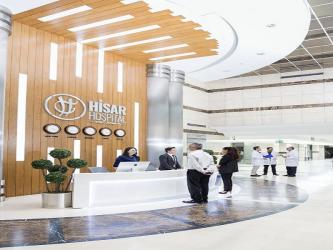
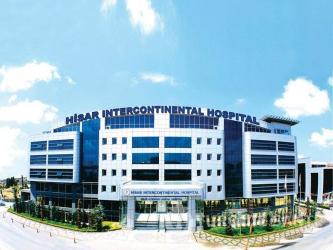
JCI - Joint Commission International HISAR INTERCONTINENTAL
International Organization for Standardization (ISO) HISAR INTERCONTINENTAL
TÜV SÜD ISO 9001:2008 - Quality Management Certification HISAR INTERCONTINENTAL
HISAR INTERCONTINENTAL
Istanbul, Turkey
PROF. DR. Idris Altun

PROF. DR. Idris Altun

Main Specialty : Neurosurgery Years of Experience : 11 years. Notable Training : Residency at Kahramanmaraş Sütçü İmam University, training in endoscopic pituitary surgery at Kocaeli University, training at Barrow, Arizona, USA. Mastered ... Read more
Op. Dr. Ertuğrul PINAR

Op. Dr. Ertuğrul PINAR

Main specialty : Neurosurgery Years of experience : 11 years. Significant training : Marmara University Faculty of Medicine (Medicine),Marmara University Faculty of Medicine Department of Brain and Neurosurgery (Specialization). Mastered ... Read more
4.4(220 Reviews)
Price on request

Certifications :

JCI - Joint Commission International MEMORIAL Şişli
TÜV SÜD ISO 9001:2008 - Quality Management Certification MEMORIAL Şişli
International Organization for Standardization (ISO) MEMORIAL Şişli
MEMORIAL Şişli
Istanbul, Turkey
Prof. Dr. Zafer Orkun TOKTAŞ

Prof. Dr. Zafer Orkun TOKTAŞ

Main Specialty : Neurosurgery Years of Experience : 20 years. Notable Training : Doctorate in Medicine, specializing in Neurosurgery. Mastered Techniques : Brain surgery, spinal surgery, endoscopic techniques. Notable Achievements : Publication of ... Read more
4.5(34 Reviews)
Price on request

Certifications :

International Organization for Standardization (ISO) LIV Ulus
Eurocrine — Endocrine Surgery Quality Registry LIV Ulus
JCI - Joint Commission International LIV Ulus
TÜV SÜD ISO 9001:2008 - Quality Management Certification LIV Ulus
LIV Ulus
Istanbul, Turkey
Prof. Dr. Serdar Kahraman

Prof. Dr. Serdar Kahraman

Main Specialty : Neurosurgery Years of Experience : 34 years. Notable Training : Gülhane Military Medical Academy (GMMA),Ankara-Türkiye (1983-1989); Neurosurgical Training, GMMA, Ankara-Türkiye (1992-1997); Neuro & Spinal Endoscopy Clinical ... Read more
Op. Dr. Mehmet Alpay Çal

Op. Dr. Mehmet Alpay Çal

Main Specialty : Neurosurgery Notable Training : Istanbul University, Faculty of Medicine; Istanbul Okmeydani Training and Research Hospital Mastered Techniques : Neuro-oncological surgery; Spinal Surgery; Pediatric Neurosurgery; Peripheral Nerve ... Read more
4.7(1 Reviews)
Price on request
Get a free expert opinion via our Medical Quiz
Have you ever undergone a Trigeminal neuralgia ?

Certifications :

JCI - Joint Commission International MEMORIAL ANKARA
TÜV SÜD ISO 9001:2008 - Quality Management Certification MEMORIAL ANKARA
International Organization for Standardization (ISO) MEMORIAL ANKARA
MEMORIAL ANKARA
Ankara, Turkey
Op. Dr. İlker ÇÖMEZ

Op. Dr. İlker ÇÖMEZ

PROF.DR.SEMRA KAHRAMAN

PROF.DR.SEMRA KAHRAMAN

4.3(2 Reviews)
Price on request

Certifications :

TÜV SÜD ISO 9001:2008 - Quality Management Certification MEMORIAL Bahçelievler
International Organization for Standardization (ISO) MEMORIAL Bahçelievler
Leed Platinium Certificate MEMORIAL Bahçelievler
JCI - Joint Commission International MEMORIAL Bahçelievler
MEMORIAL Bahçelievler
Istanbul, Turkey
Dr.Onur Yaman

Dr.Onur Yaman

Degree from Ege University (2001). Experience in Mus State hospitals, Memorial Bahcelievler, and Hizmet. Member of the Turkish Medical Association, Turkish Neurosurgery Association, and ... Read more
4.3(23 Reviews)
Price on request

Certifications :

JCI - Joint Commission International NP BRAIN
International Organization for Standardization (ISO) NP BRAIN
NP BRAIN
Istanbul, Turkey
Prof. Dr. Nesrin Dilbaz

Prof. Dr. Nesrin Dilbaz

Prof. Dr. Ahmet Fatih Parmaksızoglu

Prof. Dr. Ahmet Fatih Parmaksızoglu

4.7(4 Reviews)
Price on request

Certifications :

TÜV SÜD ISO 9001:2008 - Quality Management Certification Florence Nightingale
JCI - Joint Commission International Florence Nightingale
Florence Nightingale
Istanbul, Turkey
Dr. Abdullah Eren

Dr. Abdullah Eren

Dr. Banu Bingöl Günenç

Dr. Banu Bingöl Günenç

4.7(10 Reviews)
Price on request

Certifications :

JCI - Joint Commission International AMERICAN HOSPITAL
International Organization for Standardization (ISO) AMERICAN HOSPITAL
TÜV SÜD ISO 9001:2008 - Quality Management Certification AMERICAN HOSPITAL
AMERICAN HOSPITAL
Istanbul, Turkey
Dr. Aylin Pelin Çil

Dr. Aylin Pelin Çil

Dr.Aylin Şimşek

Dr.Aylin Şimşek

4.7(5 Reviews)
Price on request

Certifications :

International Organization for Standardization (ISO) MEMORIAL Antalya
JCI - Joint Commission International MEMORIAL Antalya
TÜV SÜD ISO 9001:2008 - Quality Management Certification MEMORIAL Antalya
MEMORIAL Antalya
Antalya, Turkey
ASSOC PROF ISMAIL ONDER UYSAL

ASSOC PROF ISMAIL ONDER UYSAL

PROF DR DİLEK DEMİREZ

PROF DR DİLEK DEMİREZ

4.7(1 Reviews)
Price on request

Certifications :

JCI - Joint Commission International ACIBADEM
International Organization for Standardization (ISO) ACIBADEM
TÜV SÜD ISO 9001:2008 - Quality Management Certification ACIBADEM
ACIBADEM
Istanbul, Turkey
Dr. A.BÜLENT OKTAY

Dr. A.BÜLENT OKTAY

Dr. Ayşe Sagduyu Kocaman

Dr. Ayşe Sagduyu Kocaman

4.6(172 Reviews)
Price on request

Certifications :

International Organization for Standardization (ISO) LOKMAN HEKIM Üniversitesi
TÜV SÜD ISO 9001:2008 - Quality Management Certification LOKMAN HEKIM Üniversitesi
LOKMAN HEKIM Üniversitesi
Ankara, Turkey
Prof. Dr. Rafet ÖZAY

Prof. Dr. Rafet ÖZAY

Main Specialty : Neurosurgery Years of Experience : 26 years. Notable Education : Gülhane Military Medical Academy, Faculty of Medicine (1987-1991),Uludağ University, Faculty of Medicine (1993-1997). Mastered Techniques : Peripheral nerve ... Read more
4.7(1 Reviews)
Price on request

You have consulted 7 / 41 Hospitals

Related medical articles

Among our doctors

Everything you will need for your medical trip

Medical opinion and estimates

Expert opinions and cost estimates

Pre-trip consultations

Understand your procedure before traveling.

Visa assistance

We assist our patients in obtaining their visas from the consulates.

Translation of your medical reports

We guarantee free and certified translation of your medical documents from all languages.

VIP Transport

Your transfers will be provided from the airport and your hotel.

Continuous Follow-up

You will be assisted by your attending doctor even after returning to your country, via videos or messages.

Experiences of our patients – Turquie Santé

Emily White : Medical Content Team Manager at Turquie Santécheck

Written by

Emily White

This content complies with the editorial policy of Turquie Santé. It was written by Emily White, Head of the Editorial Team, who has over 11 years of experience in scientific research and clinic management in Turkey. She ensures the reliability of medical information while making complex data accessible to everyone.

Uzm. Dr. Hakan İLASLANcheck

Reviewed by Uzm. Dr. Hakan İLASLAN

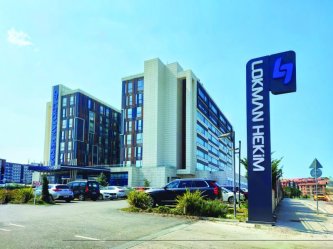
An expert in neurosurgery at Lokman Hekim University Hospital in Ankara, Dr. Hakan İlaslan specializes in complex brain and nerve surgery. His expertise covers spinal pathologies and high-precision microsurgical interventions. As a validator, he ensures the accuracy of surgical protocols and technological advancements.

What exactly is trigeminal neuralgia and Why is it so hard to diagnose?

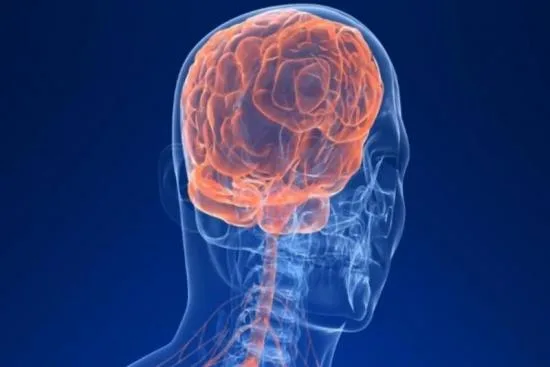
The trigeminal nerve (cranial nerve V) is the primary sensory nerve of the face. It divides into three branches:

  • The ophthalmic (V1, forehead and eye area).
  • The maxillary (V2, cheek and upper jaw).
  • The mandibular (V3, lower jaw and chin).

When a blood vessel, most commonly the superior cerebellar artery, presses against the nerve root as it exits the brainstem, it erodes the myelin sheath, the insulating layer around the nerve. The result is abnormal electrical discharges, which produce sudden, explosive facial pain.

The condition affects approximately 12 per 100,000 people annually, according to epidemiological data published in the journal Cephalalgia. Women are slightly more affected than men. The average age of onset is 53, though younger patients and even children can develop it, particularly when an underlying cause like multiple sclerosis is present

Diagnosis is notoriously delayed, studies estimate an average of 3.5 years from first symptom to correct diagnosis. The condition mimics dental pain, sinusitis, temporomandibular joint (TMJ) disorder, and atypical facial pain. Many patients undergo unnecessary dental extractions or sinus procedures before a neurologist correctly identifies the source.

Key diagnostic criteria (ICHD-3, 2018): Recurrent unilateral facial pain in one or more trigeminal nerve distributions; sudden onset and termination; pain provoked by innocuous stimuli (trigger zones); no neurological deficit on examination. MRI is recommended to rule out structural causes.

What are the symptoms of trigeminal neuralgia?

Trigeminal neuralgia typically presents with sudden, intense facial pain that patients often describe as one of the most severe types of pain known in medicine. The condition affects one side of the face and is characterized by brief but extremely painful attacks that can significantly impact daily life.

Typical symptoms include:

  • Sudden, severe, electric shock-like or stabbing pain on one side of the face, lasting from a fraction of a second to about 1-2 minutes
  • Pain affecting areas such as the cheek, jaw, teeth, gums, lips, and sometimes the eye or forehead
  • Pain episodes triggered by everyday activities such as light touch, chewing, speaking, brushing teeth, or exposure to cold wind
  • Pain-free intervals between attacks, which may become shorter over time as the condition progresses
  • In some patients, a persistent dull or burning ache between attacks (often referred to as atypical or Type 2 trigeminal neuralgia),which may be less responsive to standard treatments

Because attacks are unpredictable and extremely painful, many patients gradually develop behavioral changes such as avoiding eating, speaking, or touching the face. Over time, this can lead to social withdrawal, weight loss, anxiety, and emotional distress.

What causes trigeminal neuralgia?

In most cases, trigeminal neuralgia develops when a blood vessel presses against the trigeminal nerve near the brainstem. This constant pulsation can gradually damage the nerve's protective coating (myelin),leading to abnormal pain signals and sudden facial pain attacks.

The most common causes include:

  • Vascular compression (85-90% of cases): most often caused by the superior cerebellar artery, although other arteries or veins may also be involved.
  • Multiple sclerosis (2-4% of cases): demyelinating lesions near the trigeminal nerve can trigger symptoms, particularly in younger patients.
  • Benign tumours: such as meningiomas, vestibular schwannomas (acoustic neuromas),or epidermoid cysts compressing the nerve.
  • Arteriovenous malformations (AVMs): abnormal blood vessel connections located near the brainstem.
  • Post-herpetic neuralgia: pain following shingles (herpes zoster) affecting the trigeminal nerve. This is a distinct condition but may produce similar symptoms.

In approximately 10-15% of patients, MRI scans do not reveal any identifiable structural cause. These cases are classified as idiopathic trigeminal neuralgia

How is trigeminal neuralgia diagnosed in Turkey?

Diagnosis in Turkish JCI-certified hospitals follows an evidence-based protocol, combining clinical assessment with advanced neuroimaging:

  1. Neurological consultation: Detailed history of pain onset, location, duration, triggers; full cranial nerve examination, including facial sensation in all three trigeminal divisions, corneal reflex, and masseter strength.
  2. High-resolution MRI: 3T MRI with specific protocols (FIESTA/CISS sequences) to visualize the trigeminal nerve root and identify neurovascular compression, the gold standard imaging for TN. Available at all partner hospitals!
  3. CT Scan: Used when MRI is contraindicated (pacemaker, severe claustrophobia),or to assess bony structures.
  4. Trigeminal reflex testing (Blink Reflex / R1 response): Electrophysiological test to assess trigeminal pathway integrity, particularly useful in atypical presentations or to support surgical planning.
  5. Differential diagnosis workup: Dental X-rays, panoramic OPG, ENT evaluation to exclude dental abscess, sinusitis, and TMJ disorder as alternative diagnoses.

Turkish neurologists and neurosurgeons use the Barrow Neurological Institute (BNI) Scale and the Penn Facial Pain Scale to quantify pain severity and track treatment response over time, standardized tools that allow meaningful comparison of outcomes across institutions.

What are the treatment options for trigeminal neuralgia available in Turkey?

Treatment follows a stepwise approach: medications first, then minimally invasive procedures, then surgery. The right option depends on your age, general health, TN type (vascular compression vs. MS-related vs. idiopathic),pain severity, and whether previous treatments have failed.
Pharmacological management (First-line treatment)

MedicationMechanismEfficacyKey side effects
Carbamazepine (Tegretol)Sodium channel blocker, reduces nerve firing70-80% initial response rate (Wiffen et al., Cochrane 2014)

Drowsiness, dizziness, hyponatremia, drug interactions (requires blood monitoring).

Oxcarbazepine (Trileptal)Similar to carbamazepine, better toleratedComparable efficacy, fewer drug interactions

Hyponatremia (more common),dizziness

Gabapentin / PregabalinCalcium channel modulationSecond-line; useful when carbamazepine fails or is not tolerated

Somnolence, weight gain, edema

BaclofenGABA-B agonist, reduces spasticity and nerve firingAdjunct therapy; modest efficacy aloneFatigue, muscle weakness, should not be stopped abruptly
LamotrigineSodium channel blockerThird-line; modest evidenceRash (including Stevens-Johnson syndrome),GI side effects

Important note: Drug treatment for TN requires regular blood monitoring, particularly for sodium levels (hyponatremia) and liver function. Turkish clinics can provide pre-procedure lab work as part of their diagnostic package.

Interventional and surgical procedures

When medication provides inadequate relief or causes intolerable side effects, interventional procedures offer long-term pain control. Turkey's neurosurgical centres perform all of the following:

Microvascular decompression (MVD): The gold standard

MVD is the only procedure that addresses the root cause of TN (vascular compression) rather than ablating or damaging the nerve. Through a small retro-auricular craniotomy, the neurosurgeon identifies the offending vessel under microscopic vision and places a Teflon pad between it and the nerve, relieving compression.

  • Best candidates: Younger patients (under 65-70) in good general health, confirmed vascular compression on MRI, classical TN (Type 1)
  • Efficacy: 85-90% of patients achieve immediate excellent pain relief (BNI I-IIIa). Long-term freedom from pain at 10 years: approximately 68-75% (Sekula et al., Neurosurgery 2019)
  • Recurrence: 20-30% over 10 years, lowest recurrence rate of all procedures
  • Hospital stay: 3-5 days. Return to normal activities: 3-4 weeks

Percutaneous radiofrequency rhizotomy (RFR)

A needle is passed through the cheek into the trigeminal ganglion under fluoroscopic guidance. Controlled heat lesioning selectively damages pain fibres while preserving touch sensation.

  • Best candidates: Older patients, poor surgical candidates, failed MVD, MS-related TN
  • Efficacy: 80-90% immediate relief. Recurrence: 40-50% at 10 years
  • Duration: Outpatient procedure, 1-2 hours. Recovery: 1-2 weeks

Gamma knife radiosurgery

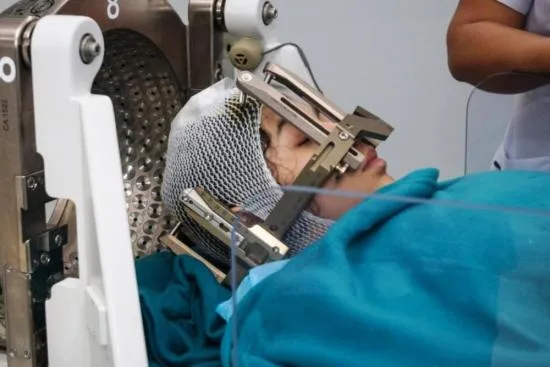
Highly focused radiation beams target the trigeminal nerve root at the brainstem. No incision, no anaesthesia required.
  • Best candidates: Patients not suitable for open surgery, anticoagulated patients, elderly patients, those wanting the least invasive option
  • Efficacy: 70-80% of patients achieve meaningful pain relief. Onset: 1-4 months after treatment
  • Recurrence: Approximately 50% at 5 years, higher than MVD
  • Side effect: Facial numbness (up to 30% of patients); considered acceptable by most as it replaces agonising pain

Balloon microcompression

A balloon catheter is inflated in Meckel's cave to compress the trigeminal ganglion, selectively damaging pain fibres.

  • Best candidates: Patients with V1 (ophthalmic) involvement (avoided with RFR due to corneal anaesthesia risk),older or frailer patients
  • Efficacy: 75-85% immediate relief. Recurrence rate similar to RFR
  • Key risk: Masticatory weakness (jaw muscles) in up to 50% of patients, usually temporary

Glycerol rhizotomy

Injection of sterile glycerol into the trigeminal cistern, which gradually damages pain fibres. Less commonly performed but offers an additional option when other procedures have failed.

  • Efficacy: 60-80% initial relief. Recurrence rates are higher than MVD and RFR
  • Advantage: Low risk profile, no radiation, can be repeated

What are the risks and complications of each treatment?

Every treatment for trigeminal neuralgia involves trade-offs between pain relief, side effects, and recurrence. Here is a frank, evidence-based overview of specific risks by modality, information that international patients have a right to understand before making a decision.

Microvascular decompression

  • Hearing loss: 1-3% (due to proximity of the auditory nerve). Intraoperative auditory monitoring (BAER) is performed in all reputable Turkish neurosurgical centers to minimize this risk.
  • Facial numbness: 4-7% of patients develop some degree of facial sensory change.
  • CSF leak: 1-2%, usually manageable conservatively or with a short lumbar drain.
  • Meningitis (aseptic or bacterial): Under 1% in JCI-certified centers with strict sterile technique.
  • Stroke or serious neurological complication: Under 0.5% in experienced hands (>50 MVD procedures/year).
  • General anesthesia risks: Standard risks apply, particularly in elderly patients with comorbidities.

Radiofrequency rhizotomy

  • Facial numbness: Very common (60-80%),The procedure deliberately damages nerve fibers, and numbness is expected to some degree.
  • Corneal anesthesia (V1 branch): Risk of keratitis and corneal ulcer if the ophthalmic branch is treated; requires ophthalmological follow-up.
  • Dysesthesia (painful numbness/anesthesia dolorosa): 5-10%, a particularly difficult-to-treat complication where the numb area becomes spontaneously painful
  • Masticatory weakness: Temporary jaw muscle weakness in some patients

Gamma knife radiosurgery

  • Facial numbness: 20-30% of patients at 6-12 months post-treatment, usually mild to moderate
  • Treatment failure: 20-30% of patients do not achieve adequate relief, particularly with MS-related TN.
  • Delayed radiation effects: Rare but possible; the long-term safety profile beyond 10 years remains under study.
  • Re-treatment: Can be performed, but carries higher risk of numbness with each session

Balloon microcompression

  • Masticatory weakness (chewing difficulty): Up to 50% of patients experience temporary masseter weakness; usually resolves within 3-6 months.
  • Bradycardia: Intraoperative heart rate slowing (trigeminal-vagal reflex),managed with atropine; relevant in patients with cardiac history
  • Facial numbness: Expected in most patients (similar to RFR).

All surgical procedures at Turquie Santé partner hospitals are performed by neurosurgeons with a minimum of 10 years' experience in cranial nerve surgery. Complication rates should be specifically discussed with your surgeon before any procedure. Ask for your surgeon's personal complication data, not just the hospital's aggregate statistics.

What does the patient journey look like from abroad?

From first contact to returning home, Turquie Santé manages every step:

  1. You submit your request online with your medical documents (MRI, neurology reports, previous treatments).
  2. Within 48 hours, a coordinator contacts you to discuss your case and request any missing information.
  3. A neurosurgeon reviews your file and provides a personalized treatment recommendation and cost estimate.
  4. You confirm the appointment; Turquie Santé assists with your Turkish medical visa, if required.
  5. Upon arrival in Istanbul (or Ankara/Antalya),VIP airport transfer to your hotel or hospital.
  6. Pre-surgical consultation and any additional imaging completed on day 1-2.
  7. Procedure performed; hospital stay as required (1-5 days, depending on treatment).
  8. Post-operative review before departure; medical report and prescription in English provided.
  9. Remote follow-up consultations at 2 weeks, 6 weeks, and 3 months after return.

All medical documents, diagnosis, surgical report, medication list, follow-up instructions are provided in English as standard, with certified translation in other languages on request.

Trigeminal neuralgia FAQ in Turkey

What Are the Causes of Trigeminal Neuralgia?
Several mechanisms trigger trigeminal neuralgia. Vascular compression, where an artery or vein presses on the nerve root, is the most common cause. Other causes include tumors (benign or malignant) compressing the nerve, multiple sclerosis damaging nerve insulation, viral infections like herpes zoster, dental disease or previous dental procedures, facial trauma, and arteriovenous malformations. In roughly 15 to 20% of cases, no structural cause is found despite imaging, suggesting a purely functional disorder. Age over 50 and female gender are risk factors.
What Is the Recovery Time After Surgery for Trigeminal Neuralgia Treatment in Turkey?
Recovery depends on the surgical method. Microvascular decompression requires 4 to 8 weeks for full healing, though most patients resume light activities within 2 to 3 weeks. Radiofrequency ablation is an outpatient procedure with 2 to 3 weeks recovery. Gamma knife radiosurgery involves minimal downtime (patients return home the same day),but pain relief develops gradually over 1 to 3 months. During recovery, pain medication is gradually reduced as the procedure's effect takes hold. Follow-up appointments at 2 weeks, 6 weeks, and 3 months monitor healing and adjust pain management as needed.
How Much Does Trigeminal Neuralgia Treatment Cost in a Clinic in Turkey?
Cost is individualized based on diagnosis complexity and treatment chosen. Initial consultation and diagnostic imaging (MRI, CT) range from 400 to 800 euros. Medication management costs 50 to 200 euros monthly. Procedural costs vary: radiofrequency ablation 2,500 to 4,500 euros, microvascular decompression 5,000 to 8,000 euros, gamma knife radiosurgery 3,500 to 6,000 euros, and balloon compression 3,000 to 5,000 euros. These prices include surgeon fees, facility, anesthesia, and basic post-operative care. Many clinics offer package deals combining multiple services at discounted rates. Costs are 40 to 60% lower than Western Europe while maintaining international safety standards.

Procedures available for this specialty

Share this page

Our assistants help you to get the best options in Trigeminal neuralgia