

Turquie Santé
Last update : 12/11/2026

Rotator Cuff Repair in Turkey: Indications, Procedure & Recovery

Access internationally recognized healthcare with substantial savings compared with European prices.

Free Medical Opinion
Rotator Cuff Repair Turkey
794+
patient reviews
across all procedures

If you have a shoulder that wakes you at night, an arm you can no longer lift, or a painful simple movement, you may have a rotator cuff tear. When non-surgical treatment is no longer sufficient or when the injury is recent and debilitating, surgery may be an option.

Rotator cuff repair involves reattaching the torn tendon or tendons to the shoulder bone, most often through arthroscopy. The procedure aims to reduce pain and improve function, but results are not guaranteed. This article explains when surgery is discussed, how it is performed, what to expect, and how to organize treatment in Turkey.

How Much Does Rotator Cuff Repair Cost in Turkey?

The price of rotator cuff repair in Turkey varies according to the complexity of the operation and the services the facility offers. There is no single fee that applies to every patient.

Factors that affect the cost:

  • Complexity of the tear and number of tendons involved.
  • Technique chosen, number of anchors, and any additional procedure or biological implant.
  • Type of anaesthesia.
  • Length of hospital stay.
  • Consultations and follow-up included.

With Turquie Santé, the quote includes the consultation with the surgeon, preoperative tests, anaesthesia, transfers and interpreter assistance. Accommodation, flights and post-operative physiotherapy sessions are to be budgeted separately, unless the quote states otherwise.

To obtain an estimate tailored to your situation, send your MRI or ultrasound together with your medical file. The surgeon can then assess the tear, determine which technique is feasible and specify the cost of the operation.

Request your personalised estimate after your imaging has been reviewed.

Why choose Rotator Cuff Repair with Turquie Santé ?

Chirurgien icon

Accredited surgeons and hospitals (JCI, ISO)

Économie icon

Indicative prices, often lower than in Western Europe depending on the case

Organisation icon

Medical stay organized from A to Z

Prix icon

Detailed quote (included / not included) before your stay

Résultat icon

Free review of your file

All about your Rotator Cuff Repair in Turkey
Benefits
Payment

Highly qualified professionals in accredited institutions.


We assist you before, during, and after your trip


A detailed quote is presented to you before your stay. Our support is free for the patient and any fees are specified in advance.

You will pay your clinic directly using these available methods:
Transfer
Emily White : Medical Content Team Manager at Turquie Santécheck

Written by

Emily White

This content complies with the editorial policy of Turquie Santé. It was written by Emily White, Head of the Editorial Team, who has over 11 years of experience in scientific research and clinic management in Turkey. She ensures the reliability of medical information while making complex data accessible to everyone.

How it works ?

2
Services
We look for the best option for your case & budget
3
Hospital
Evaluating a care plan with the best quote
4
airplane
Making appointments & Organization of your trip
5
Health care
Ongoing support until you return home

Get a free medical opinion on Rotator Cuff Repair with our recognized clinics

Certifications :

International Organization for Standardization (ISO) MEMORIAL Şişli
JCI - Joint Commission International MEMORIAL Şişli
MEMORIAL Şişli
Istanbul, Turkey
Prof. Olcay GÜLER

Prof. Olcay GÜLER

22 years of experience
Main Specialty : Orthopedics and Traumatology Years of Experience : 22 years. Notable Education : Medical degree from Istanbul University, residency in Orthopedics and Traumatology at Istanbul University. Mastered Techniques : Arthroscopic surgery, ... Read more
Asso.Dr.Hasan Göçer

Asso.Dr.Hasan Göçer

Specialization in orthopedics and traumatology; training at the hospital clinic of orthopedics and traumatology (2003-2007). Member of the faculty at Ondokuzmayıs University, Faculty of Medicine (2013-2017); Associate Professor since 2017. Experience at ... Read more
4.5 / 5
4.5(34 Reviews)

Certifications :

International Organization for Standardization (ISO) LIV Vadistanbul
JCI - Joint Commission International LIV Vadistanbul
LIV Vadistanbul
Istanbul, Turkey
Prof. Dr. Yunus İmren

Prof. Dr. Yunus İmren

14 years of experience
Main Specialty : Orthopedics and Traumatology Years of Experience : 14 years. Notable Training : Graduation from the Faculty of Medicine at Marmara University (1999-2006),Specialized training at Bezmialem University (2006-2012),Fellowship in Hand and Upper ... Read more
Assoc. Prof. Dr. Hüseyin Bahadır Gökçen

Assoc. Prof. Dr. Hüseyin Bahadır Gökçen

16 years of experience
Main Specialty : Orthopedics and Traumatology Years of Experience : 16 years. Notable Trainings : Istanbul University Istanbul Faculty of Medicine, Istanbul Medeniyet University Faculty of Medicine / Surgical Medical Sciences Department / Orthopedics And ... Read more
4.4 / 5
4.4(11 Reviews)

Certifications :

JCI - Joint Commission International HISAR INTERCONTINENTAL
International Organization for Standardization (ISO) HISAR INTERCONTINENTAL
HISAR INTERCONTINENTAL
Istanbul, Turkey
Assoc. Prof. Selman DOĞAN, MD

Assoc. Prof. Selman DOĞAN, MD

15 years of experience
Main specialty: Orthopedics and traumatology Years of experience: Over 15 years Notable training: Degree in medicine, Istanbul University, Cerrahpaşa Faculty of Medicine; specialization in orthopedics and traumatology, Ümraniye Training and Research ... Read more
OP. DR. YUSUF BAYRAM

OP. DR. YUSUF BAYRAM

13 years of experience
Main specialty: Orthopedics and traumatology Years of experience: Over 13 years Notable training: Medicine at Marmara University (English); specialization in orthopedics and traumatology at the Ümraniye Training and Research Hospital, Istanbul ... Read more
4.4 / 5
4.4(222 Reviews)

Certifications :

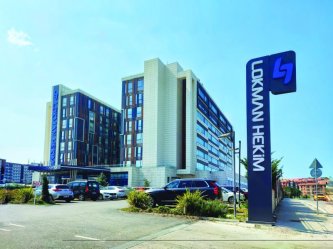
JCI - Joint Commission International LOKMAN HEKIM ISTANBUL
International Organization for Standardization (ISO) LOKMAN HEKIM ISTANBUL
LOKMAN HEKIM ISTANBUL
Istanbul, Turkey
Assoc. Prof. Dr. Mehmet Emin SIMSEK

Assoc. Prof. Dr. Mehmet Emin SIMSEK

11 years of experience
Main Specialty : Orthopedics and Traumatology. Years of Experience : 11 years. Current position : Professor, Lokman Hekim Ankara Hospital (since 2019). Notable Education : Erciyes University, Faculty of Medicine (MD 2007); Ankara Atatürk Training and ... Read more
Doç. Dr. Ozan Ali ERDAL

Doç. Dr. Ozan Ali ERDAL

Main Specialty : Orthopedics and Traumatology Years of Experience : 12 years. Notable Trainings : İstanbul University (Cerrahpaşa),Faculty of Medicine; İstanbul University (Cerrahpaşa),Specialization. Mastered Techniques : Pediatric orthopedics, ... Read more
4.7 / 5
4.7(69 Reviews)

Certifications :

International Organization for Standardization (ISO) LIV Ulus
JCI - Joint Commission International LIV Ulus
LIV Ulus
Istanbul, Turkey
Assoc. Prof. Dr. Gökhan Kürşat Kara

Assoc. Prof. Dr. Gökhan Kürşat Kara

19 years of experience
Main Specialty : Orthopedics and TraumatologyYears of Experience : 19 years in orthopedics and traumatology (specialist since 2007).Notable Education : İstanbul University İstanbul Medical Faculty (1990-1996),Uludağ University Orthopedics Department ... Read more
Op. Dr. İsmail Tugay Yağcı

Op. Dr. İsmail Tugay Yağcı

16 years of experience
Main Specialty : Orthopedics and Traumatology Years of Experience : 16 years. Notable Training : Ege University Faculty of Medicine Orthopedics and Traumatology, İzmir, Turkey (2004-2010) Mastered Techniques : Shoulder surgery (arthroscopy and arthroplasty),... Read more
4.7 / 5
4.7(1 Reviews)
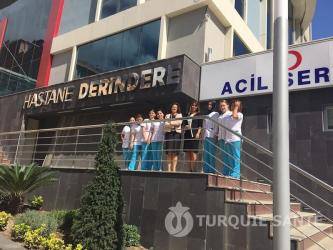
DERINDERE
Istanbul, Turkey
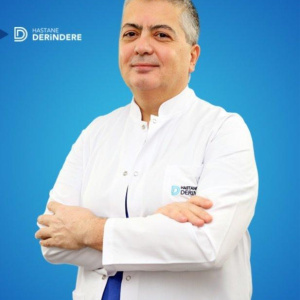
OP. DR. MEHMET YAVUZ ÇIRPICI

OP. DR. MEHMET YAVUZ ÇIRPICI

37 years of experience
4.0 / 5
4.0(2 Reviews)

Certifications :

JCI - Joint Commission International HIZMET By Memorial
International Organization for Standardization (ISO) HIZMET By Memorial
HIZMET By Memorial
Istanbul, Turkey
Dr. Gülsüm ÇEBİ

Dr. Gülsüm ÇEBİ

Doç. Dr. Arzu Yurci

Doç. Dr. Arzu Yurci

4.0 / 5
4.0(2 Reviews)

You have consulted 7 / 31 Hospitals

🩺 Medical note — The content of this page is provided for information purposes and in accordance with our medical charter. It does not constitute medical advice and does not replace a consultation with a healthcare professional. Prices are indicative and will be specified in a personalized quote after reviewing your file. Any treatment must be assessed and approved by a qualified doctor.

What is a rotator cuff repair?

A rotator cuff repair is a surgical procedure that reattaches one or more torn tendons to their original insertion point on the humerus, or upper arm bone. This is usually done using sutures and small fixation devices called anchors. This procedure is most often done arthroscopically, which uses a camera and specialized instruments inserted through small incisions. This method is used when the nature of the tear allows it.

Also known as rotator cuff surgery or tendon repair, this procedure may involve any of the four rotator cuff tendons. The supraspinatus tendon is most frequently affected.

What does the rotator cuff do, and how does it tear?

A rotator cuff tear can result from a sudden injury or from gradual wear of the tendons. To understand its consequences and the repair options, it helps to look at the role of the four tendons, how tears occur and the characteristics of each type of injury.

A role in mobility and stability

The rotator cuff is made up of four muscles and their tendons: the supraspinatus, infraspinatus, subscapularis and teres minor. Together, they allow the arm to rotate, help raise it and keep the head of the humerus centred in the joint. They therefore play an essential role in shoulder mobility and stability.

Causes: injury or wear

A rotator cuff tear can occur in two main ways:

  • Traumatic tear: it follows a sudden event, such as a fall onto the arm, a sudden strain or a shoulder dislocation. It can affect a previously healthy tendon, but also one already weakened by pre-existing wear.
  • Degenerative tear: it results from the gradual deterioration of the tendons, favoured in particular by ageing. Certain factors, such as repeated overhead arm movements, can also contribute to this wear. The tear may progress slowly and cause few symptoms for a long time.

The different types of tears

TypeWhat it means
PartialThe tendon is damaged but not torn all the way through
Full-thickness (complete)The tendon is torn through its entire thickness
Extensive or massiveSeveral tendons, or a large portion of the cuff, are involved
RetractedThe tendon has pulled away from its attachment to the bone
IrreparableA satisfactory direct repair is no longer possible

Please note: the size of a tear and whether it is irreparable are not the same thing. Some massive tears can still be repaired. Whether repair is possible depends in particular on the degree of retraction, the quality of the tendon, muscle atrophy and fatty infiltration of the muscle.
Symptoms and Diagnostic Tests

A rotator cuff tear can cause shoulder pain, often worse at night or during certain movements, along with reduced strength and difficulty lifting or rotating the arm. The pain may also radiate to the upper arm. Some tears, however, cause few symptoms and are discovered during an examination carried out for another reason.

Diagnosis relies on several elements, not all of which are necessarily needed:

  • Clinical examination: mobility, strength and specific tests.
  • X-ray: looks for arthritis or bone abnormalities, and sometimes for indirect signs of an old tear.
  • Ultrasound: shows the tendons and certain tears.
  • MRI: shows the size of the tear, retraction, and muscle atrophy and fatty infiltration, which are key factors in deciding whether to repair.

Other tests may be requested depending on your general health before anaesthesia.

Does a Rotator Cuff Tear Always Need Surgery?

No. Some tears can be managed with physiotherapy, adapting activities and medical treatment. Surgery is considered according to the characteristics of the injury, the symptoms and the patient's functional needs.

What Criteria Guide the Decision to Operate?

The choice between conservative treatment and surgery rests on several factors:

  • Type, size and location of the tear.
  • Whether it is traumatic or degenerative, and how long it has been present.
  • Tendon retraction, tissue quality and the condition of the muscle.
  • Pain and loss of function.
  • Physiological age and activity level.
  • Response to conservative treatment.
  • Your expectations and needs (work, sport, independence).

Traumatic tears with significant loss of function may justify an early surgical assessment. Conversely, the guidelines of the American Academy of Orthopaedic Surgeons (AAOS) have long advised against operating on a complete tear that causes no symptoms.

According to the AAOS guidelines published in 2025, moderate-level evidence indicates that, when the tendon heals, surgery gives better patient-reported and functional outcomes than non-operative management. This condition is important: everything depends on the tendon healing.

What If the Tear Is Irreparable?

When tendon retraction, tissue deterioration or muscle damage prevents a satisfactory anatomical repair, other options may be considered. Depending on the condition of the shoulder and the patient's functional needs, the surgeon may suggest a partial repair, a tendon transfer, a superior capsular reconstruction or, in some situations, a reverse shoulder replacement.

Do you already have an MRI or ultrasound of your shoulder? Turquie Santé can arrange for your scans and medical file to be sent to a partner orthopaedic surgeon to obtain an opinion on the treatment options and the feasibility of a repair.

How Is the Surgery Performed?

Rotator cuff repair involves reattaching the torn tendon or tendons to their bone insertion using sutures and anchors. The technique used and any additional procedures depend on the extent of the tear, the quality of the tissue and the surgeon's findings during the operation.

Surgical Techniques

Three main approaches can be used:

  • Arthroscopic: the surgeon makes a few small incisions to insert a camera and fine instruments. This is the most common approach and allows the tendon to be repaired without opening the joint widely.
  • Mini-open: it combines an arthroscopic exploration with a limited incision that gives direct access to the tendon.
  • Open: it requires a larger incision and may be considered in certain specific situations.

The choice depends on the injury, the quality of the tissue and the surgeon's experience. No technique is superior in every case.

How Is the Tendon Fixed to the Bone?

The surgeon generally uses suture anchors: small implants fixed in the bone and fitted with strong threads. These threads bring the tendon back to its bone footprint and hold it in place while it heals.

Depending on the configuration of the tear, the repair may be single-row, with one line of anchors, or double-row, with two lines of fixation. The choice of construct depends in particular on the size of the tear, the quality of the tendon and the fixation options available.

Additional and Biological Procedures

In some cases, the surgeon may combine other procedures (for example on the biceps tendon) or use biological augmentation. The 2025 AAOS guidelines include a strong recommendation for bioinductive implants during repair to reduce the risk of re-tear and improve patient-reported outcomes. They also state that many small to medium tears heal well without augmentation. It is therefore not a routine procedure.

Duration and Anaesthesia

The operation is generally performed under general anaesthesia, often combined with a nerve block to limit pain. Its duration varies according to complexity.

The hospital stay is generally short, with discharge on the same day or after one night, depending on the patient's condition and the facility's practices.

Risks and Complications

The usual aftermath of rotator cuff surgery includes postoperative pain, localised swelling, bruising and difficulty sleeping during the first few weeks.

Possible complications:

  • Shoulder stiffness and temporarily limited range of motion.
  • Surgical site infection requiring medical or surgical treatment.
  • Haematoma formation or skin healing problems.
  • Nerve or vascular injury, although this is rare.
  • Failure of the tendon to heal or reattach to the bone.
  • Risk of a new tear some time after the operation.
  • A functional result the patient finds disappointing despite an initially satisfactory anatomical repair.

These risks depend on your general health, whether you smoke, whether you have diabetes, the size of the injury and how closely you follow the protocol. Your surgeon should explain them in detail before you decide.

Recovery After Rotator Cuff Repair

Recovery is gradual and may take several months. It depends on the size of the tear, the number of tendons repaired, the quality of the tissue and your surgeon's instructions. There is no universal timeline.

How Long Do You Need to Wear the Sling or Brace?

After surgery, the arm is generally held in a sling or brace, sometimes with an abduction pillow, to protect the repair during the first few weeks.

How long the arm is immobilised and when movement can begin vary according to the extent of the tear, the strength of the repair and the surgeon's practice.

For small to medium complete tears, the 2025 AAOS guidelines indicate, with a high level of evidence, that early mobilisation and mobilisation delayed for up to eight weeks can give comparable results. However, this does not automatically apply to every repair.

It is therefore important to follow your surgeon's instructions and not start certain movements without their approval.

The Main Stages of Rehabilitation

Rehabilitation generally follows several phases:

  1. Protecting the repair and managing pain.
  2. Passive mobilisation, guided by the protocol.
  3. Gradual active mobilisation.
  4. Muscle strengthening once healing allows.
  5. Gradual return to daily, work and sporting activities.

Rehabilitation is part of the treatment. The tendon needs time to heal biologically, even when the pain subsides quickly.

Returning to Work

The time before returning to work depends mainly on the demands of the job and on how your recovery is progressing. An office job, where the arm position can be adjusted, can generally be resumed sooner than a physical job involving heavy lifting, repetitive movements or overhead work.

The surgeon decides with the patient when to go back to work, taking into account healing and job requirements.

Planning to have surgery in Turkey? Turquie Santé can help you arrange continuity of your medical follow-up and rehabilitation once you are back in your home country.

Results: Can a Repaired Rotator Cuff Tear Again?

Results develop over the months and vary according to the extent of the tear, the initial condition of the tendons and muscles, and the quality of healing and of rehabilitation.

What Benefits Can You Expect From the Surgery?

The expected benefits are less pain, better mobility, gradual recovery of strength and greater ease in everyday movements.

It is important to distinguish between two aspects:

  • Anatomical healing: the repaired tendon adheres properly to its bone insertion.
  • Functional recovery: improvement in pain, mobility, strength and everyday use of the shoulder.

These two outcomes do not always coincide. A tendon may fail to heal without causing significant symptoms. Conversely, an anatomically successful repair does not guarantee complete pain relief or a return to all previous abilities.

Can the Tendon Tear Again After Surgery?

Yes. A new tear is possible, even after a well-performed operation. The risk depends in particular on the size of the original injury, the quality of the tissue, the condition of the muscle, age and adherence to rehabilitation.

Alternatives to Rotator Cuff Repair

These options address different indications and are not interchangeable:

OptionWhen it is used
Physiotherapy and activity modificationOften first-line, depending on the injury
Pain-relieving and anti-inflammatory medicationTo control pain, depending on the patient's symptoms, history and contraindications.
Corticosteroid injectionMay be considered for short-term pain relief and a temporary improvement in function. It does not repair the tendon.
Debridement or palliative proceduresFor certain irreparable tears, to reduce pain and improve function.
Tendon transferSelected cases, often in younger patients
Reverse shoulder replacementCertain massive irreparable tears with significant disability or arthropathy

Repair is therefore not the best option for everyone. The right option is the one an orthopaedic surgeon confirms after examining you.

How Does Turquie Santé Support You?

Turquie Santé does not make diagnoses and does not decide whether surgery is indicated. These decisions belong to the surgeon.

Our support includes:

  • Review of your medical file and imaging.
  • Arranging an opinion from a partner orthopaedic surgeon.
  • Coordination of the consultation, preoperative tests and surgery.
  • Translation of your medical documents and interpreter assistance during your stay.
  • Organisation of transfers and accommodation.
  • Coordination of medical follow-up after you return home.

Would you like to know your shoulder treatment options in Turkey? Request a medical opinion based on your file.

Other procedures in this specialty

Share this page

Our assistants help you to get the best options in Rotator Cuff Repair