


Turquie Santé
Last update : 30/03/2026

Pectus Excavatum Treatment in Turkey: Cost, Surgery Options and Recovery

Looking for more options? You can browse all our 63 partner clinics.
We only work with certified clinics, selected according to strict quality and safety criteria.

Pectus excavatum treatment Turkey
80%
Recommendations
851+
patient reviews
Patient icon
600K+
Requests received since 2018
Clinique icon
37
Clinics
Trustpilot icon
4.6
Ville icon
5
Cities
Docteurs icon
2K+
Recognized doctors

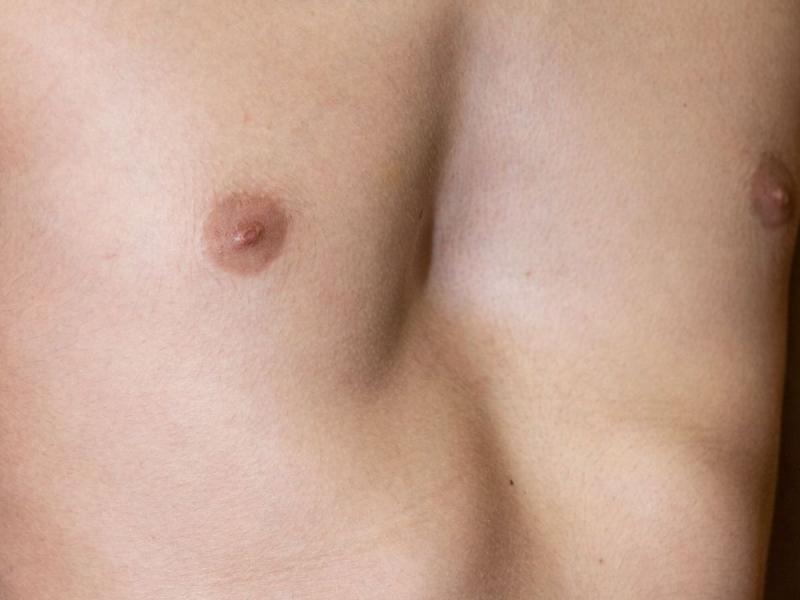
Pectus excavatum is a chest deformity characterized by a concave or sunken appearance of the chest wall, particularly around the sternum. It is the most common chest deformity and can lead to breathing difficulties that may require corrective surgery.

Turquie Santé provides medical and paramedical experts to help you achieve your treatment of pectus excavatum in Turkey at competitive cost.

Cost of Pectus Excavatum Surgery in Turkey

One of the most common questions patients ask before considering treatment abroad is simple: what will it actually cost? In Turkey, pectus excavatum treatment is significantly more affordable than in Europe or North America, without any compromise on surgical standards or hospital accreditation.

Prices vary depending on the technique recommended for your specific case, the surgeon's experience, and the clinic. Here is a realistic overview of what to expect:

  • Nuss procedure: €5,000 – €8,000
  • 3D custom implant: €4,000 – €7,000
  • Lipofilling (fat transfer): €2,500 – €4,000
  • Sternochondroplasty: €6,000 – €10,000

Compared to France or the UK, where the same procedures can cost two to three times more, patients who choose Turkey typically save between 50 and 70% on their total treatment costs. That difference is not explained by lower quality, but by a healthcare system with lower operating costs and strong institutional investment in medical tourism.

Most packages offered by clinics in Turkey include everything you need for a complete medical stay:

  • Pre-operative consultation and assessment
  • Surgery and full hospital stay
  • Post-operative care and dressings
  • Medical follow-up before your return home

Every case is different, and the right technique for you depends on the severity of your condition, your anatomy, and your goals. Request a personalized quote and receive a detailed treatment plan based on your own situation.

Risks and Side Effects

As with any surgical procedure, pectus excavatum treatment involves certain risks, although serious complications are rare when performed by experienced surgeons.

  • Infection
  • Bleeding
  • Pain or discomfort after surgery
  • Displacement of the metal bar (Nuss procedure)
  • Reaction to anesthesia
  • Injury to surrounding organs (lungs, heart)

Your surgeon will explain all potential risks during your consultation to ensure safe and informed decision-making.


This guide is published by the editorial team of Turquie Santé. Its educational content is based on the recommendations of the ISAPS regarding patient safety, statistics published by the ASPS, recommendations from the NHS, and peer-reviewed scientific literature.

Data specific to each clinic (clearly indicated in the last section) are self-reported and have not been independently verified. This article does not replace professional medical advice.

Why undergo Pectus excavatum treatment with Turquie Santé ?

Chirurgien icon

Expert surgeons and JCI certified hospitals

Économie icon

Prices 35% to 50% cheaper than in Europe

Organisation icon

Medical stay organized from A to Z

Prix icon

Direct prices without commission

Résultat icon

Free assistance 24/7

All about your Pectus excavatum treatment in Turkey
Overview
Alternative care
Benefits
Payment

Verified reviews : 781

Processed requests : 191

Intervention or treatment's duration :

  • 1.5 to 3 hours depending on the technique used

Recovery time :

  • Initial recovery: 2 to 4 weeks
  • Full recovery: 3 to 6 months

Alternative treatments

  • Treatment of pectus carinatum (carina thorax)
  • Poland syndrome

Highly qualified professionals in accredited institutions.


We assist you before, during, and after your trip


Book with full transparency, no hidden fees or commissions.

You will pay your clinic directly using these available methods:

Transfer

How it works ?

1
Smartphone
Send your request online
2
Services
We look for the best option for your case & budget
3
Hospital
Evaluating a care plan with the best quote
4
airplane
Making appointments & Organization of your trip
5
Health care
Ongoing support until you return home

Get a free medical opinion on Pectus excavatum treatment with our 37 Recognized Clinics

Certifications :

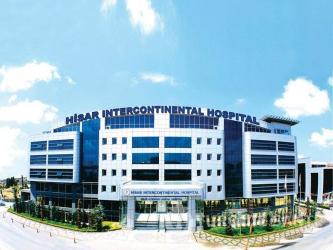
Joint Commission International - JCI HISAR INTERCONTINENTAL
International Organization for Standardization (ISO) HISAR INTERCONTINENTAL
ISO 9001:2008 HISAR INTERCONTINENTAL
HISAR INTERCONTINENTAL
Istanbul, Turkey
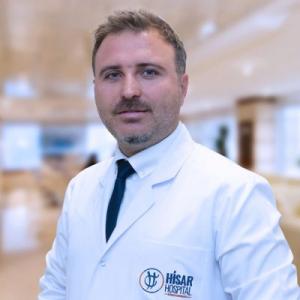
OP. Dr. Hasan Sahin

OP. Dr. Hasan Sahin

Graduate of GATA Medical School Specialization at Izmir Dokuz Eylul University. Specialist in aesthetic, plastic and reconstructive surgery. Experienced surgeon in craniofacial, hand and microsurgery. Expert in body contouring and ... Read more
Ömer Necip AYTUĞ

Ömer Necip AYTUĞ

4.4

Certifications :

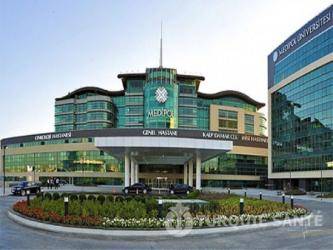
Joint Commission International - JCI LIV Vadistanbul
International Organization for Standardization (ISO) LIV Vadistanbul
ISO 9001:2008 LIV Vadistanbul
LIV Vadistanbul
Istanbul, Turkey
Prof. Dr. Adnan Sayar

Prof. Dr. Adnan Sayar

Asst. Prof. MD. Aslı Datlı

Asst. Prof. MD. Aslı Datlı

Main Specialty : Plastic, Reconstructive and Aesthetic Surgery Years of Experience : 9 years. Notable Trainings : Istanbul University, Istanbul Faculty of Medicine (2003–2009); Münster University, Germany (Erasmus, 2007–2008); Bağcılar ... Read more
4.4

Certifications :

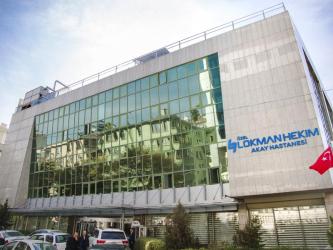
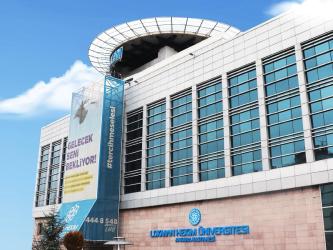
Joint Commission International - JCI LOKMAN HEKIM ISTANBUL
International Organization for Standardization (ISO) LOKMAN HEKIM ISTANBUL
ISO 9001:2008 LOKMAN HEKIM ISTANBUL
LOKMAN HEKIM ISTANBUL
Istanbul, Turkey
F. Nihal DURMUŞ KOCAASLAN, MD, Assoc. Professor

F. Nihal DURMUŞ KOCAASLAN, MD, Assoc. Professor

Main specialty: Plastic, reconstructive and aesthetic surgery Years of experience: Over 20 years  Notable training: Graduate of Kocaeli Faculty of Medicine (2004),Specialization in plastic surgery at Marmara University (2010),PhD in ... Read more
Op.Dr. Murat YAMAN M.D

Op.Dr. Murat YAMAN M.D

Main Specialty : Plastic, Reconstructive and Aesthetic Surgery Years of Experience : 11 years. Notable Trainings : Basic Microsurgery Course - Hacettepe University Reconstructive Microsurgery Association Memberships : Turkish Plastic, ... Read more
4.7

Certifications :

Joint Commission International - JCI LIV Ulus
International Organization for Standardization (ISO) LIV Ulus
ISO 9001:2008 LIV Ulus
LIV Ulus
Istanbul, Turkey
Prof. Dr. Adnan Sayar

Prof. Dr. Adnan Sayar

Asst. Prof. Dr. Aslı Datlı

Asst. Prof. Dr. Aslı Datlı

Main Specialty : Plastic, Reconstructive and Aesthetic Surgery Years of Experience : 10 years. Notable Trainings : Fellowship in Microsurgical Reconstructive Surgery at ASAN Medical Centre, Seoul, South Korea; Residency in Plastic, Reconstructive ... Read more
4.7

Certifications :

Joint Commission International - JCI MEMORIAL Şişli
International Organization for Standardization (ISO) MEMORIAL Şişli
ISO 9001:2008 MEMORIAL Şişli
MEMORIAL Şişli
Istanbul, Turkey
MD Çağatay ÇETİNKAYA

MD Çağatay ÇETİNKAYA

Atilla Adnan Eyüboğlu

Atilla Adnan Eyüboğlu

4.5

Certifications :

Joint Commission International - JCI MEMORIAL ANKARA
International Organization for Standardization (ISO) MEMORIAL ANKARA
ISO 9001:2008 MEMORIAL ANKARA
MEMORIAL ANKARA
Ankara, Turkey
Dr. Ümit Naci KARAÇAL

Dr. Ümit Naci KARAÇAL

Main specialty : Plastic, reconstructive and aesthetic surgery Years of experience : 24 years. Notable training : Hacettepe University Faculty of Medicine, Ankara Numune ... Read more
Alper URAL

Alper URAL

4.3

Certifications :

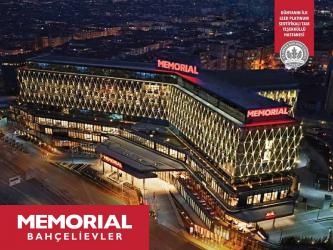
Joint Commission International - JCI MEMORIAL Bahçelievler
International Organization for Standardization (ISO) MEMORIAL Bahçelievler
ISO 9001:2008 MEMORIAL Bahçelievler
Leed Platinium Certificate MEMORIAL Bahçelievler
MEMORIAL Bahçelievler
Istanbul, Turkey
MD Evren Tevfik İşci

MD Evren Tevfik İşci

Main Specialty : Reconstructive and Aesthetic Plastic Surgery Years of Experience : 16 years. Notable Training : Hacettepe University Faculty of Medicine, Department of Plastic, Reconstructive, and Aesthetic Surgery Membership Associations : ... Read more
Dr. Mehmet DOĞRUER

Dr. Mehmet DOĞRUER

4.3

Certifications :

Joint Commission International - JCI Florence Nightingale
ISO 9001:2008 Florence Nightingale
Florence Nightingale
Istanbul, Turkey
Dr. Abdullah Eren

Dr. Abdullah Eren

Certifications :

Joint Commission International - JCI AMERICAN HOSPITAL
International Organization for Standardization (ISO) AMERICAN HOSPITAL
ISO 9001:2008 AMERICAN HOSPITAL
AMERICAN HOSPITAL
Istanbul, Turkey

Certifications :

Joint Commission International - JCI MEMORIAL Antalya
International Organization for Standardization (ISO) MEMORIAL Antalya
ISO 9001:2008 MEMORIAL Antalya
MEMORIAL Antalya
Antalya, Turkey
4.7

Certifications :

Joint Commission International - JCI ACIBADEM
International Organization for Standardization (ISO) ACIBADEM
ISO 9001:2008 ACIBADEM
ACIBADEM
Istanbul, Turkey
Dr. A.BÜLENT OKTAY

Dr. A.BÜLENT OKTAY

Certifications :

International Organization for Standardization (ISO) LOKMAN HEKIM Üniversitesi
ISO 9001:2008 LOKMAN HEKIM Üniversitesi
LOKMAN HEKIM Üniversitesi
Ankara, Turkey
Prof. Dr. Hülda Rıfat ÖZAKPINAR

Prof. Dr. Hülda Rıfat ÖZAKPINAR

Main specialty : Plastic, reconstructive and aesthetic surgery Years of experience : 28 years. Notable training : Faculty of Medicine, Ankara University (1995),Plastic Reconstructive and Aesthetic Surgery, Ankara University (1998),Research ... Read more
Op. Dr. Mesut TÜRKER

Op. Dr. Mesut TÜRKER

Main Specialty : Plastic, Reconstructive and Aesthetic Surgery Years of Experience : 2 years. Notable Education : Bachelor of Medicine at Ankara University (2024 – Present) Mastered Techniques : Surgery for congenital anomalies, maxillofacial ... Read more
4.7

You have consulted 7 / 37 Hospitals

Everything you will need for your medical trip

Medical opinion and estimates

Expert opinions and cost estimates

Pre-trip consultations

Understand your procedure before traveling.

Visa assistance

We assist our patients in obtaining their visas from the consulates.

Translation of your medical reports

We guarantee free and certified translation of your medical documents from all languages.

VIP Transport

Your transfers will be provided from the airport and your hotel.

Continuous Follow-up

You will be assisted by your attending doctor even after returning to your country, via videos or messages.

Experiences of our patients – Turquie Santé

Verified patient reviews

Abbou A.

Hello very good welcome, well received person speaking French doctor very explicit price a bit expensive and on all the paid parki..Read more


3.5
09/02/2026
This patient was treated for Botox
Walton A.

Everything went smoothly. The operation was a success. Communication was significantly easier when the translators were present. W..Read more


4.8
04/02/2026
This patient was treated for Full body lift surgery
Mohammad M A.

My rating for the hospital is excellent. I returned for a follow-up with the doctor, and the improvement was very good. The hospit..Read more


5.0
28/01/2026
This patient was treated for Septorhinoplasty
Emily White : Editorial Team Lead at Turquie Santécheck

Written by

Emily White

This content complies with the editorial policy of Turquie Santé. It was written by Emily White, Head of the Editorial Team, who has over 11 years of experience in scientific research and clinic management in Turkey. She ensures the reliability of medical information while making complex data accessible to everyone.

What is a pectus excavatum?

Funnel chest or pectus excavatum is a pathogenesis that affects the chest of both men and women, giving it a bowl shape. Few people know that the deviation of the central rib cage from ribs 3 to 7 is treatable, but it is the most common deformity of the sternum.

Indications for funnel chest surgery

This condition worsens during adolescence, usually from the age of 13. The thorax is characterized by a soft aspect throughout childhood and only becomes rigid after puberty. It is during this phase that the thorax becomes deformed, causing pain and even multiple complications such as :

Indeed, having a hollow chest is largely an aesthetic embarrassment, affecting the psychology of the patient. To solve this problem, the most recommended treatment is often surgical.

Therefore, pectus excavatum surgery can be performed for both aesthetic and functional reasons.

Diagnosis of pectus excavatum

The diagnosis of pectus excavatum in Turkey can be made with several tests recommended by your surgeon to check for associated heart and lung disease.

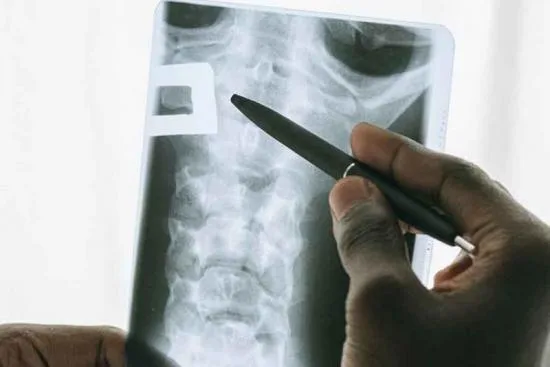
Chest X-ray test

A chest X-ray can detect and visualize the indentation in the sternum, helping to diagnose the disease. A surgeon will probably require this type of test to assess the severity of the thoracic deformity.

Funnel chest scan

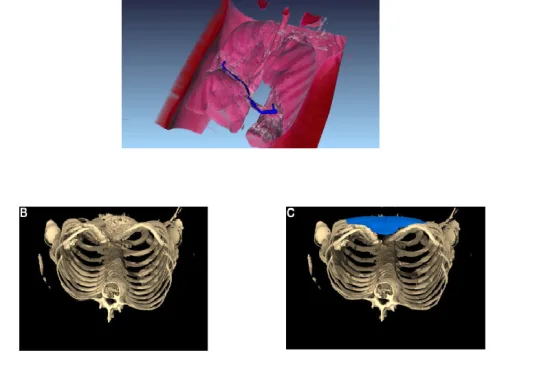
This test is used to detect the narrowing of the lungs and heart chambers. The thorax scanner emits electromagnetic rays, which are used to obtain cross-sectional images of the pectus excavatum. These show the structure of the bones and that of the organs and tissues delimiting the pectus. This enables the extent and severity of the deformity to be assessed. Thoracic MRI, on the other hand, provides highly detailed images of the diaphragm cavity.

Ultrasound technique (echocardiography)

Echocardiography, or ultrasound of the thorax, enables us to visualize the chest and especially the heart. This allows us to monitor muscle function and visualize the impact of pectus excavatum. These images facilitate functional analysis of the chest, heart, and valves. As a result, they detect any anomalies that may influence thoracic deformation.

Lung examination

The lung examination uses two types of tests to measure the quantity and speed of air expiration in the lungs: spirometry and expiratory flow measurement. The latter are also used to detect airway obstructions.

Pectus Excavatum Treatment Options

Whether you are seeking to resolve functional breathing issues or simply wish to restore the natural aesthetics of your chest, modern medicine now offers a full spectrum of solutions tailored to the severity of your condition and your personal recovery goals. From world-class surgical reconstructions to cutting-edge, non-invasive custom implants, Turkey's leading thoracic centers provide high-precision treatments designed to improve both your physical health and your self-confidence.

Surgical techniques: Restoring thoracic function

For patients experiencing physical symptoms such as cardiac compression or respiratory limitations, surgical intervention remains the gold standard. The Nuss procedure is the leading minimally invasive technique globally; it involves inserting one or more curved metal bars beneath the sternum to "push" it outward without the need for cartilage resection. Conversely, sternochondroplasty (often a modified Ravitch technique) is a more traditional reconstructive approach. This method is typically reserved for complex or highly asymmetrical cases, as it allows the surgeon to directly remodel the deformed costal cartilages and reposition the sternum with millimetric precision, ensuring a stable and permanent anatomical correction.

Minimally invasive or aesthetic options: Silhouette and contouring

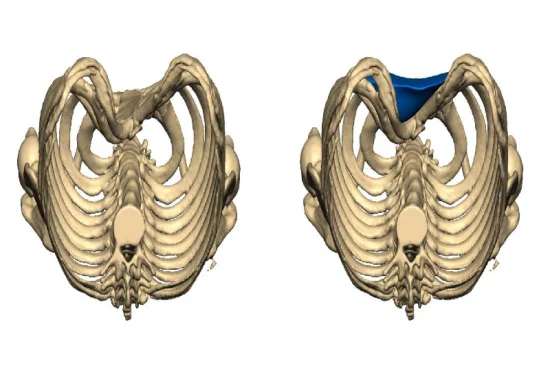
For individuals seeking to correct the chest's appearance without undergoing major structural bone surgery, innovative aesthetic alternatives offer significantly shorter recovery times. 3D custom-made implants represent a major technological breakthrough: designed via CAD (Computer-Aided Design) from the patient's CT scan, these medical-grade silicone implants perfectly fill the thoracic depression for a natural and lifelong result. For milder cases or to refine contours after an implant, lipofilling (autologous fat grafting) provides a 100% natural solution using the patient's own tissue. Finally, the Vacuum Bell offers a completely non-surgical pathway; by applying consistent negative pressure to the chest wall for several hours a day, it gradually lifts the sternum over time—a gentle method particularly effective for motivated adolescents and young adults.

Recovery After Pectus Excavatum Surgery

Recovery after pectus excavatum surgery is not a single straight line. It unfolds in stages, and understanding what to expect at each one makes the whole process far less daunting. The timeline varies depending on the technique used and your general health, but most patients are surprised by how quickly they start feeling the difference.

What recovery actually looks like

The first days are the most intense. You will spend 3 to 5 days in hospital, where the medical team manages your pain and monitors your breathing and vital signs closely. This is not a time to push through. Rest is part of the treatment.
By the second week, most patients are moving around at home and returning to light daily activities. The chest is still tender, but the worst discomfort is behind you.

Between one and three months, the changes become more tangible. Breathing feels easier, physical comfort improves, and the body gradually adapts to its new structure. Many patients describe this phase as the moment they start to feel the real benefit of the surgery.

From three to six months onwards, and subject to your surgeon's clearance, you can progressively return to sports and full physical activity. Every patient is different, and this timeline should always be discussed with your medical team.

One important detail for Nuss procedure patients

If your correction was performed using the Nuss technique, the metal bar placed during surgery will remain in position for 2 to 3 years. This is not a complication. It is a deliberate part of the process: the bar holds the chest wall in its corrected position while the bone and cartilage stabilize permanently. Removal is a short, straightforward procedure performed once the correction is fully consolidated.

The role you play in your own recovery

Your surgeon's instructions are not optional guidelines. Respecting activity restrictions, attending follow-up appointments, and reporting any unusual symptoms early are the three things that have the greatest impact on your long-term result. The surgery corrects the structure. What you do in the months that follow determines how well that correction holds.

Have questions about your specific situation? Send us your medical reports and receive a free, personalized evaluation from one of our specialists.

Who is a good candidate for pectus excavatum treatment?

Pectus excavatum treatment is suitable for patients who experience physical or psychological discomfort due to their chest deformity. Generally, the best candidates include:

Pectus excavatum treatment FAQ in Turkey

Can I play sports after pectus excavatum correction surgery?

Yes, but gradually. Light activities can be resumed after 4 to 6 weeks, while intensive sports or those that put strain on the chest should wait 3 to 6 months, depending on the surgeon's advice and the complete healing of the rib cage.

What is the recommended age to start treatment for pectus excavatum?

The best age to start treatment for pectus excavatum is usually between 10 and 16, while the body is still growing and the chest is more flexible. However, adults can also receive treatment if needed. A doctor will evaluate the severity and help determine the right time to start this treatment.

What are the risks of pectus excavatum surgery?

Pectus excavatum surgery can present a few risks:

  • Bleeding: Surgery can lead to excessive bleeding, although it is rare.
  • Infection: Infection may develop at the surgical site.
  • Post-operative pain and discomfort: Surgery may cause significant pain during the recovery period.
  • Displacement of metal bar: In Nuss surgery, where a metal bar is inserted to straighten the deformity, there is a risk of displacement or rotation of the bar.
  • Irritation or allergic reaction to the materials used: Some people may experience an allergic reaction or skin irritation to the materials used in surgery.
What are the benefits of pectus excavatum treatment?

There are several benefits to treating pectus excavatum. It can improve breathing, heart function, posture, and reduce chest pain or discomfort. Many people feel a significant boost in self-confidence and body image after treatment because the chest appears more normal and balanced.

Who to consult for a funnel chest?

If you have funnel chest, it’s best to start by seeing your regular doctor. They can evaluate the severity of your condition and refer you to a specialist. Depending on how it affects your health and confidence, a thoracic surgeon or a chest wall specialist can help you understand your options.

Share this page

Our assistants help you to get the best options in Pectus excavatum treatment