


Turquie Santé
Last update : 30/06/2026

Leukemia | Causes, symptoms, diagnosis & treatment in Turkey

Save 20 to 60% vs. European prices in internationally certified clinics
Get a free quote
Leukemia treatment Turkey
640+
patient reviews
Patient icon
600K+
Requests received since 2018
Clinique icon
22
Clinics
Trustpilot icon
4.6
Ville icon
5
Cities
Docteurs icon
1K+
Recognized doctors

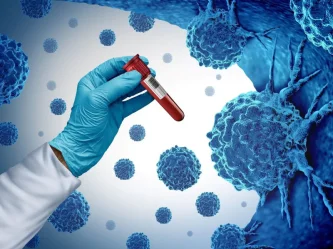
Treating leukemia requires more than controlling abnormal blood cells, it demands a personalized strategy based on the specific subtype of the disease, molecular findings, and the patient's overall condition. Modern leukemia care combines advanced diagnostics with innovative therapies to maximize treatment effectiveness while reducing complications.

In Turkey, specialized hematology centers provide comprehensive care, combining advanced diagnostic technologies with multidisciplinary expertise.

Why choose Leukemia treatment with Turquie Santé ?

Chirurgien icon

Expert surgeons and JCI certified hospitals

Économie icon

Prices 35% to 50% cheaper than in Europe

Organisation icon

Medical stay organized from A to Z

Prix icon

Direct prices without commission

Résultat icon

Free assistance

All about your Leukemia treatment in Turkey
Overview
Benefits
Payment

Verified reviews : 640

including 31 for Leukemia treatment

Requests processed : 59

Highly qualified professionals in accredited institutions.


We assist you before, during, and after your trip


Book with full transparency, no hidden fees or commissions.

You will pay your clinic directly using these available methods:
Transfer

Among our doctors

Verified testimonials from our patients

Different types of leukemia

Leukemias are generally divided into acute and chronic forms, depending on how quickly the disease progresses.

In acute leukemia, cancer cells multiply rapidly and symptoms appear early. In chronic leukemia, however, malignant cells tend to multiply more slowly, although they accumulate in greater numbers.

Lymphocytic leukemia

Lymphocytic leukemia is a type of leukemia that affects white blood cells called lymphocytes. Lymphocytes are part of the immune system and help fight infections.

There are two main types of lymphocytic leukemia:

  • Acute lymphocytic leukemia (ALL): This is the form in which the disease progresses rapidly and complications quickly become dangerous. It is most common in children.
  • Chronic lymphocytic leukemia (CLL): This is a slow-growing type of leukemia that occurs most often in adults. This form of the disease can sometimes go undetected for several years.

Myeloid leukemia

Myeloid leukemia is a form of blood cancer that affects the myeloid blood cells in the bone marrow. Myeloid cells are a type of white blood cell that helps fight infection.

There are two types of myeloid leukemia:

  • Acute myeloid leukemia (AML).
  • Chronic myeloid (myelocytic or granular) leukemia (CML).

Causes of leukemia

The exact causes of leukemia are not well understood. However, it is known that genetic and environmental factors play a key role in its development.

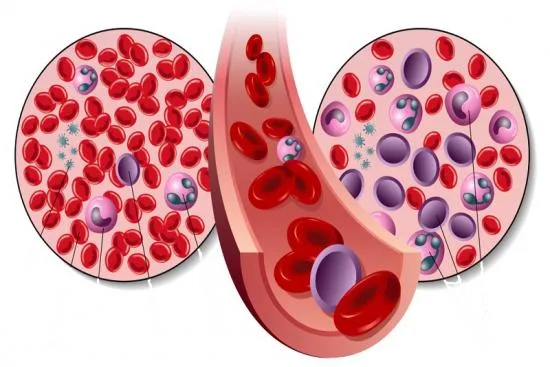
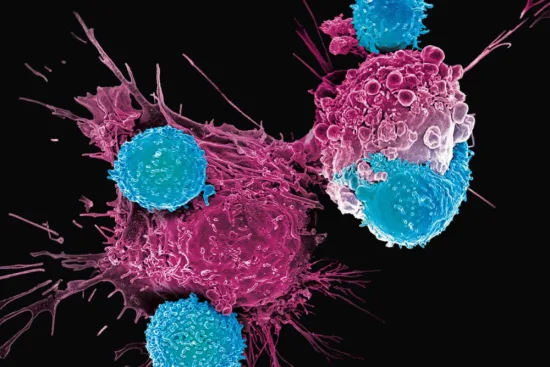
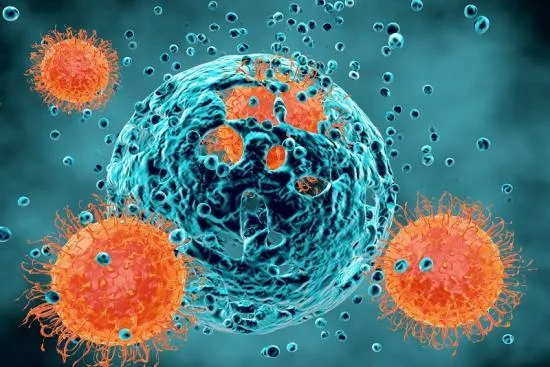
In general, leukemia occurs when certain blood cells undergo DNA mutations. These chromosomal and/or genetic changes promote abnormal proliferation of the affected cells, which divide more rapidly and survive longer than healthy cells.

These changes are not inherited from parents or passed on to offspring, but occur during the course of life in association with the disease itself.

Risk factors

Several factors have been identified that increase the risk of developing leukemia:

  • Prolonged exposure to toxic chemicals, especially benzene and its derivatives.
  • Exposure to high levels of radiation, such as that used in radiation therapy or chemotherapy.
  • Smoking increases the risk of harmful genetic mutations.
  • Chromosomal and genetic abnormalities that may promote malignant transformation of blood cells.
  • Certain pre-existing blood disorders, such as myelodysplastic syndromes, affect cell production.
  • Hereditary factors, such as Down syndrome, which is associated with an increased risk of leukemia.
  • A family history of leukemia, which appears to increase the risk in close relatives slightly.

Although the exact cause of leukemia remains uncertain, a healthy lifestyle is essential to reduce the risk. Smoking should be avoided, and protective measures should be taken at work, especially when exposed to chemicals or radiation.

Regular medical checkups, including a complete blood count, will help monitor bone marrow function and detect any abnormalities early.

Symptoms of Leukemia

In the early stages of chronic leukemia, there may be no symptoms at all because the leukemia cells are not interfering with the functions of other cells. In acute leukemia, however, symptoms appear quickly and can progress very rapidly.

Like other blood cells, leukemia cells circulate throughout the body, and symptoms vary depending on their number and location. Symptoms typically include persistent fatigue, night sweats, fever, headache, paleness, unexplained weight loss, and increased susceptibility to infection. Bone and joint pain, frequent bleeding, enlarged spleen and swollen lymph nodes may also occur.

Sometimes leukemic blasts can invade organs such as the stomach, intestines, kidneys, lungs, or nervous system. This leads to specific symptoms that indicate dysfunction of the affected organ.

Not all of these symptoms are sure signs of leukemia, as they can be associated with many other diseases. It is therefore necessary to consult your doctor to find out more about the nature of the disorders.

Diagnosis of Leukemia

Diagnosing leukemia requires a thorough medical evaluation by a hematologist. The first step in this evaluation is to look for any enlargement of the lymph nodes, liver, or spleen. This is followed by a series of tests, including a complete blood count and a bone marrow sample, which are essential to make an accurate diagnosis and guide the choice of treatment.

At the same time, radiologic studies and a lumbar puncture of the cerebrospinal fluid may be ordered to rule out or confirm the involvement of other organs in the leukemic process.

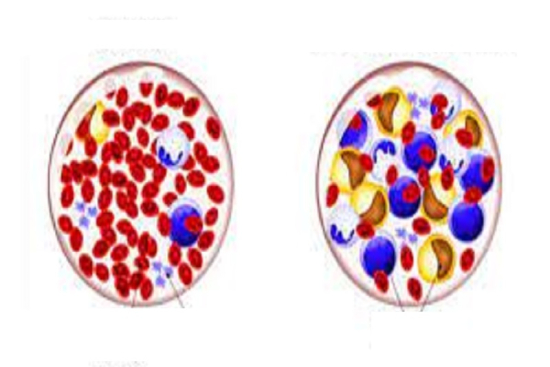
Blood tests, including a complete blood count and indicators of liver and kidney function, provide valuable information. In leukemia, white blood cell, red blood cell, and platelet counts are often altered relative to established norms.

This diagnostic process allows cancer cells to be distinguished from normal blood cells, contributing to accurate diagnosis and appropriate treatment.

Leukemia treatment in Turkey

Leukemia treatment in Turkey is a very delicate process aimed at eradicating leukemia cells without affecting healthy cells. The choice of the appropriate treatment depends on several factors, including the patient's age, the stage of the cancer, and the patient's health.

The main leukemia treatments in Turkey include:

Chemotherapy process

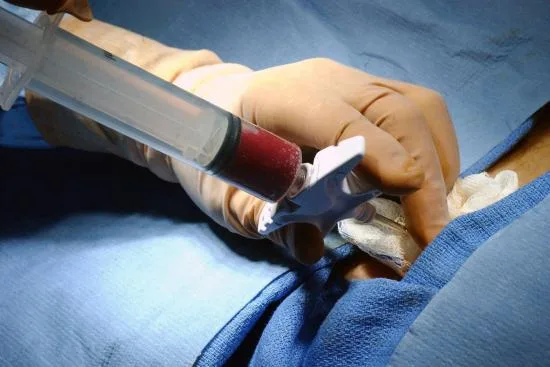
This treatment aims to inject chemicals into the patient's body so that they destroy leukemia cells and allow healthy cells to be produced. The use of different anticancer drugs is required. Two types of chemotherapy are used:

  • Intensive chemotherapy.
  • Non-intensive chemotherapy.

Stem Cell Transplant (Bone Marrow)

After chemotherapy, the patient receives a stem cell (bone marrow) transplant to replace the destroyed cells. The transplant is also designed to allow the bone marrow to re-form to produce healthy blood components. Bone marrow transplants are not available for people over the age of 55.

Additional treatments

Depending on the patient's case, other leukemia treatments may be used. These may include:

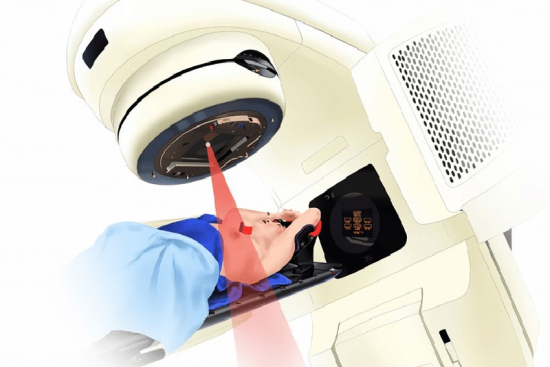
  • Radiotherapy: uses radiation or other types of energy to kill leukemia cells.
  • Targeted therapy: uses drugs that block the growth and division of leukemia cells.
  • Immunotherapy: stimulates the patient's immune system to attack leukemia cells.
  • Supportive care.

Side effects of blood cancer treatments

Leukemia treatments, especially chemotherapy, can have serious effects on the patient's body. These side effects include:

  • Nausea and vomiting.
  • Hair loss.
  • Fatigue and lack of energy.
  • Loss of appetite and weight.
  • Heart problems.
  • Anemia due to low blood cell counts.
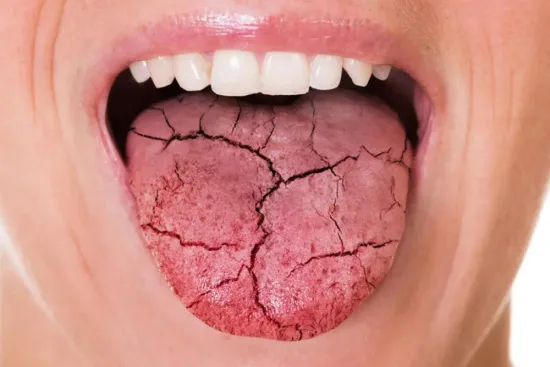
  • Mucositis (inflammation of the lining of the mouth).

To help manage these side effects, medications are available to help patients recover.

How it works ?

2
Services
We look for the best option for your case & budget
3
Hospital
Evaluating a care plan with the best quote
4
airplane
Making appointments & Organization of your trip
5
Health care
Ongoing support until you return home

Get a free medical opinion on Leukemia treatment with our 22 Recognized Clinics

Certifications :

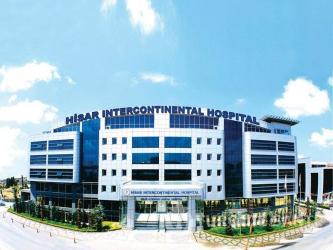
International Organization for Standardization (ISO) HISAR INTERCONTINENTAL
TÜV SÜD ISO 9001:2008 - Quality Management Certification HISAR INTERCONTINENTAL
JCI - Joint Commission International HISAR INTERCONTINENTAL
HISAR INTERCONTINENTAL
Istanbul, Turkey
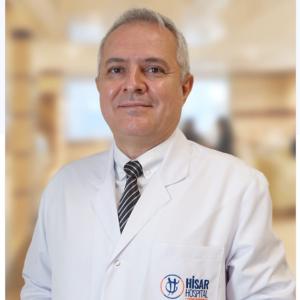
DR. MUSTAFA SOLAK
Main specialty: Medical oncology Years of experience: Over 20 years Notable training: Medical degree, Hacettepe University; specialization in medical oncology, Şişli Etfal Training and Research Hospital, Istanbul; subspecialization in ... Read more
4.4(220 Reviews)
Price on request

Certifications :

JCI - Joint Commission International LOKMAN HEKIM ISTANBUL
TÜV SÜD ISO 9001:2008 - Quality Management Certification LOKMAN HEKIM ISTANBUL
International Organization for Standardization (ISO) LOKMAN HEKIM ISTANBUL
4.7(65 Reviews)
Price on request

Certifications :

JCI - Joint Commission International MEMORIAL Şişli
TÜV SÜD ISO 9001:2008 - Quality Management Certification MEMORIAL Şişli
International Organization for Standardization (ISO) MEMORIAL Şişli
MEMORIAL Şişli
Istanbul, Turkey
Prof. Betül Tavil
Main Specialty : Oncology Years of Experience : 19 years. Notable Trainings : Hacettepe University Faculty of Medicine, Ankara Pediatric Health and Diseases Hematology Oncology Training and Research Hospital. Languages Spoken : English, ... Read more
Mehmet Akif Öztürk
Graduated in medicine from Marmara University (2003),specializing in internal medicine (2009) and medical oncology at Cerrahpaşa University (2012). Mandatory service at Hatay Antakya State Hospital (2012-2014),became assistant professor in ... Read more
4.5(34 Reviews)
Price on request

Certifications :

AOSpine International — Global Spine Care Organization LIV Vadistanbul
Eurocrine — Endocrine Surgery Quality Registry LIV Vadistanbul
JCI - Joint Commission International LIV Vadistanbul
SRC — Center of Excellence (Colorectal Surgery) LIV Vadistanbul
4.4(10 Reviews)
Price on request
Get a free expert opinion via our Medical Quiz
Have you ever undergone a Leukemia treatment ?

Certifications :

TÜV SÜD ISO 9001:2008 - Quality Management Certification LIV Ulus
SRC — Center of Excellence (Colorectal Surgery) LIV Ulus
International Organization for Standardization (ISO) LIV Ulus
JCI - Joint Commission International LIV Ulus
LIV Ulus
Istanbul, Turkey
Prof. Dr. Emre Merdan Fayda
Main Specialty : Oncology Years of Experience : 24 years. Notable Education : İstanbul University, İstanbul Medical Faculty, Bachelor’s Degree (1993-1999); İstanbul University Oncology Institute, Assoc. Prof. (2012-.....); Stereotactic ... Read more
4.7(1 Reviews)
Price on request

Certifications :

TÜV SÜD ISO 9001:2008 - Quality Management Certification MEMORIAL ANKARA
International Organization for Standardization (ISO) MEMORIAL ANKARA
JCI - Joint Commission International MEMORIAL ANKARA
4.3(2 Reviews)
Price on request

Certifications :

International Organization for Standardization (ISO) MEMORIAL Bahçelievler
JCI - Joint Commission International MEMORIAL Bahçelievler
TÜV SÜD ISO 9001:2008 - Quality Management Certification MEMORIAL Bahçelievler
Leed Platinium Certificate MEMORIAL Bahçelievler
4.3(23 Reviews)
Price on request

Certifications :

International Organization for Standardization (ISO) NP BRAIN
JCI - Joint Commission International NP BRAIN
4.7(4 Reviews)
Price on request

Certifications :

TÜV SÜD ISO 9001:2008 - Quality Management Certification Florence Nightingale
JCI - Joint Commission International Florence Nightingale
4.7(10 Reviews)
Price on request

Certifications :

International Organization for Standardization (ISO) AMERICAN HOSPITAL
JCI - Joint Commission International AMERICAN HOSPITAL
TÜV SÜD ISO 9001:2008 - Quality Management Certification AMERICAN HOSPITAL
4.7(5 Reviews)
Price on request

Certifications :

JCI - Joint Commission International MEMORIAL Antalya
TÜV SÜD ISO 9001:2008 - Quality Management Certification MEMORIAL Antalya
International Organization for Standardization (ISO) MEMORIAL Antalya
MEMORIAL Antalya
Antalya, Turkey
Prof. Dr. Akın YILDIZ
Main specialty : Nuclear Medicine Years of experience : 32 years. Notable training : Mount Sinai Medical Center, 2010; Dokuz Eylul University Faculty of Medicine, 1993 - 1997; Akdeniz University Faculty of Medicine, 1988 - 1991. Mastered ... Read more
4.7(1 Reviews)
Price on request

Certifications :

International Organization for Standardization (ISO) ACIBADEM
TÜV SÜD ISO 9001:2008 - Quality Management Certification ACIBADEM
JCI - Joint Commission International ACIBADEM
4.6(172 Reviews)
Price on request

Certifications :

International Organization for Standardization (ISO) LOKMAN HEKIM Üniversitesi
TÜV SÜD ISO 9001:2008 - Quality Management Certification LOKMAN HEKIM Üniversitesi
LOKMAN HEKIM Üniversitesi
Ankara, Turkey
Assoc. Prof. Dr. Yilmaz Ozdemir
Main Specialty : Oncology Notable Training : Associate Professor of General Surgery Mastered Techniques : General Surgery, Robotic Surgery, Oncologic Surgery, HIPEC (Hyperthermic Intraperitoneal Chemotherapy),Advanced Laparoscopic Surgery Notable ... Read more
Prof. Dr. Nurullah ZENGİN
Main Specialty : Medical Oncology Years of Experience : 23 years. Notable Training : Doctorate in Medicine, Specialization in Internal Medicine, Specialization in Medical Oncology. Notable Achievements : President of the National Cancer Council, ... Read more
4.7(1 Reviews)
Price on request

You have consulted 7 / 22 Hospitals

Related medical articles

Everything you will need for your medical trip

Medical opinion and estimates

Expert opinions and cost estimates

Pre-trip consultations

Understand your procedure before traveling.

Visa assistance

We assist our patients in obtaining their visas from the consulates.

Translation of your medical reports

We guarantee free and certified translation of your medical documents from all languages.

VIP Transport

Your transfers will be provided from the airport and your hotel.

Continuous Follow-up

You will be assisted by your attending doctor even after returning to your country, via videos or messages.

Experiences of our patients – Turquie Santé

Emily White : Medical Content Team Manager at Turquie Santécheck

Written by

Emily White

This content complies with the editorial policy of Turquie Santé. It was written by Emily White, Head of the Editorial Team, who has over 11 years of experience in scientific research and clinic management in Turkey. She ensures the reliability of medical information while making complex data accessible to everyone.

Doç. Dr. Mustafa Emre ERCİNcheck

Reviewed by Doç. Dr. Mustafa Emre ERCİN

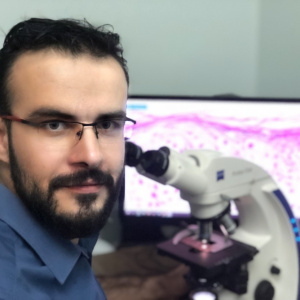
Dr. Mustafa Emre Ercin is an Associate Professor of pathology, an expert in cellular analysis and tissue diagnosis at LHU Ankara. A key link between research and clinical practice, he validates the terminological and diagnostic accuracy of our content, ensuring laboratory analysis explanations are scientifically exact.

Leukemia treatment FAQ in Turkey

Why choose Turkey for leukemia treatment?

Turkey offers hospitals accredited by the Joint Commission International, specialized hematologists, and advanced treatments (immunotherapy, targeted therapies, stem cell transplantation) at costs 30–50% more affordable than in Europe, with fast access for international patients.

What is the cost of leukemia treatment in Turkey?

The cost varies depending on the type of leukemia and the chosen treatment protocol. In Turkey, treatments (chemotherapy, immunotherapy, stem cell transplantation) are on average 30–50% less expensive than in Western Europe. A personalized quote is provided after reviewing the medical file.

Which age groups are most affected by leukemia?

Leukemia can occur at any age. Acute lymphoblastic leukemia is common in children (2–5 years old),while chronic lymphocytic leukemia mainly affects adults over 60 years old.

How long does leukemia treatment last?

Acute leukemias generally require 6 to 24 months of intensive treatment. Chronic forms may require long-term therapy over several years, depending on the response to treatment.

Is leukemia a curable disease?

Some acute leukemias can be cured with intensive treatment and stem cell transplantation. Chronic forms can often be controlled long-term with modern targeted therapies.

Procedures available for this specialty

Share this page

Our assistants help you to get the best options in Leukemia treatment