Pain under the right rib cage, jaundice appearing suddenly, or an imaging scan revealing stones in the bile ducts, and then a word you may never have heard before: choledochotomy. It is completely natural to feel anxious and have questions.
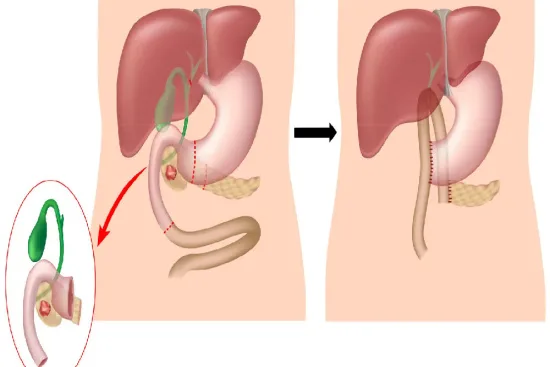
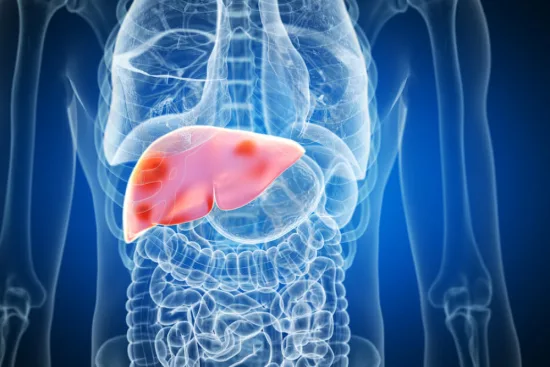
Choledochotomy is a surgical procedure that involves incising the common bile duct (the duct connecting the liver to the intestine) to remove an obstruction, most commonly gallstones, but sometimes more complex blockages. It is generally considered when less invasive options, such as endoscopy (ERCP),are insufficient or technically impossible.
This guide explains when this surgery is necessary, how it is performed step by step, what to expect during recovery, and why Turkey, specifically the partner clinics of Turquie Santé, is an increasingly chosen destination for this procedure.
Why choose Choledochotomy with Turquie Santé ?
Expert surgeons and internationally certified hospitals
Substantial savings compared with European prices
Medical stay organized from A to Z
Direct prices without commission
Free assistance
All about your Choledochotomy in Turkey
Overview
Benefits
Payment
Verified reviews : 819
Highly qualified professionals in accredited institutions.
We assist you before, during, and after your trip
Book with full transparency, no hidden fees or commissions.
You will pay your clinic directly using these available methods:
Honestly, it was an amazing experience for me — everything was perfect from the moment I arrived. The care was excellent; I have nothing negative to say. If I were to have another surgery, I would choose Turquie Santé without hesitation.
Bálint
12/07/2026
An excellent experience from start to finish. From the very first moment we felt accompanied and cared for in every detail, as if we were the protagonists of a well-organized film where nothing was left to chance. I write this review in detail because I believe anyone considering it deserves to know not only that everything went well, but why.
COORDINATION: From the beginning Emily coordinated everything for us—always attentive, approachable, and available for any question. In addition, throughout the process we had an online assistant who guided us continuously. We had all the necessary information at our disposal, both to find our way and for our comfort. At no point did we feel lost.
TRANSFERS: Impeccable. We never had to wait even once. The quality and treatment were exceptional; the transfer vehicle itself was on the level of a luxury hotel. Transfers to follow-up appointments were also always punctual and in clean vehicles.
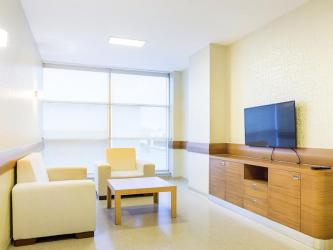
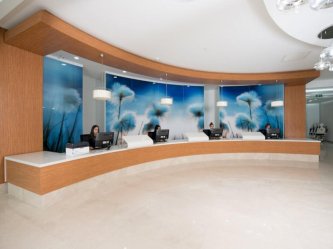
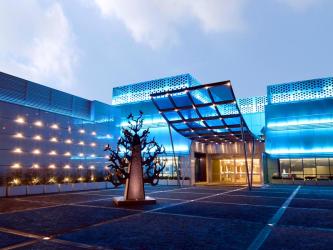
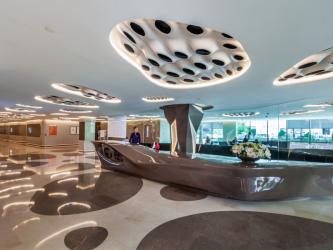
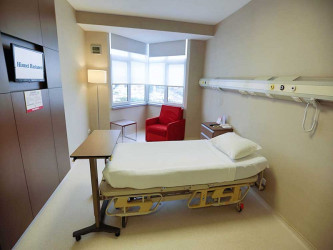
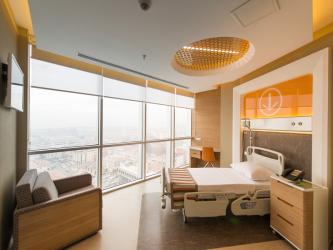
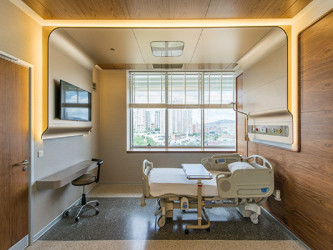
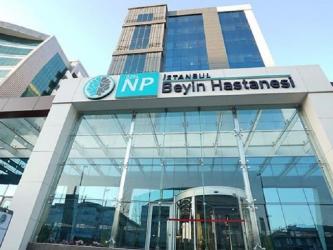
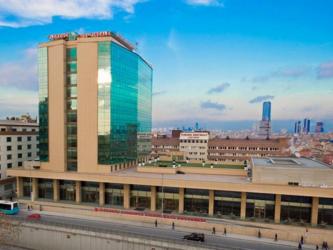
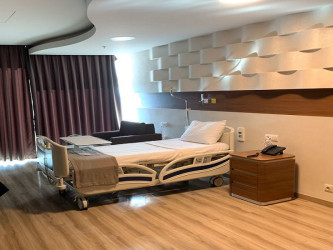
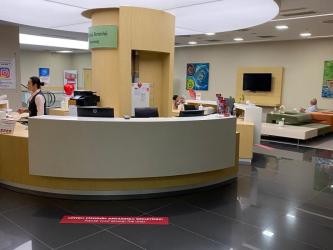
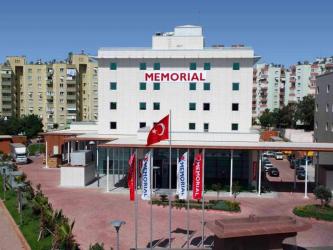
THE HOSPITAL: A modern, attractive building with top-level staff and equipment. The room was comparable to a luxury hotel. The stay includes full board, with three substantial meals a day for both the patient and the companion. The hospital even has its own café.
THE PROCESS: We spent 3 nights in the hospital (plus the night of arrival, since we landed after 8 p.m.). That first night they carried out all the preparatory tests without delay. The next morning we met the doctor and everything proceeded as planned, precisely on time. The doctor worked excellently and was very kind. Recovery was quick, painless, and without complications.
OUR LOCAL ASSISTANT, ISMAEL: He deserves a special mention. He helped us with everything and was always available when we needed him. It makes a real difference to feel that someone is looking out for you at all times.
THE SURROUNDINGS: Around the hospital there are shops, a pharmacy, and green areas with parks where the companion can relax. If desired, you can also get to know some of the local culture.
THE HOTEL: After the hospital we were moved for 3 nights to a lovely, quiet, and clean 4-star hotel, ideal for the recovery period. The food was delicious, varied, and of good quality. Less than 500 meters away there were shops and restaurants, so everything needed was within easy reach.
THE CARE: Everyone was very kind, including people on the street. Before we left they gave us all the information about the medication, and contact remains ongoing: if you have any doubts, they help immediately.
In short: professionalism, warmth, and impeccable organization at every stage. Thanks to Emily and the whole team at Turquie Santé. I recommend them wholeheartedly.
InTHE Era
28/06/2026
C'est le meilleur hôpital pour tous vos besoins, et il dépasse mes attentes. Bravo à toute l'équipe qui a rendu ce voyage si fluide. Du chauffeur au médecin, tout le monde a été extrêmement accueillant et a bien géré mon état. Ils étaient tous bien préparés malgré quelques contretemps en cours de route, mais ils ont tout rectifié rapidement. Je n'ai aucune autre plainte. Merci beaucoup, et j'ai hâte de revenir bientôt pour mon rendez-vous de suivi.
Achraf Noufile
17/06/2026
Very satisfied, thank you for your professionalism.
Tevaearai Klint
06/05/2026
Hello,
I had a nasal reconstruction and I'm torn between being "happy with the result" and "disappointed with the result" because, aesthetically, the nose looks good but when I touch it a piece of bone hasn't fully integrated — it cracks and you can feel it move when I touch my nose. Also, around the nostrils the nose is very hard because the doctor added cartilage horizontally without asking me.
I therefore have to have another surgery to remove that cartilage and reinforce the part that keeps cracking.
Carly PETIT
20/04/2026
Very good care. Very well organized, no unpleasant surprises. I am very satisfied.
Shanel Lebegge
17/04/2026
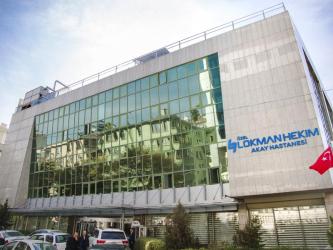
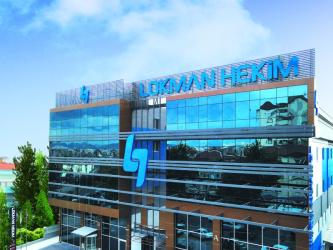
Hospital!!!! LOKMAN HEKIM ISTANBUL!!! AVOID!!! I took my direct return flight and left that hospital — they did a blood draw. They paralyzed my hand. Terrible reception, they only talk about money and they treat you like crap. I went back home, and don't anyone try to tell me otherwise, because I have proof: my hand was all blue and paralyzed from a simple blood draw. My cousin and I bailed!! Don't make the mistake of going there! We arrived; I was supposed to be fasting. I didn't even get a drop of water, and when I asked, they grumbled!!!
Main Specialty : Gastroenterology
Notable Trainings : Gazi University Faculty Of Medicine (Gastroenterology Minor Specialization Training),SSK Dışkapı Training and Research Hospital (Internal Diseases Specialization Training),Johns Hopkins University, ... Read more
Prof. Dr. Erdem Koçak
Main Specialty : Gastroenterology
Years of Experience : 18 years.
Notable Trainings : Istanbul University, Faculty of Medicine - 2000; Zonguldak Karaelmas University Faculty of Medicine, Department of Internal Medicine - 2005; Ankara Training and Research ... Read more
Main specialty: Gastroenterology and hepatology
Years of experience: Over 45 years
Notable training: Medical degree, Hacettepe University (1980); specialization in internal medicine, Çukurova University (1985); specialization in gastroenterology, Marmara ... Read more
TARIK AKAR, M.D.
Main specialty: Gastroenterology and hepatology
Years of experience: 22 years
Notable training: Medicine at Istanbul Cerrahpaşa University; specialization in internal medicine and gastroenterology in Ankara; advanced training in endoscopy in Korea
Notable ... Read more
Main Specialty : Gastroenterology
Years of Experience : 21 years.
Notable Trainings : Abant İzzet Baysal University, Medical Faculty (2002),Internal Medicine Specialization Training (2007),Gastroenterology Department Specialization Training ... Read more
Main Specialty : Gastroenterology
Years of Experience : 8 years.
Notable Trainings : S.B.Ü Haydarpaşa Numune Training and Research Hospital, Gastroenterology - 2015-2018; Yeditepe University Faculty of Medicine - 2011-2015; S.B. Erciş State Hospital, ... Read more
Prof. Dr. İrfan Koruk
Main Specialty : Gastroenterology
Years of Experience : 24 years.
Notable Trainings : Ankara University Faculty of Medicine, Ankara Numune Training and Research Hospital Internal Medicine Specialty, Türkiye Higher Specialized Training and Research ... Read more
Main Specialty : Gastroenterology
Years of Experience : 5 years.
Notable Education : Azerbaijan Medical University, Gaziantep University, Gazi University.
Mastered Techniques : ERCP, Removal of Stomach and Intestinal Polyps, Percutaneous Endoscopic ... Read more
Assoc.Prof. Özlem GÜL
Main specialty : Gastroenterology
Years of experience : 15 years.
Notable training : Karadeniz Technical University Faculty of Medicine, Ondokuz Mayıs University Faculty of Medicine, Gazi University Faculty of Medicine, The Johns Hopkins Medicine School ... Read more
4.7 / 5
(1 Reviews)
Price on request
You have consulted 7 / 34 Hospitals
Everything you will need for your medical trip
Medical opinion and estimates
Expert opinions and cost estimates
Pre-trip consultations
Understand your procedure before traveling.
Visa assistance
We assist our patients in obtaining their visas from the consulates.
Translation of your medical reports
We guarantee free and certified translation of your medical documents from all languages.
VIP Transport
Your transfers will be provided from the airport and your hotel.
Continuous Follow-up
You will be assisted by your attending doctor even after returning to your country, via videos or messages.
This content complies with the editorial policy of Turquie Santé. It was written by Emily White, Head of the Editorial Team, who has over 11 years of experience in scientific research and clinic management in Turkey. She ensures the reliability of medical information while making complex data accessible to everyone.
Anatomy of the common bile duct and surgical indications:
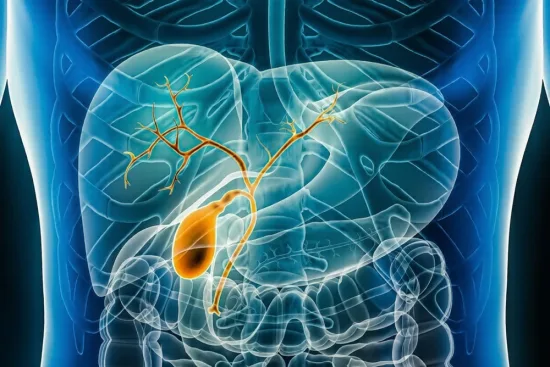
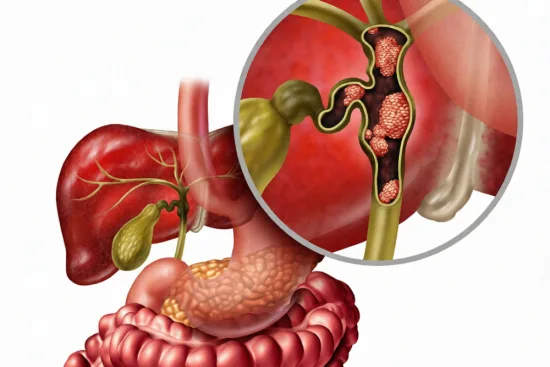
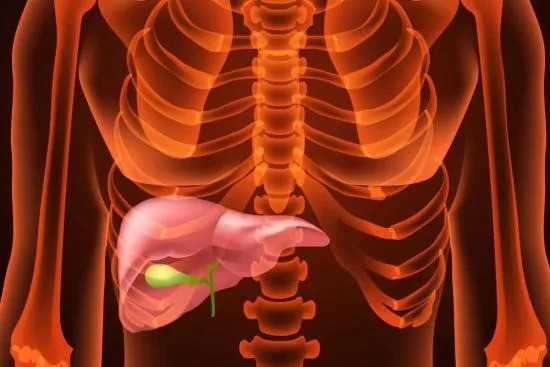
The common bile duct (choledochus) is a tubular structure approximately 6-8 cm in length and 4-8 mm in diameter. It carries bile produced by the liver to the duodenum via the ampulla of Vater. Any obstruction, whether caused by stones (choledocholithiasis),inflammation, or a tumor, can trigger obstructive jaundice, acute cholangitis, or biliary pancreatitis.
Choledochotomy is indicated in the following clinical situations:
Residual choledocholithiasis not accessible via endoscopic retrograde cholangiopancreatography (ERCP).
Benign or malignant stricture of the common bile duct.
Primary sclerosing cholangitis with proximal dilatation.
Intraoperative exploration guided by cholangiography.
In Turkey, surgeons at Turquie Santé partner centers systematically perform a comprehensive pre-operative work-up, including endoscopic ultrasound (EUS),magnetic resonance cholangiopancreatography (MRCP),and liver function tests.
Types of choledochotomy: Open surgery vs. laparoscopic approach
The choice of technique depends primarily on case complexity, patient anatomy, and the surgical team's expertise.
Laparoscopic approach (Minimally invasive)
The preferred technique when anatomical conditions allow:
3 to 5 incisions of 5-12 mm
Hospital stay: 2 to 4 days
Return to activities: 10 to 14 days
Reduced post-operative pain
Success rate: 92-97%
At Turquie Santé partner clinics in Turkey, over 78% of choledochotomies are performed laparoscopically, compared to approximately 55% in European averages, reflecting the high level of equipment and expertise available.
Open surgery (Laparotomy)
Indicated in complex or high-risk situations:
Right subcostal incision
Hospital stay: 5 to 7 days
Return to activities: 4 to 6 weeks
Indicated for difficult anatomy, severe inflammation, or multiple prior surgeries
Success rate: 94-98%
This technique provides superior surgical exposure, necessary in cases where laparoscopy would be unsafe or technically inadequate.
How is choledochotomy performed in Turkey? Step-by-step
Choledochotomy is a precise surgical procedure conducted under strict protocol. Each phase aims to safely remove the obstruction while preserving the integrity of the biliary ducts.
Pre-operative consultation and imaging: MRCP, biliary EUS, liver function tests, and blood group. Turkish surgeons systematically include a French-language coordination consultation for international patients.
General anesthesia: The procedure is performed under general anesthesia with orotracheal intubation. Operating time typically ranges from 1 hour 30 minutes to 2 hours 30 minutes.
Surgical access and common bile duct identification: Pneumoperitoneum creation (laparoscopy) or subcostal incision (laparotomy). The surgeon dissects the hepatic pedicle, using the critical view of safety technique to precisely identify biliary structures.
Intraoperative cholangiography: Contrast injection through the cystic duct to map the biliary tree and localize residual stones before incision.
Incision and exploration of the common bile duct: Longitudinal choledochotomy of 10-15 mm. A flexible cholangioscope is introduced to visualize the duct interior. Stones are extracted with forceps or laser lithotripsy, if required.
Drainage and closure: Placement of a T-tube (Kehr drain),or primary closure over a suction drain. Suture of the common bile duct with 4/0 absorbable sutures.
Recovery and post-operative monitoring: Transfer to the PACU (post-anesthesia care unit),then to an individual room. Liquid diet resumes on Day 1, solid food on Days 2-3.
Convalescence and follow-up: Your recovery after choledochotomy
Recovery time varies according to the surgical technique and your clinical profile. Modern management applies Enhanced Recovery After Surgery (ERAS) protocols to minimize post-operative impact.
Recovery indicator
Laparoscopy (Minimally invasive)
Laparotomy (Open surgery)
Hospital stay
2 to 4 days
5 to 7 days
Sick leave
10 to 14 days
4 to 6 weeks
Sports activities
Gradual resumption at 4 weeks
Prohibited for 6-8 weeks
Lifting (>5 kg)
3 weeks
Minimum 6 weeks
Kehr T-tube management
In certain cases, a T-tube (Kehr drain) is placed in the biliary tract to ensure decompression of the common bile duct.
Removal: generally between Day 10 and Day 14.
Mandatory check: radiological examination (control cholangiography) performed before removal to confirm complete bile duct clearance.
International post-operative follow-up protocol
The success of surgery abroad depends on the quality of follow-up once you return home. Turquie Santé's program secures your convalescence through structured monitoring:
Specialist teleconsultations: Three key appointments with your surgeon (Day 7, Day 30, Day 90) to monitor healing and biliary function.
Medical coordination: Systematic translation and transmission of your operative and hospitalization reports to your referring physician.
24/7 assistance: A direct line with medical coordination to answer any questions during the first weeks.
Expert tip: Light daily walking from the day after surgery is recommended to prevent thromboembolic complications and promote intestinal transit.
What are the risks of choledochotomy?
Choledochotomy is a low-risk biliary surgery, with complication rates typically below 5% in experienced centers. Serious complications are rare, and overall mortality remains under 0.3% in accredited hospitals.
Most common complications:
Understanding the most frequent complications helps anticipate potential outcomes and manage them effectively.
Bile leak (2-5%): Often resolves spontaneously without reoperation
Surgical site infection (1-3%): Reduced with antibiotic prophylaxis
Residual stones (3-8%): Usually treated with ERCP
Biliary stricture (<1%): Rare, mainly in complex cases
Most complications can be managed without additional surgery, particularly with minimally invasive techniques, such as ERCP.
When to seek medical attention?
Recognizing early warning signs is essential to ensure prompt and effective treatment.
Contact your doctor promptly if you experience:
Persistent abdominal pain
Fever or chills
Jaundice or digestive disturbances
How to reduce the risk of complications?
Several preventive measures can significantly lower the likelihood of post-operative complications.
Choledochotomy vs. cholecystectomy: What is the difference?
Cholecystectomy and choledochotomy are two distinct biliary procedures: The first removes the gallbladder, while the second opens the common bile duct to remove obstructions.
Although they both treat gallstone-related conditions, they differ in purpose, complexity, and indications.
Key differences between the two procedures
Understanding how these procedures differ helps clarify why they are often used in different clinical situations.
Criteria
Cholecystectomy
Choledochotomy
Definition
Removal of the gallbladder
Incision of the common bile duct
Main objective
Eliminate the source of stones
Remove stones in the bile ducts
Main indication
Gallstones (cholelithiasis)
Stones in the common bile duct
Frequency
Very common
Less frequent
Complexity
Low to moderate
Higher
Technique
Mostly minimally invasive
Minimally invasive or open
Operating time
Short
Longer
Hospital stay
1-3 days
2-7 days
Non-surgical alternative
Rare
Possible (ERCP)
Final goal
Prevent recurrence
Treat complication
Why are both procedures sometimes combined?
In some patients, gallstones are present both in the gallbladder and in the bile ducts, requiring a combined approach.
Single-stage treatment: Both issues are addressed during the same operation.
Better clinical outcomes: Reduces the need for additional procedures.
Widely practiced approach: A significant proportion of choledochotomies are performed alongside cholecystectomy.
Clinical insight: Does removing the gallbladder affect digestion?
This is a common concern among patients considering surgery.
The gallbladder stores bile but does not produce it. After removal, bile continues to flow directly from the liver into the intestine. Most patients digest food normally after recovery, with minimal long-term impact.