


Turquie Santé
Last update : 22/06/2026

Hair transplant in Turkey: Techniques, real costs & What to expect

Save up to 60% vs. European prices — with internationally certified care

Average price : 1800 $
Get a free quote
Hair transplant Turkey
49%
Recommendations
865+
patient reviews
Patient icon
600K+
Requests received since 2018
Clinique icon
41
Clinics
Trustpilot icon
4.6
Ville icon
5
Cities
Docteurs icon
2K+
Recognized doctors

If you are considering a hair transplant in Turkey, you are usually looking for clear and practical answers to a few key questions: Whether the procedure is suitable for your level of hair loss, how much it realistically costs, and how to choose a medically reliable clinic.

This guide provides a structured overview of what you need to know before making a decision. It explains candidacy criteria, the main techniques used today (FUE, DHI, and Sapphire),how pricing varies depending on graft numbers, and what to expect from the 12 to 18-month hair growth process. It also highlights the key medical questions to ask during consultations to help you evaluate different options more confidently.

How much do Hair transplant cost in Turkey

The total cost depends mainly on the technique used, the number of grafts required, the surgeon's experience, and the services included in the treatment package.

Technique1,500 Grafts2,500 Grafts3,500+ GraftsRecovery Time
FUE$1,800 - $2,500$2,500 - $3,500$3,500 - $4,5005-7 days
DHI$2,100 - $3,000$3,000 - $4,000$4,000 - $5,5004-6 days
Sapphire FUE$2,300 - $3,500$3,500 - $5,500$5,500 - $8,2253-5 days

Comparison with other countries:

TechniqueTurkeyFranceGermanyUSA
Average FUE (2,500 grafts)$2,500 - $3,500~$9,000~$9,500~$12,000 - $16,000
Average DHI (2,500 grafts)$3,000 - $4,000~$10,500~$11,000~$14,000 - $18,000

The price analysis is based on recent and verified patient invoices from less than six months ago.

Why choose Hair transplant with Turquie Santé ?

Chirurgien icon

Expert surgeons and JCI certified hospitals

Économie icon

Prices 35% to 50% cheaper than in Europe

Organisation icon

Medical stay organized from A to Z

Prix icon

Direct prices without commission

Résultat icon

Free assistance

All about your Hair transplant in Turkey
Overview
Alternative care
Benefits
Payment

Verified reviews : 830

Requests processed in 2025 : 2327

Intervention or treatment's duration :

Hair transplant duration ranges from 4 to 6 hours depending on graft count and technique. Sessions include a 20-minute break every 2 hours to allow patient comfort and surgeon precision.

FUE procedures tend toward the longer end (5-6 hours) due to individual graft extraction, while DHI may take 4-5 hours with specialized implantation pens.

Recovery time :

Return to desk work typically occurs within 2 to 5 days, though the scalp remains sensitive. Strenuous exercise and heavy lifting require 4 weeks' rest to avoid graft displacement.

Visible new growth appears at 3-4 months, with full density settling between 12 to 18 months. Swelling peaks at day 3-4 then gradually subsides. Many patients wear hats during weeks 1-2 for discretion.

Alternative treatments

For patients who are not yet candidates for surgery, or who want to combine transplantation with ongoing medical therapy, the following options are clinically recognised:

  • Minoxidil (topical/oral): Effective in slowing hair loss and stimulating some regrowth in 60-70% of users. Requires lifelong use; cannot restore hair already lost. Available without prescription.
  • Finasteride (oral): Reduces DHT-driven follicle miniaturisation in men. Clinically shown to halt or reverse progression in most users. Requires prescription; not recommended for women of childbearing age.
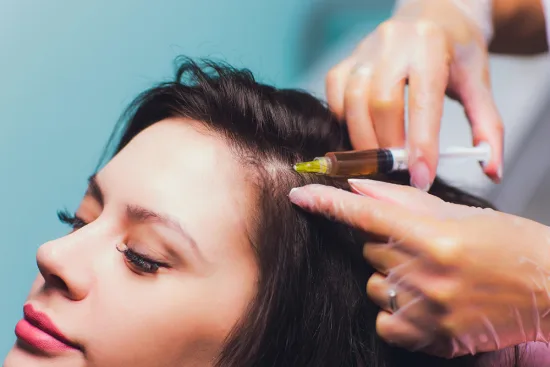
  • PRP (Platelet-Rich Plasma) therapy: Injections of concentrated growth factors from the patient's own blood. Used as an adjunct to transplantation or as a standalone treatment for early-stage thinning. Included in most Turquie Santé packages.
  • Scalp micropigmentation: A non-surgical tattooing technique that creates the appearance of a shaved-head density. Does not restore hair growth but is effective for cosmetic coverage.

Most hair restoration specialists recommend combining a transplant with ongoing finasteride or minoxidil to preserve non-transplanted hair and protect long-term results.

Highly qualified professionals in accredited institutions.


We assist you before, during, and after your trip


Book with full transparency, no hidden fees or commissions.

You will pay your clinic directly using these available methods:
Transfer

🌟 Package Hair transplant

  • VIP Airport shuttle
  • 2 Nights in 4 * hotel with breakfast
  • Transportation Hotel / Clinic
  • Doctor visit
  • Laboratory analyzes
  • Intervention
  • Medications in hospital
  • Shampoo and lotion
  • Medical control
  • PRP treatment
  • Interpreter service in clinic
  • Turquie Santé Assistance 7 days/7

Average price :

1 800 $

Medical advice & quote This price does not include travel expenses or the cost of the plane ticket.

Verified testimonials from our patients

How it works ?

2
Services
We look for the best option for your case & budget
3
Hospital
Evaluating a care plan with the best quote
4
airplane
Making appointments & Organization of your trip
5
Health care
Ongoing support until you return home

A Free consultation is your first step in your health journey.

Best Clinics with Verified Reviews

Certifications :

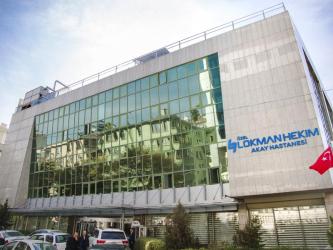
TÜV SÜD ISO 9001:2008 - Quality Management Certification LOKMAN HEKIM ISTANBUL
JCI - Joint Commission International LOKMAN HEKIM ISTANBUL
International Organization for Standardization (ISO) LOKMAN HEKIM ISTANBUL
LOKMAN HEKIM ISTANBUL
Istanbul, Turkey
Op. Dr. Elif Esra UYAR

Op. Dr. Elif Esra UYAR

Doctor's portfolio

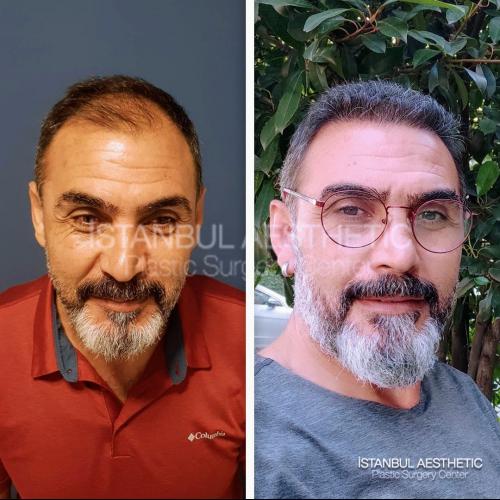
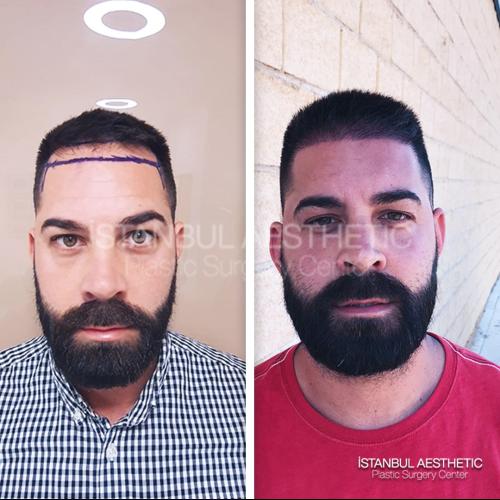
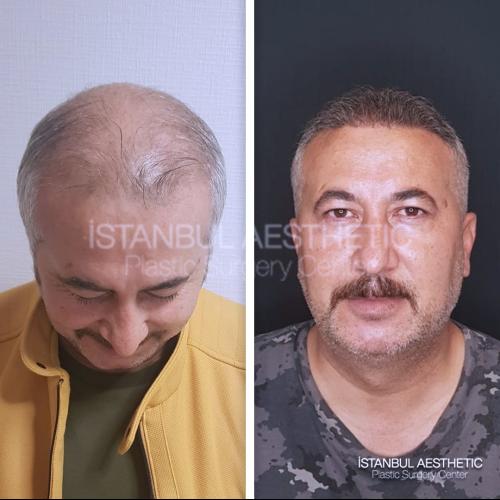
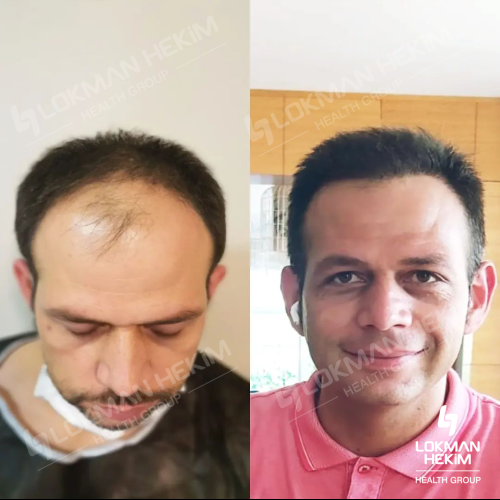
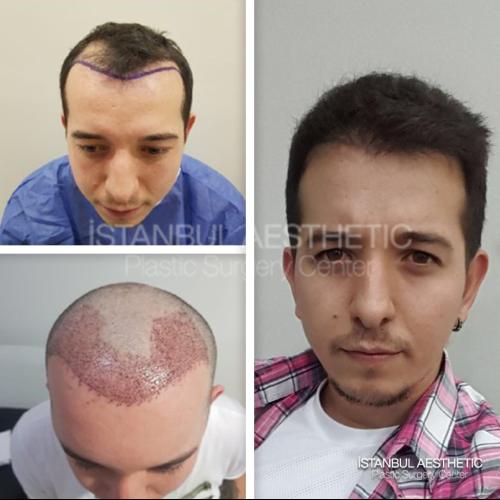
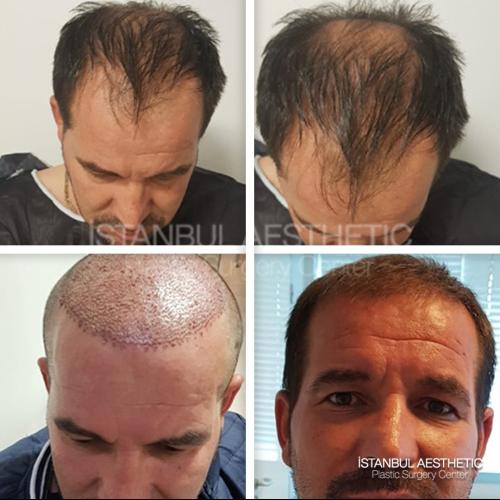
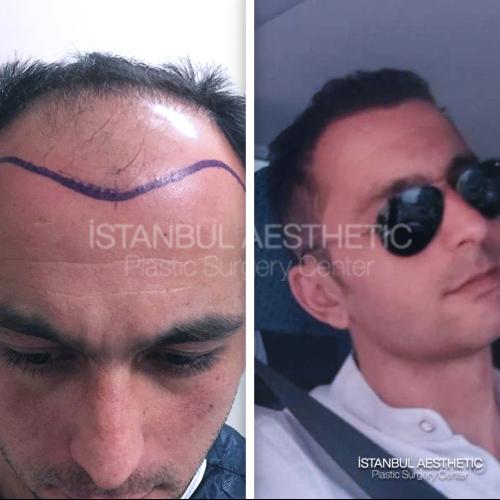
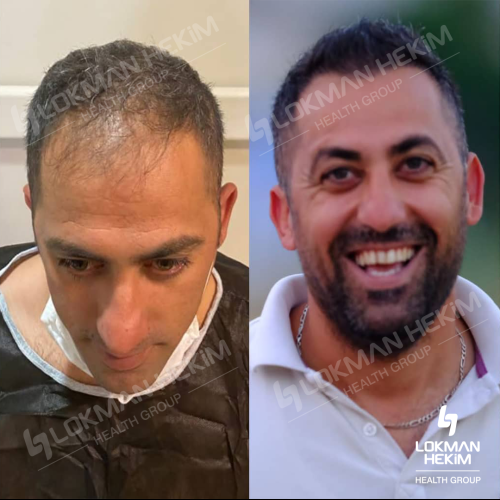
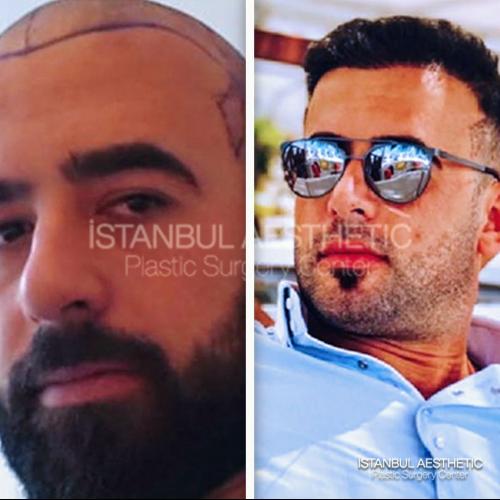
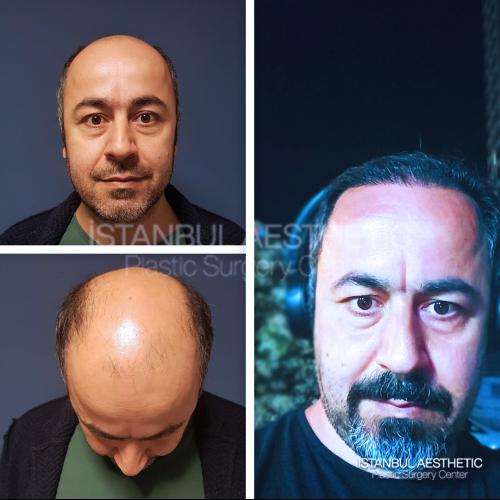
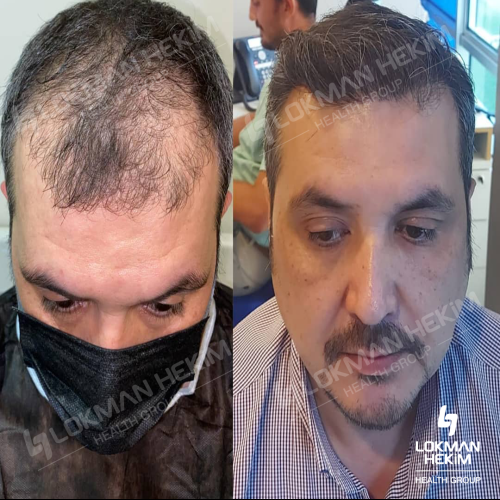
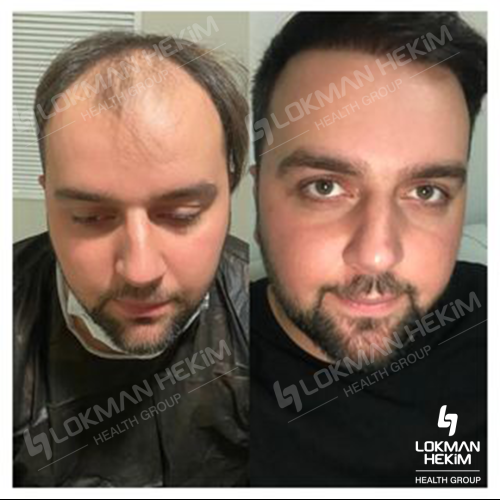
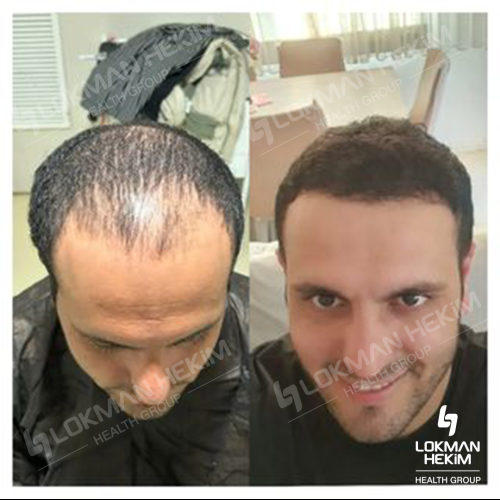
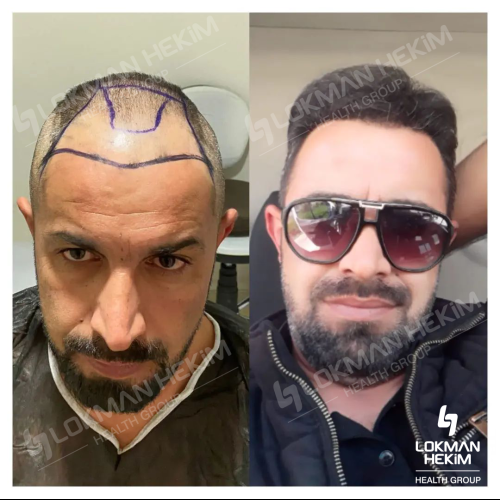
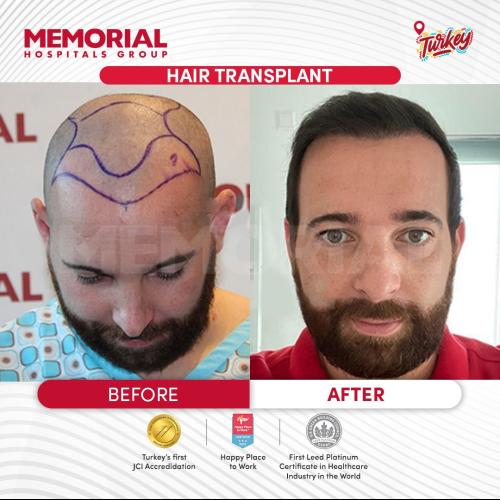
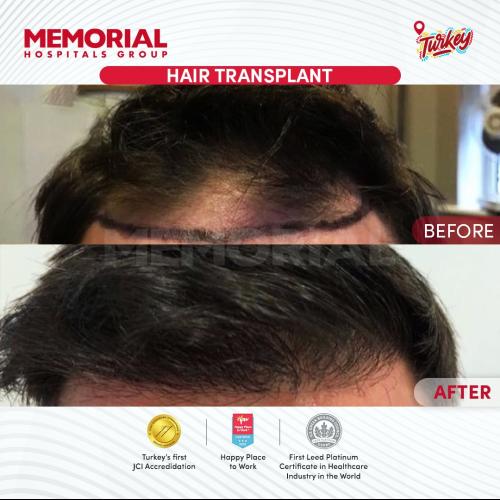
Hair transplant Before / After photoHair transplant Before / After photoHair transplant Before / After photoHair transplant Before / After photoHair transplant Before / After photo
4.7(63 Reviews)
Package price$1500 - $1800

Certifications :

JCI - Joint Commission International HISAR INTERCONTINENTAL
International Organization for Standardization (ISO) HISAR INTERCONTINENTAL
TÜV SÜD ISO 9001:2008 - Quality Management Certification HISAR INTERCONTINENTAL
HISAR INTERCONTINENTAL
Istanbul, Turkey
PROF. TAYFUN APUHAN

PROF. TAYFUN APUHAN

OP. Dr. Hasan Sahin

OP. Dr. Hasan Sahin

Graduate of GATA Medical School Specialization at Izmir Dokuz Eylul University. Specialist in aesthetic, plastic and reconstructive surgery. Experienced surgeon in craniofacial, hand and microsurgery. Expert in body contouring and ... Read more
4.4(220 Reviews)
Price on request

Certifications :

Leed Platinium Certificate MEMORIAL Bahçelievler
International Organization for Standardization (ISO) MEMORIAL Bahçelievler
TÜV SÜD ISO 9001:2008 - Quality Management Certification MEMORIAL Bahçelievler
JCI - Joint Commission International MEMORIAL Bahçelievler
MEMORIAL Bahçelievler
Istanbul, Turkey
Dr. Can İlker Demir

Dr. Can İlker Demir

Main Specialty: Plastic, Reconstructive & Aesthetic Surgery Years of Experience: 20+ years Notable Training: Medical Degree from Karadeniz Technical University (2002),Specialization in Plastic, Reconstructive and Aesthetic Surgery at ... Read more

Doctor's portfolio

Hair transplant Before / After photoHair transplant Before / After photoHair transplant Before / After photoHair transplant Before / After photoHair transplant Before / After photo
4.3(23 Reviews)
Price on request

Certifications :

TÜV SÜD ISO 9001:2008 - Quality Management Certification MEMORIAL Şişli
JCI - Joint Commission International MEMORIAL Şişli
International Organization for Standardization (ISO) MEMORIAL Şişli
MEMORIAL Şişli
Istanbul, Turkey
Dr. Gülsüm ÇEBİ

Dr. Gülsüm ÇEBİ

Main Specialty : Aesthetic, Plastic and Reconstructive Surgery Years of Experience : 8 years. Notable Training : Specialization training in medicine, Cerrahpasa University of Istanbul; Specialization training, University of Istanbul; Medical ... Read more
4.5(34 Reviews)
Price on request
Get a free expert opinion via our Medical Quiz
Have you ever undergone a Hair transplant ?

Certifications :

Eurocrine — Endocrine Surgery Quality Registry LIV Vadistanbul
JCI - Joint Commission International LIV Vadistanbul
SRC — Center of Excellence (Colorectal Surgery) LIV Vadistanbul
TÜV SÜD ISO 9001:2008 - Quality Management Certification LIV Vadistanbul
LIV Vadistanbul
Istanbul, Turkey
Spec. Dr. Marziyeh Javadpour

Spec. Dr. Marziyeh Javadpour

Prof. Dr. Ahmet Hakan Birkent

Prof. Dr. Ahmet Hakan Birkent

4.4(10 Reviews)
Package price$1800 - $2300

Certifications :

JCI - Joint Commission International LIV Ulus
TÜV SÜD ISO 9001:2008 - Quality Management Certification LIV Ulus
Eurocrine — Endocrine Surgery Quality Registry LIV Ulus
AOSpine International — Global Spine Care Organization LIV Ulus
LIV Ulus
Istanbul, Turkey
Asst. Prof. Dr. Aslı Datlı

Asst. Prof. Dr. Aslı Datlı

Main Specialty : Plastic, Reconstructive and Aesthetic Surgery Years of Experience : 10 years. Notable Trainings : Fellowship in Microsurgical Reconstructive Surgery at ASAN Medical Centre, Seoul, South Korea; Residency in Plastic, Reconstructive ... Read more
Dr. Hamid Aydın

Dr. Hamid Aydın

4.7(1 Reviews)
Package price$1800 - $2300

Certifications :

TÜV SÜD ISO 9001:2008 - Quality Management Certification MEMORIAL ANKARA
JCI - Joint Commission International MEMORIAL ANKARA
International Organization for Standardization (ISO) MEMORIAL ANKARA
MEMORIAL ANKARA
Ankara, Turkey
Dr. Ümit Naci KARAÇAL

Dr. Ümit Naci KARAÇAL

Main specialty : Plastic, reconstructive and aesthetic surgery Years of experience : 24 years. Notable training : Hacettepe University Faculty of Medicine, Ankara Numune ... Read more
4.3(2 Reviews)
Package price$1700 - $2100

Certifications :

JCI - Joint Commission International Florence Nightingale
TÜV SÜD ISO 9001:2008 - Quality Management Certification Florence Nightingale
Florence Nightingale
Istanbul, Turkey
Dr. Abdullah Eren

Dr. Abdullah Eren

Dr. Banu Bingöl Günenç

Dr. Banu Bingöl Günenç

4.7(10 Reviews)
Price on request

Certifications :

JCI - Joint Commission International AMERICAN HOSPITAL
TÜV SÜD ISO 9001:2008 - Quality Management Certification AMERICAN HOSPITAL
International Organization for Standardization (ISO) AMERICAN HOSPITAL
AMERICAN HOSPITAL
Istanbul, Turkey
Dr. Aylin Pelin Çil

Dr. Aylin Pelin Çil

Dr.Aylin Şimşek

Dr.Aylin Şimşek

4.7(5 Reviews)
Price on request

Certifications :

International Organization for Standardization (ISO) MEMORIAL Antalya
TÜV SÜD ISO 9001:2008 - Quality Management Certification MEMORIAL Antalya
JCI - Joint Commission International MEMORIAL Antalya
MEMORIAL Antalya
Antalya, Turkey
ASSOC PROF ISMAIL ONDER UYSAL

ASSOC PROF ISMAIL ONDER UYSAL

PROF DR DİLEK DEMİREZ

PROF DR DİLEK DEMİREZ

4.7(1 Reviews)
Package price$1700 - $2200

Certifications :

TÜV SÜD ISO 9001:2008 - Quality Management Certification ACIBADEM
JCI - Joint Commission International ACIBADEM
International Organization for Standardization (ISO) ACIBADEM
ACIBADEM
Istanbul, Turkey
Dr. A.BÜLENT OKTAY

Dr. A.BÜLENT OKTAY

Dr. Ayşe Sagduyu Kocaman

Dr. Ayşe Sagduyu Kocaman

4.6(172 Reviews)
Price on request

Certifications :

International Organization for Standardization (ISO) LOKMAN HEKIM Üniversitesi
TÜV SÜD ISO 9001:2008 - Quality Management Certification LOKMAN HEKIM Üniversitesi
LOKMAN HEKIM Üniversitesi
Ankara, Turkey
Prof. Dr. Hülda Rıfat ÖZAKPINAR

Prof. Dr. Hülda Rıfat ÖZAKPINAR

Main specialty : Plastic, reconstructive and aesthetic surgery Years of experience : 28 years. Notable training : Faculty of Medicine, Ankara University (1995),Plastic Reconstructive and Aesthetic Surgery, Ankara University (1998),Research ... Read more
Dr. Demet ERSİVRİ

Dr. Demet ERSİVRİ

4.7(1 Reviews)
Package price$1300 - $1800

You have consulted 7 / 41 Hospitals

Related medical articles

Among our doctors

Associated Techniques

Stem cell hair transplant
Eyebrow transplant
Eyebrow transplant
1 808 $
Hair transplant without shaving
1 717 $

Everything you will need for your medical trip

Medical opinion and estimates

Expert opinions and cost estimates

Pre-trip consultations

Understand your procedure before traveling.

Visa assistance

We assist our patients in obtaining their visas from the consulates.

Translation of your medical reports

We guarantee free and certified translation of your medical documents from all languages.

VIP Transport

Your transfers will be provided from the airport and your hotel.

Continuous Follow-up

You will be assisted by your attending doctor even after returning to your country, via videos or messages.

Experiences of our patients – Turquie Santé

Emily White : Editorial Team Lead at Turquie Santécheck

Written by

Emily White

This content complies with the editorial policy of Turquie Santé. It was written by Emily White, Head of the Editorial Team, who has over 11 years of experience in scientific research and clinic management in Turkey. She ensures the reliability of medical information while making complex data accessible to everyone.

Am I a candidate for a hair transplant?

Before discussing techniques or costs, the most important question is whether you are actually suitable for the procedure. Transplantation moves existing follicles; it does not create new ones. If your donor area is insufficient, no technique will produce the results you want.

You are likely a good candidate if you:

  • Have stable, pattern-related hair loss (androgenetic alopecia), the most common cause in both men and women.
  • Have adequate donor hair density at the back and sides of the scalp.
  • Are aged 25 or older (hair loss patterns need to be established before surgery).
  • Have realistic expectations: Transplanted areas improve significantly; non-transplanted areas continue to thin without medical treatment.
  • Are in good general health with no uncontrolled conditions affecting healing.

A hair transplant may not be suitable if you:

  • Have diffuse, unpatterned hair loss (e.g., from autoimmune conditions such as alopecia areata).
  • Have active scalp infections or significant scarring in the donor area.
  • Have a keloid scarring history (less of a concern with FUE/DHI than older strip methods).
  • Have unrealistic density expectations given your available donor supply.

The Norwood Scale (for men) and Ludwig Scale (for women) help clinicians estimate how many grafts are needed and whether your donor area can meet that demand.

How many grafts do you need? The Norwood scale explained

The Norwood Scale classifies male pattern baldness from Stage 1 (minimal recession) to Stage 7 (only a horseshoe band of hair remains). Graft requirements increase significantly with each stage.

Norwood stageHair loss patternEstimated grafts neededTypical sessions
Stage 1-2Mild temple recession500 - 1,5001
Stage 3Clear temple recession, hairline visible loss1,500 - 2,5001
Stage 4Moderate crown and front loss2,500 - 3,5001
Stage 5Significant front and crown involvement3,500 - 4,5001-2
Stage 6Extensive loss, thin bridge between front and crown4,500 - 6,0001-2
Stage 7Horseshoe pattern only6,000+2

Note: These are approximations. Actual graft needs depend on donor density, hair caliber, scalp laxity, and your specific aesthetic goals. An in-person consultation or detailed photo assessment is required for an accurate estimate.
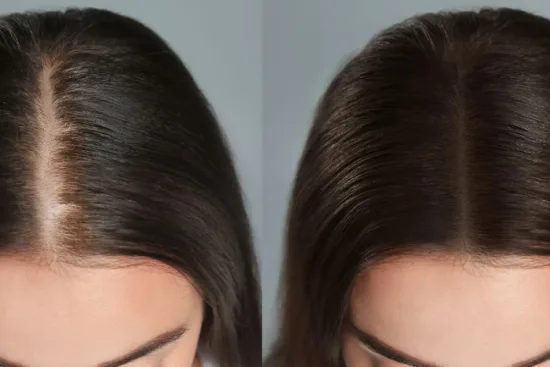
Women with hair loss more commonly present with diffuse thinning across the crown (Ludwig Scale Stages I-II),rather than a receding hairline. Female hair transplants are highly effective for stable, localized thinning with adequate donor density. DHI (unshaven technique) is often preferred for women, as the recipient area can remain unshaven during surgery, making the recovery period easier to conceal.

What are the three main techniques?

Hair transplantation in Turkey is mainly performed using three modern techniques: FUE, DHI, and Sapphire FUE. All of them use the patient's own hair follicles, but they differ in how the grafts are extracted, prepared, and implanted. The choice of technique depends on hair loss pattern, desired density, and recovery expectations.

What is FUE (Follicular Unit Extraction)?

FUE is the most widely performed hair transplant method in Turkey. Individual follicular units, natural groupings of 1-4 hairs, are extracted from the donor area using a micro-punch tool (typically 0.6-0.9mm in diameter),stored in a preservation solution, and then implanted into pre-made channels in the recipient area.

  • Best suited for: Most patients; Norwood Stages 2-6; large-volume sessions (4,000+ grafts); patients comfortable with a shaved donor area.
  • Typical session duration: 5-8 hours depending on graft count.
  • Graft survival rate: 87-92% in skilled hands.
  • What FUE cannot do: It does not offer the same implantation angle control as DHI; density per cm² is slightly lower than DHI in concentrated zones.

What is the DHI method (Direct Hair Implantation)?

DHI is a variation of FUE in which extracted grafts are loaded directly into a Choi Implanter Pen. The pen creates the incision and implants the follicle simultaneously, without the need to pre-make channels in the recipient area. This gives the surgeon finer control over the angle, direction, and depth of each graft, the primary reason DHI tends to produce more natural-looking hairlines.

Because the recipient area does not need to be shaved, DHI is the preferred technique for patients who want minimal visible changes immediately post-surgery, particularly women, or anyone who cannot take extended time away from work.

  • Best suited for: Moderate hair loss (up to ~3,000 grafts in a single session); hairline refinement; female patients; patients requiring a no-shave option.
  • Higher cost than FUE: DHI requires multiple disposable Choi Implanter Pens per procedure, which increases the cost of equipment.
  • Graft survival rate: 90-95% with experienced teams.

What is Sapphire FUE?

Sapphire FUE uses the same extraction process as standard FUE, but replaces steel blades for channel creation with V-shaped sapphire-tipped blades. Sapphire crystal is harder, smoother, and antibacterial compared to steel, which results in smaller, more uniform incisions, reduced tissue trauma, and faster post-operative healing.

The sapphire blade also allows denser packing, more grafts per cm², making it well suited for patients who need high-density results in a specific zone such as the frontal hairline or crown.

  • Best suited for: Patients requiring high-density packing; those with faster recovery as a priority; Norwood Stages 3-6.
  • Graft survival rate: 92-96% due to reduced trauma at the implantation site.
  • Key limitation: Higher cost than standard FUE; technique requires specific training and equipment.

FUE vs DHI vs Sapphire: Which should you choose?

Each hair transplant technique used in Turkey has specific strengths. While FUE, DHI, and Sapphire FUE are all effective, they differ in terms of shaving requirements, density potential, recovery, and ideal indications. The right choice depends more on your clinical profile than on the technique itself.

AspectFUEDHISapphire FUE
Shaving requiredFull donor areaDonor area only (recipient unshaved)Full donor area
Maximum grafts per session4,000 - 6,000~3,0004,000 - 5,000
Density per cm²GoodBestVery good
Hairline naturalnessGoodBestGood - Very good
Recovery speedStandardStandardFaster
Typical cost (Turkey)From $1,800From $2,100From $2,300
Best forMost casesSmaller areas, women, no-shaveHigh density, faster healing

Technique matters less than the surgeon performing it. For most first-time patients experiencing Norwood Stages 3-4, an experienced surgeon with standard FUE will produce results comparable to Sapphire or DHI. Choose the technique based on your specific clinical situation, not marketing language in a package description.

What is included in a Turquie Santé package?

Every package arranged through Turquie Santé includes:

  • VIP airport transfer (from Istanbul Airport (IST) or Sabiha Gökçen International Airport (SAW)).
  • 2 nights' accommodation in a 4-star hotel (typically in Şişli or Taksim, close to the clinic).
  • Round-trip hotel-to-clinic transfers.
  • Pre-operative consultation and scalp assessment.
  • All laboratory analyses.
  • Surgery (extraction + channel creation + implantation).
  • Anesthesia and medications during the procedure.
  • Post-operative shampoo and lotion kit.
  • PRP (Platelet-Rich Plasma) treatment, included in most packages.
  • Interpreter service throughout your stay.
  • Remote follow-up support from the Turquie Santé medical team.

Not included: International flights, personal travel insurance, optional revision sessions, and any pre-existing medical treatments.

Important: Confirm the complete, itemized scope in writing before confirming your booking. Ask specifically whether your post-operative follow-up consultations (at weeks 2, 6, and 12) are remote or in-person, and what the policy is if density at 12 months is below expectations.

What is the recovery timeline after a hair transplant?

Recovery from a hair transplant in Turkey is typically straightforward. Understanding the timeline prevents anxiety about normal events, particularly shock loss, that patients often misinterpret as failed surgery.

PhaseTimeframeWhat to expect
Immediate post-opDays 1-3Scalp redness, swelling (peaks around day 3),minor scabbing at implantation sites.
First washDay 3 (clinic-guided)Gentle technique with provided lotion; scabs begin to soften.
Scab sheddingDays 10-14Normal; do not pick or scratch.
Shock lossWeeks 3-8Transplanted hairs shed, this is normal and expected. The follicle remains active beneath the surface.
Early regrowthMonths 3-4Fine new hairs begin to emerge; uneven at first
Visible improvementMonths 6-9Noticeable density increase; hairline becomes defined
Full resultMonths 12-18Final density and hair maturation; results are permanent

Work absence: Most patients return to desk work within 2-5 days. Strenuous exercise, swimming, and heavy lifting should be avoided for 4 weeks to prevent graft displacement.

Shock loss (telogen effluvium),the temporary shedding of transplanted and sometimes surrounding hairs, affects most patients between weeks 3 and 8. It is the single most common cause of anxiety post-surgery. It is not a sign of failure. The follicles are intact and will resume growth within 3-4 months.

Who performs your hair transplant? The question most patients don't ask

In high-volume Turkish clinics, it is common for different stages of the procedure to be performed by different team members. Extraction is sometimes delegated to trained technicians. This is not necessarily unsafe; experienced technicians can be skilled, but patients deserve to know the answer before they book.

Questions to ask your clinic before confirming:

  1. Who specifically performs hairline design and recipient channel creation?
  2. Who performs graft extraction: the named surgeon or trained technicians?
  3. What is the surgeon's specific experience with patients at my Norwood stage?
  4. Can I see before-and-after results for patients with a similar baseline to mine?
  5. What is your published graft survival rate, and how is it measured?
  6. What is the post-operative protocol for the first 72 hours?
  7. Who should I contact if I have concerns the day after returning home?
  8. What is your policy if visible density is lower than expected at 12 months?

A clinic that cannot clearly answer questions 1, 2, and 8 warrants further scrutiny before you commit.

What are the risks and complications?

Hair transplantation in Turkey, when performed in accredited facilities by qualified surgeons, carries a low overall complication rate. Serious complications are rare when clinics follow correct surgical and sterilization protocols.

Common, temporary side effects (affect most patients):

  • Scalp redness and tenderness at donor and recipient sites (resolves within 1-2 weeks).
  • Swelling of the scalp and forehead (peaks at days 3-4, resolves within 7-10 days).
  • Minor scabbing and crusting (resolves within 10-14 days).
  • Shock loss / temporary shedding (3-8 weeks post-surgery; follicles remain viable).
  • Temporary numbness in treated areas (typically resolves within 3-6 months).

Uncommon complications (under 2% in accredited facilities):

  • Infection (minimized with prescribed antibiotics and sterile technique).
  • Folliculitis (small pustules around grafts; treatable with antibiotics).
  • Poor graft survival due to improper storage or implantation technique.
  • Unnatural-looking hairline design (preventable with experienced surgeon-led planning).

  • Excessive scarring in the donor area (rare with FUE/DHI; more common with outdated strip/FUT method).

Risk reduction: The single most effective way to reduce risk is clinic selection. Choose facilities with JCI accreditation, verifiable surgeon credentials, and a transparent post-operative support protocol. Avoid clinics that cannot or will not name the specific surgeon performing your procedure.
Why Turquie Santé? What sets this platform apart

Turquie Santé is not a clinic; it is an independent medical coordination platform that has facilitated over 600,000 patient requests since 2018. Its role is to match international patients with the most appropriate clinic for their case and budget, organize the full medical trip, and provide ongoing support before, during, and after treatment.

Key differentiators:

  • Independent vetting: Partner clinics are selected based on JCI/ISO accreditation, verified patient outcomes, and ongoing quality monitoring, not on commercial arrangement.
  • Direct pricing: Turquie Santé does not charge commissions on top of clinic fees. Patients pay the clinic directly.
  • Medical guarantee program: Covers complication management and emergency response for all patients treated through the platform.
  • Multilingual support: Coordination teams available in English, French, Arabic, Spanish, and Russian, 7 days a week, from 8 a.m. to 8 p.m.
  • 41 partner clinics across 5 cities (Istanbul, Ankara, Izmir, Antalya, Bursa),with 2,000+ specialist physicians.

Hair transplant FAQ in Turkey

What is the timeline for seeing hair transplant results in Turkey?
Hair transplant results follow a predictable but gradual timeline. Visible new growth typically emerges at 3 to 4 months post-procedure, though this varies by individual healing speed and technique. Full density and natural appearance stabilize between 12 to 18 months, sometimes extending to month 24 in slower responders. Transplanted hair blends seamlessly with existing hair because it retains the genetic characteristics of the donor zone. Many patients experience temporary shock loss (shedding of native hair near transplant sites) around weeks 2-8, which is normal and resolves within 3-6 months. Patience proves essential; judging results before month 6 leads to unnecessary anxiety.
Why is Turkey a leading destination for hair transplant procedures?
Turkey ranks among the top three global destinations for hair transplant, combining three decisive factors: expertise, cost, and infrastructure. Turkish surgeons perform roughly 150,000 transplants annually, refining techniques through volume and international training. JCI-certified clinics meet European and North American standards. Cost advantage is substantial: a 2,500-graft DHI procedure ranges from $3,500 in Istanbul versus $9,000+ in Paris, London, or New York. This 40-60% savings reflects economic structure, not quality compromise. Turquie Santé partners exclusively with clinics maintaining infection rates below 1% and graft survival above 87%. Patient testimonials consistently highlight professionalism, transparent pricing, and natural-looking outcomes. Recovery-friendly infrastructure (hotels near clinics, English-speaking staff, post-op coordination) reduces stress for international patients.
Is hair transplant permanent, and how long do results last?
Hair transplant offers long-lasting, potentially permanent results because transplanted follicles retain genetic resistance to androgenetic alopecia (pattern baldness). Grafts extracted from the back and sides of the scalp remain unaffected by DHT (dihydrotestosterone),the hormone driving hair loss. Results stabilize between 12 to 18 months and remain stable for decades, often lasting a lifetime. However, permanence depends on two variables: donor hair quality (thicker, healthier donor hair performs better) and ongoing hair loss patterns. If your native hair continues thinning in untreated zones, the contrast between transplanted and remaining hair becomes more noticeable. Some patients require touch-up sessions 5-10 years later to address progressive alopecia in adjacent areas. Turquie Santé clinics recommend comprehensive evaluation before transplant to anticipate risk zones and plan staged procedures if necessary.
What is the ideal age for hair transplant, and why does timing matter?
Hair transplant outcomes depend critically on age and alopecia stability. Patients aged 25 to 40 typically show the most predictable results because their hair loss patterns have stabilized, allowing surgeons to design hairlines confidently. Transplanting in younger patients (early 20s) carries higher revision risk because alopecia may progress unpredictably, leaving untreated zones bald and creating aesthetic inconsistency. Conversely, patients over 50 often have sufficient donor hair density and stable patterns, making them excellent candidates. The real question isn't age but stability: has your hair loss plateaued for 12+ months? If you're losing 100+ hairs daily, waiting 1-2 years for stabilization prevents costly revisions. Some surgeons recommend a conservative approach for patients under 25, suggesting topical minoxidil or oral finasteride first to assess long-term loss patterns. Realistic expectations matter more than age; a 35-year-old with unrealistic expectations may regret transplant, while a 55-year-old with clear goals achieves satisfaction.
Is hair transplant painful during and after the procedure?
Hair transplant is performed under local anesthesia, ensuring minimal discomfort during extraction and implantation phases. Most patients report sensation (pressure, vibration, occasional tugging) rather than pain. The anesthesia injection itself causes brief stinging (5-10 seconds),then numbness sets in within 1-2 minutes. Post-procedure discomfort is typically mild and manageable with oral analgesics (acetaminophen preferred; NSAIDs increase bleeding risk). Days 1-3 bring the most tenderness at donor and recipient sites, described as soreness similar to sunburn rather than sharp pain. Swelling peaks around day 3-4, which can feel uncomfortable but subsides within 7-10 days. Numbness at extraction and implantation zones is temporary (weeks to months) and usually painless, though some patients report tingling or itching during healing. Sleeping elevated on 2-3 pillows reduces post-operative discomfort. Pain management is straightforward: acetaminophen every 6 hours, ice packs for swelling, and avoiding NSAIDs for the first week. Severe pain beyond day 5 suggests infection and warrants immediate clinic contact.
Share this page

Your Hair transplant in Turkey package starting from 1 800$