
Turquie Santé
Last update : 19/04/2026

Pneumonectomy (Lung removal surgery) in Turkey: Indications, recovery & cost

Save 20 to 60% vs. European prices in internationally certified clinics

Get a free quote
Pneumonectomy Turkey
640+
patient reviews
Patient icon
600K+
Requests received since 2018
Clinique icon
22
Clinics
Trustpilot icon
4.6
Ville icon
5
Cities
Docteurs icon
1K+
Recognized doctors

The need for a pneumonectomy represents one of the most complex decisions in thoracic surgery. It naturally raises important questions regarding surgical risks, quality of care, post-operative recovery, and the long-term impact on daily life.

In response to these concerns, many patients and families are unsure how to navigate complex lung surgery safely and effectively.

Specialized clinics in Turkey, located in Istanbul and Ankara, provide advanced pneumonectomy care supported by multidisciplinary thoracic teams.

Turquie Santé ensures a smooth, fully coordinated surgical journey. Get your confidential medical evaluation now and take the first step toward your lung surgery in Turkey.

Pneumonectomy cost in Turkey

A pneumonectomy in Turkey via Turquie Santé costs between $8,500 and $12,000, depending on the surgical approach (open or minimally invasive) and how many days you spend in the hospital.

This covers the essentials to keep you safe and comfortable throughout the entire perioperative journey:

  • Pre-operative testing and evaluation.
  • Surgery by board-certified thoracic surgeons.
  • Hospital care in specialized units.
  • Post-operative monitoring and early rehabilitation.
  • Support from a dedicated Turquie Santé medical coordinator.

Every patient is different. Send your medical file for a free, personalized cost estimate and expert guidance from our thoracic surgery team.


Why choose Pneumonectomy with Turquie Santé ?

Chirurgien icon

Expert surgeons and JCI certified hospitals

Économie icon

Prices 35% to 50% cheaper than in Europe

Organisation icon

Medical stay organized from A to Z

Prix icon

Direct prices without commission

Résultat icon

Free assistance

All about your Pneumonectomy in Turkey
Overview
Benefits
Payment

Verified reviews : 640

Requests processed : 5

Highly qualified professionals in accredited institutions.


We assist you before, during, and after your trip


Book with full transparency, no hidden fees or commissions.

You will pay your clinic directly using these available methods:
Transfer

Among our doctors

What is a pneumonectomy?

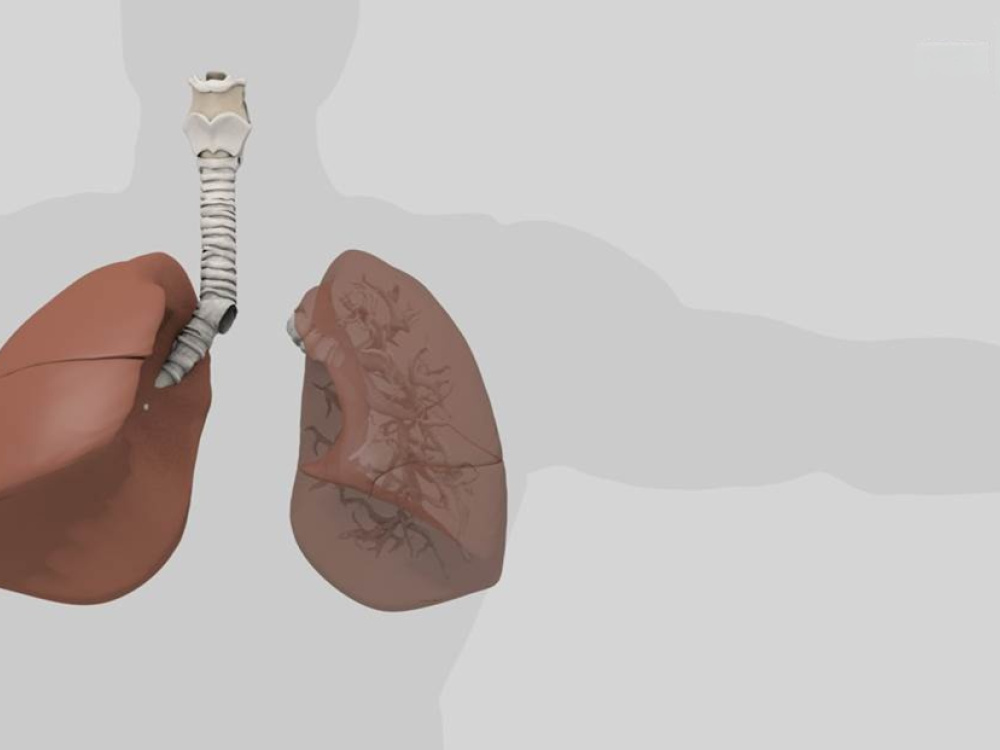
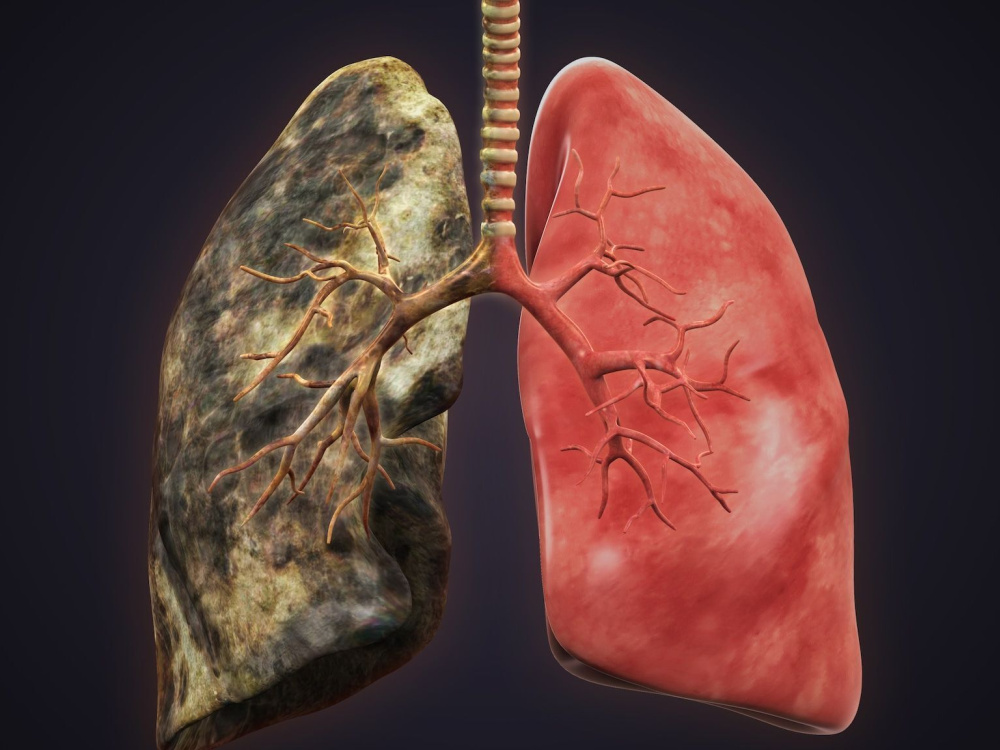
A pneumonectomy removes an entire lung, either the right or the left. It's a major thoracic procedure, but not one surgeons take lightly. This operation is only considered when smaller, lung-sparing options simply won't work.

To understand why, it helps to know what alternatives exist:

  • Lobectomy: removing just one lobe (the right lung has three, the left has two).
  • Segmentectomy: removing a smaller piece within a lobe.

The goal of thoracic surgery is always the same: keep as much healthy lung tissue as possible so patients can breathe well after surgery.

That's why pneumonectomy is never the first choice. It only becomes necessary when the disease is so extensive or positioned in such a way that partial removal won't provide adequate safety or control.

When do doctors recommend pneumonectomy?

The decision to perform a pneumonectomy is never made by a single surgeon. Instead, a multidisciplinary team (thoracic surgeons, pulmonologists, oncologists, anesthesiologists) discusses the case thoroughly before moving forward.

Common reasons for pneumonectomy include:

  • Central or large tumors:Lung cancer located near major vessels or the main airway sometimes can't be safely removed while preserving any lung tissue.
  • Damaged, non-functional lung: Severe infections like drug-resistant tuberculosis, or trauma that leaves the lung chronically scarred and prone to recurrent problems.
  • Oncological control: Removing the entire organ ensures adequate margins around the tumor when partial removal carries too high a recurrence risk.

The final decision always weighs what removing the lung will accomplish against what the patient loses functionally over the long term.

Unsure about a recommendation? If you've been told you need a pneumonectomy, getting a specialist review can help clarify whether it's truly necessary or if alternatives exist.

Request a free, personalized medical evaluation from our partner thoracic surgery teams in Turkey.

Pre-operative testing: Making sure surgery is safe

Before pneumonectomy, thorough testing determines if your body can tolerate the procedure and adapt to living with one lung. The focus is on how well your remaining lung will function and whether your heart can handle the stress of major surgery.

What gets assessed

Each patient goes through a structured evaluation covering several areas:

  • Lung function:Breathing tests predict how well the remaining lung will compensate after surgery and whether you'll have respiratory problems afterward.
  • Heart health: Major chest surgery puts significant strain on the heart. Cardiac testing helps reduce perioperative and post-operative risks.
  • Multidisciplinary review: All findings are discussed at a team meeting involving surgeons, lung specialists, anesthesiologists, and cancer specialists if relevant. Sometimes this process identifies a safer option than pneumonectomy.

Key tests you'll have

What's being testedTests performedWhy it matters
Breathing capacityLung function tests, blood gas analysis, lung scanCheck if remaining lung can sustain adequate breathing
Heart functionECG, echocardiography, stress testReduce cardiac risk during and after surgery
Overall fitnessTeam discussion and reviewConfirm surgery is appropriate and adjust the plan as needed
General healthBlood work, additional imagingVerify readiness for major surgery

Turquie Santé's role

Throughout this phase, Turquie Santé handles coordination:

  • Reviewing your medical history.
  • Arranging any tests you still need.
  • Connecting you with specialized thoracic teams.
  • Translating and explaining all your test results.
  • Making sure you understand your options.

A well-done pre-operative evaluation gives patients confidence and clarity before heading into surgery.

Submit your medical file for a preliminary assessment and receive an expert opinion from a specialized thoracic surgery team.
What happens on surgery day?

Surgery takes place under general anesthesia in a fully equipped operating theater. A dedicated team, including your thoracic surgeon, anesthesiologist, specialized nurses, and a Turquie Santé coordinator, works together to ensure precision and safety throughout.
How the surgery is performed

Your surgical team chooses the approach based on the extent of disease, anatomical factors, and overall health:

  • Open thoracotomy: A traditional chest incision that gives direct access to the lung. This remains standard for complex cases requiring extensive work or careful control of blood vessels.
  • Minimally invasive surgery (VATS): Several small incisions and a camera guide the surgery. When feasible, this often means less post-operative pain, fewer complications, and faster recovery.

Timeline and recovery room care

The procedure generally takes 3 to 5 hours. Afterward, you wake up gradually in the post-anesthesia care unit, where staff monitor you closely as the anesthesia wears off.

From there, you move to intensive care or a high-dependency unit for the first days after surgery. This transition period is when your body adjusts to having one lung and begins the recovery process.

The first 48 hours: Intensive care and early movement

The first day or two after pneumonectomy are critical. You'll be in intensive care or a high-dependency unit where staff monitor you constantly. This isn't bed rest, though. Instead, the focus is on active recovery steps that help your body adapt.

What happens in those first hours and days

Rather than complete rest, you'll follow a targeted recovery plan:

  • Pain management: A multimodal approach keeps you comfortable while allowing you to breathe deeply and move around.
  • Breathing exercises: Physiotherapists guide you through deep-breathing and airway-clearing techniques to prevent lung complications.
  • Early mobilization: Movement is encouraged from day one to support circulation and help your remaining lung adapt:
    • Day 1: Sitting upright at bedside with help
    • Day 2: Standing and walking with assistance, chest drains may come out if you're recovering well

Continuous support

Nursing is intensive during this period, with high staff-to-patient ratios and constant medical oversight. A Turquie Santé coordinator stays in touch with your care team and family, keeping communication smooth.

These first 48 hours set the stage for the next phase. By the time you move to a regular hospital ward, you're already progressing toward independence and preparing for the active rehabilitation ahead.

Hospital rehabilitation and discharge (Days 3 through home)

After intensive care, you move to a standard hospital unit for the next 5 to 7 days. This is when rehabilitation accelerates, rebuilding your strength and independence so you can safely return home.

What your rehabilitation includes

Each day involves targeted work on multiple fronts:

  • Physiotherapy: Two or three sessions daily focus on breathing efficiency, endurance, and muscle strength needed for everyday tasks.
  • Education and practical skills: Staff teach you breathing techniques, proper posture, how to pace activities, and nutrition tips to support healing and energy. You'll know exactly what to do once you're home.
  • Daily check-ins: Your surgical team reviews wound healing, lung function, and watches for any complications.

Getting ready for home and follow-up

Before discharge, planning happens for your continued recovery:

  • Detailed written instructions on exercises, medications, and warning signs to watch for.
  • Communication set up with your local doctors to ensure continuity of care.
  • Introduction to telemedicine visits with your surgical team after you go home.

Why this phase matters

You leave the hospital with the skills, strength, and confidence needed to continue improving at home. This bridge between hospital care and independent recovery establishes the foundation for long-term improvement and quality of life.

Recovery at home and staying connected with your surgical team

Once discharged, recovery happens at home under a planned follow-up schedule. Your surgical team stays involved, tracking your progress and addressing concerns through remote consultations.

Your long-term care includes:

  • Telemedicine check-ins: Scheduled video consultations at 1, 3, and 6 months let your surgical team monitor recovery and answer questions promptly.
  • Local physician coordination: Your Turkish surgeons communicate with your home doctors to ensure physiotherapy, imaging, and any other care continues smoothly.
  • Secure online access: A patient portal lets you view your operative reports, imaging, lab results, and translated summaries anytime.
  • Personal coordinator: Your dedicated Turquie Santé contact remains available for any questions or guidance after you return home.

The emphasis remains on maintaining the gains you made in hospital, monitoring your health, and supporting quality of life. You and your family can move forward with confidence through structured remote care.

How it works ?

2
Services
We look for the best option for your case & budget
3
Hospital
Evaluating a care plan with the best quote
4
airplane
Making appointments & Organization of your trip
5
Health care
Ongoing support until you return home

Get a free medical opinion on Pneumonectomy with our 22 Recognized Clinics

Certifications :

TÜV SÜD ISO 9001:2008 - Quality Management Certification MEMORIAL Şişli
JCI - Joint Commission International MEMORIAL Şişli
International Organization for Standardization (ISO) MEMORIAL Şişli
4.5(34 Reviews)
Price on request

Certifications :

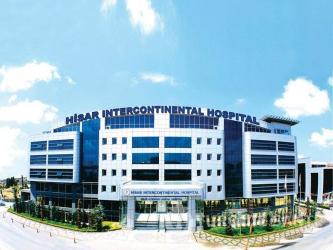
JCI - Joint Commission International HISAR INTERCONTINENTAL
International Organization for Standardization (ISO) HISAR INTERCONTINENTAL
TÜV SÜD ISO 9001:2008 - Quality Management Certification HISAR INTERCONTINENTAL
HISAR INTERCONTINENTAL
Istanbul, Turkey
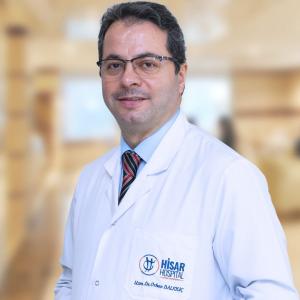
ORHAN DALKILIÇ, M.D.
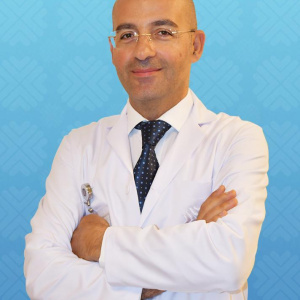
Main specialty: Pulmonology (respiratory medicine) Years of experience: About 10 years Notable training: Degree in medicine from the Faculty of Medicine of 19 Mayıs University; specialization in pulmonology at S.B. Heybeliada Training and ... Read more
4.4(220 Reviews)
Price on request

Certifications :

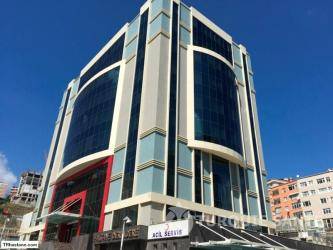
TÜV SÜD ISO 9001:2008 - Quality Management Certification LOKMAN HEKIM ISTANBUL
JCI - Joint Commission International LOKMAN HEKIM ISTANBUL
International Organization for Standardization (ISO) LOKMAN HEKIM ISTANBUL
LOKMAN HEKIM ISTANBUL
Istanbul, Turkey
Assoc.Prof.Leyla YILMAZ AYDIN
Main Specialty : Respiratory Medicine & Pulmonology Years of Experience : 24 years. Notable Trainings : Hacettepe University, School of Medicine; Ataturk Training and Research Hospital, Pulmonary Diseases Residency Mastered Techniques : ... Read more
Op. Dr. Atilla Özenoğlu
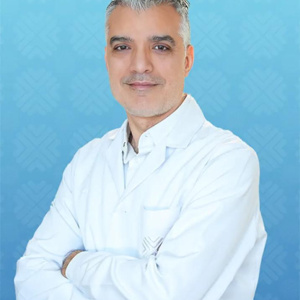
Main specialty : Thoracic Surgery Years of experience : 27 years. Notable training : Karadeniz University Faculty of Medicine, Pamukkale University Faculty of Medicine. Mastered techniques : Lung resections, Treatment of regional hyperhidrosis, ... Read more
4.7(65 Reviews)
Price on request

Certifications :

International Organization for Standardization (ISO) MEMORIAL ANKARA
JCI - Joint Commission International MEMORIAL ANKARA
TÜV SÜD ISO 9001:2008 - Quality Management Certification MEMORIAL ANKARA
4.3(2 Reviews)
Price on request

Certifications :

International Organization for Standardization (ISO) MEMORIAL Bahçelievler
Leed Platinium Certificate MEMORIAL Bahçelievler
JCI - Joint Commission International MEMORIAL Bahçelievler
TÜV SÜD ISO 9001:2008 - Quality Management Certification MEMORIAL Bahçelievler
4.3(23 Reviews)
Price on request

Certifications :

TÜV SÜD ISO 9001:2008 - Quality Management Certification Florence Nightingale
JCI - Joint Commission International Florence Nightingale
4.7(10 Reviews)
Price on request

Certifications :

TÜV SÜD ISO 9001:2008 - Quality Management Certification AMERICAN HOSPITAL
JCI - Joint Commission International AMERICAN HOSPITAL
International Organization for Standardization (ISO) AMERICAN HOSPITAL
4.7(5 Reviews)
Price on request

Certifications :

JCI - Joint Commission International MEMORIAL Antalya
International Organization for Standardization (ISO) MEMORIAL Antalya
TÜV SÜD ISO 9001:2008 - Quality Management Certification MEMORIAL Antalya
4.7(1 Reviews)
Price on request

Certifications :

TÜV SÜD ISO 9001:2008 - Quality Management Certification ACIBADEM
International Organization for Standardization (ISO) ACIBADEM
JCI - Joint Commission International ACIBADEM
4.6(172 Reviews)
Price on request

Certifications :

International Organization for Standardization (ISO) LOKMAN HEKIM Üniversitesi
TÜV SÜD ISO 9001:2008 - Quality Management Certification LOKMAN HEKIM Üniversitesi
4.7(1 Reviews)
Price on request

You have consulted 7 / 22 Hospitals

Everything you will need for your medical trip

Medical opinion and estimates

Expert opinions and cost estimates

Pre-trip consultations

Understand your procedure before traveling.

Visa assistance

We assist our patients in obtaining their visas from the consulates.

Translation of your medical reports

We guarantee free and certified translation of your medical documents from all languages.

VIP Transport

Your transfers will be provided from the airport and your hotel.

Continuous Follow-up

You will be assisted by your attending doctor even after returning to your country, via videos or messages.

Experiences of our patients – Turquie Santé

Emily White : Medical Content Team Manager at Turquie Santécheck

Written by

Emily White

This content complies with the editorial policy of Turquie Santé. It was written by Emily White, Head of the Editorial Team, who has over 11 years of experience in scientific research and clinic management in Turkey. She ensures the reliability of medical information while making complex data accessible to everyone.

Pneumonectomy FAQ in Turkey

Is it safe to fly after a pneumonectomy?

Yes. It is safe to travel after a pneumonectomy once recovery is complete and the thoracic surgeon’s recommendations have been followed. For long flights, it is advisable to consult your doctor before departure.

What is the recovery time after lung removal?

Full recovery generally takes 6 to 8 weeks. Respiratory rehabilitation, gradual physical activity, and post-operative follow-up help restore comfort and normal breathing capacity.

What is the success rate of a pneumonectomy?

Pneumonectomy has a high success rate when performed by an experienced surgeon and followed by appropriate post-operative care. Following medical recommendations improves recovery and reduces the risk of complications.

Can you live normally with one lung?

Yes. It is possible to live normally with one lung after a pneumonectomy. The remaining lung gradually adapts and can compensate for part of the respiratory function.

What are the possible complications after a pneumonectomy?

Complications are rare but may include:

  • Pulmonary infections
  • Persistent shortness of breath
  • Heart disorders

Regular medical follow-up helps prevent these risks and ensures a safe recovery.

Procedures available for this specialty

Share this page

Our assistants help you to get the best options in Pneumonectomy