


Turquie Santé
Last update : 22/10/2026

Thigh lift in Turkey: procedure, risks and costs

Access internationally recognized healthcare with substantial savings compared with European prices.

Get a free quote
Thigh lift Turkey
793+
patient reviews
across all procedures

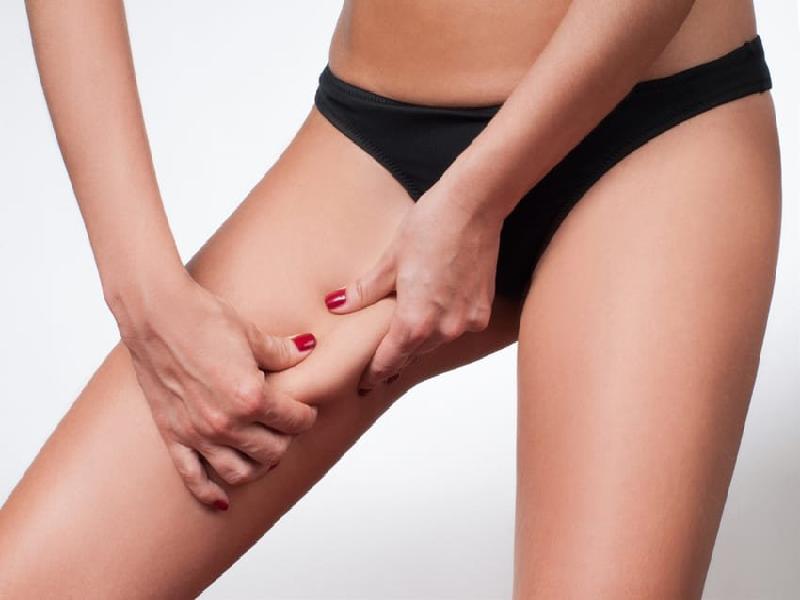
Excess skin between your thighs can cause chafing, rashes, and friction, especially after significant weight loss or due to natural aging. A thigh lift (thighplasty),also known as leg lift surgery or thigh contouring, reshapes the thighs by reducing excess skin and fat, with the aim of smoother skin and better contours of the thighs and lower body. It can reduce chafing and rashes caused by skin folds. Surgery may be considered when exercise and diet alone cannot tighten loose skin.

During the procedure, your surgeon removes fat, repositions tissue, anchors underlying tissue with deep sutures, and trims away excess skin. Deep sutures within underlying tissues help form and support the newly shaped contours. Results are visible early, though final results develop over several months, and they can last for a long time if you maintain a stable weight and general fitness. A thigh lift leaves long-lasting scars, which fade over time but do not disappear completely, and it carries a significant rate of complications, some of them serious. In a series of 106 massive weight loss patients, 68% had at least one complication (Gusenoff et al., Plastic and Reconstructive Surgery, 2015),and in published studies a second operation was needed in up to 18% of cases (see the risks section below). Results are not guaranteed. Turkish surgeons working with Turquie Santé offer this body-contouring cosmetic surgery at prices that are generally lower than in many Western countries.

How much does thigh lift surgery cost in Turkey?

At JCI-accredited plastic surgery centers partnered with Turquie Santé in Istanbul, thigh lift surgery prices can vary, typically ranging from $2,500 to $6,000 USD, depending on the complexity of the case and the extent of skin removal required. These ranges are indicative estimates.

Prices are generally higher in Western Europe and the United States, and they vary widely depending on the country, the clinic and what is included. In the United States, the American Society of Plastic Surgeons reports average surgeon fees of about $7,000 to $12,000 for a thigh lift (2024),not including anesthesia, facility and other fees.

The total cost of a medical stay also includes return flights and 7 to 10 nights in Istanbul. The savings compared with your country depend on the clinic, your case and your travel costs, and are best assessed from a personalized quote.

Final pricing depends on how much skin requires removal and whether liposuction gets combined into the procedure. After your medical evaluation, Turquie Santé provides a personalized quote, no commitment required until you've reviewed all details.

Risks and Side Effects

  • Revision surgery: in published studies, a second operation was needed in 0 to 18% of cases to correct contour irregularities, hypertrophic scars or healing problems, usually considered after 12 to 18 months, with additional costs and delays
  • Pain, swelling
  • Fatigue
  • Difficulty moving
  • Hematoma, infection
  • Wound separation (the most frequent complication; some cases need dressings, drainage or surgical repair),seroma and lymphatic effusion, prolonged swelling
  • Widening, thickening or migration of the scar
  • In women, distortion of the vulvar area with groin incisions: the scar can pull on the labia and change the appearance, and possibly the comfort, including during sexual activity, of the external genital area; a surgical correction may be needed, and it is not always possible or completely effective
  • Recurrence of skin laxity
  • Skin necrosis and severe healing problems, significantly more likely in smokers and potentially requiring further surgery: stop smoking at least 4 to 6 weeks before surgery and until healing is complete; many surgeons refuse to operate on smokers who cannot stop
  • Fat necrosis
  • Higher risks with a BMI above 30 and especially above 35

Why choose Thigh lift with Turquie Santé ?

Chirurgien icon

Accredited surgeons and hospitals (JCI, ISO)

Économie icon

Indicative prices, often lower than in Western Europe depending on the case

Organisation icon

Medical stay organized from A to Z

Prix icon

Detailed quote (included / not included) before your stay

Résultat icon

Free review of your file

All about your Thigh lift in Turkey
Overview
Alternative care
Benefits
Payment

Intervention or treatment's duration :

  • Between 2 and 5 hours, depending on the complexity and extent of the procedure.

Recovery time :

  • Stay at home for at least 7 to 10 days
  • Work stoppage of 2 to 4 weeks
  • Resumption of light physical activity after at least 6 weeks; full strenuous activity after 6 to 8 weeks


Alternative treatments
  • Butt lift
  • Body lift
  • Abdominoplasty


Highly qualified professionals in accredited institutions.


We assist you before, during, and after your trip


A detailed quote is presented to you before your stay. Our support is free for the patient and any fees are specified in advance.

You will pay your clinic directly using these available methods:
Transfer
Emily White : Medical Content Team Manager at Turquie Santécheck

Written by

Emily White

This content complies with the editorial policy of Turquie Santé. It was written by Emily White, Head of the Editorial Team, who has over 11 years of experience in scientific research and clinic management in Turkey. She ensures the reliability of medical information while making complex data accessible to everyone.

Op.Dr. Murat YAMAN M.Dcheck

Medically reviewed by : Op.Dr. Murat YAMAN M.D

Specialty : Cosmetic Surgery
Diploma no. (TTB) : 119373

Medical review does not replace an individual consultation.

Discover the best verified clinics for your Thigh lift in Turkey

Certifications :

International Organization for Standardization (ISO) LOKMAN HEKIM ISTANBUL
JCI - Joint Commission International LOKMAN HEKIM ISTANBUL
LOKMAN HEKIM ISTANBUL
Istanbul, Turkey
F. Nihal DURMUŞ KOCAASLAN, MD, Assoc. Professor

F. Nihal DURMUŞ KOCAASLAN, MD, Assoc. Professor

16 years of experience
Main Specialty : Plastic, Reconstructive and Aesthetic Surgery Years of Experience : 16 years. Notable Training : Kocaeli University Faculty of Medicine (2004); plastic surgery specialization, Marmara University (2010); PhD in Forensic Medicine, Istanbul ... Read more
4.7 / 5
4.7(69 Reviews)

Certifications :

International Organization for Standardization (ISO) HISAR INTERCONTINENTAL
JCI - Joint Commission International HISAR INTERCONTINENTAL
HISAR INTERCONTINENTAL
Istanbul, Turkey
OP. Dr. Hasan Sahin

OP. Dr. Hasan Sahin

19 years of experience
Main Specialty : Aesthetic, Plastic and Reconstructive SurgeryYears of Experience : Over 19 years.Notable Education : Graduate of GATA Medical School, Specialization at Izmir Dokuz Eylul ... Read more
4.4 / 5
4.4(221 Reviews)

Certifications :

JCI - Joint Commission International MEMORIAL Şişli
International Organization for Standardization (ISO) MEMORIAL Şişli
MEMORIAL Şişli
Istanbul, Turkey
Dr. Gülsüm ÇEBİ

Dr. Gülsüm ÇEBİ

8 years of experience
Main Specialty : Aesthetic, Plastic and Reconstructive Surgery Years of Experience : 8 years. Notable Training : Medical degree, University of Istanbul; specialization, Istanbul University-Cerrahpaşa; advanced training in plastic surgery, microsurgery ... Read more
4.5 / 5
4.5(34 Reviews)

Certifications :

JCI - Joint Commission International LIV Vadistanbul
International Organization for Standardization (ISO) LIV Vadistanbul
LIV Vadistanbul
Istanbul, Turkey
Op. Dr. Majıd Ismayılzade

Op. Dr. Majıd Ismayılzade

5 years of experience
Main specialty : Plastic, reconstructive and aesthetic surgery Years of experience : 5 years. Notable training : Master's in Plastic, Reconstructive and Aesthetic Surgery, Necmettin Erbakan University, 2021; Bachelor's in Medicine, Ankara University, 2015. ... Read more
Prof. Dr. Halil İbrahim Canter

Prof. Dr. Halil İbrahim Canter

30 years of experience
Main Specialty : Aesthetic, Plastic and Reconstructive Surgery Notable Training : Hacettepe University Languages Spoken : ... Read more
4.4 / 5
4.4(11 Reviews)

Certifications :

International Organization for Standardization (ISO) LIV Ulus
JCI - Joint Commission International LIV Ulus
LIV Ulus
Istanbul, Turkey
Op. Dr. Orkun Uyanık

Op. Dr. Orkun Uyanık

11 years of experience
Main specialty : Plastic, reconstructive, and aesthetic surgery Years of experience : 11 years. Notable training : Istanbul University Cerrahpasa Faculty of Medicine - 2015, Necmettin Erbakan University Meram Faculty of Medicine - 2021 Mastered techniques : ... Read more
Asst. Prof. Dr. Aslı Datlı

Asst. Prof. Dr. Aslı Datlı

16 years of experience
Main Specialty : Plastic, Reconstructive and Aesthetic Surgery Years of Experience : 16 years. Notable Trainings : Fellowship in Microsurgical Reconstructive Surgery at ASAN Medical Centre, Seoul, South Korea; Residency in Plastic, Reconstructive and ... Read more
4.7 / 5
4.7(1 Reviews)

Certifications :

International Organization for Standardization (ISO) ISTANBUL AESTHETIC CENTER
ISTANBUL AESTHETIC CENTER
Istanbul, Turkey
Cihat Nazmi Baran

Cihat Nazmi Baran

Main Specialty : Plastic, Aesthetic, Reconstructive Surgery and Hand SurgeryNotable Education : Graduated in medicine from Ankara University in 1987, Specialization obtained in 1997.Notable Trainings : Additional training in Japan, England, and ... Read more
Dr. Ergin ER

Dr. Ergin ER

30 years of experience
Main Specialty : Plastic, Reconstructive and Aesthetic Surgery 30 years' experience in Turkey and the USA Graduated with honors from GATA University in 1992 Successful career as a senior physician Awarded for his contributions to medical research Founder of ... Read more
4.3 / 5
4.3(108 Reviews)
DERINDERE
Istanbul, Turkey
OP. DR. MEHMET YAVUZ ÇIRPICI

OP. DR. MEHMET YAVUZ ÇIRPICI

4.0 / 5
4.0(2 Reviews)

You have consulted 7 / 31 Hospitals

🩺 Medical note — The content of this page is provided for information purposes and in accordance with our medical charter. It does not constitute medical advice and does not replace a consultation with a healthcare professional. Prices are indicative and will be specified in a personalized quote after reviewing your file. Any treatment must be assessed and approved by a qualified doctor.

What is a thigh lift, and what does the procedure involve?

A thigh lift in Turkey represents a body-contouring procedure, also known as thigh contouring, designed to address excess skin and reshape the thighs when elasticity fades. The outcome? Smoother contours. Firmer texture. Noticeably more defined lines along the thigh. When skin loses its grip on underlying structures, whether from weight loss, pregnancy, or simply time, this intervention can restore the silhouette many patients had hoped to maintain.

The surgical approach involves removing redundant skin through incisions strategically placed where they'll remain hidden. Typically, these sit within the groin crease, rendering them invisible beneath standard clothing or swimwear. When skin laxity spreads further up the inner thigh or wraps around the outer contour, the surgeon adjusts the incision pattern accordingly: perhaps extending along the inner thigh, occasionally curving toward the hip, all while preserving as much scar concealment as possible. Once excess skin is removed, remaining tissue gets repositioned higher and anchored firmly into place using deep sutures.

Liposuction frequently accompanies the lift. This combination removes stubborn fat deposits that may persist alongside loose skin, producing a more sculpted, balanced result in a single session.

An important distinction: This isn't a weight-loss tool. It targets excess or sagging skin specifically. Patients whose primary concern involves localized fat deposits, with skin that still snaps back reasonably well, might find liposuction alone sufficient, without the need for lifting.

What types of thigh lift are available in Istanbul?

No single template fits every patient. The surgical strategy depends entirely on two variables: where excess skin accumulates and how much there is. Your surgeon evaluates both during the consultation, then customizes the approach.

Inner thigh lift: the most frequently performed

This remains the workhorse technique. It targets the inner thigh where sagging most visibly occurs. The incision nestles in the groin crease, invisible beneath everyday wear. For patients with moderate skin laxity confined to the upper inner thigh, this works exceptionally well. Recovery tends to be smoother than more extensive variants.

Mini thigh lift: when excess is minimal

A scaled-down version using just a short groin incision. It suits those with limited, localized skin laxity. Trade-off? Faster healing and minimal scarring. The improvement, though, is subtler, don't expect dramatic reshaping.

Outer thigh lift: reshaping the lateral contour

The lateral thigh and hip region demand different incision placement. Surgeons often extend the incision toward the hip or lower back. Here's the reality: this technique frequently becomes part of a larger body-lift plan rather than standing alone, particularly in post-bariatric cases.

Vertical thigh lift: for extensive skin excess

When excess skin runs the entire length of the inner thigh, common after massive weight loss, horizontal incisions alone can't manage the volume. A vertical component allows the surgeon to remove substantially more skin and achieve meaningful reshaping. This is standard for post-bariatric patients. In the studies, full-length vertical lifts were associated with the highest complication rates (74% in one series),mainly wound separation, seroma, infection and prolonged swelling. Some of these complications require dressings, drainage or a further operation, and the lift leaves a long scar along the thigh.

Full circumferential thigh lift: total lower body reshaping

Skin laxity affecting both thighs and buttocks demands multiple lifting techniques in one procedure. This approach typically appears in post-bariatric surgery planning, where contouring spans the entire lower trunk. Because of its complexity and its longer duration, this procedure can carry higher risks, and it requires a thorough pre-operative evaluation and careful post-operative monitoring.

Thigh lift combined with liposuction

When fat deposits coexist with loose skin, liposuction happens first, sculpting away excess fat, then the lift addresses skin redundancy. These procedures can be combined in the same session. Pricing for thigh lift surgery in Turkey starts around $4,000 for combined approaches.

Who is a good candidate for thigh lift surgery?

This isn't a weight-loss intervention. Rather, it's a body-contouring technique for individuals who've reached or nearly reached their target weight but struggle with loose skin resistant to diet and exercise. The distinction matters enormously for realistic expectations.

Characteristics of ideal candidates

Most suitable patients typically demonstrate:

  • Weight stability spanning at least 3 to 6 months, and preferably 12 months after a major weight loss (future fluctuations can undermine results). After bariatric surgery, at least 12 months must also have passed since the operation (see below).
  • Visible skin laxity in the thighs from weight loss, pregnancy, or aging, not simply localized fat.
  • Physical discomfort: chafing, persistent irritation, or recurring rashes in skin-on-skin areas.
  • General good health; non-smokers or those genuinely committed to quitting before and after surgery.
  • Realistic psychological expectations. The goal: meaningful improvement in shape and comfort, not anatomical perfection.
  • BMI ideally below 30. Above 30, the risks of wound-healing problems, infection, wound opening and tissue loss are higher, and your surgeon may advise losing weight first.

Post-bariatric patients: a distinct group

Many thigh lift candidates have undergone major weight loss, often through bariatric surgery like gastric sleeve or bypass. Losses of 30 kilograms or more aren't uncommon. But here's what complicates the picture: excess skin typically spreads across the abdomen, arms, and elsewhere, not just the thighs. This changes everything. Surgical planning grows complex. Nutritional status becomes critical. Healing capacity matters significantly.

Most surgeons insist on:

  • At least 12 months since the bariatric surgery, with a stable weight for at least 3 to 6 months (preferably longer).
  • Normal nutritional levels (protein, iron, vitamins) verified through bloodwork.
  • Medical clearance from your bariatric surgeon or primary care physician beforehand.

Specialized centers understand this profile intimately and orchestrate coordinated, multidisciplinary care to handle it properly.

Who may not be a suitable candidate

Certain situations genuinely elevate risk. Proceed cautiously, or avoid surgery altogether, if you fall into these categories:

  • Active smoking. Nicotine constricts blood vessels and cripples wound healing; skin tissue loss becomes a serious, not theoretical, complication in smokers.
  • BMI above 35: it consistently correlates with substantially higher complication rates, such as wound-healing problems, infection, wound opening and tissue loss. Surgery is generally postponed or advised against until a substantial weight loss is achieved.
  • Unstable weight. Fluctuations will degrade results.
  • Coagulation disorders, uncontrolled diabetes, or significant systemic illness.

How is a thigh lift performed: step by step?

Understanding the mechanics reduces anxiety. Here's the actual sequence from pre-operative assessment through closure:

Pre-operative assessment

Your surgeon performs a detailed physical evaluation. Skin quality. Fat distribution patterns. The degree of laxity. Lower body proportions. Multiple photographs capture your anatomy from different angles. The surgeon then marks the planned incision pattern directly on your body, while you're standing, so gravity's effect on skin is accounted for realistically. Labs are ordered. Anesthesia clearance is obtained. For post-bariatric patients, nutritional markers get reviewed carefully.

Anesthesia

General anesthesia is standard. You'll spend 1 to 2 nights in hospital. The anesthesiologist will meet with you beforehand to discuss your medical history and confirm the planned approach.

The surgical steps

Once positioned on the table, the surgeon makes incisions along pre-marked lines. The skin and underlying tissue are lifted. Excess skin is excised. Remaining tissue gets redraped tighter and anchored using deep sutures fixed to the underlying fascia, this anchoring is what makes the lift endure. Liposuction, if included, typically precedes the lift. Surgical drains are placed to manage fluid accumulation over the first few days and are removed before or shortly after hospital discharge. Incisions are closed meticulously, layer by layer.

Duration varies: An inner thigh lift alone: 2 to 3 hours. A full circumferential lift, or one combined with liposuction or additional body contouring, can extend to 3 to 5 hours. Complexity and extent determine the final time.

What does recovery from thigh lift surgery look like?

Recovery from a thigh lift demands more patience than many aesthetic procedures. The thighs move constantly. Every step stresses the incisions. Groin wounds warrant meticulous attention. Here's what the timeline actually looks like:

TimelineWhat happens
Days 1–2

You remain in hospital. Drains stay in place. Pain. Tightness. Swelling, all managed with medication. Legs elevated. With help, you'll stand and walk briefly; early movement prevents blood clots.

Days 3–7

Discharge typically occurs days 2 to 3. Drains come out based on fluid output. Compression garments go on continuously and stay there. Rest dominates; legs remain elevated as much as possible.

Short, gentle walks get encouraged to maintain circulation without straining the wounds.

Week 2

Follow-up visit. Your surgeon inspects the wounds. Sutures begin to dissolve or get removed. Swelling and bruising gradually fade, though residual puffiness persists.

By week two's end, walking short distances feels more comfortable, yet daily activities remain limited.

Weeks 3–4

Gradual return to normal routines. Desk work? Fine. Driving? Acceptable once pain subsides and you've stopped strong painkillers.

Standing or walking for extended periods may feel uncomfortable still, but improvement accelerates steadily.

Weeks 4–8

Activity increases progressively. Walking becomes easier. Light exercise may resume around week 6, but not before.

High-impact movements, squats, lunges, and aggressive inner thigh stretches must be avoided; these delay healing substantially.

Months 3–12

Swelling resolves gradually over this period. Scars soften, flatten, and fade.

Final results typically emerge between 6 and 12 months once tissues have truly settled. The scars are placed in the groin crease where possible, but they remain long-lasting.

The thigh heals slower than the face or abdomen. Constant movement from walking keeps the area under tension. Resuming intense physical activity too early can cause the sutures to give way, the wound to open, a seroma (fluid collection) to form, and the scars to widen or worsen. Respecting your surgeon's activity restrictions, particularly regarding exercise and heavy lifting, is therefore especially important after a thigh lift. Do not resume intense sports until your surgeon confirms that healing is complete.

What are the risks and complications of a thigh lift?

Informed consent means understanding genuine risks. A thigh lift has a high rate of complications compared with many other cosmetic procedures. They include wound-healing problems, which are the most frequent, but also more serious complications such as infection, skin necrosis, deep vein thrombosis or the need for a second operation. The figures below come mainly from studies of patients who had lost a lot of weight (massive weight loss) and had an inner (medial) thigh lift. Rates vary with the technique, the patient's health and the surgeon, and they may be lower in other patients.

In a series of 106 massive weight loss patients (Gusenoff et al., Plastic and Reconstructive Surgery, 2015),68% had at least one complication: 43% after a horizontal thigh lift, 67% after a short-scar lift and 74% after a full-length vertical lift. A literature review of medial thigh lift complications found wound separation and seroma to be the most frequent ones. In published studies, 0 to 18% of patients needed a second operation to correct contour irregularities or healing problems, which means additional costs and delays.

Frequent healing effects, usually temporary but potentially bothersome

These effects are common, and they do not necessarily signal a problem, but they can affect your daily life for weeks:

  • Swelling and bruising: Most pronounced during weeks 1–3, concentrated in the inner thigh and groin. Compression garments help reduce this.
  • Tightness and movement restriction: Expected for 4 to 6 weeks as tissues adapt to their repositioned state. This can limit walking, sitting, driving and working, and it requires patience and help at home.
  • Temporary sensation changes: Numbness or heightened sensitivity from nerve involvement during surgery is common and typically resolves within 3 to 6 months as nerves regenerate.

Frequent complications requiring attention

Conservative treatments (dressings, needle aspiration, compression, antibiotics) are often sufficient, but they can fail and more extensive interventions may then be needed. Healing can be long and uncomfortable.

  • Wound separation: Partial opening of wound edges at sites of highest tension, such as the groin crease. It was reported in about 18% of patients in a literature review and in up to 51% in the series of 106 patients. Many cases are managed with dressings and local wound care, but some need drainage or surgical repair.
  • Seroma: Fluid accumulation, particularly in the groin (about 8% in the literature review and 25% in the series of 106 patients). It is addressed with needle aspiration and compression, sometimes repeated, and lymphatic drainage techniques can accelerate resolution.
  • Infection: Up to 16% in the series of 106 patients. Antibiotics are needed, and early identification matters. The risk climbs in patients with nutritional deficiencies, especially post-bariatric individuals.
  • Hematoma: Blood pooling under the skin (about 6% in the series of 106 patients). More frequent in hypertensive patients or those on blood thinners. It is managed via drainage or needle aspiration, sometimes requiring a return to the operating room.
  • Prolonged swelling (edema): Reported in 23% of patients in the same series, and it had not resolved at 12 months in two of them. It was particularly associated with full-length vertical lifts.

Rarer but significant complications

  • Skin tissue loss: Partial necrosis of skin, chiefly linked to smoking or compromised circulation.
  • Deep vein thrombosis: Risk decreases through early mobilization, compression stockings, and blood-thinning medication in selected patients. Avoid prolonged air travel shortly after surgery.
  • Scar thickening, widening or migration: More likely with extensive lifts or high wound tension. The scars are long-lasting: they fade over time, but they do not disappear completely.
  • Distortion of the vulvar area (women): A scar placed in the groin crease can migrate downward and pull on the labia majora. This can change the appearance of the external genital area, and possibly its comfort, including during sexual activity. It is a direct consequence of the position and extent of the scars in the groin. A surgical correction may be needed, but it is not always possible or completely effective, and not every patient wishes to undergo a further operation. Surgeons try to reduce this risk by planning the position and length of the incision carefully and by anchoring the deep tissues to a solid structure, such as the Colles fascia, to limit tension on the scar. The risk cannot be eliminated, so discuss the planned incisions with your surgeon.
  • Recurrence of skin laxity: The skin can sag again over time, particularly with weight changes or if the initial correction was limited.
  • Revision surgery: In published studies, a second operation was needed in 0 to 18% of cases, most often for residual contour irregularities, hypertrophic scarring or healing problems. It can be considered after 12 to 18 months, although many scars improve significantly on their own.

Specific risks for smokers

Nicotine constricts blood vessels and impairs wound healing. Smokers are significantly more likely to have healing problems, wound separation, infection and skin necrosis, which can be serious and may require further surgery, in an operation where the wounds are under constant tension. Surgeons generally ask patients to stop smoking and any nicotine product at least 4 to 6 weeks before surgery, and to remain abstinent until healing is complete. Many surgeons will refuse to operate on active smokers who cannot stop, because of these risks.

Experiences of our patients – Turquie Santé

Thigh lift FAQ

What are the scars from a thigh lift ?

The scar appearance generated by the thigh lift depends on the procedure performed and the extent of the excess skin removed, where two types of scars are distinguished:

  • Horizontal scar: located on the inner side of the upper thighs (hidden in the groin crease).
  • T-shaped scar: made along the entire length of the thighs when the vertical skin excess is very important.
When can you observe the final results of the thigh lift?

Immediately after the thigh lift, you can perceive a disappearance of the excess skin of the thighs and irregularities (fatty deposits) that can be eliminated following combined liposuction. While significant improvements are visible within 3 to 6 months, optimal and final results typically emerge between 6 and 12 months once tissues have fully settled and swelling has resolved.

What are the post-operative effects of a thigh lift ?

Among the post-operative effects observed after a thigh lift, we note :

  • Decreased sensitivity in the thighs
  • Appearance of edema
  • Asymmetrical bruising that can last up to 20 days
What are the different types of thigh lift ?

There are several types of thigh lift, such as:

  • Internal thigh lift: involves the inner or medial side, with an incision from the groin to the back of the thighs or knees.
  • External thigh lift: bilateral lift that extends from the groin to the hip or lower back.
  • Mini thigh lift: involves a single incision in the groin area.
  • Vertical lift: treats extensive excess skin with very extensive incisions.
  • Thigh lift combined with liposuction: recommended in cases of lack of skin elasticity.
Where can I have a thight surgery in Turkey?

Turquie Santé provides you with a team of assistants whose mission is to guide you through your project. Our partner clinics in Turkey work with plastic surgery specialists, at competitive prices. Results and the absence of complications cannot be guaranteed, so discuss the risks with your surgeon.

Share this page

Our assistants help you to get the best options in Thigh lift