

Turquie Santé
Last update : 18/05/2026
Advertiser disclosure

Retinal Detachment Surgery in Turkey: Restore Vision with Expert Care

Average price : 5200 $
Find the best clinics
Retinal Detachment treatment Turkey
87%
Recommendations
871+
patient reviews
Patient icon
600K+
Requests received since 2018
Clinique icon
43
Clinics
Trustpilot icon
4.6
Ville icon
5
Cities
Docteurs icon
2K+
Recognized doctors

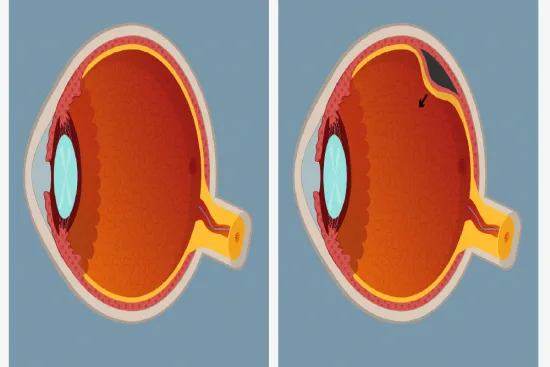
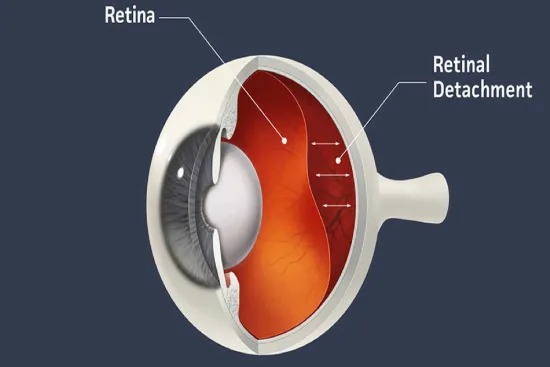
The retina separates from its supporting tissue. Vision blurs, sometimes disappears entirely.

This condition, known as retinal detachment, demands urgent surgical intervention to prevent permanent blindness. Without prompt repair, the light-sensitive cells begin to deteriorate irreversibly, typically within days or weeks.

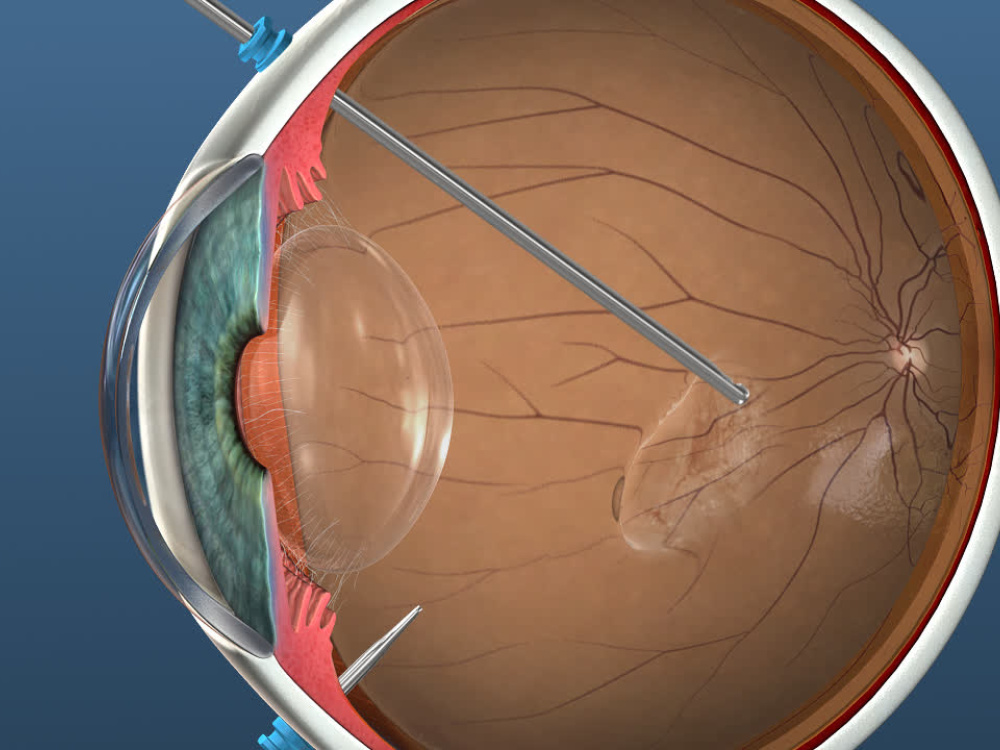
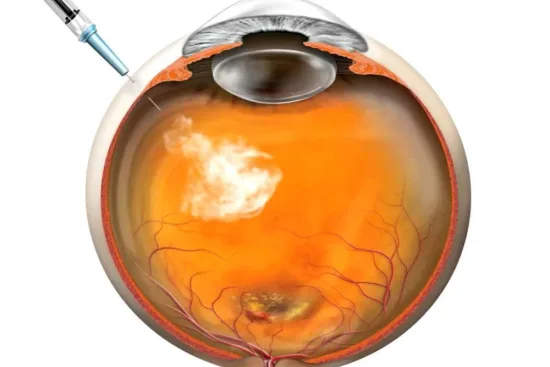
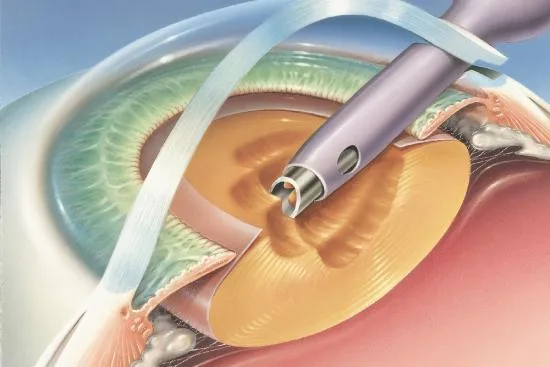
In Turkey, ophthalmologists perform specialized treatment using three main surgical approaches: vitrectomy (removing the gel inside the eye),pneumatic retinopexy (injecting an expanding gas bubble),and scleral buckle (placing a silicone band around the eye). Each technique addresses different detachment types and severity levels.

Patients report gradual vision improvement over months, not immediately after surgery (this matters psychologically). Recovery requires patience, strict eye positioning, and regular follow-up appointments.

Success rates hover around 87% for primary repairs, though some cases require additional procedures. Myopic patients, those with previous eye trauma, or individuals with diabetes-related complications face higher detachment risk and benefit from early consultation with a retinal specialist.

Retinal Detachment Surgery Cost in Turkey

Pricing varies based on surgical complexity and chosen technique. Turkish clinics offer transparent cost structures significantly lower than Western Europe or North America, without compromising quality or safety standards.

Scleral buckle with cerclage typically ranges from $2,800 to $3,500. This procedure suits straightforward detachments with single tears and involves less operative time than vitrectomy.

Vitrectomy costs between $3,800 and $5,200 depending on complexity, additional procedures needed, and whether gas or silicone oil tamponade is used. Complex cases with multiple tears or macula involvement fall toward the higher end.

Pneumatic retinopexy ranges from $2,200 to $3,200, making it the most economical option for eligible candidates. However, strict patient selection criteria limit its applicability.

These prices include surgeon fees, facility costs, anesthesia, and immediate post-operative care. Travel packages combining surgery with accommodation can reduce overall expenses. Many Turkish clinics offer payment plans or work with international insurance providers. Always request itemized quotes and verify JCI accreditation before committing.

Risks and Side Effects

Temporary eye and facial swelling, mild to moderate discomfort, and transient vision disturbances are common. Rare complications include infection, elevated eye pressure, or incomplete reattachment requiring revision surgery.

  • Swelling and bruising around the eye (resolves within 2-3 weeks)
  • Mild pain or foreign body sensation
  • Temporary blurred or distorted vision
  • Risk of recurrent detachment in 5-10% of cases

Why choose Retinal Detachment treatment with Turquie Santé ?

Chirurgien icon

Expert surgeons and JCI certified hospitals

Économie icon

Prices 35% to 50% cheaper than in Europe

Organisation icon

Medical stay organized from A to Z

Prix icon

Direct prices without commission

Résultat icon

Free assistance

All about your Retinal Detachment treatment in Turkey
Overview
Important to know
Benefits
Payment

Verified reviews : 801

Processed requests : 229

Intervention or treatment's duration :

Surgical time ranges from 60 to 120 minutes depending on detachment extent, tear complexity, and chosen technique. Vitrectomy typically requires longer operative time than scleral buckle procedures.

Recovery time :

Return to desk work and light activities after 4-6 weeks. Full sports participation resumes after 8-12 weeks. Visual stabilization continues for 6-12 months as the retina heals and swelling subsides.

  • Week 1-2: Strict head positioning, eye protection, minimal activity
  • Week 3-4: Gradual increase in daily activities, avoid heavy lifting
  • Month 2-3: Resume moderate exercise, driving permitted with medical clearance
  • Months 3-12: Continued vision improvement as neural function recovers


Before treatment

Obtain OCT or fundus imaging to confirm detachment diagnosis and location. Avoid tobacco and alcohol for 15 days before surgery, as both impair healing. Arrive fasting (no food or drink for 12 hours) on surgery day.

  • Complete pre-operative eye examination with retinal specialist
  • Blood tests and general health clearance from your physician
  • Arrange transportation, as driving is prohibited post-surgery
  • Discuss medications with your surgeon, especially blood thinners

During treatment

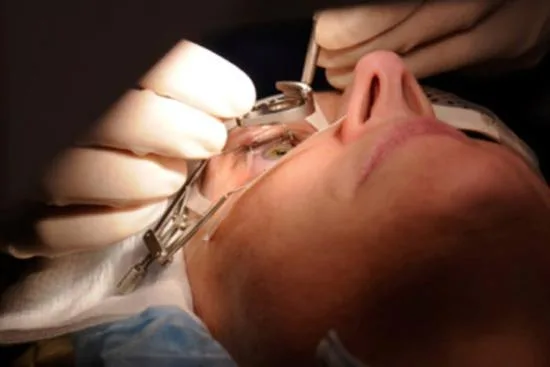
The procedure occurs under general anesthesia, ensuring complete comfort. Surgeons may use specialized contact lenses, microscopes, and intraocular instruments. You remain unconscious throughout, with anesthesia monitoring continuous.

After treatment

Avoid rubbing the operated eye or bathing for one month. No makeup for one week. Refrain from jerking movements and driving for 30 days. Shower the day after surgery while keeping the eye closed.

  • Use prescribed eye drops exactly as directed to prevent infection and inflammation
  • Sleep with your head elevated on 2-3 pillows to reduce swelling
  • Attend all follow-up appointments (typically at 1 week, 1 month, 3 months)
  • Report sudden pain, vision loss, or increased redness immediately

Highly qualified professionals in accredited institutions.


We assist you before, during, and after your trip


Book with full transparency, no hidden fees or commissions.

You will pay your clinic directly using these available methods:
Transfer

🌟 Package Retinal Detachment treatment

  • VIP Airport shuttle
  • Transportation Hotel / Clinic
  • Doctor visit
  • Laboratory analyzes
  • Your surgery
  • 2 Nights of hospitalization
  • 3 Meals per day in clinic
  • Medications in hospital
  • Medical control
  • Interpreter service in clinic
  • Turquie Santé Assistance 7 days/7

Average price :

5 200 $

Medical advice & quote This price does not include travel expenses or the cost of the plane ticket.

Verified testimonials from our patients

How it works ?

2
Services
We look for the best option for your case & budget
3
Hospital
Evaluating a care plan with the best quote
4
airplane
Making appointments & Organization of your trip
5
Health care
Ongoing support until you return home

Get a free medical opinion on Retinal Detachment treatment with our 43 Recognized Clinics

Certifications :

AOSpine International — Global Spine Care Organization LIV Vadistanbul
SRC — Center of Excellence (Colorectal Surgery) LIV Vadistanbul
Eurocrine — Endocrine Surgery Quality Registry LIV Vadistanbul
International Organization for Standardization (ISO) LIV Vadistanbul
LIV Vadistanbul
Istanbul, Turkey
Spec. MD. Deniz Marangoz

Spec. MD. Deniz Marangoz

Main Specialty : Ophthalmology Notable Trainings : Uludag University, Bursa; Kartal Training and Research Hospital, Istanbul; Vance Thompson Vision Center, SD, USA; Beyoglu Eye Training and Research Hospital, Istanbul Mastered Techniques : ... Read more
Prof. Dr. Rıfat Rasier

Prof. Dr. Rıfat Rasier

Main Specialty : Ophthalmology Years of Experience : 13 years. Notable Education : PhD in Biomedical Engineering, Master of Science in Biomedical Engineering, Doctorate of Medicine, Residency in Ophthalmology Mastered Techniques : Lasers, cataract ... Read more
4.4(10 Reviews)
Price on request

Certifications :

International Organization for Standardization (ISO) HISAR INTERCONTINENTAL
TÜV SÜD ISO 9001:2008 - Quality Management Certification HISAR INTERCONTINENTAL
JCI - Joint Commission International HISAR INTERCONTINENTAL
HISAR INTERCONTINENTAL
Istanbul, Turkey
PROF. ÖMER KAMİL DOĞAN, M.D.

PROF. ÖMER KAMİL DOĞAN, M.D.

Main specialty: Ophthalmology (cataract surgery, glaucoma, corneal transplant, conjunctival diseases) Years of experience: Over 35 years Notable training: Degree in medicine and specialization in ophthalmology at Ankara University, Associate ... Read more
Op. Doctor Yalçın İşcan

Op. Doctor Yalçın İşcan

Main Specialty : Ophthalmology Years of Experience : 18 years. Notable Education : Graduated from Istanbul Medical Faculty in 2005, specialization at Dr. Sadi Konuk Training and Research Hospital in Bakırköy in 2010. Mastered Techniques : ... Read more
4.4(218 Reviews)
Price on request

Certifications :

Eurocrine — Endocrine Surgery Quality Registry LIV Ulus
AOSpine International — Global Spine Care Organization LIV Ulus
SRC — Center of Excellence (Colorectal Surgery) LIV Ulus
International Organization for Standardization (ISO) LIV Ulus
LIV Ulus
Istanbul, Turkey
Prof. Dr. Osman Murat Uyar

Prof. Dr. Osman Murat Uyar

Main specialty : Ophthalmology Years of experience : 28 years. Notable training : Hacettepe University Faculty of Medicine, Specialist training at SSK Istanbul EH Ophthalmology Clinic Techniques mastered : Intravitreal injection, LASER ... Read more
Op. Dr. Mediha Tok Çevik

Op. Dr. Mediha Tok Çevik

Main Specialty : Ophthalmology Years of Experience : 8 years. Notable Training : 2010-2015 Uludağ University Faculty of Medicine Department of Ophthalmology - Assistant Mastered Techniques : Cornea, Refractive Surgery, Contact Lens, ... Read more
4.7(1 Reviews)
Price on request

Certifications :

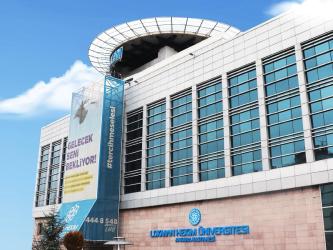
International Organization for Standardization (ISO) LOKMAN HEKIM Üniversitesi
TÜV SÜD ISO 9001:2008 - Quality Management Certification LOKMAN HEKIM Üniversitesi
LOKMAN HEKIM Üniversitesi
Ankara, Turkey
Dr. Burak TANRIVERDİ

Dr. Burak TANRIVERDİ

Main specialty : Ophthalmology Years of experience : 4 years. Notable training : Ankara University, Yıldırım Beyazit University Ataturk Training and Research Hospitals Mastered techniques : FFA – ICG (Eye Angio),Cataract surgery, Corneal and ... Read more
Prof. Dr. Nurullah ÇAĞIL

Prof. Dr. Nurullah ÇAĞIL

Main Specialty : Ophthalmology Years of Experience : 30 years. Significant Training : Hacettepe University, Faculty of Medicine (1984-1991),Erciyes University, Specialty Training in Eye Diseases (1991-1996) Mastered Techniques : Refractive ... Read more
4.7(1 Reviews)
Package price$4700 - $5200
Get a free expert opinion via our Medical Quiz
Have you ever undergone a Retinal Detachment treatment ?

Certifications :

International Organization for Standardization (ISO) MEMORIAL Şişli
TÜV SÜD ISO 9001:2008 - Quality Management Certification MEMORIAL Şişli
JCI - Joint Commission International MEMORIAL Şişli
MEMORIAL Şişli
Istanbul, Turkey
Prof. Dr. TONGUÇ İŞKEN

Prof. Dr. TONGUÇ İŞKEN

Prof. Dr. Ramazan GÜN

Prof. Dr. Ramazan GÜN

4.5(34 Reviews)
Price on request

Certifications :

TÜV SÜD ISO 9001:2008 - Quality Management Certification DUNYAGOZ ETILER
International Organization for Standardization (ISO) DUNYAGOZ ETILER
JCI - Joint Commission International DUNYAGOZ ETILER
DUNYAGOZ ETILER
Istanbul, Turkey
Assoc. Prof. Osman Bulut Ocak

Assoc. Prof. Osman Bulut Ocak

Main specialty: Pediatric ophthalmology and strabismus Years of experience: Over 10 years Notable training: Istanbul Cerrahpaşa University (1997–2003),Beyoğlu Research and Education Hospital (2004–2009),Kızıltepe State Hospital ... Read more
Prof.Dr.Yilmaz Ozyazgan

Prof.Dr.Yilmaz Ozyazgan

Main specialty: Ophthalmology, with particular expertise in uveitis and ocular inflammatory diseases. Years of experience: Over 40 years Notable training: Graduated from the Faculty of Medicine of Ege University in 1974, he obtained his ... Read more
4.1(31 Reviews)
Price on request

Certifications :

TÜV SÜD ISO 9001:2008 - Quality Management Certification MEMORIAL ANKARA
International Organization for Standardization (ISO) MEMORIAL ANKARA
JCI - Joint Commission International MEMORIAL ANKARA
MEMORIAL ANKARA
Ankara, Turkey
Op. Dr. İlker ÇÖMEZ

Op. Dr. İlker ÇÖMEZ

PROF.DR.SEMRA KAHRAMAN

PROF.DR.SEMRA KAHRAMAN

4.3(2 Reviews)
Price on request

Certifications :

JCI - Joint Commission International MEMORIAL Bahçelievler
TÜV SÜD ISO 9001:2008 - Quality Management Certification MEMORIAL Bahçelievler
Leed Platinium Certificate MEMORIAL Bahçelievler
International Organization for Standardization (ISO) MEMORIAL Bahçelievler
MEMORIAL Bahçelievler
Istanbul, Turkey
Nesrin Tutaş Günaydın

Nesrin Tutaş Günaydın

Main Specialty : Ophthalmology Years of Experience : 15 years. Notable Education : Medical degree from Istanbul University, specialization in ophthalmology at Hacettepe University. Mastered Techniques : Cataract surgery, refractive surgery, ... Read more
4.3(23 Reviews)
Price on request

Certifications :

JCI - Joint Commission International DUNYAGOZ ANTALYA
International Organization for Standardization (ISO) DUNYAGOZ ANTALYA
TÜV SÜD ISO 9001:2008 - Quality Management Certification DUNYAGOZ ANTALYA
DUNYAGOZ ANTALYA
Antalya, Turkey
Op. Dr. Bayram Gülpamuk

Op. Dr. Bayram Gülpamuk

Main specialty: Ophthalmology (surgery and medicine of the eyes)   Notable training: Graduated in medicine from the Faculty of Medicine of Izmir (1988),residency in ophthalmology at the Ulucanlar Training and Research Hospital ... Read more
Assoc. Prof. Esra Ayhan Tuzcu

Assoc. Prof. Esra Ayhan Tuzcu

Main specialty: Ophthalmology (retina, cataract, vitreoretinal surgery) Years of experience: 18 years Notable training: Graduated from the Faculty of Medicine Cumhuriyet University (2001),specialization in ophthalmology Erciyes University ... Read more
4.7(1 Reviews)
Price on request

Certifications :

JCI - Joint Commission International DUNYAGOZ ATAKOY
International Organization for Standardization (ISO) DUNYAGOZ ATAKOY
DUNYAGOZ ATAKOY
Istanbul, Turkey
Assoc. Prof. Zerrin Kapicioğlu

Assoc. Prof. Zerrin Kapicioğlu

Main specialty: Ophthalmology (glaucoma, eye surgery, pediatric care) Years of experience: 27 years Notable training: Graduate of Hacettepe University Faculty of Medicine, specialization in ophthalmology at 19 Mayıs University, academic ... Read more
Op. TÜLAY ARICI, MD

Op. TÜLAY ARICI, MD

Main specialty: Pediatric ophthalmology, strabismus, amblyopia (lazy eye) Years of experience: Over 20 years Notable training: Graduated in medicine from the Faculty of Medicine of Cerrahpaşa (1991),specialization in ophthalmology at the ... Read more
4.5(8 Reviews)
Price on request

Certifications :

JCI - Joint Commission International Florence Nightingale
TÜV SÜD ISO 9001:2008 - Quality Management Certification Florence Nightingale
Florence Nightingale
Istanbul, Turkey
Dr. Abdullah Eren

Dr. Abdullah Eren

Dr. Banu Bingöl Günenç

Dr. Banu Bingöl Günenç

Price on request

Certifications :

International Organization for Standardization (ISO) AMERICAN HOSPITAL
JCI - Joint Commission International AMERICAN HOSPITAL
TÜV SÜD ISO 9001:2008 - Quality Management Certification AMERICAN HOSPITAL
AMERICAN HOSPITAL
Istanbul, Turkey
Dr. Aylin Pelin Çil

Dr. Aylin Pelin Çil

Dr.Aylin Şimşek

Dr.Aylin Şimşek

Price on request

Certifications :

TÜV SÜD ISO 9001:2008 - Quality Management Certification MEMORIAL Antalya
JCI - Joint Commission International MEMORIAL Antalya
International Organization for Standardization (ISO) MEMORIAL Antalya
MEMORIAL Antalya
Antalya, Turkey
Özlem Tök

Özlem Tök

Main Specialty : Ophthalmology Years of Experience : 25 years. Notable Training : Specialization in ophthalmology at the Ankara Education and Research Hospital (1999-2002),Medical training at Ankara University (1992-1998). Notable Achievements : ... Read more
4.7(1 Reviews)
Price on request

Certifications :

TÜV SÜD ISO 9001:2008 - Quality Management Certification ACIBADEM
International Organization for Standardization (ISO) ACIBADEM
JCI - Joint Commission International ACIBADEM
ACIBADEM
Istanbul, Turkey
Dr. Banu Coşar

Dr. Banu Coşar

Main specialty: Ophthalmology Years of experience: Over 28 years Notable training: Graduate of Hacettepe Faculty of Medicine (1996),ophthalmology specialization at Ankara Numune Hospital (2000),cornea fellowship at Wills Eye Hospital, USA ... Read more
4.6(166 Reviews)
Price on request

You have consulted 7 / 43 Hospitals

Among our doctors

Everything you will need for your medical trip

Medical opinion and estimates

Expert opinions and cost estimates

Pre-trip consultations

Understand your procedure before traveling.

Visa assistance

We assist our patients in obtaining their visas from the consulates.

Translation of your medical reports

We guarantee free and certified translation of your medical documents from all languages.

VIP Transport

Your transfers will be provided from the airport and your hotel.

Continuous Follow-up

You will be assisted by your attending doctor even after returning to your country, via videos or messages.

Experiences of our patients – Turquie Santé

Emily White : Editorial Team Lead at Turquie Santécheck

Written by

Emily White

This content complies with the editorial policy of Turquie Santé. It was written by Emily White, Head of the Editorial Team, who has over 11 years of experience in scientific research and clinic management in Turkey. She ensures the reliability of medical information while making complex data accessible to everyone.

Types of Retinal Detachment

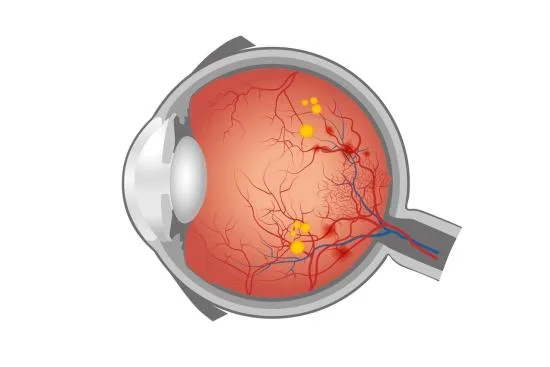
Rhegmatogenous detachment accounts for roughly 73% of cases. A tear in the retina allows fluid to seep underneath, lifting the tissue away from the eye wall. High myopia, previous eye surgery, or trauma trigger this type most often.

Tractional detachment occurs when scar tissue physically pulls the retina loose. Diabetic patients with advanced retinopathy face elevated risk. The retina doesn't tear; it's mechanically separated by fibrous bands.

Exudative detachment happens when fluid accumulates beneath an intact retina without any tear present. Inflammation, infection, or tumors cause this variant. It's the rarest form but sometimes resolves with medical treatment alone.

Each type demands different surgical approaches. Your retinal specialist determines which technique suits your specific detachment pattern after detailed imaging.

Recognizing the Signs of Retinal Detachment

Early warning signs often go unnoticed. Patients report a sudden shower of floaters (small dark specks drifting across vision) or flashing lights at the eye's periphery. These symptoms, while sometimes harmless, occasionally signal a retinal tear developing.

As detachment progresses, a dark shadow or curtain appears at the edge of your visual field, gradually expanding inward. Central vision remains clear initially, which is why many patients delay seeking care. By the time blurriness reaches the center, significant damage may have occurred.

Loss of peripheral vision combined with floaters warrants immediate ophthalmologic evaluation. Don't wait for symptoms to worsen. Early intervention within days of symptom onset dramatically improves surgical outcomes and vision preservation.

Causes of Retinal Detachment

High myopia stands as the leading risk factor. Elongated eyeballs stretch the retina thin, making tears more likely. People with myopia exceeding -6 diopters face substantially elevated risk compared to those with normal vision.

Eye trauma, whether from sports injuries or accidents, can tear the retina immediately or trigger delayed detachment months later. Severe hypertension damages blood vessel walls, weakening retinal support. Diabetes causes progressive retinal degeneration, increasing detachment susceptibility.

Previous cataract surgery or laser vision correction (LASIK) modifies eye structure, occasionally leading to detachment years afterward. Family history matters too, as genetic factors influence retinal strength and eye shape. Age plays a role, with detachment risk rising after 50, though younger myopic individuals remain vulnerable.

Diagnosis of Retinal Detachment

Indirect ophthalmoscopy remains the gold standard for detecting and classifying detachment. This examination allows your specialist to visualize the entire retina, including peripheral areas where tears often originate. Direct ophthalmoscopy, while useful for examining the central retina, frequently misses peripheral lesions.

Optical coherence tomography (OCT) provides cross-sectional imaging, revealing detachment extent and macula involvement. Ultrasound becomes necessary when cataracts or media opacity prevent clear visualization. These imaging tools guide surgical planning and help predict visual recovery potential.

Fundus photography documents detachment location and size for comparison during follow-up. Your surgeon combines all these diagnostic methods to determine whether immediate surgery is needed or if observation is appropriate for certain detachment types.

Retinal Detachment Surgery Techniques in Turkey

Three primary surgical approaches address retinal detachment, each suited to different clinical scenarios. Your retinal specialist selects the optimal technique based on detachment type, location, and extent.

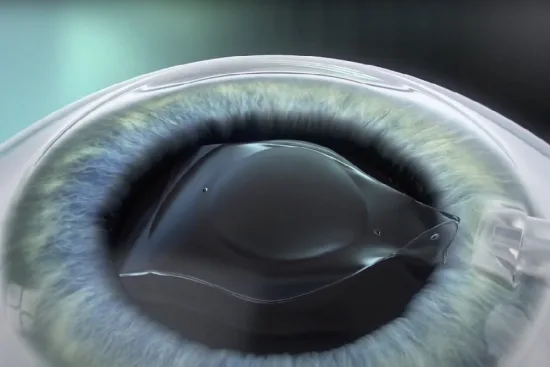
Vitrectomy involves removing the gel filling the eye's interior, allowing direct access to the retina. Surgeons then repair the tear, drain fluid beneath the retina, and often inject a gas bubble to hold the retina in place while it reattaches. This approach works well for complex detachments, multiple tears, or cases involving the central vision area.

Scleral buckle places a silicone band around the eye's outer wall, indenting it inward to relieve tension on the detached retina. This technique suits uncomplicated detachments with single tears in the upper retina. Recovery can be slightly faster than vitrectomy, though some patients experience mild myopic shift afterward.

Pneumatic retinopexy injects an expanding gas bubble into the eye to push the retina back against the wall. This minimally invasive approach works for select cases with superior retinal tears. Patients must maintain strict head positioning for 1-2 weeks while the bubble expands and reabsorbs.

Turkish clinics accredited by JCI (Joint Commission International) employ all three techniques with modern equipment and experienced retinal surgeons trained internationally.

Retinal Detachment treatment FAQ in Turkey

Will my vision return immediately after retinal detachment surgery?
Vision recovery is gradual, not instantaneous. Immediately post-surgery, your vision may actually worsen temporarily due to swelling, anesthesia effects, and the healing process. Over weeks and months, clarity improves as inflammation subsides and the retina reattaches firmly. Maximum visual stabilization often takes 6 to 12 months. Patients with detachment affecting the macula (central vision area) typically experience slower recovery than those with peripheral-only detachment. Realistic expectations prevent disappointment during the healing journey.
What is the success rate for retinal detachment surgery in Turkey?
Primary reattachment success rates in accredited Turkish clinics reach approximately 87% for first-time repairs. This means the retina successfully reattaches and remains in place. However, success doesn't guarantee perfect vision restoration, as some photoreceptor damage may be permanent depending on detachment duration before surgery. About 5 to 10% of patients require a second procedure if reattachment is incomplete. Long-term functional outcomes depend on macula involvement, detachment duration, and individual healing capacity. Your surgeon will discuss realistic vision expectations during consultation.
Is vitrectomy for retinal detachment painful?
No, vitrectomy is painless during the procedure because it occurs under general anesthesia. You remain unconscious throughout, with continuous monitoring of vital signs and anesthesia depth. After surgery, mild discomfort, tingling sensations, or a foreign body feeling may persist for several days. Prescribed eye drops and anti-inflammatory medications manage post-operative discomfort effectively. Pain that intensifies after the first week warrants immediate contact with your surgeon, as it may signal infection or elevated eye pressure requiring urgent intervention.

What is recovery like after retinal detachment surgery?
Recovery unfolds in stages over several months. The first week involves strict head positioning (often face-down if gas tamponade was used),eye protection, and minimal activity. Swelling peaks around day 3-5, then gradually subsides. By week 2-3, you can resume light daily activities. Vision gradually improves as inflammation decreases and the retina fully reattaches. Regular follow-up appointments (typically at 1 week, 1 month, and 3 months) monitor healing progress and detect complications early. Most patients return to desk work by 4-6 weeks and resume sports after 8-12 weeks, though individual timelines vary.

Can retinal detachment recur after surgery?
Yes, recurrent detachment occurs in approximately 5 to 10% of cases, especially with multiple retinal tears or complex detachments. Risk factors include high myopia, previous eye trauma, and certain systemic conditions like diabetes. Regular follow-up examinations allow your surgeon to detect early signs of re-detachment before vision loss occurs. If recurrence happens, a second surgery can often repair it successfully. Lifelong monitoring remains important, particularly for high-risk patients. Maintaining good eye health, protecting eyes from trauma, and attending all scheduled appointments reduce recurrence risk.
Share this page

Your Retinal Detachment treatment in Turkey package starting from 5 200$