

Turquie Santé
Last update : 13/04/2026

Dialysis in Turkey: Costs, treatment types and international prices comparison

Renal dialysis Turkey
788+
patient reviews
Patient icon
600K+
Requests received since 2018
Clinique icon
36
Clinics
Trustpilot icon
4.6
Ville icon
5
Cities
Docteurs icon
2K+
Recognized doctors

Hearing the word "dialysis" for the first time changes everything. Not just medically, logistically, emotionally, practically. Three sessions a week, four hours each, indefinitely. And immediately, the practical questions start: Where, how, at what cost, and how realistic is it to organize this abroad?

These are exactly the questions patients from the UK, Australia, the Gulf region, and beyond bring to Turquie Santé when they start researching dialysis in Turkey. What they find, once they look past the surface, is a country with a well-developed nephrology infrastructure, internationally certified hospitals, and prices that make private dialysis genuinely accessible, not as a cost-cutting compromise, but as a medically sound choice.

This page explains what dialysis actually is, what the different techniques involve, what they cost in Turkey versus the West, and what to expect if you decide Istanbul is the right place for your treatment.

How much does dialysis cost in Turkey?

Dialysis in Turkey offers internationally standardised care at significantly lower costs than many other countries, while maintaining the same clinical protocols and safety standards.

Below is a transparent price comparison for international patients treated in Istanbul:

ProcedureTurkey (USD)UK (private)Germany (private)USA (private)
Hemodialysis (HD) - 1 session (4 h)$80 - $130$280 - $420$300 - $450$500 - $800
Hemodiafiltration (HDF) - 1 session$120 - $180$350 - $520$380 - $550$650 - $1,000
Peritoneal dialysis - catheter + training$150 - $220$500 - $750$500 - $700$800 - $1,200
Nephrologist consultation (initial)$60 - $100$200 - $350$200 - $350$300 - $500
Diagnostic workup (blood panel + renal ultrasound)$100 - $200$300 - $500$300 - $500$500 - $900

Prices for Turkey are verified with Turquie Santé partner clinics.

One month of hemodialysis (12 sessions) typically costs $960–$1,560 in Turkey, compared with:

  • $3,360 - $5,040 in the UK (private care)
  • $3,600 - $5,400 in Germany (private care)
  • $6,000 - $9,600 in the United States (private care)

These differences reflect healthcare system structure and operating costs, not differences in treatment quality, which follows the same international nephrology guidelines.


Why undergo Renal dialysis with Turquie Santé ?

Chirurgien icon

Expert surgeons and JCI certified hospitals

Économie icon

Prices 35% to 50% cheaper than in Europe

Organisation icon

Medical stay organized from A to Z

Prix icon

Direct prices without commission

Résultat icon

Free assistance 24/7

All about your Renal dialysis in Turkey
Overview
Alternative care
Benefits
Payment

Verified reviews : 788

Processed requests : 187

Intervention or treatment's duration :

  • 4 hours, 3 times a week

Alternative treatments

Highly qualified professionals in accredited institutions.


We assist you before, during, and after your trip


Book with full transparency, no hidden fees or commissions.

You will pay your clinic directly using these available methods:

Transfer

Get a free medical opinion on Renal dialysis with our 36 Recognized Clinics

Certifications :

Joint Commission International - JCI LIV Vadistanbul
International Organization for Standardization (ISO) LIV Vadistanbul
ISO 9001:2008 LIV Vadistanbul
AOSpine International — Global Spine Care Organization LIV Vadistanbul
LIV Vadistanbul
Istanbul, Turkey
Prof. Dr. Süleyman Tevfik Ecder

Prof. Dr. Süleyman Tevfik Ecder

Prof. Dr. Ozan Özkaya

Prof. Dr. Ozan Özkaya

4.4

Certifications :

Joint Commission International - JCI LIV Ulus
International Organization for Standardization (ISO) LIV Ulus
ISO 9001:2008 LIV Ulus
AOSpine International — Global Spine Care Organization LIV Ulus
LIV Ulus
Istanbul, Turkey
Prof. Dr. Mehmet Tekin Akpolat

Prof. Dr. Mehmet Tekin Akpolat

Assoc. Prof. Dr. İlteriş Oğuz Topal

Assoc. Prof. Dr. İlteriş Oğuz Topal

4.7

Certifications :

Joint Commission International - JCI MEMORIAL Bahçelievler
International Organization for Standardization (ISO) MEMORIAL Bahçelievler
ISO 9001:2008 MEMORIAL Bahçelievler
Leed Platinium Certificate MEMORIAL Bahçelievler
MEMORIAL Bahçelievler
Istanbul, Turkey
Bilal GÖRÇİN

Bilal GÖRÇİN

Dr.Gökhan temiz

Dr.Gökhan temiz

4.3

Certifications :

Joint Commission International - JCI MEMORIAL Şişli
International Organization for Standardization (ISO) MEMORIAL Şişli
ISO 9001:2008 MEMORIAL Şişli
MEMORIAL Şişli
Istanbul, Turkey
Dr. Serpil GÖRÇİN

Dr. Serpil GÖRÇİN

Prof. Dr. Ülkem ÇAKIR

Prof. Dr. Ülkem ÇAKIR

4.5

Certifications :

Joint Commission International - JCI HISAR INTERCONTINENTAL
International Organization for Standardization (ISO) HISAR INTERCONTINENTAL
ISO 9001:2008 HISAR INTERCONTINENTAL
HISAR INTERCONTINENTAL
Istanbul, Turkey
Ömer Necip AYTUĞ

Ömer Necip AYTUĞ

Nurettin Demirkol

Nurettin Demirkol

4.4

Certifications :

International Organization for Standardization (ISO) LOKMAN HEKIM Üniversitesi
ISO 9001:2008 LOKMAN HEKIM Üniversitesi
LOKMAN HEKIM Üniversitesi
Ankara, Turkey
Prof. Dr. Osman İLHAN

Prof. Dr. Osman İLHAN

Assoc.Prof.Mehmet Emin ŞİMŞEK

Assoc.Prof.Mehmet Emin ŞİMŞEK

4.7

Certifications :

Joint Commission International - JCI MEMORIAL ANKARA
International Organization for Standardization (ISO) MEMORIAL ANKARA
ISO 9001:2008 MEMORIAL ANKARA
MEMORIAL ANKARA
Ankara, Turkey
Prof. Dr. Koray ACARLI

Prof. Dr. Koray ACARLI

Prof. Dr. Ferit AVCU

Prof. Dr. Ferit AVCU

4.3

Certifications :

Joint Commission International - JCI Florence Nightingale
ISO 9001:2008 Florence Nightingale
Florence Nightingale
Istanbul, Turkey
Dr. Abdullah Eren

Dr. Abdullah Eren

Certifications :

Joint Commission International - JCI AMERICAN HOSPITAL
International Organization for Standardization (ISO) AMERICAN HOSPITAL
ISO 9001:2008 AMERICAN HOSPITAL
AMERICAN HOSPITAL
Istanbul, Turkey

Certifications :

Joint Commission International - JCI MEMORIAL Antalya
International Organization for Standardization (ISO) MEMORIAL Antalya
ISO 9001:2008 MEMORIAL Antalya
MEMORIAL Antalya
Antalya, Turkey
Prof. Dr. Akın YILDIZ

Prof. Dr. Akın YILDIZ

4.7

Certifications :

Joint Commission International - JCI ACIBADEM
International Organization for Standardization (ISO) ACIBADEM
ISO 9001:2008 ACIBADEM
ACIBADEM
Istanbul, Turkey
Dr. A.BÜLENT OKTAY

Dr. A.BÜLENT OKTAY

4.5

You have consulted 7 / 36 Hospitals

Everything you will need for your medical trip

Medical opinion and estimates

Expert opinions and cost estimates

Pre-trip consultations

Understand your procedure before traveling.

Visa assistance

We assist our patients in obtaining their visas from the consulates.

Translation of your medical reports

We guarantee free and certified translation of your medical documents from all languages.

VIP Transport

Your transfers will be provided from the airport and your hotel.

Continuous Follow-up

You will be assisted by your attending doctor even after returning to your country, via videos or messages.

Experiences of our patients – Turquie Santé

Verified patient reviews

D.

I do my renal dialysis in Türkiye and I am rather satisfied with the follow -up. The Memorial Sisli clinic is clean and the staff ..Read more


5.0
24/08/2025
Treatment carried out Renal dialysis
Treated by ACIBADEM
Bayoumy M.

Honestly, my father needed a dialysis session

They professionally provided us with excellent service, from receiving ..Read more


5.0
14/09/2024
Treatment carried out Renal dialysis
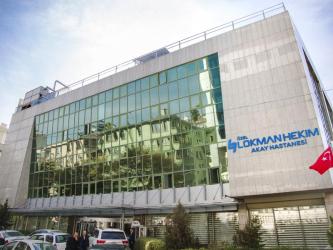
Treated by LOKMAN HEKIM ISTANBUL
Emily White : Editorial Team Lead at Turquie Santécheck

Written by

Emily White

This content complies with the editorial policy of Turquie Santé. It was written by Emily White, Head of the Editorial Team, who has over 11 years of experience in scientific research and clinic management in Turkey. She ensures the reliability of medical information while making complex data accessible to everyone.

What does dialysis do and when does it become necessary?

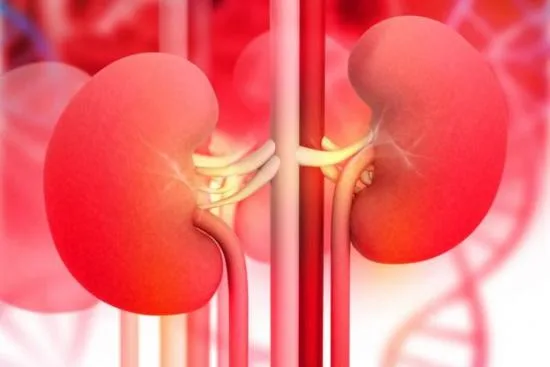
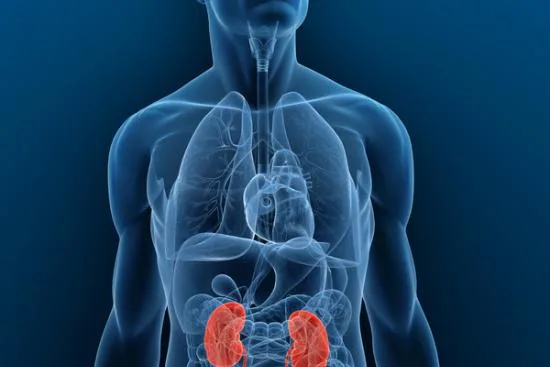
Healthy kidneys quietly perform around a dozen vital functions every hour: filtering waste products from the blood, regulating fluid and electrolyte balance, controlling blood pressure, and stimulating red blood cell production. In end-stage chronic kidney disease (CKD Stage 5),the glomerular filtration rate (GFR) falls below 15 mL/min, meaning the kidneys can no longer keep pace with the body's demands. Urea, creatinine, potassium, and excess fluid begin to accumulate, with potentially life-threatening consequences.

Dialysis takes over the kidneys' filtration role. It does not treat the underlying kidney disease, and it does not restore kidney function. What it does, reliably, session after session, is remove enough waste and fluid to keep you alive, stable, and functional. For most patients on dialysis, the goal alongside treatment is an eventual kidney transplant. For others, dialysis becomes a long-term steady state.

According to the USRDS Annual Data Report, 2023, more than 3.7 million people worldwide are receiving renal replacement therapy. According to the ERA-EDTA European Registry, dialysis prevalence in the UK is approximately 380 patients per million population; in the US, it exceeds 700 per million. The global demand for dialysis is projected to double by 2030, driven largely by rising rates of diabetes and hypertension, the two leading causes of CKD.

When is dialysis typically initiated?

The internationally recognized KDIGO 2023 guidelines (Kidney Disease: Improving Global Outcomes) recommend initiating dialysis when:

Timing matters. Starting too early carries unnecessary risk; starting too late can lead to emergency complications. An experienced nephrologist, not a urologist, who deals with the urinary tract and its surgery, makes this determination based on the full clinical picture.

What types of dialysis are available in Istanbul and which one is right for you?

Three principal dialysis modalities are available at Turquie Santé partner clinics in Istanbul. The choice between them is made by the nephrologist in consultation with the patient, based on clinical factors, vascular access, lifestyle preferences, and residual kidney function.

Criterion

Hemodialysis (HD)

Hemodiafiltration (HDF)

Peritoneal dialysis (PD)

Where performedDialysis centerDialysis centerAt home (daily)
Schedule4 h × 3 sessions/week4 h × 3 sessions/week4-5 exchanges per day
Access requiredAVF or catheterAVF (essential)Peritoneal catheter
Middle molecule removalModerateHigh (convection)Moderate
Hemodynamic stressModerateLower than HDMinimal
Key advantageMost extensively studied technique14-15% reduction in all-cause mortality vs HDIndependence; home-based; preserves residual kidney function
Main limitation3×/week clinic attendanceHigher cost; requires good AVFDaily self-management; peritonitis risk
Cost in Turkey (per session)from $80–130from $120–180Catheter + training: $150-220

What actually happens during a hemodialysis session?

Most of the anxiety patients feel before starting dialysis comes not from the procedure itself, but from not knowing what to expect. Here is a clear, honest account of what a session looks like at a Turquie Santé partner clinic in Istanbul.

Vascular access: fistula or catheter?

Before hemodialysis can begin, a reliable pathway for blood to leave and return to the body must be established. An arteriovenous fistula (AVF), a surgical connection between an artery and a vein, usually in the forearm, is the preferred long-term option. It needs to be created two to four months in advance to allow it to develop ("mature") before use.

If dialysis must begin urgently, a central venous catheter is placed instead, a quicker solution but one associated with a higher risk of infection and lower long-term durability.

The four-hour session itself

You settle into a reclining chair or bed. Two needles are placed into the fistula, one draws blood out to the dialysis machine, and the other returns it after purification. If you have a catheter, two channels serve the same function. The machine pumps 250-400 ml of blood per minute through a dialyser: a filter containing thousands of hollow fibers with semipermeable walls. Through those walls, urea, creatinine, excess potassium, and surplus fluid cross into the dialysing solution, which is then discarded. The cleaned blood flows back to you.

Over four hours, your entire blood volume passes through the machine multiple times. The effectiveness of each session is measured by a parameter called Kt/V, which your nephrologist targets at 1.2 or above per session, a meaningful standard, not a vague aspiration.

When the session is done, the needles are removed, a dressing is applied, and you are free to leave.

What patients experience during dialysis

Most patients read, watch films, or talk during sessions. Nursing staff monitor blood pressure, heart rate, and any symptoms throughout.

The whole experience, once familiar, tends to be far less daunting than it sounds in the abstract.

Diet during hemodialysis

Dietary restrictions during hemodialysis are real and need to be taken seriously. Potassium (found in bananas, potatoes, tomatoes, and nuts),phosphorus (found in dairy, nuts, and beans),sodium, and fluid intake must all be limited between sessions.

A renal dietitian, available at all Turquie Santé partner clinics, will work with you to build an eating plan that keeps your blood chemistry stable while remaining genuinely manageable.

Is hemodiafiltration worth choosing over standard hemodialysis?

Hemodialfiltration (HDF) is, in essence, an upgraded form of hemodialysis. It adds a convective component: A large volume of ultrapure substitution fluid (18-25 liters per session) is passed through the dialyser, and then replaced with sterile fluid. This convective flow drags along molecules that are too large for standard diffusion to remove efficiently: beta-2 microglobulin, parathyroid hormone (PTH),inflammatory cytokines, the very molecules responsible for dialysis-related amyloidosis, accelerated cardiovascular disease, and chronic systemic inflammation in long-term patients.

The clinical evidence behind this choice is now quite clear. The CONTRAST randomized controlled trial (Verhave JC et al., JASN 2015) and the ERA-EDTA international registry both reported a 14–15% reduction in all-cause mortality for patients receiving high-volume HDF compared to conventional HD. For patients in Istanbul planning dialysis over months or years, this is a meaningful consideration, one that the nephrologists at Turquie Santé partner centers factor into their recommendations.

For patients who will be on dialysis for the long term and who have good vascular access, hemodiafiltration is what we offer as the default here. The survival data are too consistent to ignore. When patients ask us why it costs a little more, we show them the numbers; that tends to close the conversation quickly.

Is peritoneal dialysis an option for you?

Peritoneal dialysis (PD) takes an entirely different approach. Rather than an external machine, it uses the patient's own peritoneum, the thin membrane lining the abdominal cavity, as the filtering surface. A flexible catheter is surgically placed in the abdomen; through it, sterile dialysing solution is infused and left in place for several hours, during which time waste products and fluid pass across the peritoneal membrane into the solution. The used fluid is then drained out and replaced with a fresh solution.

The defining advantage of PD is independence. Patients perform their own exchanges at home, on their own schedule, without the three-times-weekly clinic visits that hemodialysis requires. It is particularly well-suited to working adults, patients who live far from a dialysis center, those with cardiovascular instability who do not tolerate the blood pressure fluctuations that can occur during HD, and patients with good residual kidney function whose bodies benefit from the gentler, continuous nature of PD.

Training for peritoneal dialysis, how to perform exchanges safely, how to recognize signs of infection, and how to manage the technique at home, takes one to two weeks. This training can be completed in Istanbul, at a Turquie Santé partner center, before the patient returns home with full independence over their treatment.

What should you prepare before your first dialysis session in Istanbul?

Preparing in advance makes a real difference, not just for logistics, but for your safety and the effectiveness of your treatment from day one.

With the right preparation, your transition to dialysis care in Istanbul becomes a structured, predictable process, not a stressful unknown.

What is life like on dialysis practically speaking?

Dialysis imposes real constraints. Acknowledging them honestly is more useful than minimising them. But within those constraints, a great deal remains possible, and knowing what to expect makes adaptation considerably easier.

Diet: What actually needs to change?

Between sessions, your body can no longer regulate certain elements efficiently, which is why diet becomes a key part of treatment.

Your nephrologist and renal dietitian define precise targets based on your blood tests. The goal is balance, not unnecessary restriction.

Looking after your fistula

Your arteriovenous fistula (AVF) is your lifeline; protecting it is essential for safe, long-term dialysis.

Simple daily precautions significantly reduce complications.

Travel, work, and staying active

Many dialysis patients work full-time, particularly those on peritoneal dialysis or with a convenient haemodialysis schedule. International travel is feasible, dialysis centres exist worldwide, and Turquie Santé can facilitate holiday dialysis in Istanbul for patients who want to combine treatment with a stay in Turkey.

The most important logistical requirement is advance planning: most dialysis units worldwide require 4-6 weeks' notice for visiting patients.

Others have also seen


Share this page

Our assistants help you to get the best options in Renal dialysis