


Turquie Santé
Last update : 22/10/2026

Pancreatic cancer treatment in Turkey: options, risks and cost ranges for international patients

Access internationally recognized healthcare with substantial savings compared with European prices.

Get a free quote
Pancreatic cancer treatment Turkey
793+
patient reviews
across all procedures

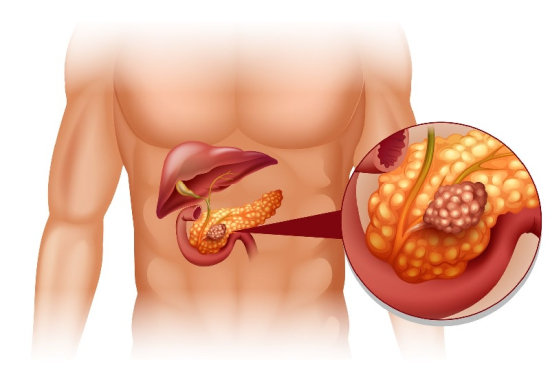
Unexplained weight loss, persistent pain in the upper abdomen or back, or a new yellowing of the skin and eyes should be assessed by a doctor. These symptoms are non-specific and are far more often caused by other, benign conditions, so a medical evaluation is needed to identify the cause before pancreatic cancer is suspected. Pancreatic cancer is often silent at first, so when it causes symptoms they frequently appear at a more advanced stage. It is an aggressive disease that targets the pancreas, a crucial organ responsible for digestion and blood sugar regulation, and early detection combined with access to specialized medical care is critical to improve treatment outcomes and support quality of life.

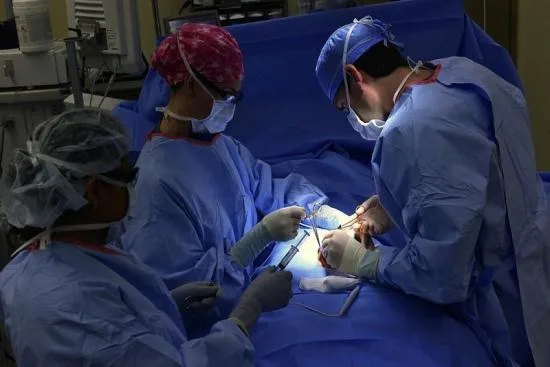
In Turkey, treatment starts with thorough diagnostics and a personalized, multidisciplinary plan. Medical centers in Istanbul with oncology and digestive surgery teams can offer treatments such as the Whipple procedure or, in some cases, a total pancreatectomy when the tumor requires it, together with chemotherapy and other systemic treatments, with the aim of prolonging survival and maintaining quality of life. Outcomes depend on the stage of the disease, the characteristics of the tumor and the experience of the team, so it is worth asking any center how many pancreatic resections it performs each year.

Cost of pancreatic cancer treatment in Turkey

Costs for pancreatic cancer care in Turkey are generally lower than in many Western countries, although the difference varies by country and by treatment, and the total depends on the type of treatment, the hospital and the techniques required.

Approximate prices in Turkey, for the treatment itself:

  • Whipple Surgery: $9,400–$14,000 USD
  • Chemotherapy: from $1,800 USD per cycle
  • Radiation Therapy: $3,500–$5,900 USD
  • Immunotherapy: $4,700–$8,200 USD per cycle (relevant only for the small minority of patients whose tumor is MSI-H or dMMR)

These prices are estimates for individual procedures, not for a complete treatment course, which in pancreatic cancer often combines several of them and can be much more expensive. They may vary considerably depending on your specific case. What each price includes (consultations, hospitalization, medication and tests) is specified in your personalized quote, which is issued after a medical consultation and is the only way to obtain a precise price. The detailed quote is itself an estimate and may be adjusted according to your clinical progress. The main factors that make the price vary are:

  • Whipple surgery: the hospital, the complexity of the operation, and the length of the hospital stay, including any intensive care.
  • Chemotherapy: the protocol and drugs used, and the number of cycles.
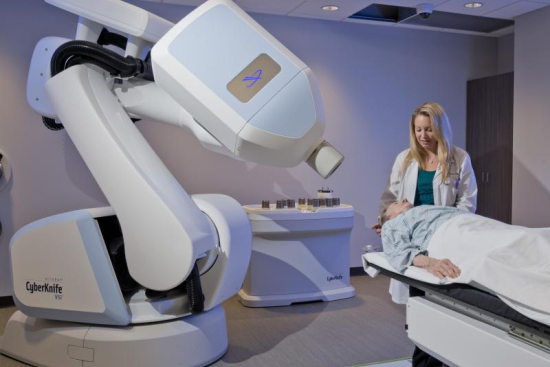
  • Radiation therapy: the technique (conventional radiotherapy or stereotactic radiotherapy such as CyberKnife) and the number of sessions.
  • Immunotherapy: the drug, the dose, and the number of cycles.

All-inclusive medical packages are available. They cover the preoperative consultation, hotel accommodation, airport-to-clinic transfers and medical interpreter services. Unforeseen post-operative complications, infections or adverse reactions are not included in the package and will be discussed and quoted separately, before any commitment. Newer targeted drugs are not included in these estimates and their price must be requested separately.

Important: complications are frequent after major pancreatic surgery. In published series they affect roughly 30 to 60% of patients after a Whipple procedure, and the most serious ones (pancreatic fistula, bleeding, severe infection) can require intensive care, further procedures and a much longer hospital stay. They can therefore lead to considerable and unforeseen costs and extend your stay abroad. We strongly recommend taking out travel and medical insurance that covers these situations (check that it covers complications of a pre-existing condition and medical repatriation),and setting aside a substantial emergency budget. The risks of pancreatic cancer surgery are detailed in the risks section of this page and will be discussed in depth during your consultation.

Contact us today to plan your personalized pancreatic cancer treatment in Turkey!

Why choose Pancreatic cancer treatment with Turquie Santé ?

Chirurgien icon

Accredited surgeons and hospitals (JCI, ISO)

Économie icon

Indicative prices, often lower than in Western Europe depending on the case

Organisation icon

Medical stay organized from A to Z

Prix icon

Detailed quote (included / not included) before your stay

Résultat icon

Free review of your file

All about your Pancreatic cancer treatment in Turkey
Benefits
Payment

Highly qualified professionals in accredited institutions.


We assist you before, during, and after your trip


A detailed quote is presented to you before your stay. Our support is free for the patient and any fees are specified in advance.

You will pay your clinic directly using these available methods:
Transfer

Verified testimonials from our patients

Pauline M.
Verified review

A mastectomy is not just an operation. Before going through it, I had a lot of doubts. After the operation, it took time to recover and to get used to my changed body. Some days were harder than others. Throughout that period, the Turquie Santé team ..Read more


15/06/2026
This patient was treated for Mastectomy
MESROUCHE EL H.
Verified review

I had a PET scan at Hisar Intercontinental. The examination went smoothly, and the staff were professional. I just found the wait for the results a little long.


06/05/2026
This patient was treated for Pet-Scan (Pet-CT)
arbadji Z.
Verified review

very satisfied with the care and quality and competence of the doctors. I have to come back in a few months to continue my care.


17/03/2026
This patient was treated for Oncology-Cancerology
Imane B.
Verified review

I would like to thank the entire Turquie Santé team as well as the Acıbadem Clinic for their warm welcome and great professionalism. The care for my Hodgkin's disease was excellent, from the first consultation to the medical follow-up. I received car..Read more


03/03/2026
This patient was treated for Hodgkin's disease treatment
Jenny Y.
Verified review

I would like to share my experience with Turquie Santé and Memorial Clinic and to thank the coordinator Emily, who took the time to explain every step to me — she speaks French, which was great. She arranged a teleconsultation with Dr. Akin Yildiz, a..Read more


01/03/2026
This patient was treated for Mastectomy
Karima B.
Verified review

very well in general, my father is better after the success of the removal of his brain tumor, I congratulate the doctor Sultan Tarlaci and Kevin who organized everything for me, except the day of my arrival at the airport I struggled to find the dri..Read more


11/02/2026
This patient was treated for Brain cancer treatment
Julie B.
Verified review

I thank the platform Turquie Santé for organizing my medical stay in Turkey. The hotel was comfortable, the interpreter was always there when needed, and my coordinator Emily really made a difference—present at every step, available and reassuring wh..Read more


10/02/2026
This patient was treated for Stomach cancer
Jason D.
Verified review

It's been a few months now, and I'm finally taking the time to share my experience. As a patient coming from Canada, I was accompanied by Turquie Santé for immunotherapy treatment in Istanbul. At the beginning, the coordinator Sophia was very present..Read more


04/02/2026
This patient was treated for Immunotherapy
Emily White : Medical Content Team Manager at Turquie Santécheck

Written by

Emily White

This content complies with the editorial policy of Turquie Santé. It was written by Emily White, Head of the Editorial Team, who has over 11 years of experience in scientific research and clinic management in Turkey. She ensures the reliability of medical information while making complex data accessible to everyone.

Doç. Dr. Mustafa Emre ERCİNcheck

Medically reviewed by : Doç. Dr. Mustafa Emre ERCİN

Pathology Specialist

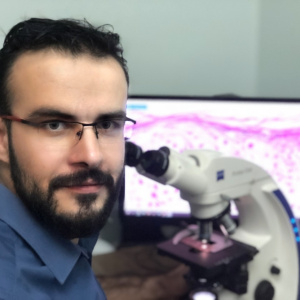
Dr. Mustafa Emre Ercin is an Associate Professor of pathology, an expert in cellular analysis and tissue diagnosis at LHU Ankara. A key link between research and clinical practice, he validates the terminological and diagnostic accuracy of our content, ensuring laboratory analysis explanations are scientifically exact.

Medical review does not replace an individual consultation.

How it works ?

2
Services
We look for the best option for your case & budget
3
Hospital
Evaluating a care plan with the best quote
4
airplane
Making appointments & Organization of your trip
5
Health care
Ongoing support until you return home

Our doctors for your Pancreatic cancer treatment

Asst. Prof. Dr. Meltem Topalgökçeli Selam
5.0
(1 reviews)
Lead doctor for your Pancreatic cancer treatment
21 years of experience
LIV Ulus
The clinic is certified:JCI - Joint Commission International LIV UlusInternational Organization for Standardization (ISO) LIV Ulus

Main Specialty : Medical Oncology Years of Experience : 21 years. Notable Education : İstanbul Faculty of Medicine, İstanbul University; Üsküdar American Academy for Girls Expertise : Gastrointestinal cancers; Ovarian cancers Notable Achievements : At least 4 international… Read more

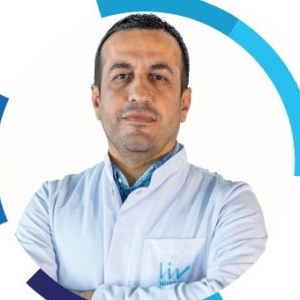
Prof. Dr. Emre Merdan Fayda
5.0
(1 reviews)
Lead doctor for your Pancreatic cancer treatment
24 years of experience
LIV Ulus
The clinic is certified:JCI - Joint Commission International LIV UlusInternational Organization for Standardization (ISO) LIV Ulus

Main Specialty : Oncology Years of Experience : 24 years. Notable Education : İstanbul University, İstanbul Medical Faculty, Bachelor’s Degree (1993-1999); İstanbul University Oncology Institute, Assoc. Prof. (2012-.....); Stereotactic Radiotherapy, Thoracic Oncology, University… Read more

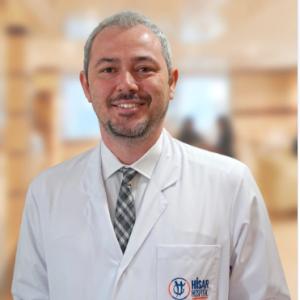
Prof. Dr. Şebnem İZMİR GÜNER
4.4
(221 reviews)
Lead doctor for your Pancreatic cancer treatment
30 years of experience
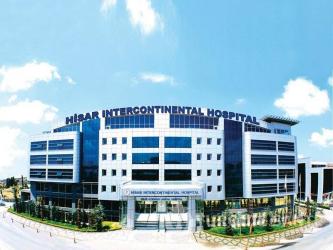
HISAR INTERCONTINENTAL
The clinic is certified:International Organization for Standardization (ISO) HISAR INTERCONTINENTALJCI - Joint Commission International HISAR INTERCONTINENTAL

Main specialty: Clinical and oncological hematology Years of experience: Over 20 years in hematology and oncology Notable training: Medicine at Istanbul University; specialization in internal medicine and hematology at Istanbul University Cerrahpaşa; Master's in healthcare… Read more

Prof. Betül Tavil
Turkey, Istanbul
4.5
(34 reviews)
Lead doctor for your Pancreatic cancer treatment
20 years of experience
MEMORIAL Şişli
The clinic is certified:JCI - Joint Commission International MEMORIAL ŞişliInternational Organization for Standardization (ISO) MEMORIAL Şişli

Main specialty : Pediatric Hematology and OncologyYears of experience : More than 20 years.Key training : Hacettepe University Faculty of Medicine, Dr. Sami Ulus Children’s Hospital, Hacettepe University – Pediatric Hematology.Languages spoken : English, German Read more

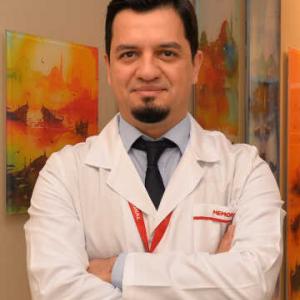
DR. MUSTAFA SOLAK
Turkey, Istanbul
4.6
(4 reviews)
Lead doctor for your Pancreatic cancer treatment
20 years of experience
HISAR INTERCONTINENTAL
The clinic is certified:International Organization for Standardization (ISO) HISAR INTERCONTINENTALJCI - Joint Commission International HISAR INTERCONTINENTAL

Verified CV : Medical Oncology. Training: Hacettepe University; residency at Şişli Etfal Hospital, Istanbul; further oncology training at Hacettepe University Institute of Oncology. Expertise: diagnosis and treatment of malignant diseases and individualized treatment planning.… Read more

Prof.Dr.Süleyman Alıcı
Turkey, Istanbul
4.4
(221 reviews)
Lead doctor for your Pancreatic cancer treatment
36 years of experience
HISAR INTERCONTINENTAL
The clinic is certified:International Organization for Standardization (ISO) HISAR INTERCONTINENTALJCI - Joint Commission International HISAR INTERCONTINENTAL

Main specialty : Oncology Years of experience : 36 years. Significant training : Bachelor's degree from Ataturk University, specialization in Internal Medicine from Selcuk University, minor specialization in Medical Oncology from Istanbul University. Mastered techniques :… Read more

Get a free medical opinion on Pancreatic cancer treatment with our recognized clinics

Certifications :

International Organization for Standardization (ISO) LOKMAN HEKIM Üniversitesi
LOKMAN HEKIM Üniversitesi
Ankara, Turkey
Assoc.Prof.Yusuf AÇIKGÖZ

Assoc.Prof.Yusuf AÇIKGÖZ

9 years of experience
Main Specialty : Medical Oncology Years of Experience : 9 years. Notable Training : Faculty of Medicine, Internal Medicine, Medical Oncology Mastered Techniques : Clinical Trials, Biostatistics, Immuno-Oncology, Good Clinical Practices Notable Achievements : ... Read more
Prof. Dr. Nurullah ZENGİN

Prof. Dr. Nurullah ZENGİN

36 years of experience
Main Specialty : Medical OncologyYears of Experience : 36 years.Notable Training : Doctorate in Medicine, Specialization in Internal Medicine, Specialization in Medical Oncology.Notable Achievements : Member of the National Cancer Advisory Board, 194 articles ... Read more
4.7 / 5
4.7(1 Reviews)

Certifications :

International Organization for Standardization (ISO) MEMORIAL Şişli
JCI - Joint Commission International MEMORIAL Şişli
MEMORIAL Şişli
Istanbul, Turkey
Mehmet Akif Öztürk

Mehmet Akif Öztürk

14 years of experience
Graduated in medicine from Marmara University (2003),specializing in internal medicine (2009) and medical oncology at Cerrahpaşa University (2012). Mandatory service at Hatay Antakya State Hospital (2012-2014),became assistant professor in 2015 and ... Read more
4.5 / 5
4.5(34 Reviews)

Certifications :

JCI - Joint Commission International LIV Vadistanbul
International Organization for Standardization (ISO) LIV Vadistanbul
LIV Vadistanbul
Istanbul, Turkey
Assoc. Prof. Dr. Murat Ayhan

Assoc. Prof. Dr. Murat Ayhan

19 years of experience
Main Specialty : Oncology Years of Experience : 19 years. Notable Training : Dicle University, Faculty of Medicine 2007; Associate Professor of Medical Oncology 2023 Mastered Techniques : Immunotherapy; Hormonal Therapy; Chemotherapy Notable Achievements : ... Read more
4.4 / 5
4.4(11 Reviews)

Certifications :

JCI - Joint Commission International HISAR INTERCONTINENTAL
International Organization for Standardization (ISO) HISAR INTERCONTINENTAL
HISAR INTERCONTINENTAL
Istanbul, Turkey
ASSOC PROF. GÖRKEM TÜRKKAN M.D.

ASSOC PROF. GÖRKEM TÜRKKAN M.D.

17 years of experience
Verified CV: Radiation Oncology. Medical training at Gülhane Military Medical Academy and Zonguldak Karaelmas (Bülent Ecevit) University Faculty of Medicine, completed in 2009; Radiation Oncology specialization at Trakya University. He received the title of ... Read more
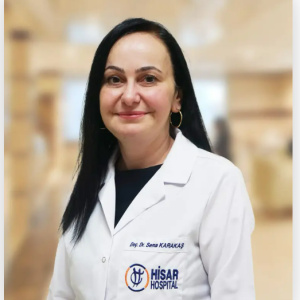
Assoc. Prof. Dr. Sema KARAKAŞ

Assoc. Prof. Dr. Sema KARAKAŞ

18 years of experience
Main Specialty : Gynecological Oncology and Gynecology-ObstetricsYears of Experience : 18 years.Notable Trainings : Cerrahpaşa Faculty of Medicine / Istanbul University (2002-2008),Istanbul Bakırköy Dr Sadi Konuk EAH. Gynecology and Obstetrics Clinic ... Read more
4.4 / 5
4.4(221 Reviews)
Get a free expert opinion via our Medical Quiz
Have you ever undergone a Pancreatic cancer treatment ?

Certifications :

JCI - Joint Commission International LOKMAN HEKIM ISTANBUL
International Organization for Standardization (ISO) LOKMAN HEKIM ISTANBUL
LOKMAN HEKIM ISTANBUL
Istanbul, Turkey
Dr. Orhan ŞENCAN

Dr. Orhan ŞENCAN

38 years of experience
Main Specialty : Medical Oncology and Internal Medicine SpecialistYears of Experience : 27 years.Notable Education : Hacettepe University (Faculty of Medicine),Ankara Training Hospital (Internal Medicine Specialization),Ankara University (Associate ... Read more
4.7 / 5
4.7(69 Reviews)

Certifications :

JCI - Joint Commission International LIV Ulus
International Organization for Standardization (ISO) LIV Ulus
LIV Ulus
Istanbul, Turkey
Prof. Dr. Duygu Derin

Prof. Dr. Duygu Derin

33 years of experience
Main Specialty : Oncology Years of Experience : Over 20 years in medical oncology. Notable Trainings : Graduation from Istanbul University, Istanbul Faculty of Medicine in 1993; Specialization in Internal Diseases at Taksim Training and Research Hospital in ... Read more
Prof. Dr. Koray Acarlı

Prof. Dr. Koray Acarlı

40 years of experience
4.7 / 5
4.7(1 Reviews)

Certifications :

International Organization for Standardization (ISO) HIZMET By Memorial
JCI - Joint Commission International HIZMET By Memorial
HIZMET By Memorial
Istanbul, Turkey
4.0 / 5
4.0(2 Reviews)

You have consulted 7 / 31 Hospitals

🩺 Medical note — This information does not replace professional medical advice. Prices are indicative and confirmed in a personalized quote, and any treatment decision is made with a qualified doctor after reviewing your file.

Symptoms of pancreatic cancer

Important: the symptoms described below are non-specific. They are far more often caused by benign conditions, and a medical evaluation is needed to find the cause before pancreatic cancer is suspected.

Pancreatic cancer is often silent at first, making early diagnosis difficult. There is currently no routine screening test for the general population. Surveillance is considered only for people at high risk, such as those with a strong family history, certain inherited mutations or certain pancreatic cysts, and it is best organized by a specialized team.

When the disease is more advanced, warning signs are more likely to appear:

  • Abdominal pain radiating to the back.
  • Sudden weight loss or unexplained loss of appetite.
  • Sudden onset of diabetes.
  • Blood clots (thrombosis).
  • Severe tiredness for no apparent reason.
  • Jaundice (yellowing of the skin and eyes),which can appear earlier when the tumor is in the head of the pancreas because it blocks the bile duct.

According to American Cancer Society data, only about 17% of pancreatic cancers are diagnosed at a localized stage, and most are found when the disease has already spread locally or to other organs, when surgery is often no longer possible. If you have persistent symptoms, don't ignore them: see your doctor.

Diagnosis at an earlier stage gives more treatment options. If you or a loved one have any of these signs, see your doctor, who will assess your situation and decide which examinations are appropriate for you.

Risk factors for pancreatic cancer

Several factors increase the risk of developing pancreatic cancer, although having one does not mean you will develop the disease, and many people with the disease have none of them:

  • Smoking, one of the main modifiable risk factors.
  • Diabetes, particularly long-standing diabetes. A new onset of diabetes in an older adult can also be an early sign of the disease.
  • Chronic pancreatitis (long-lasting inflammation of the pancreas),including when it is linked to heavy alcohol use.
  • Obesity and an unbalanced lifestyle.
  • Family history of pancreatic cancer, and inherited genetic mutations such as BRCA1, BRCA2 or Lynch syndrome.
  • Pancreatic cysts of certain types, which need regular monitoring.
  • Age: the risk increases as you get older.

If you have one or several of these factors, talk to your doctor about whether monitoring or genetic counseling is appropriate for you.

Pancreatic cancer treatment options in Turkey

Pancreatic cancer is a complex disease that requires a multidisciplinary treatment approach (surgeon, medical oncologist, radiation oncologist, gastroenterologist, radiologist and palliative care team). The treatment depends mainly on the stage: resectable, borderline resectable, locally advanced or metastatic. A cure is possible only in selected cases, mostly when the tumor can be completely removed. For other patients, treatment aims to slow the disease, relieve symptoms and maintain quality of life.

Chemotherapy and radiation therapy

Chemotherapy is the backbone of treatment at almost every stage. Radiation therapy has a more limited and selective role.

  • Neoadjuvant chemotherapy: Given before surgery, mainly in borderline resectable disease (European guidelines recommend it in this situation),to treat the cancer early and increase the chance that surgery can remove it completely. For tumors that are clearly resectable, upfront surgery is usually preferred.
  • Adjuvant chemotherapy: Given after surgery to reduce the risk of recurrence. For patients in good general condition, the modified FOLFIRINOX regimen is the preferred option in European guidelines; gemcitabine with capecitabine is an alternative for patients who cannot receive it, and gemcitabine or 5-fluorouracil alone is reserved for frail patients.
  • Chemotherapy for metastatic disease: Used to slow the progression of the disease and relieve symptoms, with regimens such as FOLFIRINOX or gemcitabine with nab-paclitaxel chosen according to the patient's general health.

Radiation therapy, including stereotactic techniques such as CyberKnife, is used selectively, for example in some borderline resectable or locally advanced tumors, or to relieve pain. European guidelines advise against routine radiochemotherapy after surgery, and the evidence for its survival benefit in pancreatic cancer remains limited, so the decision is made case by case by the multidisciplinary team. Proton therapy is available in only a few centers worldwide and is not a standard treatment for pancreatic cancer.

Surgery for pancreatic cancer

Surgery is the only treatment that can offer a chance of cure, but it is possible in only about 15 to 20% of patients at the time of diagnosis, when the tumor is localized and has not invaded major blood vessels or spread to other organs. It is a major operation with significant risks, which are detailed below and will be discussed with you at length. Even after complete removal, the cancer comes back in many patients, which is why chemotherapy is usually added.

The two main surgical procedures are:

  • Whipple surgery: Removal of the head of the pancreas together with the duodenum, the bile duct, the gallbladder and sometimes part of the stomach, to treat pancreatic head tumors.
  • Total or distal pancreatectomy: Depending on the location and extent of the tumor, the body and tail of the pancreas, or the whole pancreas, are removed.

The surgical decision depends on the exact location of the tumor and on your general health. The operation is complex and requires a long recovery period.

Targeted therapies and immunotherapy: the hopes of tomorrow

In Turkey, as in other countries, some newer treatments offer additional options for selected pancreatic cancer patients:

  • PARP inhibitors (olaparib): Used as maintenance treatment in metastatic pancreatic cancer with a germline BRCA mutation when the disease has not progressed after platinum-based chemotherapy. In the POLO trial (New England Journal of Medicine, 2019),olaparib delayed disease progression, but no improvement in overall survival was demonstrated.
  • RAS inhibitors (daraxonrasib): Approved by the US FDA in August 2026 for metastatic disease after at least one previous treatment. See the FAQ below for details and limits of the available data.
  • Immunotherapy: It has limited benefit in most pancreatic cancers. However, for the small minority of patients whose tumor has high microsatellite instability (MSI-H) or mismatch repair deficiency (dMMR),immune checkpoint inhibitors are a valid treatment option and can be effective, with lasting responses in some patients. Testing for these features is therefore important. Research continues on combinations aiming to extend the benefit to more patients.

These therapies aim to target cancer cells more specifically, although they can still cause side effects, and they only suit patients whose tumor has the right characteristics, which molecular testing helps to identify. Availability of each drug can differ from one country and one center to another, so ask your oncologist what is accessible for your situation.

Palliative treatments

Palliative (supportive) care aims to improve quality of life and manage symptoms, especially pain. It is not only for the end of life: it can be started alongside anticancer treatment, as soon as symptoms or distress appear, and in advanced stages it becomes the main focus of care.

Palliative treatments include:

  • Pain relief: Medications and procedures such as nerve blocks (celiac plexus block) to relieve pain.
  • Treatment of jaundice: By placing a biliary stent to unblock the bile ducts.
  • Nutrition and digestion: Dietitian follow-up and, when the pancreas no longer produces enough digestive enzymes, pancreatic enzyme replacement to limit weight loss and digestive symptoms, with nutritional supplements if needed.
  • Other symptoms: Treatment of nausea, digestive blockage, fatigue and emotional distress, with support for the patient and family.

What factors affect prognosis?

The prognosis is based on the following factors

  • The possibility of surgery: If the tumor is localized and can be removed surgically, the chances of a cure are greatly improved. However, if the tumor is inoperable, treatment options are limited.
  • Cancer stage: The size of the tumor and its spread to other organs or lymph nodes have a direct impact on prognosis. Early diagnosis, when the cancer is still localized, offers many more treatment options and a more favorable prognosis than in advanced stages.
  • The patient's general health: A patient in good physical health is better able to withstand severe treatments such as surgery, chemotherapy, or radiation.
  • Type of diagnosis: first episode or recurrence: A newly diagnosed pancreatic cancer generally offers more therapeutic options than a recurrence, which is often more resistant to treatment. Early detection helps to better manage the disease and increase the chances of cure.

Our specialized centers in Turkey therefore focus on advanced diagnostic techniques to optimize the chances of therapeutic success.

Risks of surgical treatment

Surgery is the only treatment that can offer a chance of cure for pancreatic cancer, but it is a major operation with a significant risk of complications, and it does not always solve the problem permanently. Only about 15 to 20% of patients can have surgery at the time of diagnosis, and even after complete removal the cancer comes back in many patients, which is why chemotherapy is usually added. In published series, complications occur in roughly 30 to 60% of patients after a Whipple procedure, and some are serious. Here are the most important risks to consider:

  • Risk of death after surgery (perioperative mortality): Major pancreatic operations, especially the Whipple procedure, are among the most complex abdominal surgeries. In published series the risk of dying from complications is below 5% in high-volume referral centers (often around 2 to 5%) and is considerably higher in low-volume hospitals, which is why the experience of the surgical team matters. Your surgeon will explain it in the context of your age, general health and tumor.
  • Recurrence of the cancer: this is a risk of surgery in itself, not only a complication, and it is why regular follow-up is needed. In the ESPAC-4 trial, estimated five-year survival after surgery followed by chemotherapy was 16.3% with gemcitabine alone and 28.8% with gemcitabine plus capecitabine (Lancet, 2017). In the PRODIGE 24 trial, which included patients in good general condition, five-year survival was 43.2% with modified FOLFIRINOX versus 31.4% with gemcitabine (JAMA Oncology, 2022). These figures come from clinical trials and do not apply to every patient: surgery does not guarantee a definitive cure.
  • Bleeding, during or after the operation, and the possible need for a blood transfusion. Severe bleeding can require a second operation or a radiological procedure to stop it.
  • Infection, especially of the wound or lungs, may occur, as can abscesses inside the abdomen and, in severe cases, a generalized infection (sepsis). Antibiotics are given to prevent or treat such infections, and drainage or another procedure is sometimes needed.
  • General anesthesia: Risks include allergic reactions, breathing problems, heart rhythm problems, heart attack and stroke, and rarely life-threatening complications. They are higher in older patients and in those with heart or lung disease, which is why the anesthesiologist assesses you carefully before the operation.
  • Blood clots in the legs (deep vein thrombosis) that can travel to the lungs (pulmonary embolism),a risk increased by cancer and by major surgery.
  • Development of diabetes or steatorrhea (fat digestion disorders). After a Whipple procedure or a larger pancreatic resection, diabetes can develop, and pancreatic enzyme replacement is often needed to digest food properly.
  • Formation of pancreatic fistulas (leakage of pancreatic fluid),one of the most important complications of this surgery: published series report rates ranging from about 5 to 30% depending on the definition used, the surgical technique and the patient, and the clinically significant forms are less frequent than the mildest ones. A pancreatic fistula can be serious: it can cause infection or abscesses, bleeding, and prolong the hospital stay, and it may require prolonged treatment, sometimes surgical, to control the infection and allow healing.
  • Bile leakage or leakage at the new connections between the digestive organs, which can require further procedures or surgery.
  • Delayed gastric emptying, causing nausea, vomiting and difficulty eating for a period after the operation.
  • Loss of pancreatic function, resulting in impaired absorption of nutrients and weight loss.
  • Intensive care, reoperation or prolonged hospitalization may be needed if serious complications occur.

The risk of complications and death is lower in centers and teams that perform many pancreatic operations each year. Before choosing where to be treated, ask the team how many pancreatic resections it performs per year, what its results are, and how it manages complications such as fistula, bleeding and infection.

Risks and side effects of the other treatments

Non-surgical treatments also carry risks and side effects, which your oncologist will explain to you before treatment and monitor throughout. They differ depending on the protocol:

  • FOLFIRINOX (5-fluorouracil, leucovorin, irinotecan and oxaliplatin):
    • Febrile neutropenia (fever with a drop in white blood cells) is a medical emergency requiring urgent hospital care. Growth factor injections and dose adjustments can reduce the risk.
    • Severe diarrhea can lead to dehydration and may require hospital care. Anti-diarrhea medication and hydration are started at the first signs, and the team must be informed promptly.
    • Mouth and digestive mucosal inflammation (mucositis),nausea and vomiting (managed with anti-nausea drugs),fatigue and hair thinning are common.
    • Peripheral neuropathy (numbness or tingling in the hands and feet, often triggered by cold) can last after treatment, and the dose may be reduced if it becomes disabling.
    • Rarely, 5-fluorouracil can cause chest pain from spasm of the heart arteries, which requires stopping the drug and immediate medical assessment.
  • Gemcitabine with nab-paclitaxel:
    • Drops in white blood cells (risk of infection),red blood cells (anemia) and platelets (risk of bleeding),monitored by blood tests before each cycle, with dose delays or reductions when needed.
    • Peripheral neuropathy, fatigue, hair loss and fluid retention (swelling).
    • Pneumonitis (lung inflammation) is rare but can be serious: a new cough or breathlessness must be reported immediately.
  • Gemcitabine alone: Drops in blood cell counts, flu-like symptoms, fatigue, skin rash and changes in liver tests.
  • Blood clots (thrombosis): Pancreatic cancer and its treatment, including chemotherapy, significantly increase the risk of blood clots. Careful monitoring and preventive measures can be put in place.
  • Radiation therapy:
    • Fatigue, nausea, vomiting, loss of appetite and skin reactions in the treated area are common during treatment and are managed with medication and nutritional support.
    • Because the pancreas is close to the stomach, duodenum and intestines, irritation or ulcers of these organs can occur and cause pain or bleeding. Acid-reducing medication is often given, and bleeding or black stools must be reported immediately.
    • Late effects such as narrowing of the digestive tract can appear months after treatment, which is why follow-up is necessary. Side effects can be stronger when radiation is combined with chemotherapy.
  • Immunotherapy: In pancreatic cancer, immune checkpoint inhibitors are an option for the small minority of tumors with high microsatellite instability (MSI-H) or mismatch repair deficiency (dMMR),for whom they can be effective. They can cause the immune system to attack healthy organs, leading to inflammation of the bowel, lungs, liver or thyroid, adrenal or pituitary gland problems, skin rashes, fatigue and infusion reactions, which require prompt treatment.
  • PARP inhibitors (such as olaparib, used for tumors with BRCA mutations): Fatigue, nausea, vomiting, loss of appetite and diarrhea are common, and anemia or drops in other blood cells can require monitoring or transfusion. Rarely, serious blood disorders (myelodysplastic syndrome or leukemia) and lung inflammation can occur. These drugs can harm an unborn baby, so effective contraception is required.
  • RAS inhibitors (such as daraxonrasib, approved for previously treated metastatic disease): Skin rash and mouth sores (stomatitis) are the most common side effects leading to dose reduction.
  • Palliative procedures: A biliary stent used to treat jaundice can become blocked or infected (cholangitis),and may need to be replaced.

Most side effects can be managed with medication (for example anti-nausea drugs),nutritional support and dose adjustments. Tell your medical team promptly about fever, uncontrolled vomiting or diarrhea, bleeding, severe pain or breathing difficulty. Not every treatment suits every patient: your general health, organ function and tumor characteristics determine which options are appropriate for you.

Pancreatic cancer treatment FAQ

Why is it difficult to treat pancreatic cancer?

Pancreatic cancer, most often a pancreatic adenocarcinoma, develops in the pancreas, a deep organ located behind the stomach and close to the liver, bile duct and intestine. Several factors make it difficult to treat:

  • It often causes no symptoms at first, and when symptoms appear (back pain, weight loss, jaundice) they are non-specific and can be mistaken for other conditions. Only about 17% of cases are diagnosed at a localized stage (American Cancer Society, 2026).
  • It can spread early to the liver, lymph nodes or other organs, and it may invade nearby blood vessels, which often makes surgery impossible.
  • Tumors are surrounded by dense tissue that makes it harder for drugs to reach the cancer cells, and many tumors resist chemotherapy.

Treatment options are improving, but the disease remains serious, and results vary from one patient to another.

Can pancreatic cancer be cured?

Cure is possible in selected cases, diagnosed at an early stage, where the tumor can be completely removed by surgery, usually combined with chemotherapy. However, pancreatic cancer is a serious and difficult disease: only a minority of patients can have surgery at diagnosis, the cancer often comes back after surgery, and the overall five-year survival across all stages remains low (about 13% according to the American Cancer Society). Treatment therefore aims to improve prognosis and quality of life, and results vary from one patient to another.

Are Immunotherapy and Targeted Therapy Effective Against Pancreatic Cancer?

Until recently, treatment options beyond chemotherapy were very limited, but this is now changing. Most pancreatic adenocarcinomas are driven by mutations in the KRAS gene, which regulates cell division. These tumors are also surrounded by dense fibrous tissue (stroma) that can act as a barrier, making it harder for immune cells and drugs to reach the cancer cells.

Immunotherapy has shown limited benefit for most patients with pancreatic cancer. A small minority of patients (roughly 1% or so) have tumors with high microsatellite instability (MSI-H) or mismatch repair deficiency (dMMR),and these patients may respond to immune checkpoint inhibitors. Researchers are studying combinations that aim to overcome resistance by acting on the tumor microenvironment.

Targeted therapy has seen real progress. KRAS was long considered "undruggable", but on August 26, 2026 the US FDA approved daraxonrasib (Rasonque),an oral RAS(ON) inhibitor, for adults with metastatic pancreatic adenocarcinoma who have received at least one prior systemic therapy or who cannot receive multiagent systemic therapy (FDA announcement, August 2026). The approval was based on the phase 3 RASolute 302 trial, which enrolled 500 previously treated patients: median overall survival was 13.2 months with daraxonrasib versus 6.7 months with chemotherapy. These results are still based on a relatively short follow-up (a median of about 8.5 months),so long-term outcomes are not yet known. Rash and mouth sores are the most common side effects leading to dose reduction. It is approved for metastatic disease, not as a cure. Other KRAS-targeted drugs and combination strategies are being studied in clinical trials. Availability and approval status can differ from country to country, and I cannot confirm here that it is available in Turkey, so ask your oncologist and the treating center what is accessible for your situation. Molecular testing of the tumor helps identify which options may apply.

How long should I plan to stay in Turkey for pancreatic cancer treatment?    

The length of stay depends on the treatment plan, which is decided by the medical team after reviewing your medical file. It is influenced by the type of surgery (for example a Whipple procedure),your recovery after the operation and whether chemotherapy or radiation therapy is needed afterwards.

Ask the medical team for an individualized estimate before booking travel. Recovery after pancreatic surgery can take months, and additional treatments and follow-up may extend the overall timeline beyond the initial stay, so discuss with your oncologist how treatment and follow-up will be coordinated after you return home.

Can I get a second medical opinion for my pancreatic cancer?    

Yes, Turquie Santé facilitates obtaining a second opinion from certified Turkish oncologists.

Other procedures in this specialty

Share this page

Our assistants help you to get the best options in Pancreatic cancer treatment