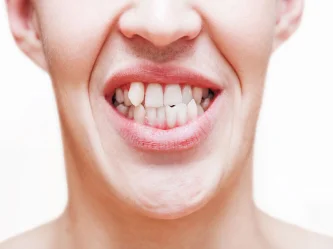



Crooked teeth that trap food and plaque, a jaw that clicks when you chew, or a smile you instinctively cover in photos: these everyday signs often point to a misalignment that braces can correct. Straightening the teeth improves chewing function and makes plaque easier to remove, which lowers the long-term risk of gum disease, alongside the aesthetic result most patients notice first.
An orthodontic consultation around age 7 is often recommended to catch problems such as crossbites, crowding, or jaw growth issues early, since some are simpler to treat while the jaw is still developing; in adults, treatment works just as well but follows a different plan, and starting later does not make it faster. In Turkey, orthodontists offer a full range of options, from traditional metal braces to more discreet systems, and Turquie Santé coordinates the diagnosis, treatment plan, and follow-up visits, whether you're correcting a functional issue or considering a complementary Hollywood Smile makeover once your alignment is done.
How much do braces cost in Turkey?
The cost of orthodontic treatment in Turkey depends on the type of braces you choose, how complex your case is, and how long your treatment runs. The prices below are rough estimated starting prices, subject to individual assessment:
- Metal braces, estimated starting price from $1,700: the most budget-friendly option.
- Sapphire braces, estimated starting price from $2,200: more discreet than metal and resistant to staining.
- Ceramic braces, estimated starting price from $2,200: blend naturally with your tooth color for a cleaner look.
- Lingual braces, estimated starting price from $2,700: completely hidden behind your teeth, though they take a bit longer to place.
- Clear aligners, estimated starting price from $2,500: removable, comfortable, and nearly invisible. Best suited for mild to moderate cases.
These are not quotes. A medical assessment is required to get an accurate quote, and the final price may be higher depending on your case, the length of treatment and the appliance chosen.
Most packages include everything you need: diagnostics, fitting, regular adjustments every 4 to 6 weeks, removal, and your retainer at the end.
Interested in orthodontic treatment in Turkey? Get your free quote from Turquie Santé and receive a personalized treatment plan tailored to your smile.
Risks and Side Effects
- Canker sores
- Pain
- Eating difficulties
- White spots or cavities (enamel demineralization): they can persist after treatment and lead to cavities if oral hygiene is not rigorous throughout treatment and if regular check-ups are skipped
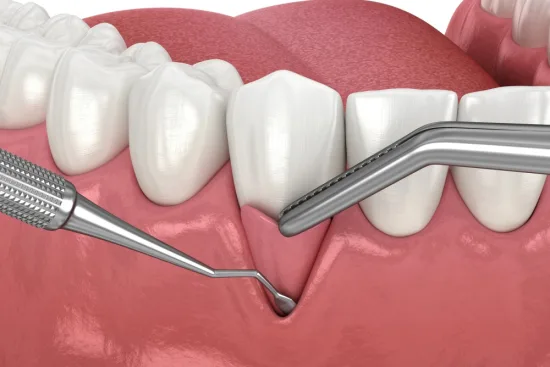
- Gum inflammation (gingivitis),which must be actively prevented with meticulous brushing around the brackets, interdental brushes and more frequent dental check-ups than usual; if left unaddressed it can progress to periodontitis or gum recession. Existing gum disease can get worse during treatment if it is not treated first
- Shortening of the tooth roots (root resorption): it is often mild, but it can be more significant in some cases and then requires closer monitoring by your orthodontist. Reported risk factors include short roots, teeth that have had a root canal treatment or a trauma, strong orthodontic forces and a long treatment. Periodic X-rays are used to monitor it
- Relapse (teeth moving back) if retainers are not worn as instructed
- Temporary speech changes, mainly with lingual braces