


Turquie Santé
Last update : 22/10/2026

Buffalo hump removal in Turkey: Procedure, risks & cost

Access care from specialist doctors in Turkey, at prices generally lower than those in Europe.

Get a free quote
Buffalo hump treatment Turkey
795+
patient reviews
across all procedures

Have you caught yourself avoiding certain necklines or turtlenecks because of a bulge at the back of your neck? Known as a "buffalo hump" or dorsocervical fat pad, this fatty deposit can affect comfort and posture and how you feel about your appearance. It can also be a sign of an underlying medical condition, such as Cushing's syndrome, a side effect of some medications, or a change linked to menopause or weight gain, so it is worth having it assessed before choosing a treatment. Depending on the cause and on the type of fat, treatment options include medical management of the cause, VASER 4D liposuction or laser liposuction and, for dense fat, surgical excision. In Turkey, surgeons perform neck contouring surgery to reduce the fat pad and give the neck a more balanced profile, sometimes as part of a broader liposuction approach or combined with a neck lift. Results vary from one patient to another, the hump can come back if its cause persists, and the procedure carries risks that are described on this page.

At Turquie Santé, our teams support you from your initial consultation to post-operative follow-up. Accreditation and the surgeon's experience should be checked clinic by clinic.

Buffalo hump removal cost in Turkey

The price below is approximate and indicative, in US dollars. The final price depends on the technique, the extent of the fat pad, the clinic and the surgeon, and it is set by a personalized quote after consultation. What is included varies from one clinic to another, and travel costs, flight tickets and any additional care or tests are not included.

CountryIndicative price (USD)Specific features
Turkey (with Turquie Santé)$1,600–2,700Support, organized stay, and post-operative follow-up (check what your quote includes)

You can request a free quote, receive coordination of your stay and follow-up after the operation, and be matched with surgeons, whose experience you should still check for yourself. Whatever the price, results vary from one patient to another, the hump can come back if its cause persists, and the risks described on this page remain the same.

Because the price depends on your case, ask for an itemized quote and confirm in writing what it covers, including what applies if a repeat procedure or a complication has to be managed.

Risks and Side Effects

Liposuction of a buffalo hump can cause temporary bruising, swelling, tenderness, and numbness. Potential complications include contour irregularities or an aesthetic result that falls short of expectations, fluid accumulation, hematoma, infection, scarring, and persistent skin-sensation changes. Incomplete fat removal, an uneven contour or recurrence may require a touch-up or further surgery, particularly when the fat is dense and fibrous or the underlying cause persists.

Rare but serious complications include skin necrosis, nerve injury, blood clots, pulmonary or fat embolism, and anesthesia-related complications. Positioning during surgery may also cause neck stiffness or nerve compression. Specific complication rates for buffalo hump liposuction are limited, so figures from general liposuction studies should be interpreted cautiously. Figures and sources are given in the section "How is buffalo hump liposuction performed in Turkey?" of this page; this list is not exhaustive.

The procedure may be unsuitable in cases of uncontrolled medical conditions, bleeding disorders, active infection, or pregnancy. It should also be postponed if Cushing’s syndrome or a medication effect is suspected and has not been managed, because untreated Cushing’s syndrome increases the risk of blood clots, infection and poor wound healing. Identifying and treating the underlying cause is essential to reduce complications and the risk of recurrence.


 

Why choose Buffalo hump treatment with Turquie Santé ?

Chirurgien icon

Accredited surgeons and hospitals (JCI, ISO)

Économie icon

Indicative prices, often lower than in Western Europe depending on the case

Organisation icon

Medical stay organized from A to Z

Prix icon

Detailed quote (included / not included) before your stay

Résultat icon

Free review of your file

All about your Buffalo hump treatment in Turkey
Overview
Alternative care
Benefits
Payment

Intervention or treatment's duration :

  • 1 to 2 hours.

Recovery time :

  • From 1 to 2 weeks.

Alternative treatments
  • Treatment of the cause: when a hormonal or medication cause is found (Cushing's syndrome, corticosteroids, some HIV treatments),the hump can shrink if the cause is treated or the medication is adjusted by your doctor. Never stop a prescribed treatment on your own. In HIV-associated fat redistribution, medical management is often ineffective and surgery is frequently needed.
  • Weight loss, postural exercises and physiotherapy, which can help comfort and posture but do not remove a fibrous fat pad.
  • Surgical excision of the fat pad, preferred by some surgeons for dense, fibrous fat, with a longer scar.
  • Neck lift or other neck contouring procedures, which address the skin and the muscles of the neck rather than a dorsal fat pad.

Highly qualified professionals in accredited institutions.


We assist you before, during, and after your trip


A detailed quote is presented to you before your stay. Our support is free for the patient and any fees are specified in advance.

You will pay your clinic directly using these available methods:
Transfer

Verified testimonials from our patients

Francesca B.
Verified review

5 stars for your services and professional staff My procedure at LIV ULUS clinic went smoothly, everything was perfectly organized, and my issue is now permanently resolved. The journey was a bit tiring, but it was truly the best decision I could hav..Read more


05/11/2025
This patient was treated for Buffalo hump treatment
Emily White : Medical Content Team Manager at Turquie Santécheck

Written by

Emily White

This content complies with Turquie Santé's editorial policy. It was written by Emily White, Head of the Editorial Team, who coordinates content creation and updates. She has 11 years of experience in medical communications and supporting international patients in Turkey.

Op.Dr. Murat YAMAN M.Dcheck

Medically reviewed by : Op.Dr. Murat YAMAN M.D

Specialty : Cosmetic Surgery
Diploma no. (TTB) : 119373

Medical review does not replace an individual consultation.

Discover the best verified clinics for your Buffalo hump treatment in Turkey

Certifications :

International Organization for Standardization (ISO) LOKMAN HEKIM ISTANBUL
JCI - Joint Commission International LOKMAN HEKIM ISTANBUL
LOKMAN HEKIM ISTANBUL
Istanbul, Turkey
F. Nihal DURMUŞ KOCAASLAN, MD, Assoc. Professor

F. Nihal DURMUŞ KOCAASLAN, MD, Assoc. Professor

16 years of experience
Main Specialty : Plastic, Reconstructive and Aesthetic Surgery Years of Experience : 16 years. Notable Training : Kocaeli University Faculty of Medicine (2004); plastic surgery specialization, Marmara University (2010); PhD in Forensic Medicine, Istanbul ... Read more
4.7 / 5
4.7(70 Reviews)

Certifications :

International Organization for Standardization (ISO) HISAR INTERCONTINENTAL
JCI - Joint Commission International HISAR INTERCONTINENTAL
HISAR INTERCONTINENTAL
Istanbul, Turkey
OP. Dr. Hasan Sahin

OP. Dr. Hasan Sahin

19 years of experience
Main specialty: Aesthetic, plastic and reconstructive surgeryYears of experience: Over 19 yearsEducation: Medical degree, GATA Medical School; specialization in plastic and reconstructive surgery, Dokuz Eylül University, IzmirAreas of practice: rhinoplasty, ... Read more
4.4 / 5
4.4(222 Reviews)

Certifications :

International Organization for Standardization (ISO) MEMORIAL Şişli
JCI - Joint Commission International MEMORIAL Şişli
MEMORIAL Şişli
Istanbul, Turkey
Dr. Gülsüm ÇEBİ

Dr. Gülsüm ÇEBİ

11 years of experience
Main Specialty : Aesthetic, Plastic and Reconstructive Surgery Years of Experience : 11 years. Notable Training : Medical degree, University of Istanbul; specialization, Istanbul University-Cerrahpaşa; advanced training in plastic surgery, microsurgery and ... Read more
4.5 / 5
4.5(34 Reviews)

Certifications :

International Organization for Standardization (ISO) LIV Vadistanbul
JCI - Joint Commission International LIV Vadistanbul
LIV Vadistanbul
Istanbul, Turkey
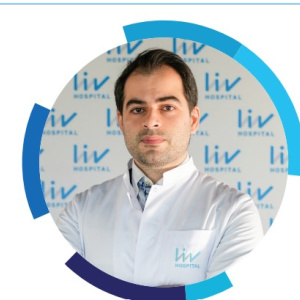
Prof. Dr. Halil İbrahim Canter

Prof. Dr. Halil İbrahim Canter

30 years of experience
Main Specialty : Aesthetic, Plastic and Reconstructive Surgery Notable Training : Hacettepe University Languages Spoken : ... Read more
Op. Dr. Majıd Ismayılzade

Op. Dr. Majıd Ismayılzade

5 years of experience
Main specialty : Plastic, reconstructive and aesthetic surgery Years of experience : 5 years. Notable training : Master's in Plastic, Reconstructive and Aesthetic Surgery, Necmettin Erbakan University, 2021; Bachelor's in Medicine, Ankara University, 2015. ... Read more
4.4 / 5
4.4(11 Reviews)

Certifications :

JCI - Joint Commission International LIV Ulus
International Organization for Standardization (ISO) LIV Ulus
LIV Ulus
Istanbul, Turkey
Op. Dr. Orkun Uyanık

Op. Dr. Orkun Uyanık

11 years of experience
Main specialty : Plastic, reconstructive, and aesthetic surgery Experience : 11 years since graduating in medicine (2015); plastic surgery specialist since 2021. Notable training : Istanbul University Cerrahpasa Faculty of Medicine - 2015, Necmettin Erbakan ... Read more
Asst. Prof. Dr. Aslı Datlı

Asst. Prof. Dr. Aslı Datlı

16 years of experience
Main Specialty : Plastic, Reconstructive and Aesthetic Surgery Years of Experience : 16 years. Notable Trainings : Fellowship in Microsurgical Reconstructive Surgery at ASAN Medical Centre, Seoul, South Korea; Residency in Plastic, Reconstructive and ... Read more
4.7 / 5
4.7(1 Reviews)

Certifications :

International Organization for Standardization (ISO) ISTANBUL AESTHETIC CENTER
ISTANBUL AESTHETIC CENTER
Istanbul, Turkey
Dr. Ergin ER

Dr. Ergin ER

25 years of experience
Main Specialty : Plastic, Reconstructive and Aesthetic Surgery 25 years' experience as a specialist (since 2001),in Turkey and the USA Graduated from the Gülhane Military Medical Academy (GATA) in 1992 Career including senior physician positions Awarded ... Read more
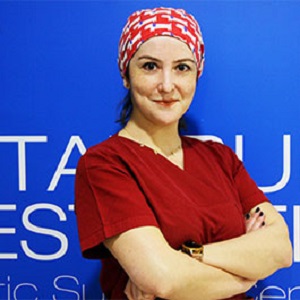
Dr. Ece Kalafatlar

Dr. Ece Kalafatlar

7 years of experience
Medical degree from Istanbul University in 2013. Plastic surgery specialty at Dr. Lutfi Kirdar Hospital in Istanbul Kartal from 2014 to 2019. Diversified experience in several medical ... Read more
4.3 / 5
4.3(108 Reviews)
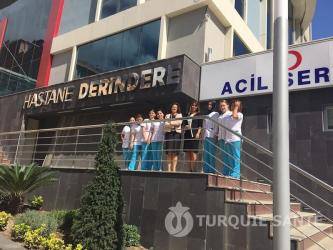
DERINDERE
Istanbul, Turkey
Multispeciality Hospital 150 Beds Opened in 2015
4.0 / 5
4.0(2 Reviews)

You have consulted 7 / 31 Hospitals

🩺 Medical note — The content of this page is provided for information purposes and in accordance with our medical charter. It does not constitute medical advice and does not replace a consultation with a healthcare professional. Prices are indicative and will be specified in a personalized quote after reviewing your file. Any treatment must be assessed and approved by a qualified doctor.

What Is a buffalo hump?

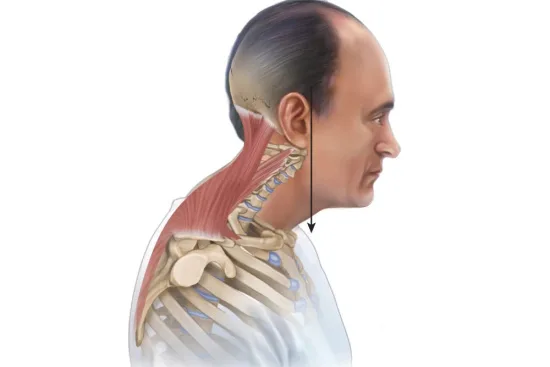
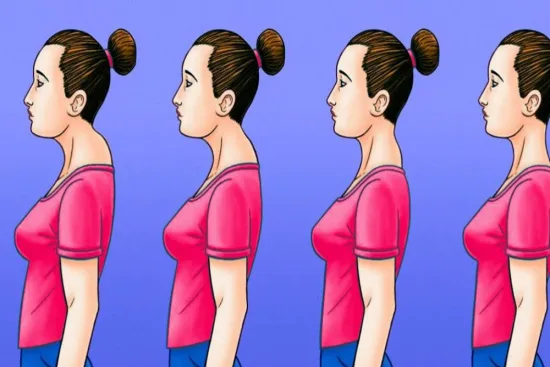
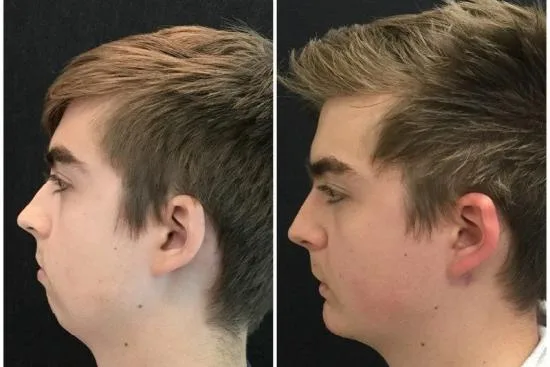
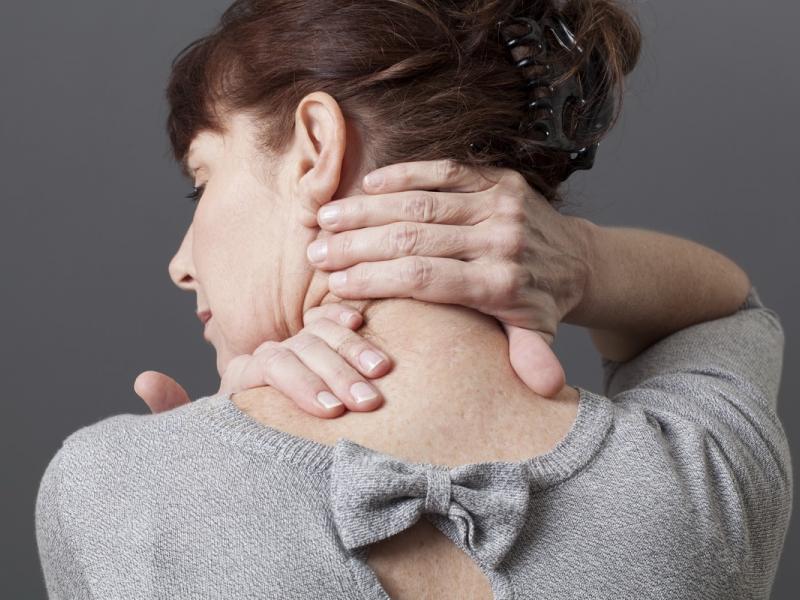
A buffalo hump is a localized fat deposit at the base of the neck, just above the shoulders, often referred to as a dorsal fat pad. It forms a visible bulge that can affect your posture, neck comfort, and overall silhouette. While it is usually harmless, this fat accumulation may cause tension, aesthetic concern, or discomfort during daily activities.

This condition usually develops in adulthood, affecting both men and women, and may be linked to hormonal imbalances, aging, excess weight, or menopause.

Causes of buffalo hump

Several factors contribute to the formation of a buffalo hump:

  • Hormonal imbalance: Excess cortisol or prolonged steroid therapy (Cushing's syndrome) can promote fat accumulation in the upper back.
  • Excess weight & fat accumulation: Carrying extra weight can encourage localized fat deposits in the cervical-dorsal area.
  • Menopause: Hormonal changes during menopause can trigger dorsal lipodystrophy in women.
  • Posture & lifestyle: Frequent forward neck tilting or prolonged sitting may worsen the hump over time.
  • Rare bone or genetic conditions: Osteoporosis or hereditary factors can increase the risk of buffalo hump formation.

Notice a persistent bulge? Book an online consultation with our Turkey-based experts today to explore personalized treatment options.

Buffalo Hump vs. Kyphosis: How to differentiate?

Although both conditions affect the upper back, it's important to understand that a buffalo hump is caused by excess fat, whereas kyphosis involves structural changes in the spine. Recognizing the differences ensures you can pursue the most effective treatment for comfort and posture.

CharacteristicBuffalo humpKyphosis
DefinitionLocalized fat accumulation at the base of the neck, forming a noticeable bulge.Spine deformation causing a rounded or hunched back.
Main causesHormonal imbalance, aging, excess weight, menopause.Poor posture, congenital or degenerative spinal issues.
AppearanceFirm, rounded protrusion behind shoulders.Rounded or hunched thoracic spine.
Pain / DiscomfortNeck tension, aesthetic concern.Back pain, stiffness, fatigue.
TreatmentTargeted liposuction, cosmetic reshaping, and hormone therapy if needed.Physical therapy, orthopedic devices, and surgery if necessary
Affected populationAdults, more common after 40.All ages, depending on the cause.
Progression if untreatedCan worsen, causing chronic neck pain.May worsen with age, affecting posture and breathing.

Understanding the distinction helps doctors tailor interventions, whether surgical, medical, or lifestyle-based, for optimal neck and back health.

When and why you should seek medical advice in Turkey?

A buffalo hump can form gradually, sometimes becoming noticeable even if your weight remains stable. If you observe a protrusion behind your neck that causes discomfort, whether aesthetic or physical, it is important to consult a specialist. In Turkey, this usually involves a plastic surgeon experienced in liposuction or an endocrinologist to evaluate any potential hormonal factors contributing to the fat accumulation. A hump that appears quickly, together with weight gain in the face and trunk, purple stretch marks, high blood pressure or high blood sugar, or after starting a corticosteroid or an HIV treatment, should be assessed by a doctor before any cosmetic treatment.

Pay attention to persistent neck pain, tension, or discomfort during movement, as these are warning signs that should not be ignored. If left untreated, these symptoms may worsen over time, potentially affecting your posture, mobility, and overall quality of life.

Seeking an early assessment also addresses aesthetic concerns. If your goal is to restore a more harmonious neck profile and regain self-confidence, a precise and personalized diagnosis is key. Specialists can discuss the possible approaches, whether surgical liposuction, hormonal management, or a combination of treatments, tailored to your individual needs.

With Turquie Santé, you receive support at every stage: from the initial consultation, through the procedure, and during post-operative follow-up. The treatment and its results depend on your case and on the clinic and surgeon you choose.

Book an appointment for a personalized assessment and discuss the options with a specialist.

How is a buffalo hump diagnosed in Turkey?

In Turkey, diagnosing a buffalo hump starts with a thorough medical evaluation. A specialist will review your medical history, current medications, and perform a detailed physical examination to assess the size, location, and firmness of the hump.

Depending on the suspected cause, additional tests may include:

  • Hormonal tests: 24-hour urinary free cortisol (UFC),late-night salivary cortisol, or low/high-dose dexamethasone suppression tests to check for hormonal imbalances such as Cushing's syndrome.
  • Imaging studies: X-rays, MRI, or CT scans to differentiate between a fat deposit and structural spinal changes.

These steps allow specialists to determine the underlying cause and recommend the most effective treatment.

Take the first step toward a smooth, natural neckline! Schedule your personalized assessment in Turkey today.

How is buffalo hump liposuction performed in Turkey?

Buffalo hump liposuction is a surgical procedure designed to reduce the fat deposit and give the neck a more balanced profile. Like any surgery, it carries risks, which are summarized in the risks section of this page and described in more detail at the end of this section. In Turkey, the process is carried out in several key stages:

Initial consultation

Your journey begins with a complete medical and hormonal assessment, followed by a detailed examination of the cervical-dorsal area. The surgeon listens carefully to your concerns and creates a personalized treatment plan.

During this step, you will receive:

  • A precise evaluation of the area to be treated.
  • Practical advice on how to prepare before surgery.
  • Full assistance in organizing your stay in Turkey.

The surgical procedure

The operation focuses on targeted liposuction to remove the fat deposits responsible for the hump. It is performed under local or general anesthesia (depending on your case) and usually lasts 1 to 2 hours.
Using fine cannulas inserted through small incisions, the surgeon removes the fat and sculpts the neck contour. The scars are generally small and discreet and tend to fade over time, but their visibility varies from one patient to another and cannot be guaranteed. Because the fat of a buffalo hump is often dense and fibrous, liposuction may not remove all of it in one session, and in some cases surgical excision, which leaves a longer scar, is preferred.

Post-operative care & recovery

Recovery is often quick. Many patients resume light activities within 48 hours, while strenuous exercise should be avoided for about 4 weeks.
During recovery, it's common to notice:

  • Temporary bruising and mild swelling.
  • Moderate sensitivity in the treated area, manageable with medication.

Results & follow-up

The first visible changes usually appear from the second week onward and continue to improve over time. Within a few months, the neck usually reaches its final shape, but results vary and cannot be guaranteed.
Your surgeon, together with our Turquie Santé local teams, provides post-operative follow-up to monitor healing and to address any problem.

Risks and complications in more detail

Data specific to buffalo hump liposuction are limited. The figures below come mostly from studies of liposuction in general, often of larger body areas than the neck, and from small series of buffalo hump treatment, mainly in HIV-associated lipodystrophy. They are indicative only, may not apply to your case, and do not list every possible risk. Your surgeon will discuss the risks that apply to you.

  • Common effects, usually temporary: bruises, swelling, tenderness, a tight feeling and temporary numbness in the treated area.
  • Complications of liposuction in general: in a systematic review and meta-analysis of liposuction performed in isolation, contour irregularities occurred in about 2% of patients, seroma in about 2%, hematoma in about 1%, surgical site infection in about 1%, fibrosis in about 1% and pigmentary changes in about 1%. Another systematic review reports overall complication rates of 0% to 10% depending on the study, higher when liposuction is combined with other procedures (Barros et al., Revista Brasileira de Cirurgia Plastica, 2023).
  • Aesthetic result and revision surgery: the result may not be optimal. Asymmetry, dimples, skin irregularities or an uneven contour can occur and may require a further procedure. Because the fat of a buffalo hump is often dense and fibrous, it may not be fully removed in one session, a touch-up liposuction or a surgical excision (with a longer scar) may be needed, and recurrence has been described, in particular in HIV-associated cases and when the cause persists.
  • Skin and nerves: burns can occur with ultrasound or laser-assisted techniques, and skin necrosis is rare but serious. Changes in skin sensation are usually temporary, and nerve injury is rare. No rate specific to the neck has been published. In a review of liposuction complications (Korean Journal of Radiology, 2015),major or potentially lethal complications as a group (skin necrosis, severe infection, necrotizing fasciitis, pulmonary embolism and death) were reported in about 0.02% to 0.25% of cases.
  • Blood clots and embolism: deep vein thrombosis, pulmonary embolism and fat embolism (about 0.001% to 0.005% of cases, potentially fatal) are more frequent with large-volume liposuction and combined procedures. No rate specific to buffalo hump liposuction has been published, and these risks are low but real. In a large United States survey (Grazer and de Jong, Plastic and Reconstructive Surgery, 2000),mortality after liposuction was 19.1 per 100,000 procedures, and pulmonary thromboembolism was the leading cause of death, at about 23% of deaths.
  • Anesthesia: these risks apply to buffalo hump liposuction. After general anesthesia, nausea and vomiting are common (about 1 person in 3),and a sore throat, shivering and drowsiness can occur. A severe allergic reaction to an anesthetic is rare (about 1 in 10,000),awareness during general anesthesia occurs in about 1 in 20,000 cases, and death due to the anesthesia alone is estimated at about 1 in 100,000 general anesthetics in healthy patients (Royal College of Anaesthetists patient information). Local anesthesia avoids the risks specific to general anesthesia but has its own, such as an allergic reaction or, if too much is absorbed, local anesthetic toxicity.
  • Neck region and positioning: to reach the nape, the patient may be placed face down or on the side. Pressure on the skin, eyes, face or limbs, stretching of the nerves of the shoulder and arm, and neck strain or stiffness can occur, and managing an airway problem is more difficult than when lying on the back. No rate specific to this procedure has been published.
  • When surgery is not advisable: uncontrolled medical conditions, unmanaged bleeding disorders or anticoagulant treatment, active infection, pregnancy, and a cause of the hump that has not been assessed. Untreated Cushing's syndrome is associated with a higher risk of blood clots, infection and poor wound healing (Endocrine Society guideline, 2015),and treating the cause first also reduces the risk of recurrence.

Experiences of our patients – Turquie Santé

Buffalo hump treatment FAQ

Can liposuction correct a buffalo hump?    

Liposuction can reduce a buffalo hump when it is mainly composed of fat. The fat of a buffalo hump is often dense and fibrous, so it may not be completely removed in one session, a repeat procedure may be needed, and surgical excision is sometimes preferred. Results vary and cannot be guaranteed, and the cause of the hump should be assessed first.

Can several treatments be combined for a buffalo hump?

Yes, physiotherapy, postural exercises, weight loss, and aesthetic procedures can be combined for better results. The combination should be tailored by a healthcare professional according to the cause and severity.

Can a buffalo hump disappear spontaneously?
No, a buffalo hump does not usually disappear on its own, but it can shrink if the underlying cause is treated. For example, weight loss, adjustment of certain medications (such as corticosteroids or some HIV treatments),or treatment of a medical condition such as Cushing's syndrome can reduce the size of the hump. Liposuction or surgical excision is an effective way to remove localized fat, but it is not the only option, and the hump can come back if the cause persists. A doctor should evaluate the underlying cause first.
What care is required after liposuction of a buffalo hump?

After liposuction of a buffalo hump (a fat pad at the back of the neck and upper back),typical aftercare includes wearing a compression garment or neck support as instructed (often for 2-6 weeks),keeping the head slightly elevated to reduce swelling, gentle walking, and avoiding strenuous activity and pressure on the area. Swelling and bruising usually improve over a few weeks. Your surgeon may recommend lymphatic drainage massage or physiotherapy after the first week or two to reduce swelling and soften the treated area, but this is not required in every case. Attend all follow-up visits and contact your surgeon if you have fever, increasing pain, redness or marked swelling.

Is there a risk of the hump reappearing after surgery?
Removal of a buffalo hump by liposuction can be long-lasting, because the fat cells that are removed do not regenerate, but recurrence has been described, in particular in HIV-associated cases and when the cause persists, and long-term data are limited. The hump can come back if the underlying cause is not treated or if the remaining fat cells enlarge. Risk factors include significant weight gain, persistent or recurring medical conditions such as Cushing syndrome, and the continued use of certain medications, such as steroids or some HIV treatments, that caused the hump in the first place. It is important to treat these factors and maintain a stable weight to keep the results over the long term, and a repeat procedure may sometimes be needed.


Share this page

Our assistants help you to get the best options in Buffalo hump treatment